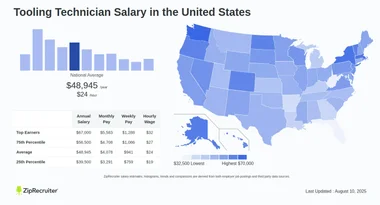
Are you curious about how much tooling maintenance technicians really earn? Whether you’re thinking about starting a career in this field or wondering if your current pay matches industry standards, knowing the facts can make a big difference.
Your skills are valuable, and understanding the typical salary range can help you make smarter career decisions. Keep reading to discover what affects your pay, what you can expect at different experience levels, and how to boost your earnings in this essential trade.
Tooling Maintenance Technician Role
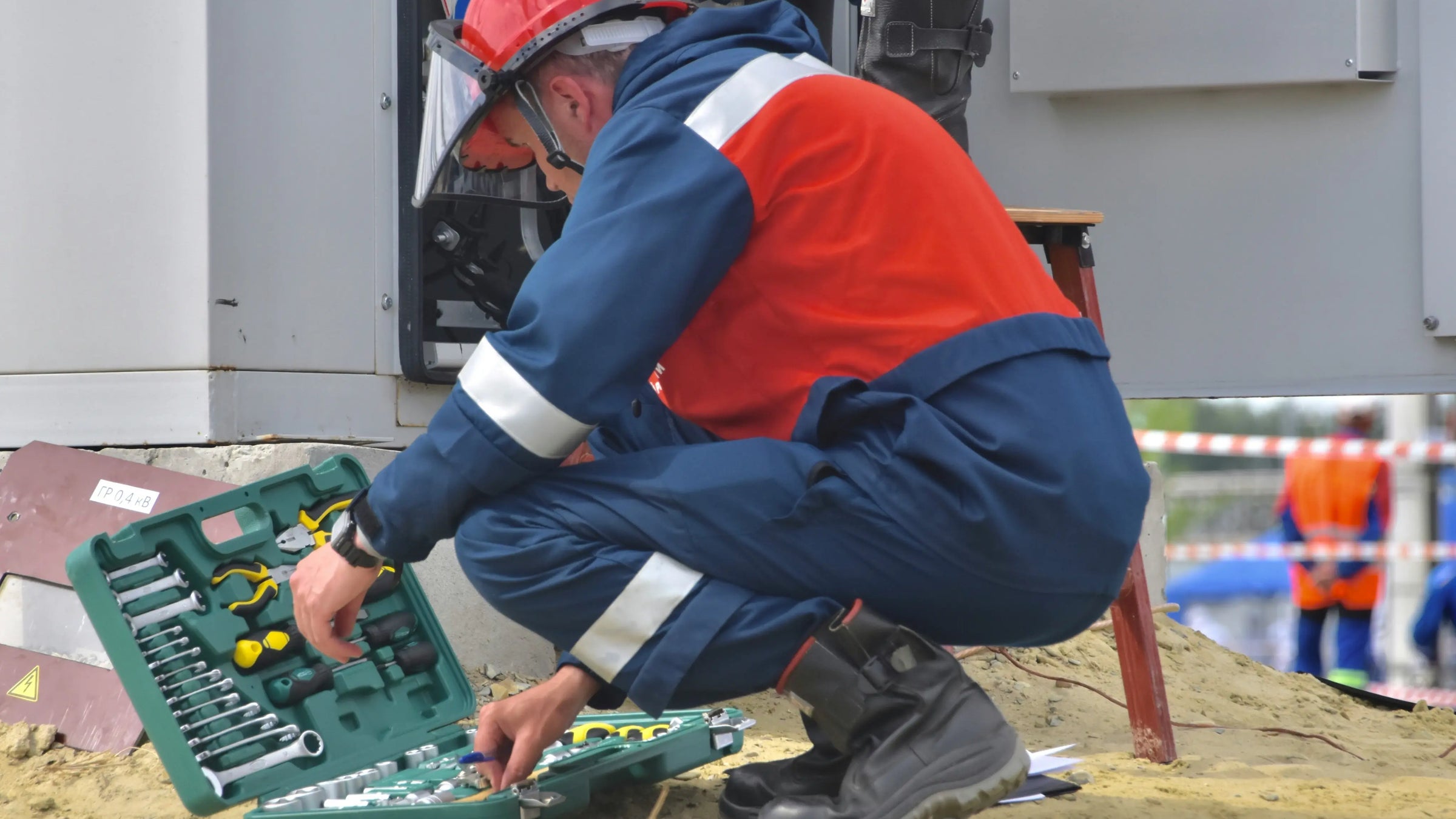
The role of a tooling maintenance technician is crucial in manufacturing and production industries. They ensure machines and tools work smoothly and efficiently. Their work helps avoid costly downtime and keeps operations running on time.
Tooling maintenance technicians handle various equipment, from simple tools to complex machinery. Their expertise prevents breakdowns and extends machine life. This role demands technical knowledge and hands-on skills to fix and maintain tools.
Key Responsibilities
- Inspect and test tools and equipment regularly
- Perform routine maintenance and repairs
- Diagnose mechanical problems quickly
- Calibrate machines to meet specifications
- Keep detailed maintenance records
- Follow safety protocols and standards
- Work with engineers to improve tooling systems
Skills And Qualifications
- Basic knowledge of mechanical systems
- Ability to use diagnostic tools and instruments
- Strong problem-solving skills
- Good hand-eye coordination and manual dexterity
- Understanding of safety regulations
- High school diploma or technical training
- Experience with CNC machines is a plus
Factors Influencing Salaries
Salaries for tooling maintenance technicians vary widely, influenced by several key factors. Understanding these elements can help you gauge your earning potential and identify areas to boost your value. Let’s break down what really shapes the paychecks in this field.
Experience And Expertise
Your hands-on experience directly affects your salary. Technicians with several years under their belt often command higher wages because they solve problems faster and require less supervision.
Specialized skills, like working with advanced machinery or programming CNC tools, can also increase your pay. Have you ever noticed how technicians who keep learning new skills tend to climb the salary ladder quicker?
Location Impact
Where you work plays a huge role in your income. Urban areas or regions with a strong manufacturing base usually offer better pay to tooling maintenance technicians.
Cost of living also matters. A salary that looks good in a small town might barely cover expenses in a big city. Are you willing to relocate for a higher salary?
Industry Variations
Different industries value tooling maintenance skills differently. For example, aerospace and automotive sectors often pay more due to the complexity and precision required.
On the other hand, smaller manufacturing setups might offer lower wages but could provide other perks like flexible hours. What industry fits your skills and salary expectations best?
Company Size And Type
Large companies generally have bigger budgets and can afford to pay their technicians more. They might also offer better benefits and career advancement opportunities.
Conversely, smaller businesses might offer a closer-knit environment but with lower pay. Think about what matters more to you—higher salary or work culture?
Salary Ranges And Averages
Understanding the salary ranges and averages for tooling maintenance technicians helps you set realistic career goals. Pay varies based on experience, skill level, and location. Knowing what to expect at different stages can guide your path and negotiations.
Entry-level Salaries
Entry-level tooling maintenance technicians typically earn between $35,000and $45,000per year. At this stage, you’re building your foundational skills and gaining hands-on experience.
Many companies offer training programs that can boost your starting salary quickly. Have you considered how apprenticeships or certifications could impact your initial pay?
Mid-level Salaries
With several years of experience, mid-level technicians can expect salaries ranging from $45,000to $65,000annually. This is the phase where your troubleshooting and maintenance skills become sharper.
Technicians who take on additional responsibilities or specialize in certain tools often see faster salary growth. What skills could you add now to move into this higher pay bracket?
Senior-level Salaries
Senior tooling maintenance technicians earn between $65,000and $85,000or more per year. At this level, you’re often managing complex systems and possibly leading teams.
Experience combined with leadership or technical certifications can push your earnings beyond the average. Could stepping into a supervisory role or becoming a subject matter expert be your next move?
Credit: www.betterteam.com
Top Paying Industries
Knowing which industries pay the most can help you target your job search and negotiate your salary better. Tooling maintenance technicians often find their salaries vary widely depending on the sector they work in. Let’s look at some of the top paying industries where your skills can bring the best rewards.
Manufacturing
The manufacturing sector relies heavily on tooling maintenance technicians to keep production lines running smoothly. Companies producing heavy machinery, industrial equipment, and consumer goods often offer competitive wages. You might see salaries boosted by overtime and bonuses tied to minimizing downtime.
Have you considered how working in a high-volume plant could increase your earning potential through shift differentials and hazard pay?
Automotive
Automotive manufacturers pay well for technicians who maintain complex tooling and robotic systems. High demand for precision and minimal errors means skilled technicians are highly valued. Salaries here are often supported by strong union agreements, especially at major car manufacturers.
Are you ready to work in a fast-paced environment where your expertise directly influences vehicle quality and safety?
Aerospace
The aerospace industry offers some of the highest wages for tooling maintenance technicians. Strict safety regulations and high-tech equipment require advanced skills and certifications. If you have experience with aerospace-grade materials and tooling, your pay can reflect that specialized knowledge.
Would you be interested in a career where your work contributes to cutting-edge technology and national security?
Electronics
Electronics manufacturing demands precision tooling maintenance to produce intricate components. Companies in this sector often pay well to attract technicians who can handle delicate machinery and minimize defects. Working here can also provide opportunities to learn about the latest manufacturing technologies.
How important is staying updated with evolving tech to you, and could that influence your salary prospects?
Benefits And Perks
Working as a Tooling Maintenance Technician offers more than just a paycheck. The benefits and perks that come with the job often play a big role in your overall satisfaction and financial security. Understanding these extras can help you see the full value of the position beyond the hourly wage or salary.
Health And Retirement Plans
Many employers provide solid health insurance packages for tooling maintenance technicians. These plans often include medical, dental, and vision coverage, which can save you a lot of money in the long run. Having reliable health benefits means you can focus on your work without worrying about unexpected medical bills.
Retirement plans like 401(k)s are frequently part of the compensation package. Employers may offer matching contributions, helping you build a nest egg faster. Have you checked how your current or potential employer supports your future financial stability?
Bonuses And Incentives
Bonuses are common in this field, especially when you meet or exceed maintenance targets or help reduce downtime. These extra payments can significantly boost your annual income. Some companies also offer performance-based incentives, such as rewards for innovative problem-solving or safety improvements.
Think about how these bonuses could motivate you to sharpen your skills and push for better results. Would a bonus for reducing machine failure by 10% encourage you to find smarter solutions?
Training And Development
Employers often invest in ongoing training to keep tooling maintenance technicians updated with the latest technologies. This investment not only improves your skills but also increases your value in the job market. You may gain certifications or attend workshops that make your daily work easier and more efficient.
Continuous learning opportunities can lead to promotions or higher pay. Are you taking full advantage of training programs offered by your employer? Staying proactive about your development can open doors you might not expect.

Credit: www.ziprecruiter.com
Career Growth Opportunities
Career growth opportunities for tooling maintenance technicians can significantly influence your earning potential and job satisfaction. Understanding how you can move up and improve your skills helps you plan your future better. Let’s break down the key areas where your career can grow and how that affects your pay.
Advancement Paths
Starting as a tooling maintenance technician, you can advance to roles like senior technician, supervisor, or maintenance manager. Each step up usually brings a higher salary and more responsibilities. Have you thought about which path suits your strengths best?
Some technicians move into specialized fields such as CNC programming or quality control, which can also increase income. Employers often value experience combined with proven leadership or technical skills. Showing initiative in your current role can open doors to these positions.
Certifications Impact
Certifications can make a big difference in how much you get paid. For example, earning a Certified Maintenance & Reliability Technician (CMRT) credential often leads to higher wages. Do you have certifications that set you apart?
Specific certifications related to hydraulics, pneumatics, or electrical systems add value to your profile. Employers prefer technicians who can troubleshoot a wider range of equipment. Investing time in certifications can pay off quickly in salary increases.
Skill Enhancement
Improving your technical skills keeps you competitive and relevant. Learning new software tools or advanced diagnostic techniques can make you indispensable. What new skills can you learn this year to boost your career?
Soft skills like communication and teamwork also matter. Being able to explain complex problems to non-technical staff can position you as a key player. Regularly updating your skill set can lead to raises and promotions faster than you might expect.
Negotiating Higher Salaries
Negotiating a higher salary as a tooling maintenance technician is more than just asking for more money. It requires preparation, confidence, and strategy. Understanding your worth and presenting it effectively can make a big difference in the outcome of your negotiation.
Market Research Tips
Start by gathering data on current salary trends for tooling maintenance technicians in your area. Use websites like Glassdoor, Payscale, and industry-specific forums to compare salaries based on experience, certifications, and location.
Consider factors such as company size and demand for your skills. Knowing this information helps you set a realistic salary target and shows your employer you’ve done your homework.
Effective Communication
Be clear and confident when discussing your salary expectations. Avoid vague statements; instead, use specific numbers backed by your research.
Listen carefully to your employer’s perspective and respond thoughtfully. Asking questions like, “What would it take to reach this salary level?” can open up a constructive dialogue.
Showcasing Achievements
Highlight your contributions that saved the company time or money, improved equipment uptime, or enhanced safety. Concrete examples prove your value beyond routine tasks.
Document your certifications, training, and any special projects you’ve led. This evidence strengthens your case and makes it harder for employers to say no.
Credit: auto.edu
Frequently Asked Questions
What Is The Average Salary Of A Tooling Maintenance Technician?
The average salary of a tooling maintenance technician ranges from $40,000 to $60,000 annually. Pay varies based on experience, location, and industry.
How Does Experience Affect Tooling Maintenance Technician Pay?
Experience significantly impacts pay. Entry-level technicians earn less, while those with 5+ years earn higher salaries due to advanced skills and expertise.
Which Industries Pay Tooling Maintenance Technicians The Most?
Automotive, aerospace, and manufacturing industries typically offer the highest salaries for tooling maintenance technicians due to specialized tooling demands.
What Skills Increase A Tooling Maintenance Technician’s Salary?
Skills like CNC programming, troubleshooting, and preventive maintenance boost earning potential. Advanced certifications also improve salary prospects.
Conclusion
Tooling maintenance technicians earn a competitive salary. Their pay varies by location and experience. Generally, skilled technicians enjoy job security. Demand remains steady in many industries. They play a crucial role in production efficiency. Investing in relevant skills can boost earnings.
Certifications often enhance job prospects. Staying updated with industry trends is beneficial. Overall, it’s a rewarding career choice. Financially and professionally.