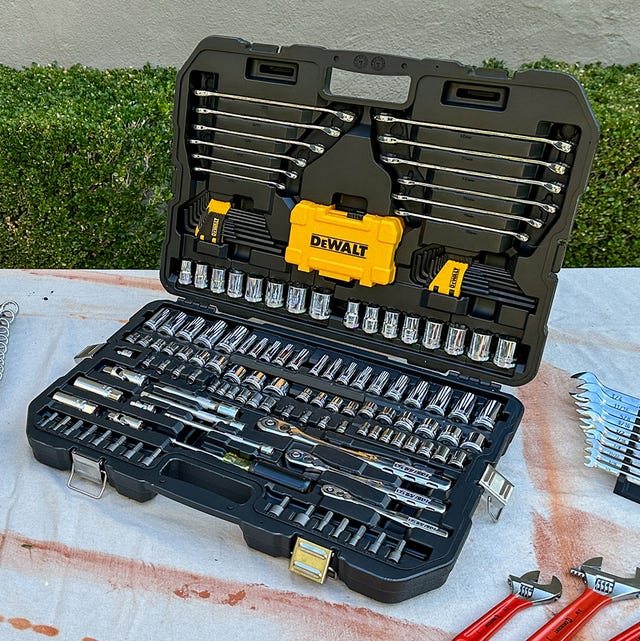
When it comes to keeping your home or workspace in top shape, having the right tools can make all the difference. Imagine fixing a leaky faucet or tightening a loose screw without the hassle of searching for the right tool.
With the must-have maintenance tools, you’ll save time, avoid frustration, and handle repairs like a pro. Ready to discover the essential tools that every toolbox needs? Keep reading, and unlock the secret to effortless maintenance and lasting results.
Credit: www.popularmechanics.com
Basic Hand Tools
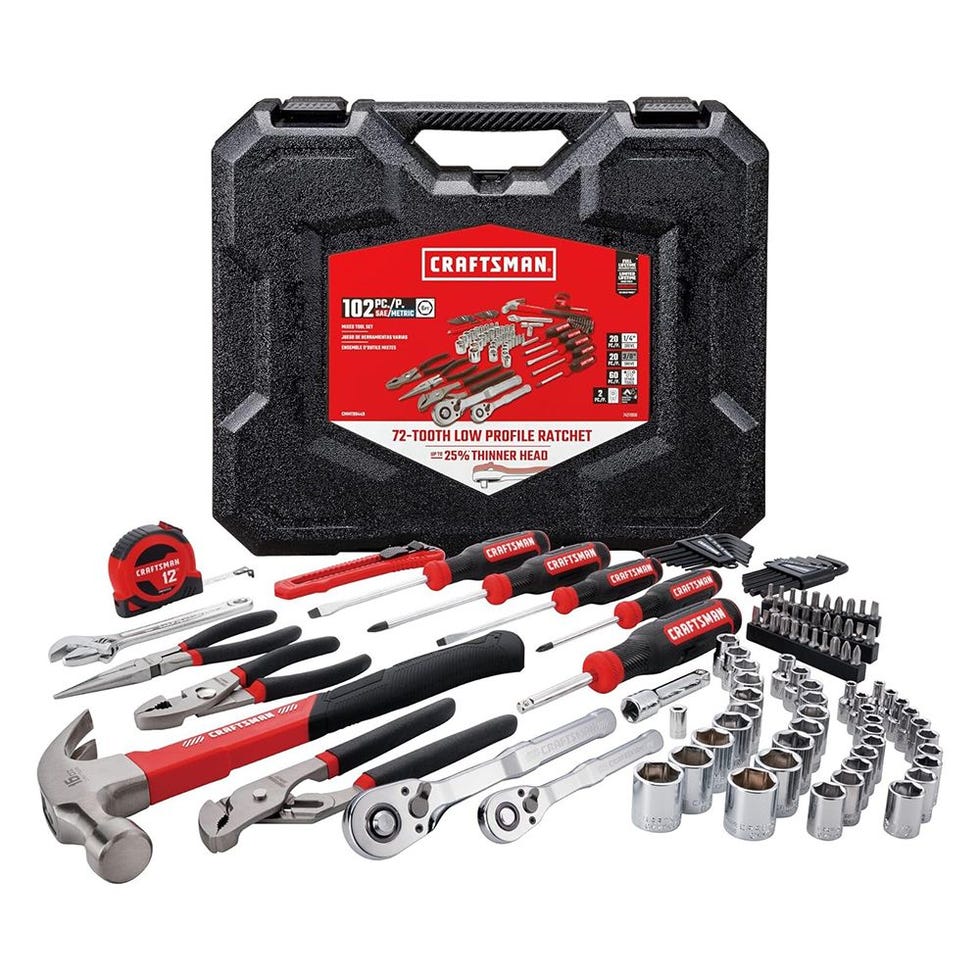
Basic hand tools form the foundation of every maintenance toolkit. They are essential for daily repairs and simple projects around the house. Having the right tools ready saves time and effort. These tools are easy to use and cover many tasks.
Screwdrivers And Their Types
Screwdrivers are vital for driving screws and opening battery compartments. They come in various types to fit different screw heads. The most common types include:
- Flathead – for screws with a single slot
- Phillips – for screws with a cross shape
- Torx – star-shaped, used in electronics and vehicles
- Pozidriv – similar to Phillips but offers better grip
Choosing the right screwdriver prevents damage to screws and tools.
Wrenches And Pliers
Wrenches and pliers help tighten or loosen nuts, bolts, and pipes. Wrenches come in fixed and adjustable forms. Adjustable wrenches fit multiple sizes, making them versatile. Pliers grip, twist, and cut wires or small objects. Common types include:
- Slip-joint pliers – adjustable for different widths
- Needle-nose pliers – for reaching tight spots
- Channel-lock pliers – strong grip for plumbing
These tools make gripping and turning tasks easier and safer.
Hammers And Mallets
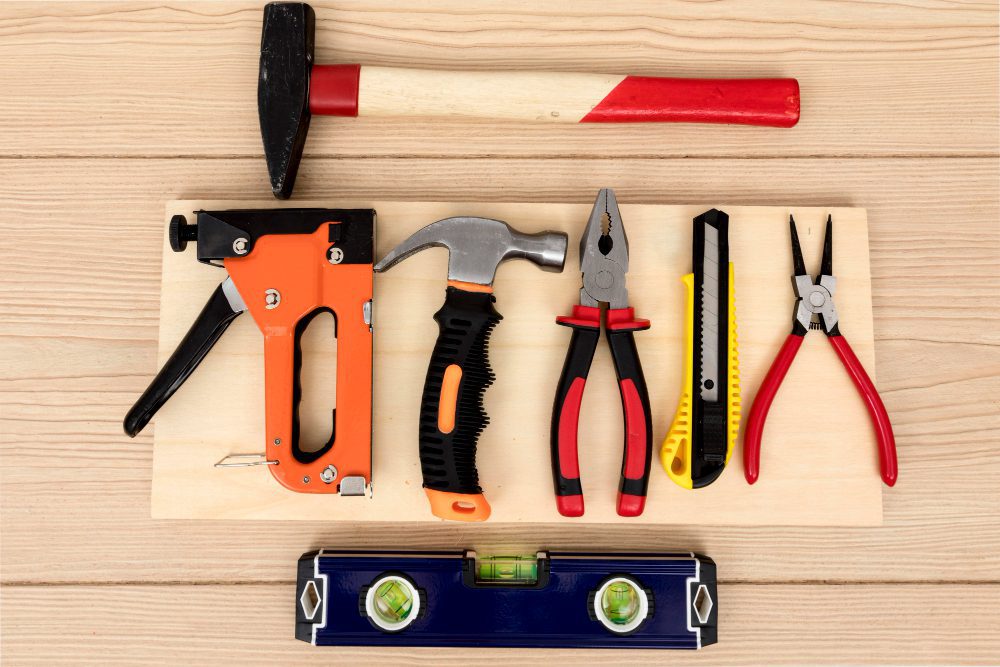
Hammers and mallets drive nails and shape materials. A claw hammer is most popular for driving and removing nails. Mallets use softer heads to avoid damaging surfaces. Types of hammers include:
- Claw hammer – good for carpentry and general use
- Ball-peen hammer – used in metalwork
- Rubber mallet – gentle tapping without marks
Selecting the right hammer ensures effective and safe work.
Credit: industrialshoppy.com
Power Tools Essentials
Power tools are the backbone of any effective maintenance toolkit. They save you time, effort, and often deliver more precise results than manual tools. Choosing the right power tools can transform your DIY projects and repairs, making tasks smoother and more enjoyable.
Cordless Drills
Cordless drills are a must-have for quick drilling and fastening jobs. Their portability means you can work anywhere without hunting for power outlets. Look for models with variable speed settings and a comfortable grip to make your work easier.
Have you ever struggled with a cord getting tangled while working? Cordless drills eliminate that hassle. Plus, many come with rechargeable batteries that last long enough for most home projects.
Jigsaws And Circular Saws
Cutting wood, plastic, or even metal requires precision and control. Jigsaws offer intricate cutting ability for curves and shapes, while circular saws handle straight cuts efficiently. Both tools complement each other perfectly in your toolkit.
If you’ve tried cutting complex shapes with a circular saw alone, you know how frustrating it can get. A jigsaw steps in where circular saws fall short. Choose blades designed for your material to get clean, accurate cuts every time.
Sanders And Grinders
Sanding and grinding smooth rough surfaces or remove old paint is essential for any maintenance job. Sanders speed up smoothing surfaces, while grinders handle tougher materials like metal or concrete. Having both ensures you can tackle a variety of tasks with confidence.
Think about your last sanding task—was it tiring to do it by hand? Power sanders reduce fatigue and provide even finishes. Grinders are also invaluable for sharpening tools and removing rust, extending the life of your equipment.
Measuring And Marking Tools
Measuring and marking tools are essential for any maintenance task. These tools help ensure accuracy and precision in your projects. They guide cuts, alignments, and placements to avoid costly mistakes.
Using the right measuring and marking tools saves time and improves the quality of work. Even small errors can cause big problems. Investing in good tools will make your tasks smoother and more efficient.
Tape Measures
Tape measures are versatile tools for measuring length and distance. They come in different lengths, usually from 10 to 30 feet. Their retractable metal tape allows quick and easy measurement.
Look for tape measures with clear markings and a locking mechanism. This helps hold the tape in place for accurate readings. A sturdy case protects the tape from damage during use.
Levels And Squares
Levels ensure surfaces are perfectly horizontal or vertical. They contain liquid-filled vials with bubbles that show alignment. Using levels prevents uneven installations and structural issues.
Squares help mark right angles for cutting and joining materials. Common types include carpenter’s squares and combination squares. These tools maintain accuracy in framing and layout tasks.
Marking Gauges
Marking gauges create precise lines parallel to edges. They use a sharp point or blade to score wood or metal surfaces. This tool helps maintain consistent measurements across multiple pieces.
Adjustable marking gauges offer flexibility for different widths. They improve accuracy in cutting and fitting parts together. Using marking gauges reduces guesswork and improves craftsmanship.
Safety Gear For Diyers
Safety gear is essential for every DIYer. It protects you from injuries that can happen even during simple tasks. Wearing the right gear lets you focus on your project without worrying about accidents.
Gloves And Eye Protection
Gloves shield your hands from cuts, splinters, and harsh chemicals. Choose gloves made for the task—leather for rough work, nitrile for handling chemicals.
Eye protection prevents dust, debris, and sparks from causing serious eye injuries. Safety goggles or glasses should fit well and be comfortable to wear for long periods.
Have you ever felt a sudden sting in your eye while sanding wood? That’s exactly what proper eye protection can stop.
Ear Protection
Loud power tools can damage your hearing over time. Ear plugs or earmuffs reduce noise levels and protect your ears.
Pick ear protection that blocks noise but still lets you hear important sounds around you. This balance helps you stay alert and safe.
Think about how noisy your drill or saw gets—do you want to risk hearing loss just to save a few dollars on gear?
Dust Masks And Respirators
Dust masks keep harmful particles out of your lungs during sanding, painting, or demolition. A simple disposable mask works for light dust.
For heavier fumes or fine dust, use a respirator with filters. This type of protection is crucial when working with toxic substances.
Ever noticed how dusty your workspace gets? Breathing that in can cause long-term health issues you won’t see right away.
Storage And Organization
Keeping your maintenance tools well stored and organized can save you hours of frustration. When tools have a designated place, you find what you need quickly and keep your workspace safe. How often have you lost time searching for a screwdriver or wrench? Smart storage solutions help you avoid that hassle entirely.
Toolboxes And Bags
Toolboxes and bags are essential for carrying and protecting your tools. Choose a sturdy toolbox with compartments that fit your most-used items. If you move around a lot during projects, a well-padded tool bag with multiple pockets keeps everything secure and easy to grab.
I once switched from a cluttered drawer to a compact toolbox with clear sections. The difference was immediate—I finished tasks faster because I wasn’t digging through piles of tools anymore. What kind of toolbox setup do you think would fit your work style best?
Wall Racks And Pegboards
Wall racks and pegboards free up floor space and keep tools visible. Pegboards let you hang tools where you can see and reach them instantly. You can customize hooks and holders to fit your tools perfectly.
Installing a pegboard transformed my workshop. No more piles of tools on benches or floors. If you have a small workspace, how could vertical storage improve your efficiency?
Labeling And Sorting
Labels are simple but powerful for quick identification. Use clear labels on drawers, bins, and shelves to sort tools by type or purpose. Sorting tools this way reduces guesswork and speeds up your workflow.
Try color-coded labels for different tool categories like electrical, plumbing, or mechanical. This visual cue helps you grab the right tool fast. Have you tried labeling your tools before? What was your experience?
Specialty Tools For Advanced Tasks
Specialty tools for advanced tasks are essential when routine maintenance just won’t cut it. These tools help you tackle complex jobs with precision and safety. Having the right specialty tools on hand can save time, reduce frustration, and improve the quality of your work.
Multimeters And Electrical Testers
Multimeters and electrical testers are crucial for anyone working with electrical systems. They measure voltage, current, and resistance, helping you pinpoint issues without guesswork. Using a multimeter correctly can prevent accidents and ensure your electrical repairs are spot on.
Have you ever struggled to find the cause of a power outage or a faulty outlet? These tools provide clear readings that guide your troubleshooting process. Investing in a quality multimeter is like having a reliable assistant for all your electrical tasks.
Pipe Wrenches And Plumbing Tools
Plumbing problems often require specific tools to handle tight spaces and stubborn fittings. Pipe wrenches offer the grip and leverage needed to loosen or tighten pipes without damage. Alongside pipe wrenches, tools like basin wrenches and plumber’s tape help you finish jobs efficiently.
Imagine trying to fix a leaking pipe with just a regular wrench—it’s a recipe for frustration. Specialty plumbing tools make those tricky tasks easier and protect your pipes from unnecessary wear. Do you have the right plumbing tools ready for emergencies?
Stud Finders And Inspection Cameras
Stud finders and inspection cameras help you see behind walls and into tight spaces without demolition. A stud finder locates framing studs, making it safer to hang heavy items or drill holes. Inspection cameras reveal hidden issues like mold, pests, or wiring problems inside walls.
Ever started a project only to hit a hidden pipe or wire? These tools help you avoid costly mistakes and unexpected repairs. What hidden problems might you discover with the right inspection tools at your side?
Maintenance Tips For Tools
Proper care of your maintenance tools extends their life and ensures they work well. Regular upkeep saves money and avoids frustration. Simple habits keep tools ready for any task.
Cleaning And Lubrication
Clean tools after every use to remove dirt and rust. Use a brush or cloth to wipe off debris. Dry tools thoroughly to prevent moisture damage.
Lubricate moving parts with light oil to keep them smooth. Oil stops rust and reduces wear. Apply oil sparingly and wipe off excess to avoid dust buildup.
Sharpening Blades
Dull blades make work harder and less safe. Sharpen blades regularly using a sharpening stone or file. Follow the original angle of the blade for best results.
Check blades for chips or cracks before sharpening. Replace damaged blades to avoid accidents. Keep blades sharp for clean, efficient cuts.
Proper Storage Practices
Store tools in a dry, cool place to avoid rust and damage. Use toolboxes or pegboards to keep tools organized and accessible.
Avoid piling tools together to prevent scratches and blunt edges. Hang tools with handles down to protect blades and tips.
Consider using silica gel packs or rust inhibitors in storage areas. These help control moisture and keep tools in good condition.
Credit: www.tomshardware.com
Frequently Asked Questions
What Are Essential Maintenance Tools For Every Home?
Essential maintenance tools include a hammer, screwdrivers, pliers, adjustable wrench, tape measure, and a utility knife. These tools handle most basic repairs and installations. Having them ensures quick fixes and saves money on professional help.
How Do I Choose The Best Maintenance Tools?
Choose tools based on durability, comfort, and versatility. Look for brands with good reviews and ergonomic designs. Prioritize tools that cover multiple tasks to maximize value and convenience.
Why Is A Multitool Important For Maintenance Tasks?
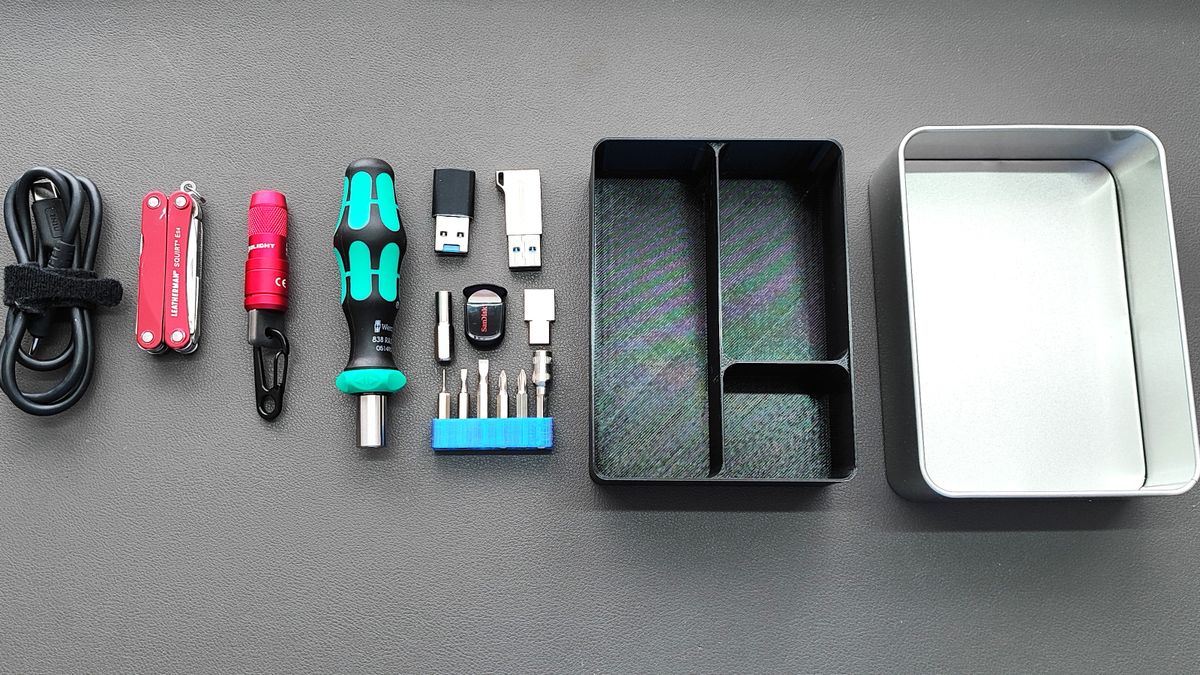
A multitool combines several tools in one compact device. It saves space and is handy for quick fixes. Its versatility makes it ideal for unexpected maintenance needs.
How Often Should I Update My Maintenance Tool Kit?
Update your tool kit every 1-2 years or when tools show wear. Regular updates ensure safety and efficiency. New tools may also offer improved features for better performance.
Conclusion
Having the right maintenance tools saves time and effort. These tools ensure your home or workspace remains in top condition. Regular upkeep prevents costly repairs. Remember to choose quality tools for durability. A well-equipped toolbox makes every task manageable. Investing in essential tools pays off in the long run.
Simple tools can handle most repair needs. Keep your tools organized for easy access. Maintenance becomes straightforward and less stressful. Equip yourself today for a hassle-free future.