Have you ever wondered who keeps the tools you rely on every day in perfect shape? Tool crib maintenance and assembly workers play a crucial role behind the scenes, making sure everything runs smoothly.
If you want to know exactly what these workers do and why their job matters, you’re in the right place. By the end of this article, you’ll see how their work impacts your daily life and why it’s worth paying attention to.
Keep reading to discover the essential tasks and skills involved in this important role.
Credit: storage.stanleyblackanddecker.com
Tool Crib Maintenance Basics
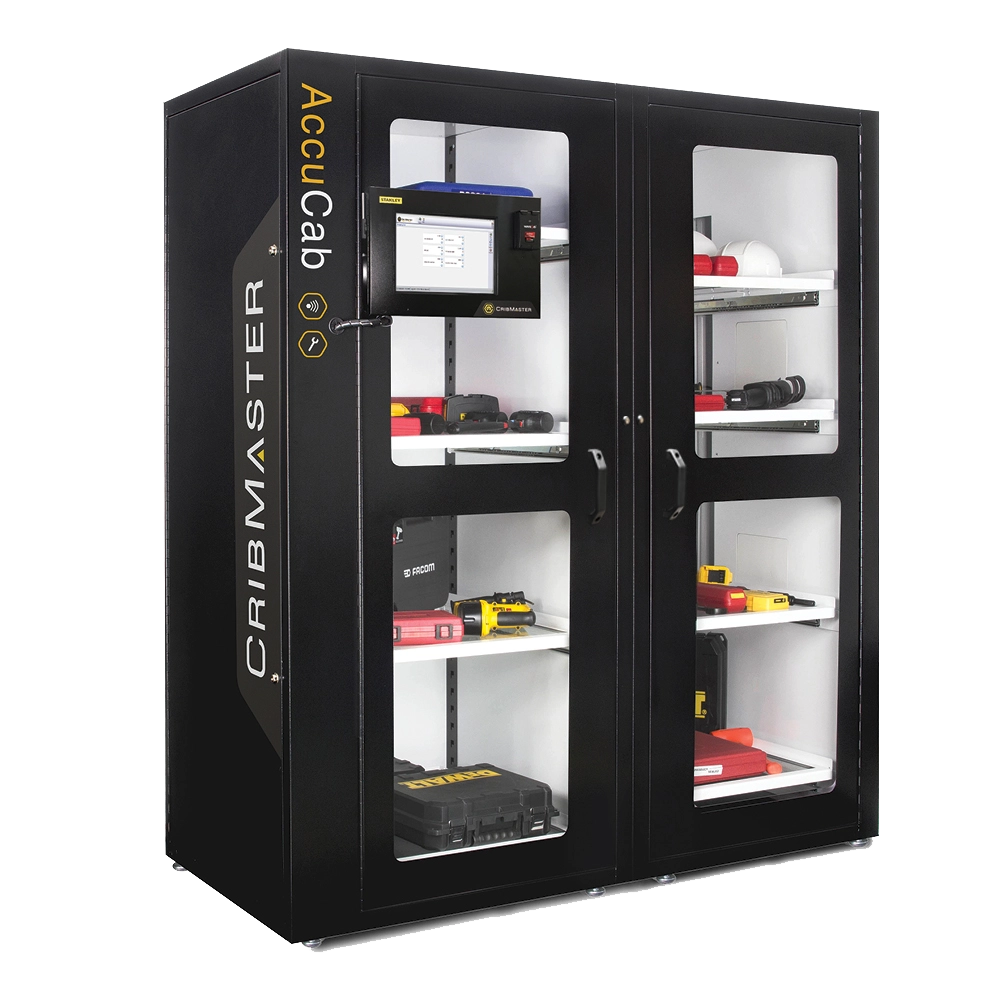
Tool crib maintenance basics are essential for smooth operations in any workshop or factory. These workers keep tools organized, safe, and ready to use. Their efforts prevent delays and help maintain a productive workplace.
Daily Tasks And Responsibilities
Tool crib workers start each day by checking tool conditions. They clean, organize, and prepare tools for use. They also track tool check-outs and returns. This helps avoid loss and damage. Communication with other teams is key to meet their tool needs.
Tool Inspection And Repair
Inspecting tools is vital to safety and performance. Workers look for wear, damage, or defects. Minor repairs are done immediately to extend tool life. If repairs are complex, tools are sent to specialists. Regular checks reduce accidents and keep tools reliable.
Inventory Management
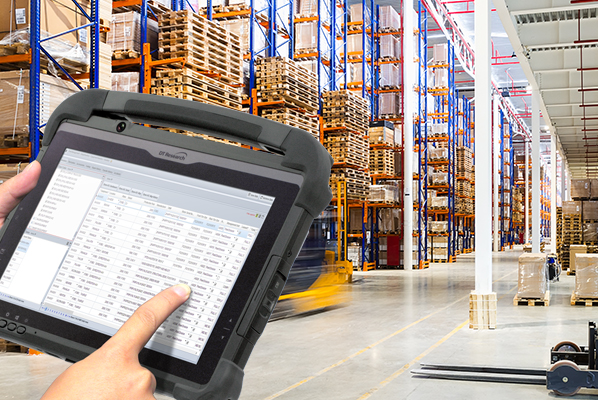
Managing inventory means keeping accurate counts of all tools. Workers update records after every tool use. They reorder supplies before stock runs low. Proper inventory prevents downtime and saves money. Good organization also speeds up tool retrieval.
Credit: xerafy.com
Assembly Worker Duties
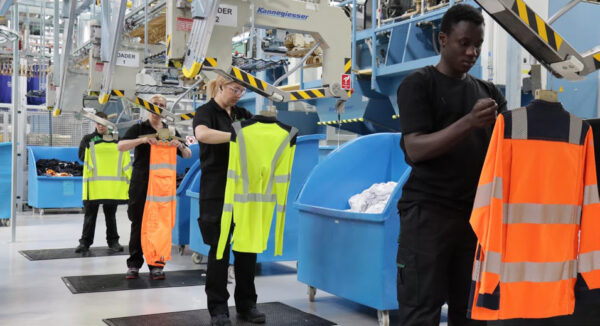
Assembly workers play a key role in creating products by putting parts together. Their duties cover several important tasks. These tasks ensure that the final product meets set standards and works correctly. Assembly workers must follow instructions closely and work carefully to avoid mistakes.
Component Preparation
Assembly workers start by gathering all needed parts. They check each component for damage or defects. Workers organize tools and materials for smooth workflow. Proper preparation helps prevent delays and errors during assembly. It also keeps the workspace safe and efficient.
Assembly Line Operations
Workers join parts according to design specifications. They use hand tools or machines to fit pieces precisely. Assembly lines move at a steady pace to meet production goals. Workers must stay focused to maintain quality and speed. Teamwork is important to keep the line running smoothly.
Quality Control Checks
Assembly workers inspect their work to catch problems early. They look for alignment, fit, and function issues. Any defects found are reported or fixed immediately. Maintaining quality reduces waste and customer complaints. Regular checks ensure each product is reliable and safe.
Safety Procedures
Safety procedures are vital in the daily work of tool crib maintenance and assembly workers. These workers handle many tools and equipment, which can be dangerous if not managed properly. Strict safety rules keep the workplace secure and reduce accidents. Clear guidelines help workers stay alert and cautious while performing their tasks.
Handling Tools Safely
Workers must use tools correctly to avoid injuries. Each tool has specific instructions for safe use. Protective gear like gloves and goggles is essential. Tools should be inspected before use to find any damage. Proper storage prevents tools from falling or causing harm. Training on tool handling is a must for all workers.
Workplace Hazard Prevention
Identifying risks helps prevent accidents in the tool crib. Floors must be clean and free of spills or debris. Sharp objects need special containers for disposal. Clear labels on toolboxes and shelves reduce confusion. Regular checks ensure machines and tools work safely. Workers should report unsafe conditions immediately.
Emergency Protocols
Knowing what to do in emergencies saves lives. Workers learn how to respond to fires, cuts, or electrical shocks. Emergency exits must be visible and unobstructed. First aid kits should be easy to find and fully stocked. Regular drills prepare workers for quick, calm reactions. Communication devices must be available to call for help fast.
Credit: xerafy.com
Skills And Qualifications
Tool crib maintenance and assembly workers need a unique set of skills and qualifications. These skills ensure they handle tools and equipment safely and efficiently. Understanding their technical knowledge and problem-solving abilities is key.
Technical Skills Required
Workers must know how to operate and maintain various tools. They should understand inventory systems to track tools properly. Basic mechanical skills help in assembling and repairing equipment. Familiarity with safety standards is essential to prevent accidents.
Certifications And Training
Many employers require specific certifications for tool handling and safety. Training programs teach proper tool usage and maintenance techniques. Forklift operation or first aid certifications can improve job prospects. Continuous learning keeps workers updated on new tools and technology.
Problem-solving Abilities
Workers often face unexpected equipment issues. They need to diagnose problems quickly and find solutions. Critical thinking helps in managing tool shortages or malfunctions. Good communication skills aid in reporting and resolving issues efficiently.
Collaboration And Communication
Collaboration and communication form the backbone of a tool crib maintenance and assembly worker’s daily tasks. These workers rely on clear, timely exchanges of information to keep tools organized, maintained, and ready for use. Good teamwork and open communication channels prevent errors, reduce downtime, and ensure smooth operations.
Working With Team Members
Tool crib workers coordinate closely with each other. They share updates about tool status and availability. Helping teammates find the right tools quickly is essential. They discuss problems and suggest solutions together. This teamwork increases efficiency and keeps the work environment safe.
Reporting And Documentation
Accurate records are crucial for tracking tool use and maintenance. Workers log tool check-outs and returns carefully. They report damaged or missing tools immediately. Proper documentation helps prevent tool loss and keeps inventory current. Clear reports also assist supervisors in planning repairs and replacements.
Coordinating With Other Departments
Tool crib workers communicate with production and maintenance teams daily. They understand the needs of different departments. Delivering the right tools on time keeps projects on track. Sharing information about tool conditions avoids delays. This coordination supports overall facility productivity and safety.
Challenges In The Role
Working as a tool crib maintenance and assembly worker involves more than just handing out tools or fixing machines. You face daily challenges that test your problem-solving skills and ability to stay calm under pressure. Understanding these challenges can help you prepare better and improve your performance on the job.
Managing Equipment Downtime
Equipment downtime can disrupt the entire workflow. When a tool or machine breaks down, you must quickly identify the issue and arrange for repairs or replacements. Your ability to act fast minimizes production delays and keeps the team moving.
Have you ever had to find a backup tool in seconds because the main one failed? That split-second decision can make all the difference between a smooth shift and a costly hold-up. Staying organized and knowing your inventory inside out helps you handle these moments effectively.
Meeting Production Deadlines
Deadlines are constant pressure points in this role. You need to ensure that all tools and assemblies are ready and available exactly when the production team needs them. A delay on your end can push the entire schedule back, affecting overall output.
One practical approach is prioritizing tasks based on urgency and impact. Keep clear communication with production teams to anticipate demands. Have you tried daily check-ins or quick status updates? They can prevent last-minute surprises.
Adapting To New Technologies
Technology in manufacturing keeps evolving, and so do the tools and equipment you work with. Staying updated with new systems, software, or machinery is essential to keep your skills relevant. It can be challenging but also rewarding when you master a new tool that improves efficiency.
Think about the last time you had to learn a new tool management software or assembly technique. How did you approach the learning curve? Embracing continuous learning and seeking hands-on practice can make adapting less intimidating and more productive.
Frequently Asked Questions
What Are The Main Duties Of Tool Crib Maintenance Workers?
Tool crib maintenance workers manage and organize tools, perform regular inspections, and repair or replace damaged equipment. They ensure tools are available and in good condition for assembly workers, maintaining workplace safety and efficiency.
How Do Assembly Workers Use Tools In Manufacturing?
Assembly workers use tools to fit, join, and secure parts during production. They follow specifications and safety protocols to assemble products accurately and efficiently, ensuring high-quality output.
Why Is Tool Crib Maintenance Important In Factories?
Tool crib maintenance prevents equipment breakdowns and production delays. Proper tool management improves safety, reduces costs, and ensures smooth workflow in manufacturing environments.
What Skills Are Needed For Tool Crib Maintenance Jobs?
Key skills include organization, attention to detail, mechanical knowledge, and safety awareness. Communication and inventory management skills are also important for efficient tool handling.
Conclusion
Tool crib maintenance and assembly workers play crucial roles. They ensure tools and equipment are in top shape. Regular checks prevent costly downtime and accidents. Their skills keep operations smooth and efficient. Without them, projects can face delays. Every tool they maintain supports productivity.
Their work requires attention to detail and precision. They ensure everything is ready for use. Their contribution is invaluable to any team. Maintaining tools means maintaining success. Understanding their role highlights their importance. Appreciate their effort and expertise. They are key to seamless operations.
Their work impacts every project positively.