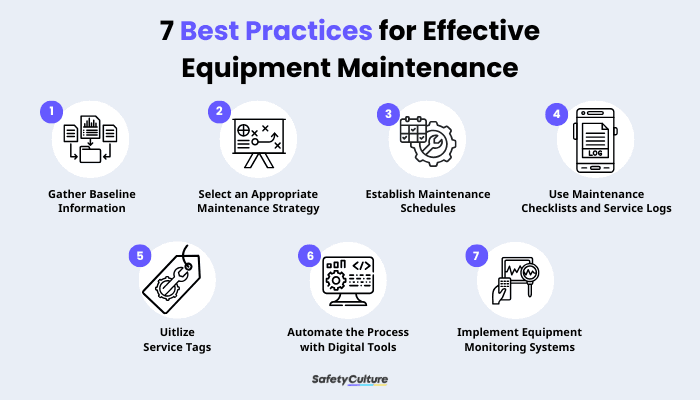
Have you ever wondered why your tools and equipment don’t last as long as you expect? Or why they sometimes fail right when you need them most?
The secret lies in maintenance. Taking care of your tools isn’t just about cleaning them—it’s about protecting your investment, saving time, and avoiding costly repairs. You’ll discover why maintenance is crucial, how it benefits you directly, and simple steps you can take to keep your equipment working like new.
Keep reading, because what you learn here could save you a lot of trouble—and money—in the future.
Importance Of Tool Maintenance
Proper maintenance of tools and equipment is essential to keep them functioning well over time. Without regular care, even the best tools can fail when you need them most. Taking a few simple steps to maintain your tools can save you money, time, and frustration in the long run.
Extending Tool Lifespan
Regular maintenance helps your tools last much longer than if you neglect them. Simple actions like cleaning, lubricating, and tightening parts prevent wear and tear. Have you ever noticed how a rusty saw blade loses its sharpness quickly? That’s why a little upkeep goes a long way in preserving your investment.
Imagine replacing a power drill every year versus using one for several years. Which option makes more sense for your budget and workload? Proper care can turn a short-term tool into a reliable long-term companion.
Ensuring Safety During Use
Safety should be your top priority when handling any tool or equipment. Tools that are worn out or damaged increase the risk of accidents. For example, a loose blade on a circular saw can cause serious injuries.
Maintaining your tools includes checking for cracks, loose screws, and worn-out parts before use. Are you confident your tools won’t fail when you need them most? Taking a few extra minutes to inspect and maintain them can protect you and those around you.
Improving Performance And Efficiency
Well-maintained tools perform better and help you complete tasks faster. A sharp blade, clean drill bit, or properly oiled mechanism reduces the effort you need to put in. Have you ever struggled with a tool that just didn’t work right? It slows you down and makes your work harder than it needs to be.
Keeping your equipment in good shape means less frustration and better results every time. You’ll notice smoother operation, more accurate cuts, and less downtime fixing problems. Isn’t it worth a little maintenance to get the best performance from your tools?
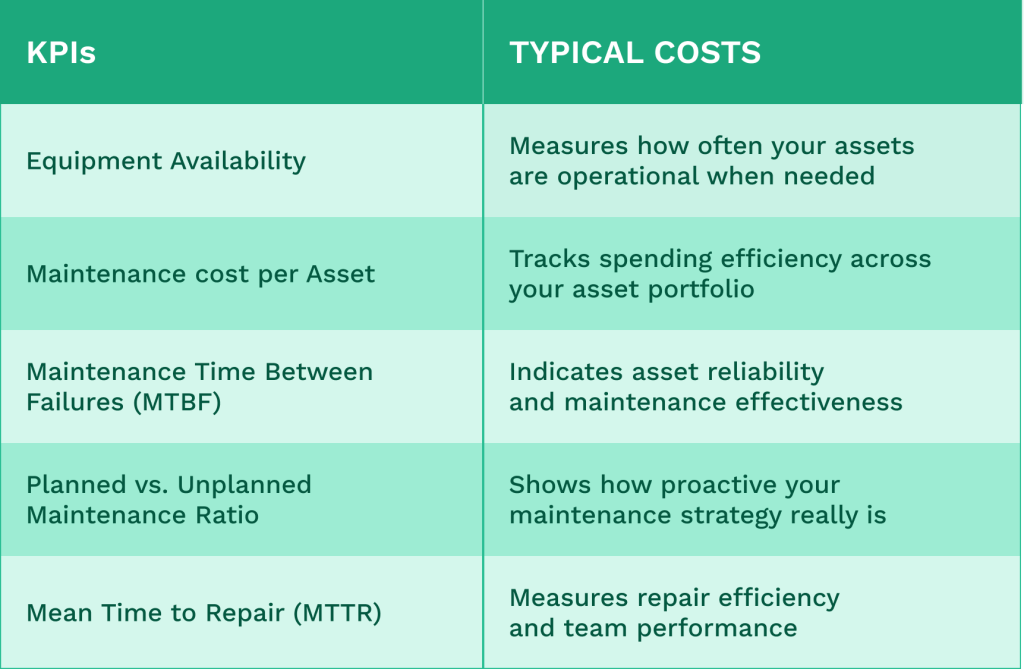
Credit: worktrek.com
Common Types Of Tool Maintenance
Regular maintenance keeps tools and equipment working well. It helps avoid breakdowns and extends their life. Different types of maintenance focus on various needs. Each type plays a key role in ensuring safety and efficiency.
Cleaning And Lubrication
Cleaning removes dirt, dust, and debris from tools. This prevents damage and keeps parts moving smoothly. Lubrication reduces friction between moving parts. It stops wear and tear and keeps tools running quietly. Both cleaning and lubrication help tools last longer.
Inspection And Repair
Inspection checks tools for damage or wear. Regular checks catch small problems early. Repair fixes broken or worn parts quickly. This avoids bigger issues and costly replacements. Inspection and repair keep tools safe and reliable.
Calibration And Adjustment
Calibration ensures tools measure accurately. It is important for precision tasks. Adjustment fine-tunes tools to work correctly. This improves performance and results. Calibration and adjustment maintain tool accuracy and quality.
Signs Tools Need Maintenance
Recognizing the signs that your tools and equipment need maintenance can save you from costly repairs and downtime. Paying attention to these warning signals early on helps you keep everything running smoothly and safely. Let’s look at some clear indicators that your tools require attention.
Visible Wear And Tear
Check your tools regularly for cracks, rust, or broken parts. Worn-out grips, frayed cords, or chipped blades are easy to spot but often ignored. These signs show that the tool is under stress and might fail soon if you don’t act.
I once ignored a small crack on a power drill’s casing, thinking it was minor. It wasn’t until the drill stopped working mid-job that I realized how important addressing visible damage is. Don’t let small issues grow into big problems.
Decreased Performance
Have you noticed your tool working slower or less efficiently than usual? If your lawnmower struggles to cut evenly or your drill takes longer to drill holes, it’s time for maintenance. Reduced performance often means internal parts are wearing out or need lubrication.
Ask yourself: Are you putting in extra effort to get the same results? Ignoring this can make your tasks harder and damage the tool further. Regular tune-ups keep your equipment sharp and reliable.
Unusual Noises Or Vibrations
Strange sounds or shaking while using tools are clear red flags. Grinding, squeaking, or rattling noises often point to loose or broken components. Excessive vibration can also indicate imbalance or worn bearings.
One day, my circular saw started making a loud grinding noise. I stopped using it immediately and found a loose blade causing the problem. Listening to your tools can prevent accidents and expensive fixes.
Essential Maintenance Tips
Maintaining your tools and equipment isn’t just about extending their life; it’s about ensuring safety and efficiency every time you use them. Essential maintenance tips help you keep everything in top shape without wasting time or money on unexpected repairs. Are you ready to take control of your tools and make them work better for you?
Regular Cleaning Routine
Dust, dirt, and grease can build up quickly on your tools, causing them to wear out faster. Wiping them down after each use prevents grime from damaging sensitive parts. Even simple steps like using a brush or compressed air to clean hard-to-reach areas can make a big difference.
Think about the last time you found a rusty screwdriver in your toolbox. A quick clean and some oil could have saved it from that fate. How often do you clean your tools?
Proper Storage Practices
Where you store your tools affects their condition more than you might expect. Keeping them in a dry, organized space prevents rust and accidental damage. Using toolboxes, racks, or pegboards not only protects your tools but also makes them easier to find.
Imagine reaching for a drill only to discover it’s been damaged because it was tossed in a pile. Proper storage avoids this frustration and saves time on your projects.
Scheduled Inspections
Regularly checking your tools helps catch small issues before they turn into costly problems. Look for signs of wear, loose parts, or unusual noises during use. Setting reminders for inspection keeps you consistent and proactive.
Have you ever had a tool break down in the middle of a job? A quick inspection beforehand might have prevented that. What could you spot with a closer look?
Using Correct Replacement Parts
When parts wear out, replacing them with the right components is crucial. Generic or mismatched parts can cause malfunction or even damage the entire tool. Always refer to the manufacturer’s guidelines to find compatible replacements.
Using the correct parts ensures your tools perform as expected and maintain their safety standards. Are you confident your replacement parts match your tools perfectly?
Consequences Of Neglecting Maintenance
Ignoring maintenance for your tools and equipment can lead to serious problems that affect your work and budget. Small issues can quickly grow into bigger, more expensive ones. Understanding these consequences can help you see why regular upkeep is not just a good idea but a necessity.
Increased Repair Costs
When you skip maintenance, minor wear and tear go unnoticed. This allows small faults to turn into major breakdowns. Repairing a completely broken tool often costs much more than fixing a simple problem early on.
Imagine a drill bit that’s slightly dull. If you don’t sharpen it, the drill motor has to work harder and might burn out. Replacing the motor is far more expensive than replacing or sharpening the bit.
Risk Of Accidents
Neglected tools can become dangerous. Worn-out blades, loose parts, or faulty wiring increase the chance of accidents. You might think a simple tool won’t cause harm, but faulty equipment can injure you or others.
Consider a ladder with a cracked step or a power tool with frayed cords. Using these puts you at risk. Are you willing to take that chance when safety is at stake?
Reduced Productivity
Broken or poorly maintained tools slow down your work. You spend more time fixing equipment or working around its limitations. This eats into your schedule and lowers the quality of your output.
Think about how frustrating it is when a saw blade slips or a wrench doesn’t fit properly because it’s damaged. These small setbacks add up and reduce how much you can get done in a day.
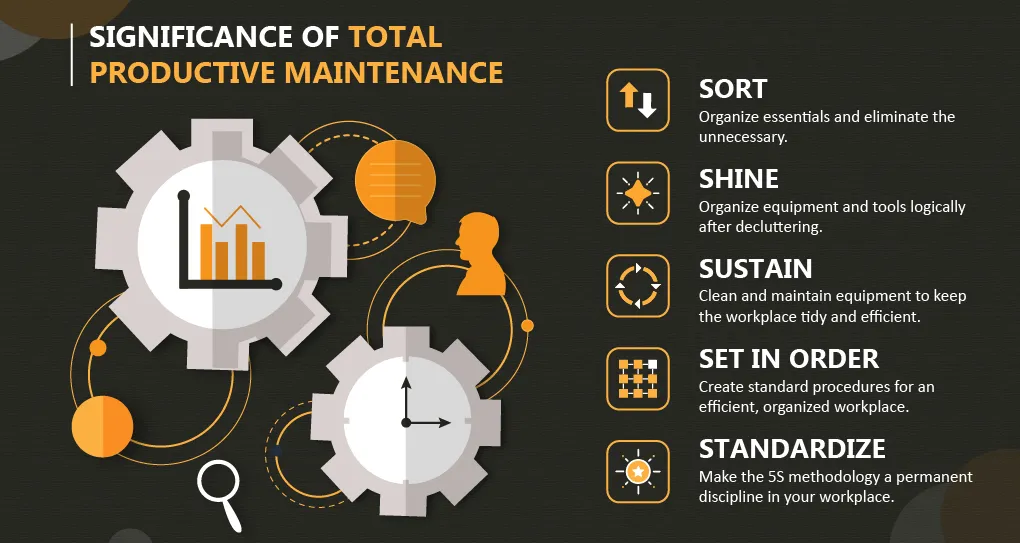
Credit: www.propelapps.com
Tools And Equipment Maintenance Checklist
Keeping tools and equipment in good shape requires a clear checklist. A maintenance checklist helps you track tasks easily. It reduces breakdowns and extends the life of your tools. Regular checks also improve safety and work quality. The checklist splits tasks into daily, weekly, and monthly routines. This way, maintenance stays organized and manageable.
Daily Tasks
- Clean tools after use to remove dirt and debris.
- Check for visible damage or wear on equipment.
- Lubricate moving parts to keep them running smoothly.
- Inspect power cords and plugs for any cuts or frays.
- Store tools in a dry, safe place to avoid rust.
Weekly Tasks
- Tighten loose screws, bolts, and fasteners.
- Test equipment functionality for proper operation.
- Sharpen blades and cutting edges if needed.
- Clean filters and vents to prevent clogging.
- Check battery levels and recharge rechargeable tools.
Monthly Tasks
- Inspect internal parts for wear and replace if necessary.
- Perform deep cleaning on tools and equipment.
- Review maintenance records and update the checklist.
- Calibrate measuring devices for accuracy.
- Schedule professional servicing for complex machinery.

Credit: www.scribd.com
Frequently Asked Questions
What Is The Purpose Of Tool Maintenance?
Tool maintenance ensures tools function optimally and safely. Regular upkeep prevents unexpected breakdowns and extends their lifespan. It also enhances efficiency, which can save time and costs. Proper maintenance reduces the risk of accidents, ensuring safety for users. Overall, maintenance is essential for optimal performance and longevity.
How Often Should Tools Be Maintained?
The frequency of maintenance depends on usage and tool type. Generally, tools should be checked after every use. For tools used daily, a weekly or monthly inspection is advisable. Always refer to the manufacturer’s guidelines. Regular maintenance prevents issues and ensures tools remain in top condition.
What Are The Benefits Of Equipment Maintenance?
Equipment maintenance offers multiple benefits, including extended lifespan and improved efficiency. It reduces the likelihood of unexpected failures, saving time and money. Regular maintenance ensures safety, preventing accidents. It also maintains the equipment’s value and effectiveness, providing a reliable performance when needed.
How Does Maintenance Prevent Equipment Breakdown?
Regular maintenance identifies and fixes potential issues early. This proactive approach prevents minor problems from becoming major failures. By addressing wear and tear promptly, maintenance ensures equipment runs smoothly. It reduces downtime, enhancing productivity. Preventative maintenance is key to avoiding unexpected breakdowns and costly repairs.
Conclusion
Regular maintenance keeps tools and equipment working well. It saves money by preventing big repairs. Tools last longer with simple care. Safe use of equipment reduces accidents. You avoid delays caused by broken tools. Small checks can catch problems early.
Good maintenance helps everyone do their job better. Taking time for upkeep protects your investment. It’s a smart habit for any worker or owner. Keep tools ready and reliable every day.