Are you ready to make your industrial maintenance tasks easier and more efficient? Having the right tools at your fingertips can save you time, reduce stress, and prevent costly downtime.
Whether you’re fixing machinery, performing routine checks, or handling emergency repairs, the right equipment is your best ally. You’ll discover the must-have tools that every industrial maintenance professional should own. Keep reading to find out how these tools can transform your work and boost your productivity like never before.
Hand Tools For Daily Tasks
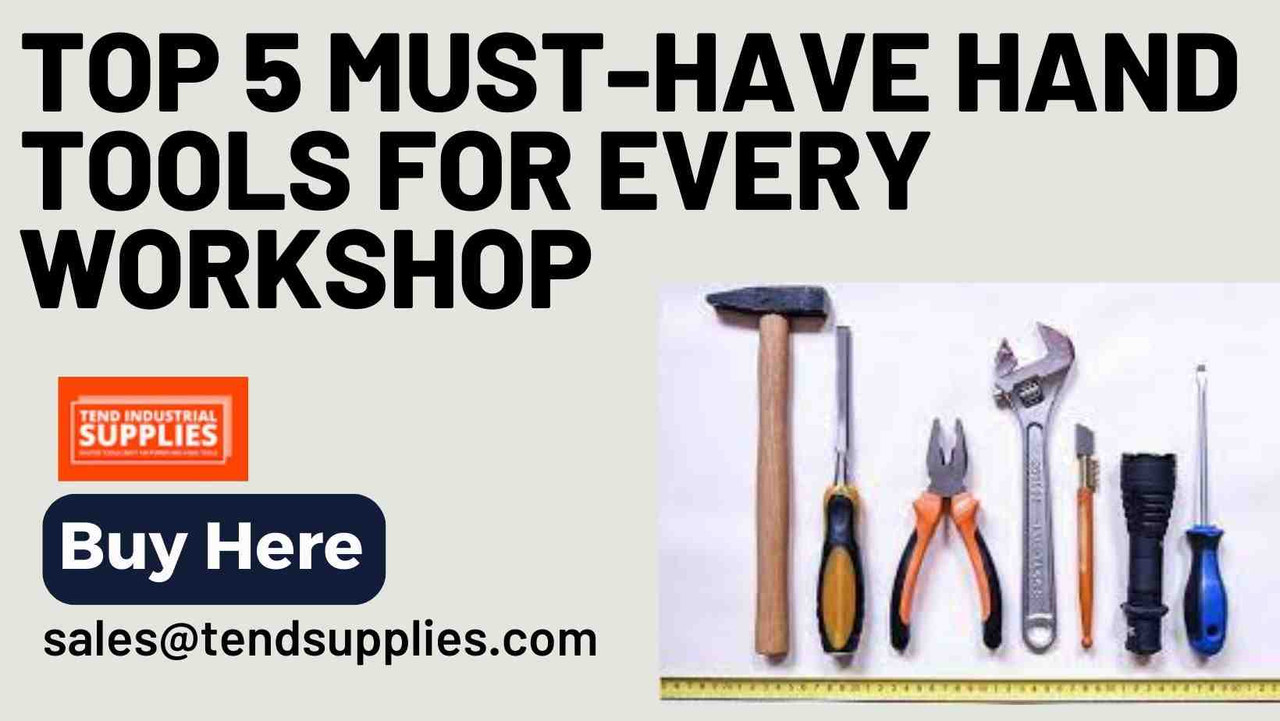
Hand tools are the backbone of industrial maintenance. They help you handle daily tasks efficiently and keep operations running smoothly. Having the right set of hand tools at your disposal can save time and reduce frustration when fixing equipment or making adjustments.
Wrenches And Spanners
Wrenches and spanners are essential for loosening and tightening nuts and bolts. Having a variety of sizes ensures you’re prepared for different fittings, from small screws to large machinery bolts.
Adjustable wrenches add flexibility, letting you tackle multiple sizes without carrying extra tools. Ever struggled with a stuck bolt? A long-handled wrench can give you the extra leverage you need.
Screwdrivers And Nut Drivers
Screwdrivers come in many shapes: flathead, Phillips, and more. Choosing the right type protects screw heads from damage and makes your job easier.
Nut drivers work like screwdrivers but are designed for hexagonal nuts. They offer a quicker, more precise grip, especially in tight spaces where a wrench might be cumbersome.
Hammers And Mallets
Hammers are more than just for nails; they help with alignment and gentle tapping during assembly or disassembly. A claw hammer is versatile, but a ball-peen hammer is better suited for metalwork.
Mallets, usually made of rubber or wood, deliver softer blows without damaging surfaces. Have you noticed how a mallet can fix a misaligned part without leaving marks?
Pliers And Cutters
Pliers let you grip, twist, and bend wires or small components with precision. Needle-nose pliers reach tight spots, while slip-joint pliers adjust to different widths.
Cutters are indispensable for trimming wires and cables quickly. Quality cutting tools ensure clean cuts, which is crucial for electrical and mechanical maintenance.
Power Tools To Boost Productivity
Power tools play a vital role in industrial maintenance. They speed up work and reduce effort. Using the right tools saves time and improves safety. This section covers key power tools that boost productivity in maintenance tasks.
Cordless Drills And Impact Drivers
Cordless drills and impact drivers offer great flexibility. No cords limit movement. They work well in tight spots and high locations. Impact drivers deliver extra torque for tough bolts and screws. These tools make drilling and fastening faster and easier.
Angle Grinders And Sanders
Angle grinders cut, grind, and polish metal and other materials. They help remove rust and paint quickly. Sanders smooth rough surfaces for better finishes. Both tools improve surface preparation speed. They ensure cleaner and safer work areas.
Power Saws And Cutters
Power saws and cutters handle large cutting jobs. They slice through metal, wood, and plastic with precision. These tools reduce manual labor and increase accuracy. Using them speeds up installation and repair tasks greatly.
Air Compressors And Pneumatic Tools
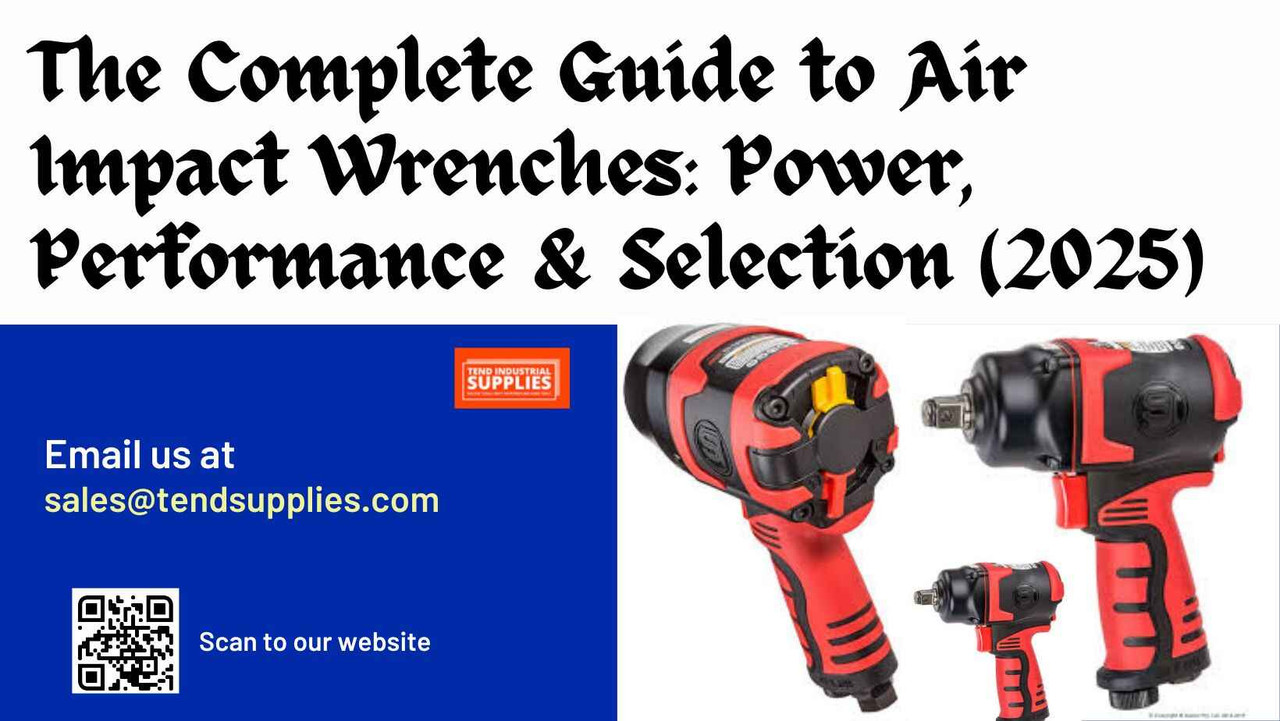
Air compressors power many pneumatic tools. These tools include nail guns, wrenches, and spray guns. Pneumatic tools are lightweight and strong. They deliver consistent power for demanding jobs. Air tools reduce worker fatigue and improve efficiency.
Measuring And Diagnostic Instruments
Measuring and diagnostic instruments are essential for keeping industrial equipment running smoothly. They help you spot issues early, avoid costly downtime, and maintain safety standards. Using the right tools means you get accurate data to make better decisions fast.
Multimeters And Voltage Testers
Multimeters are your go-to devices for checking electrical values like voltage, current, and resistance. They’re simple to use but provide crucial information about circuit health. Voltage testers, on the other hand, quickly tell you if a wire or device is live, helping you avoid shocks and accidents.
If you’ve ever had to troubleshoot a machine that suddenly stopped working, you know how valuable a reliable multimeter can be. It lets you pinpoint faulty wiring or blown fuses without dismantling the entire system.
Ultrasonic And Vibration Analyzers
Ultrasonic analyzers detect high-frequency sounds that machines emit when parts start to wear out or leak. They catch problems before you can even hear them. Vibration analyzers measure how much a machine shakes, revealing imbalances or misalignments that can lead to breakdowns.
Imagine saving thousands by catching a bearing failure early. These tools give you that edge, making your maintenance proactive rather than reactive.
Thermal Imaging Cameras
Thermal cameras reveal heat patterns invisible to the naked eye. Overheated components often signal electrical faults, friction, or insulation failures. By scanning equipment quickly, you can find hotspots and address them before they cause damage.
Think about how much easier inspections become when you can “see” temperature differences instantly. This tool is especially handy for electrical panels and motors.
Laser Distance Meters
Laser distance meters provide fast and accurate measurements of distances, heights, and lengths in industrial settings. They replace tape measures, saving time and reducing errors. Their precision helps you plan installations and repairs with confidence.
Have you ever struggled with measuring large machines or awkward spaces? A laser distance meter makes that task quick and straightforward, improving your workflow significantly.

Credit: www.gz-supplies.com
Safety Gear For Maintenance Workers
Safety gear is essential for maintenance workers in industrial settings. It protects them from injuries and hazards. Using the right safety equipment reduces accidents and keeps workers healthy. Employers should provide proper gear and ensure workers use it every day.
Protective Clothing And Gloves
Protective clothing shields workers from chemicals, sparks, and sharp objects. Durable gloves protect hands during repairs and handling rough materials. Clothes must fit well and be comfortable for long shifts. Gloves should allow good grip and flexibility.
Safety Glasses And Helmets
Safety glasses guard eyes against dust, debris, and flying particles. Helmets protect the head from falling objects and bumps. Both must meet safety standards for industrial use. Workers should wear them at all times on the job site.
Hearing Protection
Loud machines can damage hearing over time. Earplugs and earmuffs reduce noise levels effectively. They help maintain focus and prevent hearing loss. Hearing protection is critical in noisy environments.
Fall Protection Equipment
Fall protection gear prevents serious injuries from slips or falls. Harnesses, lanyards, and anchor points secure workers at height. Proper training is needed to use this equipment safely. Always inspect gear before each use.
Lubrication And Cleaning Essentials
Maintaining industrial equipment demands more than just routine checks; it requires the right tools for lubrication and cleaning to keep machines running smoothly. Neglecting these essentials can lead to unexpected downtime and costly repairs. Your choice of tools can make a significant difference in how effectively you maintain machinery.
Grease Guns And Oilers
Grease guns and oilers are critical for applying lubricants precisely where machines need them. Using the right grease gun helps you avoid over-lubrication, which can attract dirt and cause wear. I once saw a plant save hours weekly simply by switching to a high-quality grease gun that made lubrication faster and cleaner.
Look for models with pressure control and flexible hoses to reach tight spots. Regular lubrication reduces friction and extends equipment life, so having reliable grease guns and oilers on hand is a smart investment.
Cleaning Solvents And Brushes
Cleaning solvents and brushes remove grime and buildup that can impair machinery performance. Choosing non-corrosive solvents ensures you don’t damage sensitive parts during cleaning. Brushes come in various sizes and stiffness; the right combination lets you clean both large surfaces and intricate components effectively.
Have you noticed how a clean machine runs quieter and more efficiently? Using the proper cleaning tools regularly prevents costly breakdowns and keeps your workspace safer.
Compressed Air Tools
Compressed air tools, like blow guns and air compressors, help clear dust and debris from hard-to-reach areas. They speed up cleaning processes and improve maintenance quality by removing contaminants before they cause damage. When I started using compressed air tools, the difference in machine cleanliness was immediate and noticeable.
Make sure your compressor delivers consistent pressure and has suitable attachments for different tasks. These tools are essential for keeping parts spotless without disassembly.
Waste Disposal Tools
Effective waste disposal tools are often overlooked but crucial for maintaining a clean and safe work environment. Containers for used rags, oil catch pans, and sealed bins prevent hazardous waste from contaminating your workspace. Handling waste properly also supports environmental compliance and worker health.
Do you have a system for separating and disposing of maintenance waste? Investing in practical disposal tools reduces clutter and avoids accidents caused by spills or discarded materials.
Credit: tendsupplies.com
Storage And Organization Solutions
Keeping your tools well-organized and easy to access can save you hours of frustration during industrial maintenance. Storage and organization solutions are not just about tidiness—they directly impact your efficiency and safety on the job. The right setup helps you focus on the task rather than hunting for misplaced tools.
Toolboxes And Cabinets
A sturdy toolbox or cabinet is the backbone of any maintenance setup. You want something durable enough to handle heavy tools and resistant to dust and moisture. Look for compartments and drawers that can separate wrenches, screwdrivers, and power tools to prevent clutter.
Think about how often you use each tool and keep the most common ones within easy reach. If you’ve ever wasted minutes searching for a specific socket, you know how valuable this is. Investing in modular cabinets lets you customize storage based on your changing needs.
Mobile Workstations
Mobile workstations bring your tools directly to the site of repair, eliminating trips back and forth. These carts usually come with wheels and multiple storage options, so you can carry everything you need in one place. They also provide a flat surface to work on, which can be a game-changer in tight spaces.
Have you noticed how much time you spend walking across large industrial floors? A mobile workstation turns that time into productive work time. Make sure the workstation you choose has locking wheels for safety and enough space for your essential tools.
Labeling And Inventory Systems
Labels and inventory lists keep your tool storage from turning into chaos. Simple labels on drawers or shelves make it easy to return tools to their rightful place. For larger operations, digital inventory systems track tool usage and alert you when supplies are low.
Imagine never losing a tool or running out of replacement parts because you know exactly what you have. Digital systems can also reduce theft or misplacement, saving your company money. If you’re not using any labeling system, try starting with color-coded tags to see the difference.
Portable Cases And Bags
For tools you need to carry around frequently, portable cases and bags offer convenience and protection. Look for padded interiors and sturdy handles to prevent damage during transport. Multiple pockets and compartments help organize smaller items like screws and drill bits.
Do you often work offsite or in cramped areas? A well-organized portable case can boost your productivity by keeping everything at your fingertips. Choose water-resistant materials if you’re working outdoors to protect your tools from the elements.
Advanced Technology In Maintenance
Advanced technology is reshaping how industrial maintenance is handled today. It moves maintenance from reactive fixes to smarter, proactive strategies. By using these tools, you can spot issues early, reduce downtime, and save costs.
Predictive Maintenance Software
Predictive maintenance software helps you anticipate equipment failures before they happen. It collects and analyzes data from machines to detect patterns that signal potential breakdowns. This means you can schedule repairs at the right time, avoiding unexpected stops.
Imagine catching a worn-out bearing days before it causes a shutdown. This software uses algorithms that learn from your equipment’s history, making maintenance more precise and less wasteful.
Drones For Inspection
Drones make inspections faster and safer, especially in hard-to-reach or hazardous areas. They provide high-resolution images and videos that reveal wear and tear without the need for scaffolding or shutdowns. You get a bird’s-eye view of your assets instantly.
Have you tried inspecting a tall tower or a large storage tank manually? Drones cut the risk and effort dramatically, allowing you to focus on fixing problems rather than finding them.
Robotics And Automation Tools
Robotics bring precision and consistency to maintenance tasks that are repetitive or dangerous. Automated tools can clean, lubricate, or even replace parts with minimal human intervention. This frees your team to handle more complex issues.
Consider a robotic arm that tightens bolts in a confined space. It doesn’t get tired or make mistakes, ensuring every job meets quality standards.
Iot Sensors And Monitoring Devices
IoT sensors continuously monitor machine conditions like temperature, vibration, and pressure. They send real-time alerts when readings go beyond safe limits, helping you act quickly. This constant flow of data keeps your operations running smoothly.
Think about how knowing the exact health status of your equipment at any moment could improve your decision-making. These sensors give you that power, transforming maintenance from guesswork to certainty.

Credit: www.facom.com
Frequently Asked Questions
What Are Essential Tools For Industrial Maintenance?
Essential tools for industrial maintenance include wrenches, pliers, multimeters, and thermal imaging cameras. These tools help ensure efficient maintenance processes. Using the right tools can prevent equipment failures and reduce downtime. Regular tool checks are crucial to maintain operational efficiency.
Why Is A Multimeter Important In Maintenance?
A multimeter is crucial for electrical diagnostics and testing. It measures voltage, current, and resistance accurately. This tool helps identify electrical issues quickly, preventing larger problems. Using a multimeter ensures safe and efficient electrical maintenance practices. It’s a staple in every maintenance toolkit.
How Does A Thermal Imaging Camera Assist?
Thermal imaging cameras detect heat variations in machinery. They identify overheating components before failure occurs. This proactive approach helps prevent unexpected breakdowns and extends equipment life. By visualizing heat patterns, maintenance teams can prioritize repairs. It’s an invaluable tool for predictive maintenance strategies.
What Role Do Wrenches Play In Maintenance?
Wrenches are vital for tightening and loosening bolts and nuts. They ensure secure mechanical connections in equipment. Properly torqued bolts prevent machinery malfunctions and ensure safety. Using the right size and type of wrench is essential for effective maintenance tasks.
Conclusion
Having the right tools makes industrial maintenance easier and faster. Good tools help find problems quickly and fix them well. They keep machines running and reduce downtime. Choosing sturdy, reliable tools saves money and effort. Regular tool care also keeps them working longer.
Investing in these must-have tools supports smooth and safe operations. A well-equipped maintenance team handles challenges with confidence and skill. Simple tools, smart use—key to strong industrial maintenance.