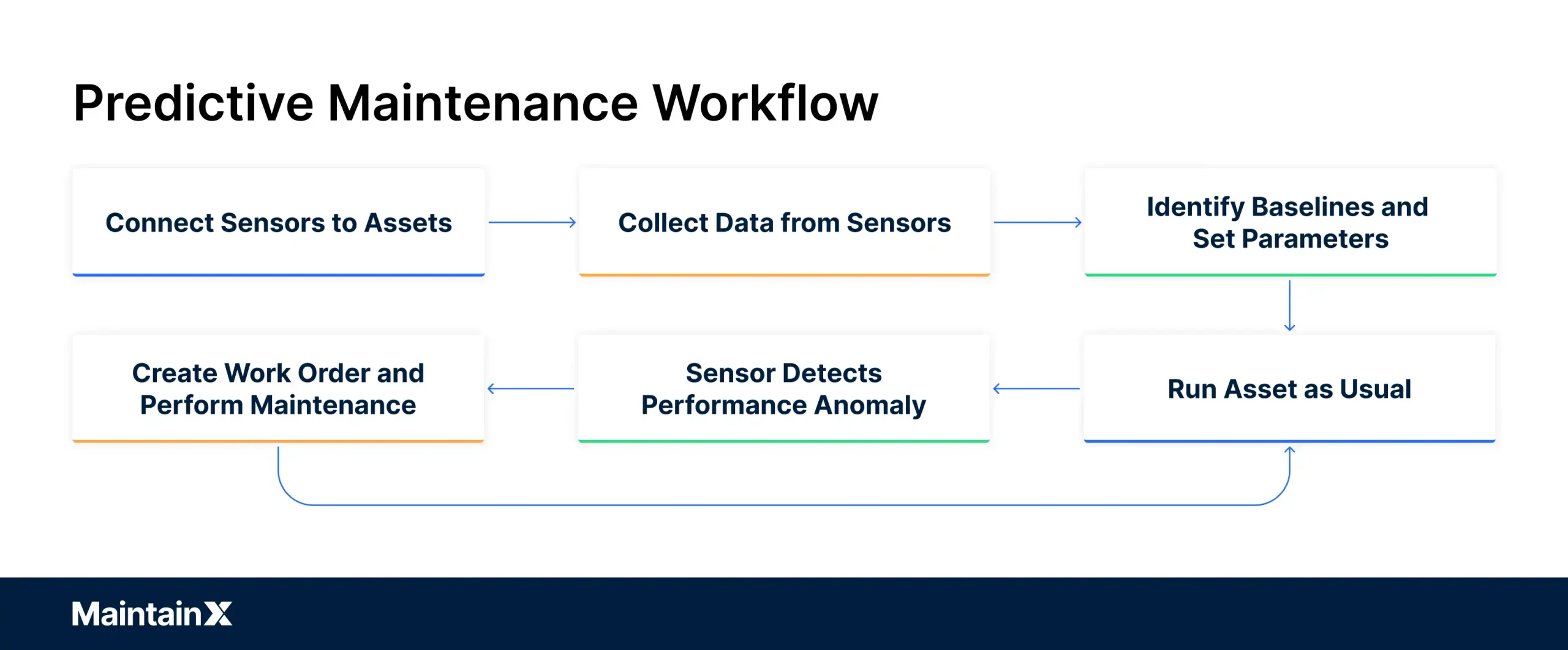
Imagine if you could stop unexpected machine breakdowns before they happen. What if your equipment could tell you exactly when it needs care, saving you time and money?
That’s the power of predictive maintenance tools. If you want to keep your operations running smoothly and avoid costly repairs, understanding these tools is key. This article will guide you through what predictive maintenance tools are and how they can transform the way you manage your assets.
Keep reading to discover how to make your maintenance smarter and more efficient.
Predictive Maintenance Basics
Predictive maintenance tools help businesses keep machines running smoothly. They use data and technology to predict when equipment needs service. This approach avoids sudden breakdowns and reduces downtime. Understanding the basics of predictive maintenance is key to using these tools effectively.
Core Concepts
Predictive maintenance relies on data from sensors and machines. It tracks conditions like temperature, vibration, and pressure. The tools analyze this data to spot signs of wear or failure. This method predicts problems before they happen. It helps schedule maintenance only when needed, not on a fixed calendar. This saves time and cuts unnecessary repairs.
Benefits Over Traditional Methods
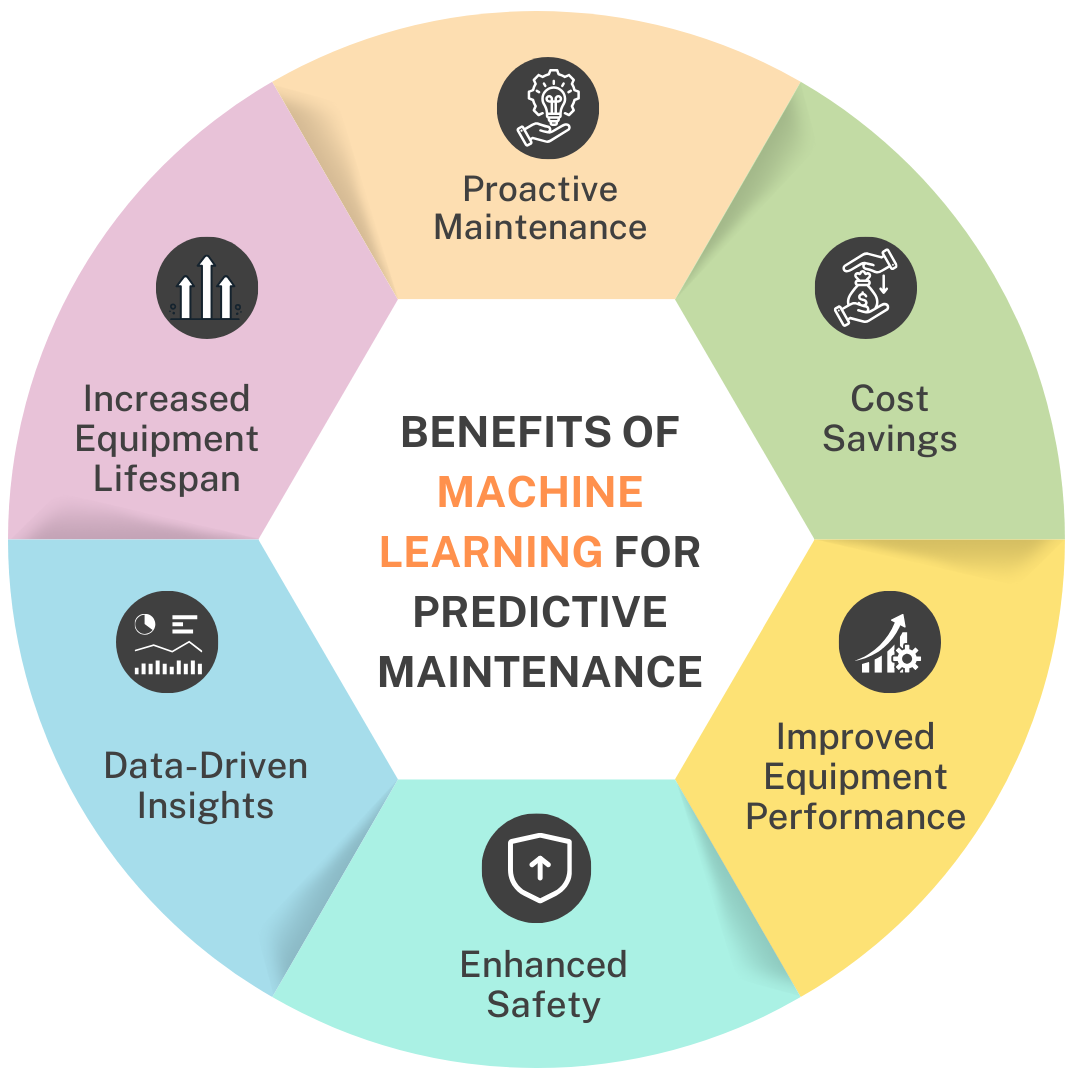
- Reduces unexpected equipment failures and costly downtime.
- Extends the life of machines by maintaining them properly.
- Improves safety by preventing accidents from machine breakdowns.
- Optimizes maintenance costs by focusing on real needs.
- Increases productivity with less interruption to operations.
Credit: smartdev.com
Key Predictive Maintenance Tools
Predictive maintenance tools are essential for keeping your equipment running smoothly and avoiding unexpected breakdowns. These tools gather and analyze data to help you spot issues before they turn into costly problems. Understanding the key tools involved can empower you to make smarter maintenance decisions and save both time and money.
Sensors And Iot Devices
Sensors and IoT devices collect real-time data from machines, such as temperature, vibration, and pressure. This continuous stream of information helps you monitor equipment health without manual checks. Imagine catching a worn-out bearing early just because a vibration sensor alerted you—this can prevent a complete machine failure.
Data Analytics Platforms
Data analytics platforms process the raw data collected by sensors to identify patterns and trends. These platforms can highlight anomalies that signal potential problems. If you’ve ever wondered why a machine starts acting up only under specific conditions, these tools provide the answers by connecting the dots in your data.
Machine Learning Models
Machine learning models use historical and real-time data to predict when a machine might fail. They improve over time, learning from past maintenance events to give you more accurate forecasts. Have you considered how much downtime you could reduce by knowing exactly when to service your equipment?
Condition Monitoring Systems
Condition monitoring systems combine sensors, analytics, and alerts to give you a clear picture of your equipment’s health. They can trigger automatic warnings when something goes off track, helping you act fast. These systems turn complex data into simple insights, making it easier for you to prioritize maintenance tasks effectively.
Data Collection Techniques
Collecting the right data is the backbone of effective predictive maintenance. Without accurate and timely information, predicting equipment failures becomes guesswork. Understanding the key techniques for gathering this data can help you make smarter maintenance decisions and avoid costly downtime.
Real-time Monitoring
Real-time monitoring captures data as machines operate, giving you instant insights into their condition. Sensors track variables like temperature, vibration, and pressure continuously, alerting you to any unusual patterns immediately.
Imagine a factory where a sudden spike in motor vibration triggers an alert before the motor fails. This early warning lets you act quickly, preventing a shutdown. Real-time data helps you catch problems early, reducing repair costs and avoiding unexpected breakdowns.
Historical Data Analysis
Looking at past data reveals trends and recurring issues that might not be obvious in the moment. By analyzing historical records, you can spot patterns that signal when a machine is likely to fail.
For example, if a particular pump tends to overheat every six months, you can schedule maintenance just before that point to keep it running smoothly. Historical data also helps you refine your predictive models, making your maintenance plans more accurate over time.
Role Of Ai And Machine Learning
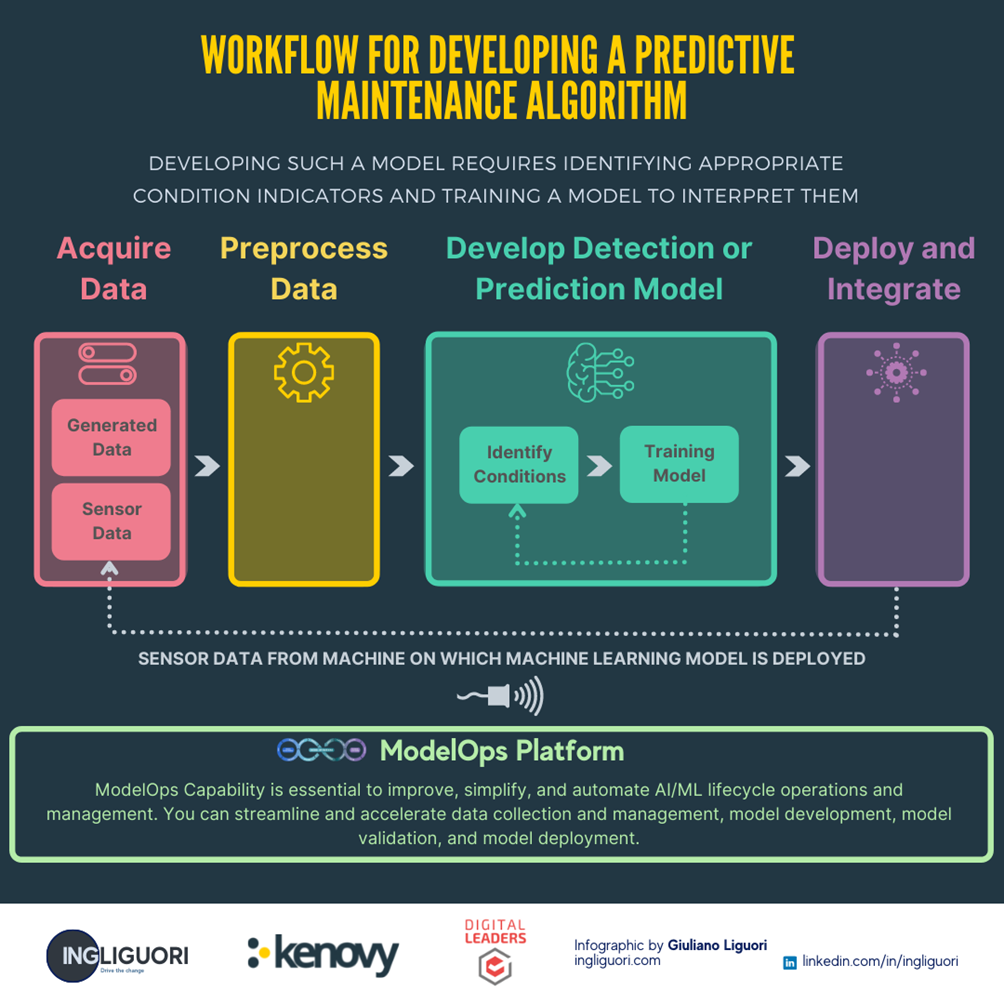
AI and Machine Learning play a key role in predictive maintenance tools. They help machines learn from data and improve over time. This makes maintenance smarter and more efficient. AI processes large amounts of data quickly. Machine Learning models find hidden patterns that humans might miss.
These technologies reduce downtime and cut maintenance costs. They allow maintenance teams to act before failures happen. This boosts equipment life and safety in workplaces.
Pattern Recognition
AI uses pattern recognition to spot trends in machine data. It looks at sensor readings, temperatures, and vibrations. This helps identify normal and abnormal conditions. Over time, the system learns what signals lead to problems. Early signs of wear or damage become clear. This way, maintenance can be planned before issues grow worse.
Failure Prediction
Machine Learning predicts when parts might fail. It analyzes past failures and operating conditions. The model estimates the remaining useful life of equipment. This prediction helps schedule repairs at the right time. Avoiding unexpected breakdowns saves time and money. It also improves overall plant efficiency.
Anomaly Detection
Anomaly detection finds unusual behavior in machines. AI compares real-time data with normal patterns. If something does not fit, the system raises alerts. This quick warning allows fast response. Detecting anomalies early prevents bigger problems later. It helps keep machines running smoothly and safely.
Implementation Challenges
Implementing predictive maintenance tools brings several challenges. These challenges can delay projects and increase costs. Understanding these hurdles helps businesses prepare better. Addressing each issue carefully improves success chances.
Data Quality Issues
Predictive maintenance relies on accurate data. Poor data quality leads to wrong predictions. Incomplete or noisy data can confuse algorithms. Sensors might fail or send incorrect readings. Cleaning and validating data is essential before use. Without good data, the system cannot perform well.
Integration With Existing Systems
New tools must work with old equipment and software. Many companies have complex systems in place. Connecting new predictive tools can be tricky. Compatibility problems may cause delays or errors. Staff needs training to manage integrated systems. Smooth integration ensures better data flow and insights.
Cost Considerations
Predictive maintenance tools can be expensive upfront. Costs include hardware, software, and training. Small businesses may find these costs hard to cover. Budgeting for ongoing maintenance is also necessary. Companies must weigh savings against initial expenses. Planning finances carefully avoids surprises later.
Credit: medium.com
Industry Applications
Predictive maintenance tools play a crucial role across various industries. These tools help detect problems before they cause serious damage. Businesses use them to save time, reduce costs, and avoid unexpected downtime. Each industry applies these tools differently based on its unique needs and challenges.
Manufacturing
Manufacturers use predictive maintenance to monitor machines and equipment. Sensors collect data on vibrations, temperature, and other factors. This data helps spot wear and tear early. It prevents machine breakdowns and stops production delays. Factories improve safety and maintain product quality by using these tools.
Energy Sector
In the energy sector, predictive maintenance ensures reliable power generation. It tracks the condition of turbines, generators, and transformers. Early fault detection reduces the risk of blackouts and costly repairs. It also helps manage renewable energy systems like wind and solar farms efficiently.
Transportation
Transportation companies use predictive maintenance to keep vehicles in top shape. Sensors on trains, buses, and trucks monitor engine health and brake systems. This reduces accidents and improves fleet availability. It also lowers maintenance costs by fixing issues before they grow.
Healthcare
Hospitals and clinics rely on predictive maintenance for medical equipment. Machines like MRI scanners and ventilators are checked regularly using smart tools. This practice reduces equipment failure during critical procedures. It also extends the life of expensive healthcare devices.
Future Trends In Predictive Maintenance
The future of predictive maintenance is shaping up to be smarter and more efficient than ever. As technology advances, new tools are emerging that help you catch equipment issues before they turn into costly problems. Understanding these trends can help you stay ahead and make better decisions for your maintenance strategy.
Edge Computing
Edge computing brings data processing closer to where the equipment operates. Instead of sending all data to a central cloud, devices analyze information right on-site. This reduces delays and allows you to react instantly to potential failures.
Imagine a factory where machines detect anomalies in real-time without waiting for cloud signals. This means less downtime and faster fixes. Are you ready to leverage edge computing to boost your maintenance speed?
Advanced Analytics
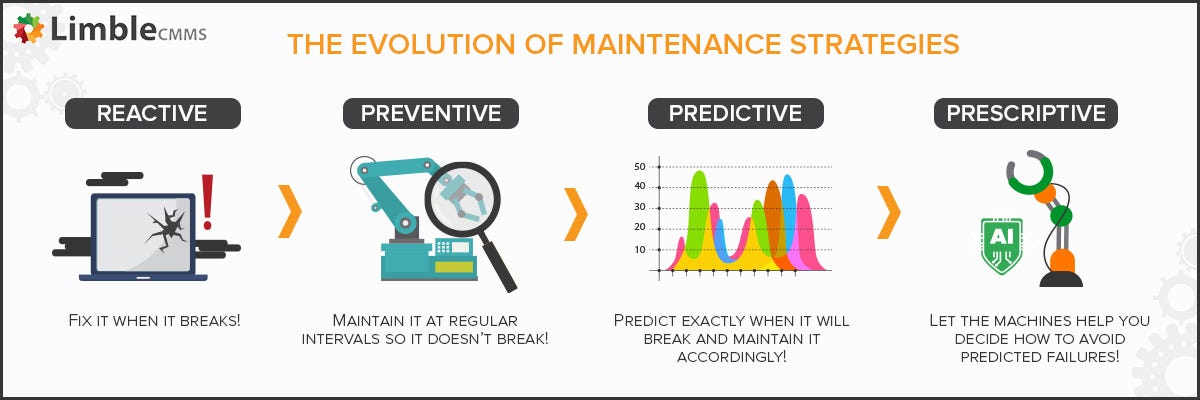
Advanced analytics uses powerful algorithms to spot patterns that humans might miss. It goes beyond simple alerts to predict exactly when a machine might fail. This helps you plan maintenance more precisely and avoid unnecessary checks.
Tools powered by machine learning can learn from past failures and improve predictions over time. Think about how much time and money you could save by only fixing what truly needs attention. What insights could you gain from deeper data analysis?
Increased Automation
Automation is taking over routine maintenance tasks, freeing up your team for more strategic work. Automated systems can schedule inspections, order parts, and even perform basic repairs without human intervention. This boosts efficiency and reduces human error.
Consider how much smoother your operations would run with fewer manual processes. Automation can also ensure consistent maintenance routines, which are crucial for reliability. How could your team benefit from more automated support?
Credit: medium.com
Frequently Asked Questions
What Is Predictive Maintenance?
Predictive maintenance involves using data analysis tools to predict when equipment failure might occur. This allows for timely maintenance actions. It helps in reducing downtime and extending equipment life. By preventing unexpected failures, businesses can save on costly repairs and maintain operational efficiency.
Why Use Predictive Maintenance Tools?
Predictive maintenance tools help in identifying potential equipment failures before they happen. They use data analytics to predict maintenance needs. This proactive approach minimizes unexpected downtime and repair costs. It also helps in optimizing maintenance schedules and improving overall equipment efficiency and reliability.
How Do Predictive Maintenance Tools Work?
Predictive maintenance tools use sensors and data analytics to monitor equipment health. They collect data on equipment performance and analyze it for patterns. This analysis helps in predicting potential failures. By identifying issues early, these tools enable timely maintenance actions, preventing costly breakdowns and ensuring efficient operations.
What Industries Benefit From Predictive Maintenance?
Industries like manufacturing, energy, and transportation benefit greatly from predictive maintenance. These sectors rely heavily on machinery and equipment. By using predictive maintenance tools, they can reduce downtime, improve efficiency, and cut maintenance costs. It ensures smoother operations and extends the lifespan of critical assets.
Conclusion
Predictive maintenance tools help spot problems before they get worse. They save time and reduce costly repairs. These tools use data to predict machine failures early. This keeps equipment running smoothly and avoids downtime. Businesses can plan maintenance better and save money.
Understanding these tools is key to smarter maintenance. They make keeping machines healthy easier and faster. Using them means fewer surprises and more control. Predictive maintenance supports safer and more efficient operations. Simple, smart, and effective—these tools shape the future of maintenance.