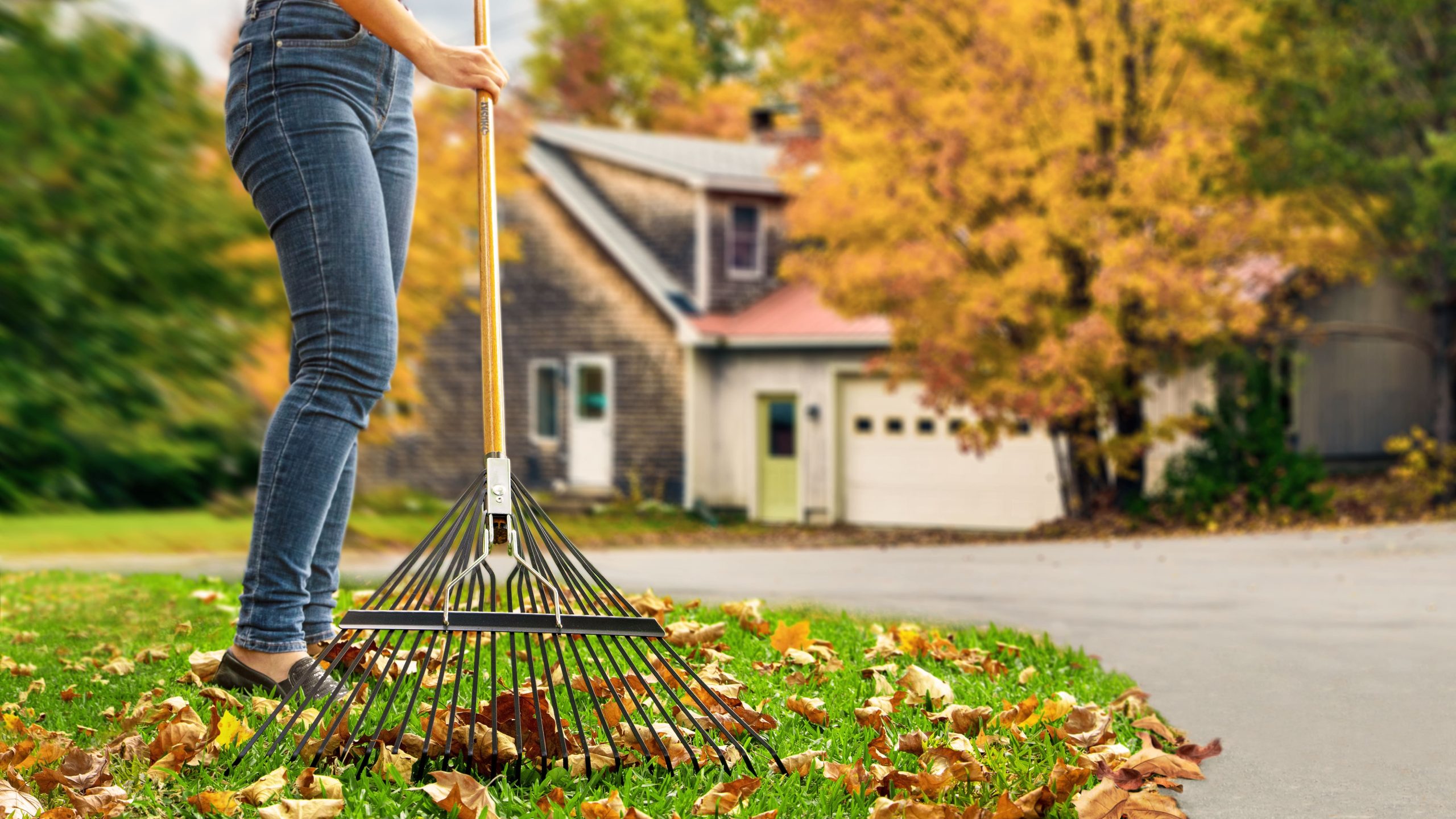
Are you ready to keep your garden looking fresh and beautiful all year round? Knowing the right tools to use can make a huge difference in how easy and enjoyable garden maintenance becomes.
Imagine spending less time struggling and more time watching your plants thrive. You’ll discover the essential tools you need to make your garden care simple and effective. By the end, you’ll feel confident and equipped to take on any garden task with ease.
Keep reading to find out exactly what should be in your garden toolkit!
Basic Hand Tools
Basic hand tools form the foundation of effective garden maintenance. These tools allow you to perform essential tasks with precision and ease. Investing in quality hand tools can save you time and make your gardening experience more enjoyable.
Pruning Shears
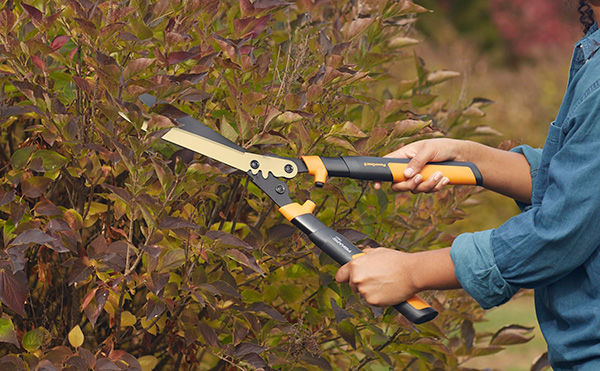
Pruning shears are essential for trimming and shaping plants. They help you cut dead or overgrown branches cleanly, promoting healthy growth. Choose shears with sharp blades and comfortable grips to avoid hand fatigue during extended use.
Have you noticed how a quick trim can boost a plant’s appearance and health? Using pruning shears regularly keeps your garden tidy and encourages flowering or fruiting.
Garden Trowel
A garden trowel is perfect for digging small holes, planting, and transplanting seedlings. Its pointed blade lets you work precisely without disturbing nearby plants. Look for a sturdy, rust-resistant trowel to handle different soil types.
I often find that a good trowel reduces strain on my wrist while digging. Do you prefer a lightweight tool that’s easy to handle or a heavier one that feels more durable?
Hand Rake
The hand rake is designed for loosening soil, removing weeds, and smoothing surfaces in tight spaces. It’s a versatile tool that helps prepare soil for planting and keeps your garden beds neat. Opt for one with flexible tines that won’t damage roots.
Using a hand rake feels like giving your soil a gentle massage, making it ready for new growth. How often do you rake your garden beds to keep them healthy and weed-free?
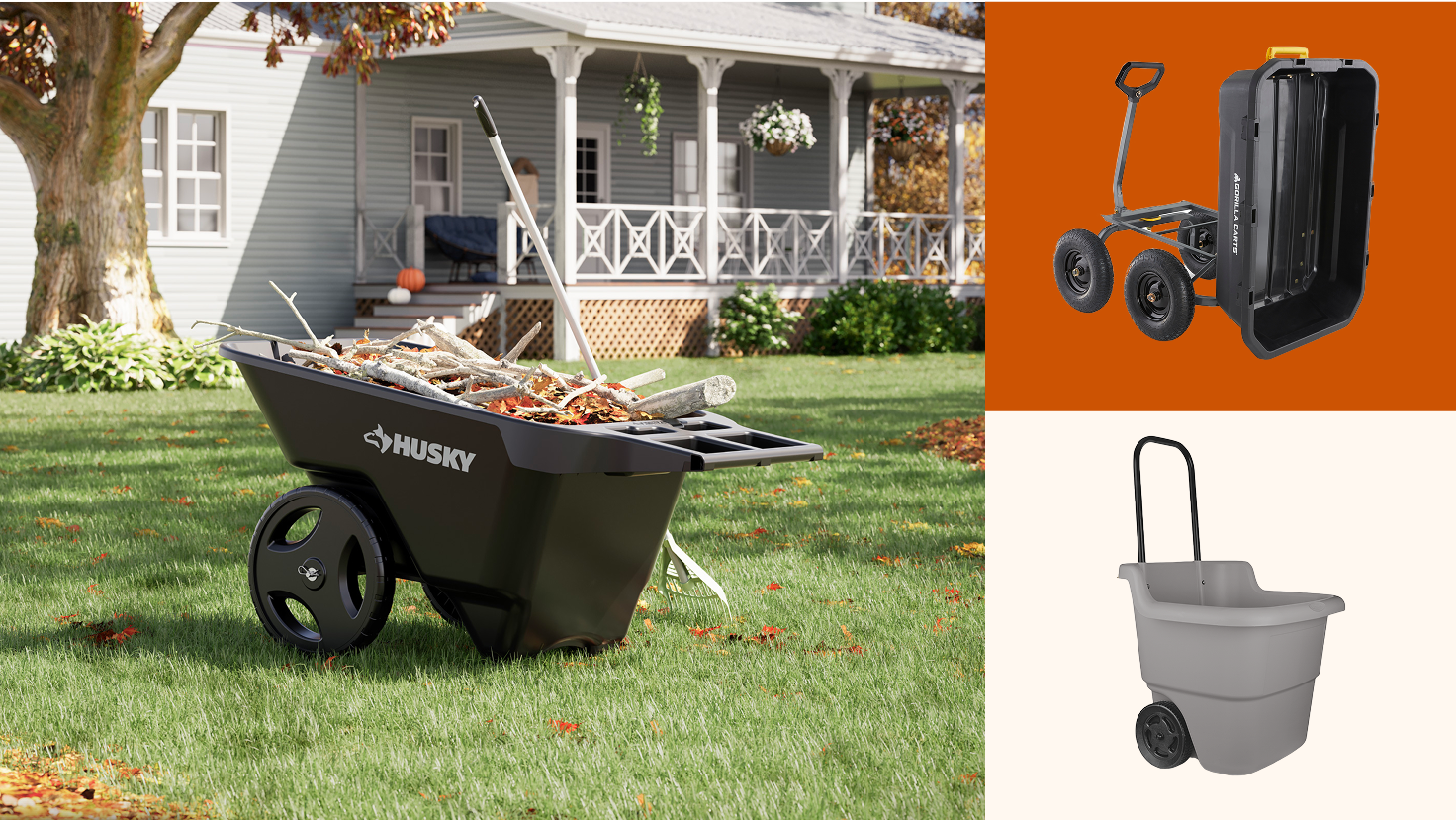
Credit: www.homedepot.com
Digging And Planting Tools
Digging and planting tools are essential for every gardener who wants to create and maintain a thriving garden. These tools help you prepare the soil, plant seeds or bulbs, and ensure your plants have the best start. Choosing the right tools can save you time and effort, making gardening more enjoyable and effective.
Spade
A spade is a must-have for digging tasks like turning soil and creating planting holes. Its flat, sharp blade cuts through soil easily, helping you break up hard ground or move soil with precision. If you’ve ever struggled with a dull or inappropriate tool, you know how frustrating it can be—using a good spade changes the game.
Look for a spade with a sturdy handle and a blade that suits the size of your garden. A long handle offers leverage, while a shorter one gives better control in tight spots. Consider your strength and the type of soil you work with when selecting one.
Garden Fork
A garden fork is perfect for loosening soil and aerating the ground without disturbing plant roots too much. It’s especially useful when your soil is compacted or filled with clay. I remember using a fork to prepare a bed for new plants, and it made the soil much easier to work with afterward.
Choose a fork with strong, sharp tines that can penetrate soil deeply. Steel tines resist bending and provide durability. A comfortable grip will also reduce fatigue during longer gardening sessions.
Bulb Planter
If you plant bulbs regularly, a bulb planter is a smart addition to your toolkit. It creates uniform holes at the right depth, saving you from guesswork and back strain. Using one means your bulbs are planted evenly, which helps them grow consistently and beautifully.
Bulb planters come in various sizes, so select one that matches the bulbs you usually plant. Some models have depth markers to make planting even easier. Have you tried planting bulbs without one? The difference in ease and precision is clear.
Watering Equipment
Watering equipment is essential for keeping your garden healthy and vibrant. Choosing the right tools can save you time and water while ensuring your plants get the hydration they need. Whether you have a small balcony garden or a large backyard, having efficient watering options makes all the difference.
Garden Hose
A garden hose is a versatile tool that most gardeners find indispensable. It allows you to reach various parts of your garden quickly, making watering a breeze. Look for hoses with adjustable nozzles so you can control the water flow—from a gentle mist to a strong stream.
Consider the length and material of the hose. A kink-resistant hose can save you frustration and extend the life of your equipment. Have you ever struggled with a hose that tangles up or leaks? Investing in a durable one pays off in convenience and water efficiency.
Watering Can
Watering cans offer precision for smaller or delicate plants. They give you control over how much water each plant receives, which is perfect for seedlings or potted plants. Choose a can with a comfortable handle and a spout that fits the size of your plant pots.
Using a watering can can feel more personal—you get close to your plants and can check their condition as you water. This hands-on approach helps you notice signs of stress or pests early. Have you found that watering cans encourage you to spend more time with your garden?
Drip Irrigation System
Drip irrigation systems deliver water directly to the roots of your plants, reducing waste and promoting healthier growth. They are ideal for vegetable gardens and flower beds where consistent moisture is critical. Setting one up might seem complicated at first, but it’s worth the effort for the water savings.
These systems can be automated with timers, so your garden gets watered even when you’re away. Think about how much time you could save using drip irrigation. Could this be the key to maintaining your garden effortlessly during busy weeks?
Lawn Care Tools
Maintaining a lush, green lawn requires the right set of tools to keep your grass healthy and your yard looking tidy. Lawn care tools not only save you time but also make the task more enjoyable and effective. Whether you have a small patch or a sprawling yard, the basics remain the same.
Lawn Mower
A lawn mower is the centerpiece of any lawn care toolkit. Choosing the right mower depends on your yard size and terrain. For smaller lawns, a lightweight push mower works well, while larger spaces may need a self-propelled or riding mower.
Regular mowing keeps your grass at an ideal height, encouraging thicker growth and preventing weeds. Have you noticed how a freshly mowed lawn instantly uplifts your entire garden’s appearance?
Grass Trimmer
A grass trimmer helps you reach spots the mower can’t, like edges, corners, and around trees. It’s perfect for keeping your lawn edges neat and tidy without the hassle of manual trimming.
Using a trimmer after mowing ensures a uniform look. Consider this: how much more polished does your yard look when every blade of grass has been trimmed just right?
Leaf Rake
Leaves and garden debris can smother your lawn if left unattended. A leaf rake helps you clear your lawn quickly, letting air and sunlight nourish the grass underneath.
Regular raking prevents mold and keeps your lawn healthy through all seasons. Have you tried raking just once after the leaves fall and noticed how much it brightens your lawn?
Weed Control Tools
Weed control is essential for a healthy garden. Weeds steal nutrients and water from your plants. Using the right tools makes weed removal easier and faster. This section covers key tools to keep weeds under control.
Weeding Fork
A weeding fork helps remove weeds with deep roots. It has strong, narrow tines that loosen soil around weeds. This tool lifts weeds out without breaking their roots. It works best in tight spaces and flower beds. Using a weeding fork prevents soil damage and keeps plants safe.
Hoe
A hoe is perfect for clearing large areas of weeds. It cuts weed tops just below the soil surface. Hoes come in different shapes for various tasks. A sharp hoe blade makes quick work of young weeds. Regular hoeing stops weeds from growing back quickly.
Mulching Materials
Mulching materials block sunlight and stop weeds from growing. Organic mulches include straw, wood chips, and grass clippings. These mulches also improve soil quality as they break down. Inorganic mulches like plastic sheets prevent weed growth too. Mulching reduces the need for frequent weeding and saves water.
Credit: www.homedepot.ca
Safety Gear
Safety gear is essential for garden maintenance. It protects your body from cuts, scrapes, and other injuries. Using the right safety equipment helps you work comfortably and with confidence. Always prepare before starting your gardening tasks.
Gloves
Gloves protect your hands from thorns, dirt, and harmful chemicals. They provide a good grip on tools. Choose gloves made of durable material. Look for gloves that fit well and allow finger movement. Clean and dry gloves after use to keep them effective.
Knee Pads
Knee pads reduce stress on your knees during long gardening sessions. They provide cushioning on hard or rough ground. Select knee pads with soft padding and adjustable straps. Use them especially when planting or weeding. Knee pads help prevent knee pain and injuries.
Protective Eyewear
Protective eyewear shields your eyes from dust, dirt, and flying debris. It also guards against branches and sharp objects. Wear safety glasses or goggles designed for outdoor work. Choose eyewear that fits securely and offers clear vision. Always use eye protection around power tools and pruning.
Storage And Maintenance
Proper storage and maintenance of your garden tools extend their life and keep them ready for action whenever you step outside. Neglecting these simple tasks can lead to rust, dull blades, and broken handles, turning your favorite tools into frustrating obstacles. Taking a few minutes to care for and store your tools properly saves you time, money, and effort in the long run.
Tool Shed
A dedicated tool shed is more than just a storage space—it’s the heart of your garden maintenance routine. Having a clean, dry spot to hang your tools prevents damage and makes them easy to find when you need them.
Consider adding hooks, shelves, and pegboards to keep everything organized. I once had a cluttered corner where my tools were piled up, which made me lose track of my pruning shears. After setting up a small shed with organized storage, my work became faster and less stressful.
Tool Sharpener
Sharp tools make a huge difference in your gardening experience. Dull blades tear plants rather than cut them, causing damage and increasing the risk of disease. Keeping your shears, pruners, and knives sharp improves precision and reduces effort.
A simple hand-held sharpener or whetstone works well for most garden tools. Sharpening after every few uses keeps your tools performing at their best. Have you noticed how much easier pruning feels when your blades glide through branches?
Cleaning Supplies
Cleaning your tools after each use removes dirt, sap, and moisture that can accelerate wear and rust. A bucket of soapy water, a stiff brush, and some old rags are essential for this job.
Disinfecting your tools with a spray of rubbing alcohol or diluted bleach solution prevents the spread of plant diseases. I always keep a small cleaning kit near my shed, which makes it easy to clean tools right away. How often do you pause to clean your tools during a busy gardening day?
Credit: www.youtube.com
Frequently Asked Questions
What Are The Essential Tools For Garden Maintenance?
Essential tools include a spade, pruning shears, garden fork, hose, and gloves. These tools help with digging, trimming, aerating, watering, and protecting your hands, ensuring efficient garden care.
Which Tools Help With Lawn Care And Maintenance?
A lawn mower, rake, garden fork, and watering can are crucial. They keep the grass trimmed, remove debris, aerate soil, and maintain moisture levels for a healthy lawn.
What Tools Are Best For Pruning And Trimming Plants?
Pruning shears, loppers, and a pruning saw are ideal. These tools help cut branches cleanly, promote healthy growth, and keep plants shaped and tidy.
How Do I Choose The Right Garden Tools?
Consider the garden size, plant types, and your physical ability. Choose durable, ergonomic tools that suit specific tasks for efficient and comfortable garden maintenance.
Conclusion
Choosing the right garden tools is crucial for maintaining a healthy garden. Start with basics like a trowel, pruner, and gloves. A hose or watering can keeps plants hydrated. Rake and spade help manage soil and debris. Wheelbarrow assists in moving heavy loads.
Regularly sharpen and clean tools for long-lasting use. Investing in quality tools saves time and effort. Happy gardening leads to a beautiful outdoor space. Enjoy your time nurturing nature.