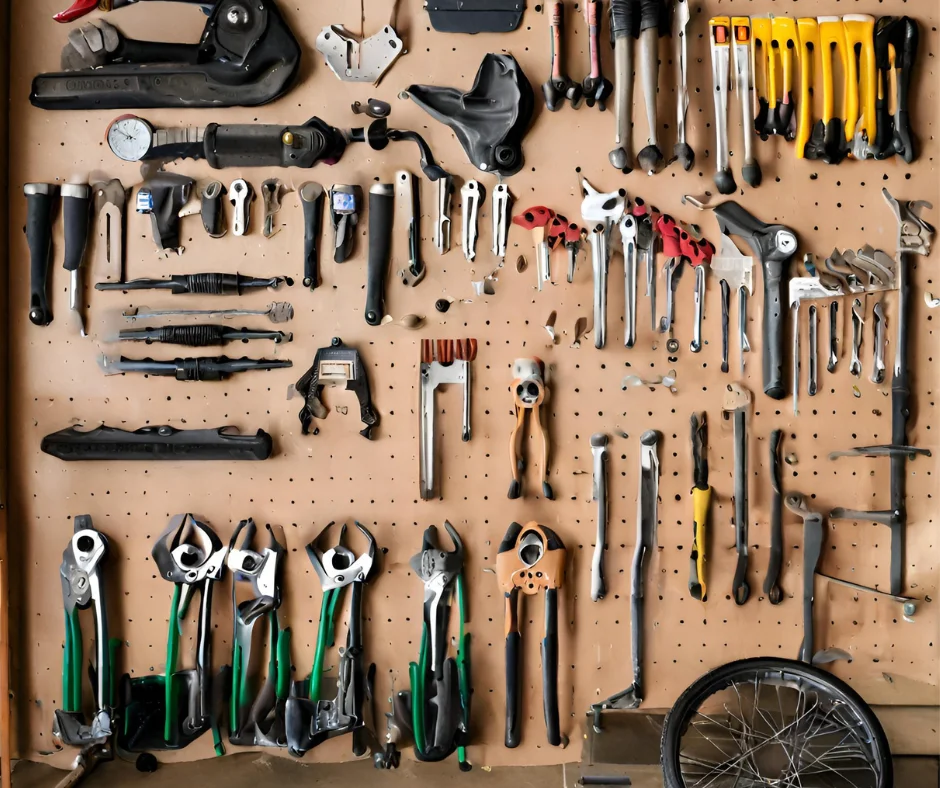
When it comes to keeping your motorcycle in top shape, having the right tools makes all the difference. You might think maintenance is complicated or costly, but with the right gear, it becomes simpler and even enjoyable.
Imagine being able to fix minor issues yourself, saving time and money while ensuring your bike runs smoothly. You’ll discover the essential tools you need to maintain your motorcycle effectively. By the end, you’ll feel confident and ready to take control of your bike’s care like a pro.
Keep reading to find out exactly what should be in your toolbox.

Credit: journeymotogear.com
Basic Hand Tools
Basic hand tools form the foundation of motorcycle maintenance. They help you perform simple repairs and adjustments. Owning the right tools makes tasks easier and safer. These tools are easy to use and require no special skills.
Wrenches And Sockets
Wrenches and sockets are essential for loosening and tightening bolts. A set of combination wrenches covers various sizes. Socket wrenches with ratchets speed up work in tight spaces. Look for metric sizes as most motorcycles use them. A torque wrench ensures bolts are tightened correctly.
Screwdrivers
Screwdrivers help with screws on many parts like panels and controls. A basic set includes flathead and Phillips head types. Choose screwdrivers with comfortable handles for better grip. Magnetic tips prevent screws from dropping during work. Small and medium sizes handle most motorcycle screws.
Pliers And Cutters
Pliers and cutters assist with gripping, bending, and cutting wires or cables. Needle-nose pliers reach tight spots and hold small parts firmly. Slip-joint pliers adjust to different widths for versatile use. Wire cutters trim cables and zip ties cleanly. These tools help maintain electrical and brake systems easily.
Tire And Wheel Tools
Proper tire and wheel care keeps your motorcycle safe and smooth. The right tools make tire checks and repairs easier. These tools help maintain tire pressure, change tires, and balance wheels for a better ride.
Tire Pressure Gauge
A tire pressure gauge measures the air pressure inside tires. Maintaining correct pressure improves fuel efficiency and handling. Carry a reliable gauge to check pressure before each ride. Digital or analog models work well for motorcycles. Check pressure when tires are cold for accurate readings.
Tire Levers
Tire levers help remove and install tires on the wheel rim. They prevent damage to tires and rims during tire changes. Choose strong, durable levers made from plastic or metal. Use two or three levers to pry the tire off easily. These tools are essential for fixing flats or swapping tires.
Wheel Balancer
A wheel balancer ensures the wheel spins evenly without wobbling. Balanced wheels reduce vibrations and tire wear. Portable wheel balancers are available for home use. They help place small weights to balance the wheel correctly. Balanced wheels improve ride comfort and safety on the road.
Engine Maintenance Tools
Engine maintenance keeps your motorcycle running smoothly and safely. Proper tools help check and fix engine parts easily. Using the right tools saves time and avoids damage. Here are essential tools for engine upkeep.
Spark Plug Wrench
A spark plug wrench removes and installs spark plugs. It fits snugly to avoid slipping or damage. This tool helps check plugs for wear or dirt. Clean spark plugs improve engine start and fuel use.
Feeler Gauges
Feeler gauges measure gaps between engine parts. They check spark plug gaps and valve clearances. Accurate gaps ensure proper engine timing and power. Thin metal strips come in sets with different thicknesses.
Oil Filter Wrench
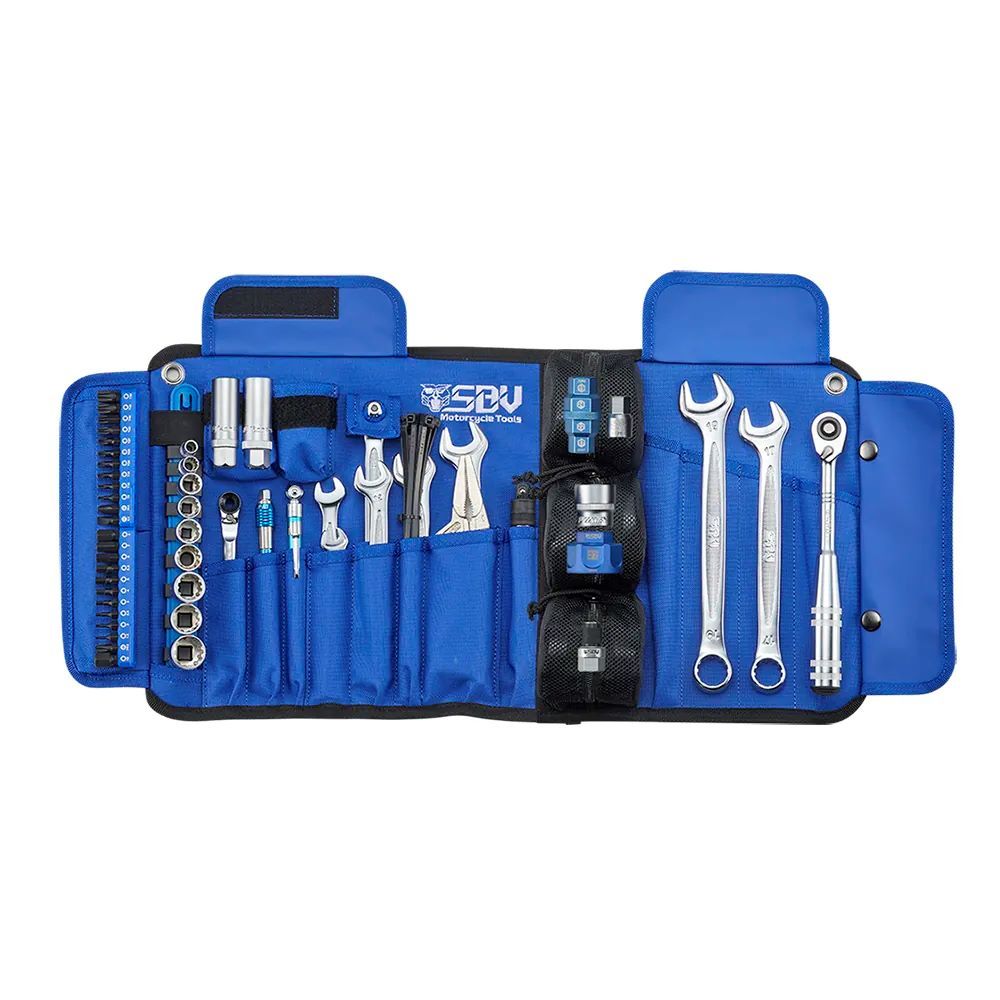
An oil filter wrench removes the old oil filter easily. It grips the filter tightly without slipping. Changing the oil filter prevents engine wear and keeps oil clean. This tool fits many filter sizes and types.
Credit: www.touratech.com
Electrical Tools
Electrical tools are essential for maintaining your motorcycle’s wiring, battery, and electrical components. They help you diagnose issues, perform repairs, and keep your bike running smoothly. Having the right tools on hand saves time and prevents further damage caused by incorrect handling.
Multimeter
A multimeter is a must-have tool for checking your motorcycle’s electrical system. It measures voltage, current, and resistance, helping you identify problems like faulty wires or dead batteries. When I first started maintaining my bike, the multimeter quickly showed me a short circuit I would have missed otherwise.
Using a multimeter, you can test fuses, check spark plug voltage, and ensure your charging system works properly. This tool gives you clear data instead of guessing, making your repairs more precise and reliable.
Battery Charger
Your motorcycle’s battery needs regular care, especially if you don’t ride daily. A battery charger keeps your battery healthy by topping up its charge and preventing it from dying. I’ve saved money by using a charger to maintain my battery during winter months instead of buying a new one.
Look for a charger with automatic shutoff to avoid overcharging. Some models also have repair modes that can revive a weak battery. This tool is simple but crucial for extending battery life and avoiding unexpected breakdowns.
Wire Strippers
Wire strippers make cutting and removing insulation from electrical wires easy and clean. Properly stripped wires ensure good connections and prevent shorts or electrical failures. I’ve learned that using the right size wire stripper avoids damaging the wire strands, which can cause intermittent issues later.
Choose wire strippers that match your wire gauge and have comfortable grips. They speed up your wiring tasks and improve the quality of your repairs, especially when replacing connectors or adding accessories.
Cleaning And Lubrication Supplies
Keeping your motorcycle clean and well-lubricated is essential for smooth rides and long-lasting performance. The right cleaning and lubrication supplies can save you time, prevent damage, and keep your bike running like new. Let’s break down the must-have tools that make maintenance easier and more effective.
Chain Cleaner And Lubricant
Your motorcycle’s chain takes a lot of abuse from dirt, dust, and road grime. Using a dedicated chain cleaner helps remove stubborn debris without harming the metal. After cleaning, applying a quality chain lubricant reduces friction and prevents rust.
Choose a lubricant designed for your riding conditions—wet or dry. I once skipped proper lubrication before a rainy trip and ended up with a noisy, rusty chain that needed costly repairs. Don’t let that be you.
Degreasers
Degreasers are powerful agents that cut through oil, grease, and grime on engine parts and other components. They make cleaning easier and ensure that surfaces are ready for lubrication or inspection. Look for degreasers that are safe on metal and plastic parts to avoid damage.
Using degreasers regularly can reveal hidden leaks or worn parts that might otherwise go unnoticed. Have you checked your engine for buildup lately?
Rags And Brushes
Simple but essential, rags and brushes help you apply cleaners and lubricants precisely and clean hard-to-reach areas. Microfiber rags are great for wiping surfaces without scratching, while stiff-bristled brushes scrub away stubborn dirt.
Keep a selection of sizes handy—from small detail brushes for tight spots to larger ones for broader areas. Having the right tools on hand makes your cleaning sessions more efficient and less frustrating.
Safety Gear
Safety gear is the foundation of effective motorcycle maintenance. Protecting yourself from burns, cuts, and chemical exposure is not optional—it’s essential. Before you even pick up a wrench, make sure you have the right gear to keep your hands, eyes, and clothes safe during every task.
Gloves
Gloves shield your hands from sharp edges, hot parts, and harmful fluids. Choose durable, snug-fitting gloves that offer both protection and dexterity. I once ignored gloves during an oil change and ended up with a nasty chemical burn—don’t make the same mistake.
Look for gloves made of nitrile or leather, depending on the task. Nitrile is great for handling oils and solvents, while leather protects better against heat and abrasion. Keep a pair specifically for maintenance to avoid spreading grease everywhere.
Eye Protection
Eye protection is non-negotiable when working with sprays, dust, or flying debris. Safety glasses or goggles guard your vision from unexpected splashes and particles. Have you ever felt a tiny piece of metal or dirt hit your eye? It’s painful and easily preventable.
Choose wraparound glasses for full coverage. If you’re grinding or using power tools, consider a face shield for extra defense. Keeping your eyes safe means you won’t miss a single detail during your maintenance routine.
Work Apron
A work apron keeps your clothes clean and adds a layer of protection against spills and sharp tools. Opt for a heavy-duty apron with pockets to store small tools and parts within easy reach. I find having everything at hand boosts efficiency and reduces frustration.
Leather or thick canvas aprons are best because they resist tears and liquids. Wearing an apron also reminds you to treat your maintenance time seriously, keeping you focused and safe throughout the job.
Storage And Organization
Keeping your motorcycle maintenance tools organized can save you hours of frustration. You want everything within reach, easy to find, and protected from damage. Good storage solutions also help maintain your tools’ condition, so they last longer and perform better.
Toolbox
A sturdy toolbox is the foundation of your tool storage. Choose one with multiple compartments to separate wrenches, screwdrivers, and sockets. I once spent a whole afternoon hunting for a tiny Allen key until I upgraded to a toolbox with labeled drawers—what a time saver!
Look for features like a durable handle and secure latches. If you move around a lot while working, a portable toolbox can keep your tools organized and ready to go.
Magnetic Trays
Magnetic trays are a simple yet powerful way to keep small parts from getting lost. When you remove bolts or screws, place them on the tray, so they don’t roll away. These trays stick to metal surfaces, which means you can set them right on your bike or workbench.
Using magnetic trays reduces the risk of mixing up parts during reassembly. Have you ever dropped a washer and spent minutes crawling on the floor to find it? Magnetic trays eliminate that hassle.
Work Mat
A work mat creates a clean, defined workspace for your maintenance tasks. It protects your floor and your tools while catching dirt and oil. Many mats come with printed measurements and parts diagrams, which help keep everything organized.
Choose a mat that is easy to clean and foldable for storage. I keep mine rolled up in my toolbox, ready to unroll whenever I work on my bike. How much easier would your maintenance be with a dedicated, tidy space?

Credit: www.ebay.com
Frequently Asked Questions
What Basic Tools Are Essential For Motorcycle Maintenance?
For basic motorcycle maintenance, you’ll need a wrench set, screwdrivers, pliers, and a tire pressure gauge. Also, consider having a torque wrench, oil filter wrench, and a spark plug socket. These tools help with routine tasks, ensuring your motorcycle stays in top condition.
How Often Should I Check My Motorcycle Tools?
Check your motorcycle tools every few months or before major maintenance. Regular checks ensure tools are in good condition and ready for use. This habit helps prevent unexpected issues during repairs, maintaining your motorcycle’s performance.
Can I Perform Motorcycle Maintenance With Minimal Tools?
Yes, basic maintenance tasks can be done with minimal tools. Essential tools like wrenches, screwdrivers, and a tire pressure gauge are sufficient. For more complex tasks, investing in additional tools may be necessary for better results.
What Safety Gear Is Needed For Motorcycle Maintenance?
Safety gear includes gloves, safety glasses, and a sturdy work apron. These items protect you from injuries during maintenance. Always prioritize safety to prevent accidents and ensure a safe working environment while handling tools and motorcycle parts.
Conclusion
Keeping your motorcycle in good shape needs the right tools. Basic items like wrenches, screwdrivers, and tire pressure gauges help a lot. These tools make small fixes easier and safer. Regular maintenance saves money and avoids big problems. Start with simple tools and add more as you learn.
Taking care of your bike feels good and keeps you riding longer. Remember, the right tools are the key to smooth motorcycle care.