Imagine this: it’s a sunny Saturday morning, and you’re ready to hit the road for a weekend getaway. But just as you’re about to start your car, you hear an odd noise from under the hood.
Panic sets in. What do you do? This is where having the right car maintenance tools can save your day and your wallet. By equipping yourself with essential tools, you can tackle minor issues with ease and keep your car running smoothly.
You don’t have to be a professional mechanic to handle basic repairs and maintenance. You just need the right tools and a little know-how. These tools will empower you to fix common problems quickly, avoid costly repairs, and give you peace of mind every time you drive. So, are you ready to discover the must-have car maintenance tools that every car owner should own? Keep reading to ensure you’re always prepared for the unexpected.

Credit: www.amazon.ca
Basic Hand Tools
Basic hand tools are essential for any car owner who wants to handle routine maintenance or minor repairs without always relying on a mechanic. These tools are versatile, easy to use, and can save you time and money. Having a reliable set of basic hand tools gives you the confidence to tackle unexpected car issues right in your garage.
Wrenches And Sockets
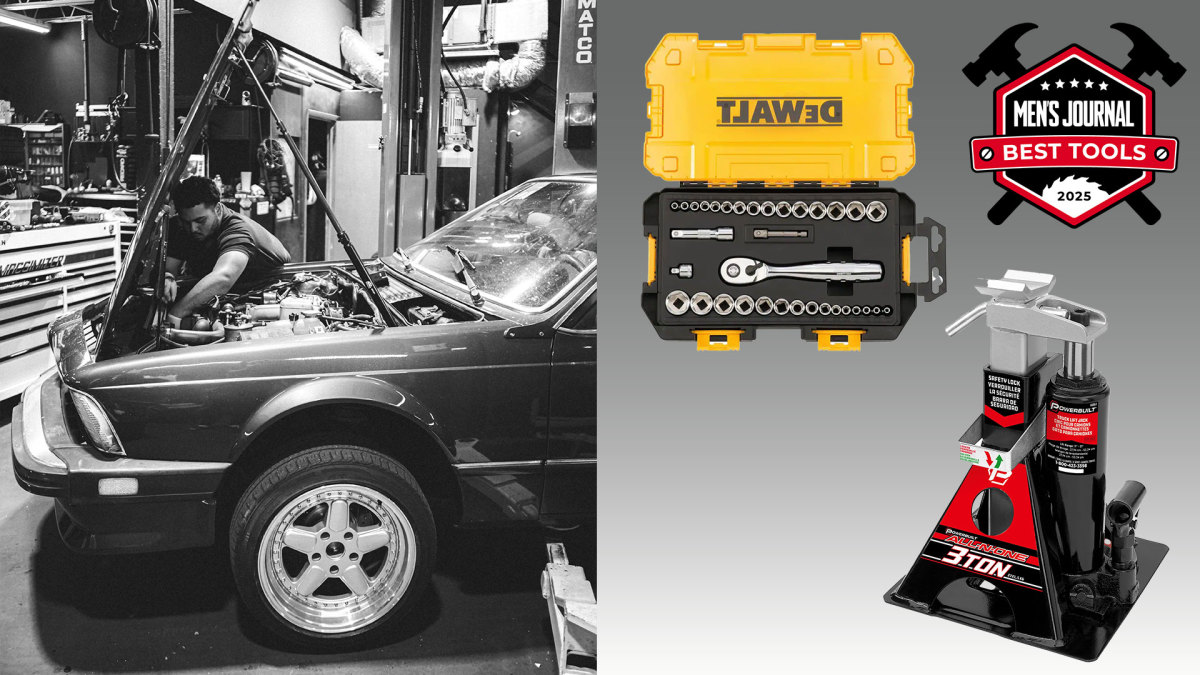
Wrenches and sockets are the backbone of any car maintenance toolkit. They help you tighten or loosen nuts and bolts of various sizes, which is necessary for tasks like changing your oil or removing a battery terminal.
A good set should include both metric and standard sizes because car parts vary widely. I once struggled with a stuck bolt until I switched to a ratchet socket set; the difference in ease was remarkable. Do you have the right sizes handy to avoid frustrating moments like that?
Screwdrivers
Screwdrivers are indispensable for countless tasks, from opening battery compartments to adjusting small screws in your car’s interior. You’ll want a variety of flathead and Phillips head screwdrivers to cover different types of screws.
Invest in screwdrivers with comfortable grips and magnetic tips. This helps keep screws from falling into hard-to-reach places. Have you ever dropped a tiny screw and spent ages fishing it out? The right screwdriver can prevent that hassle.
Pliers And Cutters
Pliers and cutters are perfect for gripping, twisting, cutting wires, or pulling out stubborn components. Needle-nose pliers are especially handy for tight spots under the hood or dashboard.
Wire cutters can save you from struggling with old, corroded wiring during electrical repairs. I found that adding a pair of locking pliers made holding components steady much easier when working alone. What small tool could make your next repair smoother?
Credit: coasttruckrepair.com
Tire Maintenance Tools
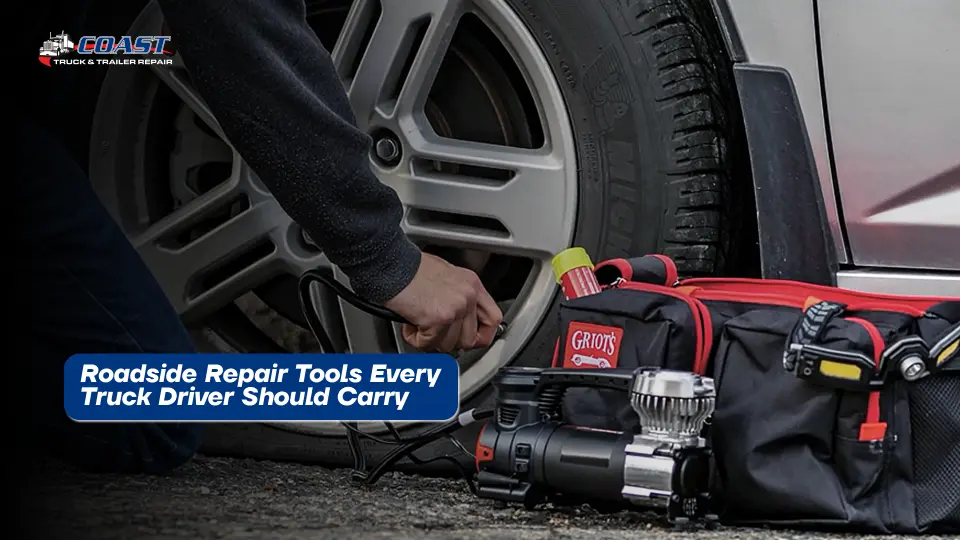
Keeping your tires in great shape is essential for your safety and vehicle performance. Having the right tire maintenance tools at hand can save you from unexpected troubles on the road. These tools help you monitor, fix, and replace tires efficiently, giving you peace of mind during every drive.
Tire Pressure Gauge
A tire pressure gauge is a small tool that tells you the air pressure inside your tires. Maintaining the correct tire pressure improves fuel efficiency and prevents uneven tire wear. I once ignored low tire pressure, only to find my car handling poorly on the highway—checking regularly with a gauge would have avoided that risk.
You can choose from digital or analog gauges, but the key is to check your tire pressure at least once a month. Don’t rely on visual inspection alone; tires can look fine but still be underinflated.
Jack And Lug Wrench
Having a reliable jack and lug wrench is crucial if you ever need to change a flat tire yourself. A sturdy jack lifts your car safely, while a lug wrench helps you remove the wheel nuts quickly. I remember being stranded without these tools after a roadside flat—don’t let that happen to you.
Look for a compact jack that fits your vehicle’s weight and a lug wrench that offers good grip and leverage. Keeping them in your car ensures you’re ready for emergencies anytime.
Tire Repair Kit
A tire repair kit is a lifesaver for small punctures that don’t require full tire replacement. These kits usually include plugs, a reamer, and an insertion tool to patch the hole temporarily. I once patched a nail hole mid-trip, avoiding a costly tow and delay.
Make sure your kit is easy to use and comes with clear instructions. Carrying one can turn a stressful flat tire moment into a quick fix, helping you get back on the road faster.
Electrical Tools
Electrical tools are essential for anyone looking to maintain their car’s electrical system efficiently. These tools help you diagnose issues quickly, saving time and money on repairs. Whether you’re checking battery health or tracing faulty wiring, having the right electrical tools makes a big difference.
Multimeter
A multimeter is your go-to tool for measuring voltage, current, and resistance in your car’s electrical circuits. It helps you pinpoint problems like blown fuses, bad wiring, or malfunctioning sensors.
Using a multimeter, you can test your car battery’s voltage to see if it’s holding a proper charge. It’s straightforward to use, even if you’re new to car maintenance. Have you ever wondered why your headlights flicker? A multimeter can help you track down the cause.
Test Light
A test light is a simple yet powerful tool for checking the presence of voltage in your car’s circuits. It’s especially handy when you want to confirm if power is reaching a specific component.
Unlike a multimeter, a test light gives instant visual feedback with a glowing bulb when it detects voltage. This tool is perfect for quick checks on fuses, switches, and wiring connections. You’ll appreciate how it speeds up diagnosing electrical problems during roadside emergencies.
Battery Charger
A battery charger is not just for emergencies; it’s a vital maintenance tool for extending your battery’s life. Regularly charging your battery can prevent unexpected breakdowns and improve overall performance.
Modern battery chargers come with smart features that prevent overcharging and adapt to different battery types. Imagine being able to revive a dead battery at home without a tow truck. Investing in a reliable battery charger gives you that power and peace of mind.
Fluids And Lubricants
Fluids and lubricants are the lifeblood of your vehicle’s performance. They keep every moving part running smoothly and prevent costly damage. Knowing which fluids to keep handy and how to use them can save you time and money on repairs.
Engine Oil
Engine oil is essential to keep your engine parts from grinding against each other. Running low on oil can lead to overheating and serious engine damage. Always keep a bottle of the right grade oil in your car, so you can top it up whenever needed.
Check your oil level regularly using the dipstick. If you notice the oil looks dirty or smells burnt, it’s time for a change. Have you ever ignored that little oil warning light and paid the price later?
Brake Fluid
Your brakes rely on brake fluid to work effectively. This fluid transfers the force from your foot on the pedal to the brake pads. Without enough brake fluid, your braking power drops, putting you at risk on the road.
Keep a sealed container of the correct brake fluid type in your garage, not just in your car. Brake fluid can absorb moisture over time, which reduces its effectiveness. Have you checked your brake fluid level lately?
Wd-40 And Grease
WD-40 is a versatile tool in any car maintenance kit. It helps loosen rusty bolts, stops squeaky hinges, and protects metal parts from corrosion. Grease, on the other hand, is vital for lubricating joints and bearings to prevent wear and tear.
Using WD-40 and grease correctly can extend the life of your vehicle’s parts and save you from expensive repairs. Do you know which parts need grease and which ones benefit from WD-40? Keeping both on hand means you’re ready for almost any maintenance task.
Diagnostic Tools
Diagnostic tools are essential for any car owner who wants to stay ahead of potential problems. These tools help you understand your vehicle’s health quickly and accurately. Instead of guessing what’s wrong, you get precise information that saves time and money.
Imagine driving with the check engine light on and not knowing why. A diagnostic tool can instantly reveal the issue, helping you decide if it’s something you can fix yourself or if you need professional help. This kind of insight can prevent small problems from turning into costly repairs.
Obd-ii Scanner
An OBD-II scanner connects to your car’s onboard diagnostic port, usually located under the dashboard. It reads error codes generated by your car’s computer system and displays them on a screen. This device is invaluable because it provides detailed information about engine performance, emissions, and other critical systems.
With an OBD-II scanner, you can:
- Identify specific problems like misfires or sensor failures
- Reset warning lights after repairs
- Monitor real-time data such as engine RPM and coolant temperature
Many scanners are user-friendly, even for beginners. You don’t need to be a mechanic to understand the basic codes. It’s a practical tool that empowers you to take control of your car’s maintenance.
Code Reader Apps
Code reader apps work in tandem with Bluetooth OBD-II adapters, turning your smartphone into a powerful diagnostic tool. These apps are affordable and convenient, providing instant access to your car’s health wherever you are.
Most code reader apps offer features like:
- Detailed explanations of error codes
- Maintenance reminders based on mileage
- Data logging to track performance over time
Using an app can feel like having a mechanic in your pocket. Have you ever wondered what that strange noise or warning light really means? With a code reader app, you get answers fast, reducing stress and uncertainty on the road.
Safety And Emergency Gear
Safety and emergency gear is essential for every car owner. These tools help protect you during unexpected situations on the road. They provide peace of mind and can make a big difference in emergencies.
First Aid Kit
A first aid kit is a must-have for any vehicle. It contains bandages, antiseptics, and other basic medical supplies. These items help treat minor injuries quickly. Keep the kit in an easy-to-reach spot inside your car.
Jumper Cables
Jumper cables help start a dead battery using another car’s power. They are simple but very useful in emergencies. Choose cables that are thick and long enough to reach between vehicles. Store them neatly to avoid damage.
Reflective Triangle
A reflective triangle warns other drivers when your car breaks down. Place it behind your vehicle to increase visibility in low light. This tool improves safety by alerting approaching traffic. Always carry one in your emergency kit.
Cleaning And Detailing Tools
Cleaning and detailing tools keep your car looking fresh and new. These tools help remove dirt, dust, and grime from every surface. A clean car improves your driving experience and protects your vehicle’s value.
Using the right tools makes cleaning easier and more effective. Focus on tools that work well on both the interior and exterior. Quality tools save time and effort during your car care routine.
Microfiber Cloths
Microfiber cloths are soft and gentle on your car’s paint and interior. They trap dust and dirt without scratching surfaces. Use them to wipe dashboards, seats, and windows.
They absorb water quickly, making drying faster after washing. Microfiber cloths are reusable and easy to clean. Keep several cloths handy for different cleaning tasks.
Car Vacuum
A car vacuum removes dirt and debris from seats and floors. It reaches tight spots under seats and between crevices. Choose a vacuum with good suction and a long cord or battery life.
Compact models fit easily in your car for quick cleanups. Regular vacuuming prevents buildup of dust and crumbs. It keeps your car interior fresh and inviting.
Glass Cleaner
Glass cleaner removes smudges and fingerprints from windows and mirrors. Use a cleaner that leaves no streaks for clear visibility. Spray it on and wipe with a clean microfiber cloth.
Regular glass cleaning improves safety by enhancing your view. Avoid harsh chemicals that can damage tint or rubber seals. Keep glass cleaner accessible for quick touch-ups.

Credit: www.popularmechanics.com
Frequently Asked Questions
What Are Essential Car Maintenance Tools Every Owner Needs?
Essential tools include a jack, lug wrench, tire pressure gauge, jumper cables, and screwdrivers. These tools help with common repairs and emergencies, ensuring safe and efficient vehicle upkeep.
How Do Tire Pressure Gauges Improve Car Maintenance?
Tire pressure gauges help maintain optimal tire pressure. Proper inflation enhances fuel efficiency, tire life, and safety. Regular checks prevent uneven wear and improve driving performance.
Why Is A Car Jack Important For Maintenance?
A car jack allows you to lift your vehicle safely for tire changes and inspections. It is crucial for emergency repairs and routine maintenance tasks, saving time and money.
Which Tools Help With Battery Maintenance In Cars?
Jumper cables and a multimeter are vital for battery care. They assist in jump-starting and checking battery health, preventing unexpected breakdowns and costly replacements.
Conclusion
Having the right car maintenance tools saves time and money. These tools help you fix small problems quickly. Keeping your car in good shape becomes easier. You feel more confident handling basic repairs. A well-maintained car runs safer and lasts longer.
Start building your tool kit with simple, useful items. Take care of your vehicle, and it will take care of you. Small efforts today prevent bigger issues tomorrow. Tools and knowledge together make car care less stressful.