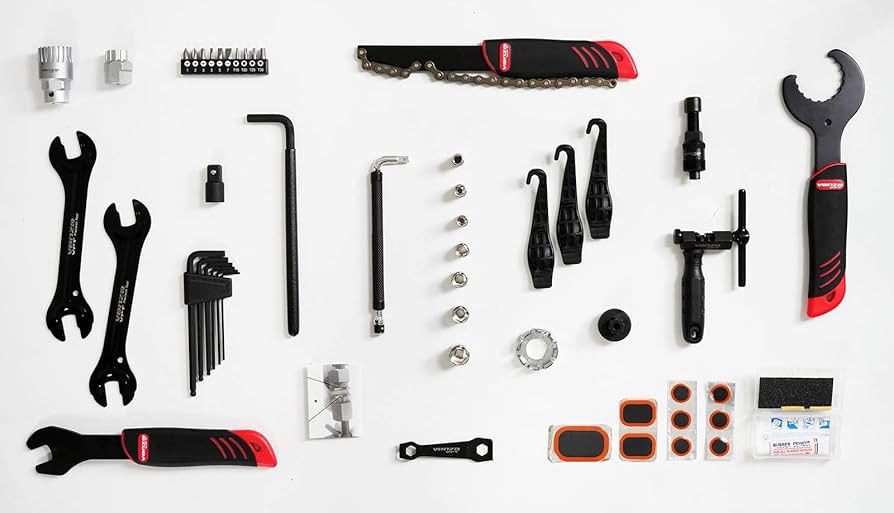
Are you tired of unexpected bike troubles ruining your ride? Knowing exactly what tools you need for bicycle maintenance can save you time, money, and frustration.
Imagine fixing a flat tire or adjusting your brakes all by yourself—feeling confident and in control. This guide will walk you through the essential tools every cyclist should have, so you’re always ready to keep your bike in top shape.
Keep reading, and discover how simple it is to take care of your bike like a pro.
Basic Repair Tools
Basic repair tools are essential if you want to keep your bike in top shape and handle minor issues on the road. Having a small set of reliable tools can save you time, money, and frustration during your rides. These tools are compact, easy to use, and designed specifically for common bike repairs.
Tire Levers
Tire levers are simple but powerful tools that help you remove your bike tire from the rim. Without them, changing a flat tire becomes a frustrating challenge. I once struggled to fix a flat without levers, and it took twice as long as it should have.
Good tire levers are made of durable plastic to avoid damaging the rim and come in sets of two or three. Carry them with you during rides to quickly pop off tires and fix flats on the go.
Patch Kits
A patch kit is a must-have for anyone who rides regularly. It allows you to fix punctures without replacing the entire inner tube. These kits typically include patches, glue, and sandpaper to prep the tube surface for a strong seal.
Using a patch kit might sound tricky if you haven’t tried it before, but with a little practice, it becomes second nature. Have you ever been stuck far from home wishing you had one? Keeping a patch kit in your saddlebag ensures you’re always ready for unexpected flats.
Multi-tools
A bike multi-tool combines several tools in one compact device, including hex wrenches, screwdrivers, and sometimes even a chain breaker. It’s perfect for quick adjustments and small repairs while you’re out riding.
I always keep a multi-tool handy because it lets me tighten loose bolts or adjust brakes without needing a full toolbox. If you want to travel light but be prepared, a multi-tool is your best friend on the road.
Cleaning Supplies
Maintaining your bicycle’s cleanliness is essential for smooth rides and longer bike life. Having the right cleaning supplies makes this task easier and more effective. It’s not just about keeping your bike shiny; it’s about preventing wear and tear on crucial components.
Chain Cleaner
A chain cleaner tool is a must-have if you want to keep your drivetrain running smoothly. It fits around your chain and scrubs it thoroughly as you pedal backward. This saves you time and effort compared to manual cleaning with a brush.
Using a chain cleaner regularly prevents dirt buildup that can cause your gears to slip or wear prematurely. Have you noticed your chain feeling sticky or noisy? That’s a sign it’s time to reach for this tool.
Brushes And Rags
Brushes come in all shapes and sizes, each designed for different parts of your bike. A stiff-bristle brush works great for tires and frames, while smaller brushes help clean tight spots like gears and brakes. Pair these with clean rags to wipe away grime and excess lubricant.
I learned the hard way that using just one brush isn’t enough. Investing in a set of brushes makes a big difference in how thoroughly you can clean your bike. Do you have a favorite brush or rag that makes cleaning less of a chore?
Degreaser
Degreaser is your go-to solution for breaking down tough grease and oil on your bike’s components. Choose a bike-specific degreaser that’s gentle on metal and plastic but tough on dirt. Avoid household degreasers that might damage parts or leave harmful residues.
Applying degreaser before scrubbing helps loosen stubborn grime, making your cleaning more effective. Do you usually spot clean or give your bike a full degreasing session? Either way, having a reliable degreaser changes the game.
Lubrication Essentials
Proper lubrication is key to smooth bicycle performance and longer component life. It reduces friction and prevents rust on moving parts. Keeping your bike well-lubricated makes rides easier and safer.
Focus on the chain, derailleur, and pivot points when applying lubricant. Using the right type of lubricant ensures better protection and efficiency.
Chain Lubricant Types
- Wet Lubricants:Best for wet or muddy conditions. They stay on the chain longer but attract dirt.
- Dry Lubricants:Ideal for dry, dusty environments. They keep the chain clean but wear off faster.
- Wax-Based Lubricants:Provide a clean, dry finish. They reduce dirt build-up but need frequent reapplication.
- All-Purpose Lubricants:Suitable for varied conditions. They offer balanced protection but might not excel in extremes.
Application Tips
- Clean the chain thoroughly before applying lubricant.
- Apply a drop of lubricant on each chain link while turning the pedals backward.
- Wipe off excess lubricant with a clean cloth to avoid dirt attraction.
- Lubricate regularly, especially after wet rides or every 100-200 miles.
- Focus on moving parts like derailleur pivots and brake levers for smooth operation.

Credit: www.amazon.com
Tire And Wheel Tools
Maintaining your bicycle’s tires and wheels is crucial for smooth rides and your safety on the road. Having the right tools at hand saves you time and frustration, whether you’re fixing a flat or tuning your spokes. Let’s look at the essential tools you should keep in your bike maintenance kit to keep your wheels rolling perfectly.
Pump Options
Your tires need the right amount of air pressure to perform well. A reliable bike pump is a must-have tool.
You can choose between floor pumps, which are great for home use and provide accurate pressure, and portable mini pumps, which fit in your backpack or attach to your frame for emergency inflations on the go.
Consider a pump with a pressure gauge built-in to avoid under- or over-inflation. What’s your current pump situation? Could a better pump improve your ride experience?
Spoke Wrench
Spokes keep your wheels true and strong. Over time, they can loosen or tighten, causing wobbles or uneven tension.
A spoke wrench is a small but powerful tool that lets you adjust individual spokes. This helps you straighten your wheels without needing to visit a bike shop for every minor issue.
Spoke wrenches come in various sizes, so check your bike’s spoke nipples before buying one. Have you noticed any wheel wobbles that might be fixed with a quick spoke adjustment?
Tire Pressure Gauge
Knowing your tire pressure is the key to consistent performance. While many pumps have built-in gauges, a separate tire pressure gauge offers more precise readings.
Digital or analog models are available, and having one ensures you can quickly check tire pressure anytime, even if your pump doesn’t have a gauge.
Keeping your tires at the right pressure improves grip, reduces flats, and makes pedaling easier. How often do you check your tire pressure before a ride?
Brake And Gear Adjustment Tools
Brake and gear adjustments keep a bike running smoothly and safely. These tools help fix issues like squeaky brakes or gears that slip. Having the right equipment makes the job easier and more precise. Below are key tools for brake and gear maintenance.
Allen Keys
Allen keys, also called hex wrenches, fit many bike bolts. They adjust brake levers, calipers, and derailleurs. A set with different sizes works best. These keys provide good control for tight or small bolts.
Cable Cutters
Cable cutters trim brake and gear cables cleanly. Sharp cuts prevent frayed ends that can cause problems. Regular wire cutters often crush cables, causing damage. Use cable cutters to keep cables neat and functional.
Torque Wrenches
Torque wrenches tighten bolts to the right force. Too tight or loose bolts can harm parts or cause failure. This tool protects delicate bike components, like carbon handlebars or brakes. It ensures safe, accurate adjustments every time.

Credit: www.vevor.com
Advanced Maintenance Gear
Advanced maintenance gear helps keep your bike in top shape. These tools allow deep repairs and replacements. Investing in them saves time and money on bike shops. You can handle complex tasks like fixing the bottom bracket or cassette. These tools bring precision and ease to tough jobs.
Bottom Bracket Tools
Bottom bracket tools help remove and install the bike’s crankset. They fit specific bottom bracket types. Using the right tool prevents damage during repairs. These tools fit into the grooves or splines of the bottom bracket. This grip allows you to turn and remove tight parts easily.
Cassette Removers
Cassette removers help take off the rear gears from the wheel. They fit inside the cassette’s lockring. This tool lets you loosen and remove the cassette without damage. Removing the cassette is needed for cleaning or replacing worn gears. Cassette removers come in different sizes for various brands.
Chain Whip
A chain whip holds the cassette steady while using a cassette remover. It wraps around one gear to stop it from turning. This tool provides the necessary grip to loosen the lockring. Without a chain whip, removing the cassette is almost impossible. It is a must-have for serious bike maintenance.
Storage And Organization
Keeping your bicycle tools well stored and organized makes maintenance quicker and less frustrating. It saves you from hunting down a wrench or screwdriver when you need it most. You’ll spend more time fixing your bike and less time untangling a mess of tools.
Tool Boxes
A good toolbox is more than just a container; it’s your maintenance command center. Choose one with compartments or trays to separate small parts like screws, nuts, and bolts. Clear lids or labels help you spot what you need instantly.
Consider the size and portability. A compact toolbox fits in a small workshop or garage shelf. If you prefer working outdoors, a portable box with a sturdy handle makes carrying tools easy. I once wasted a full afternoon because my tools were scattered—having a reliable toolbox would have saved me hours.
Work Stands
A work stand holds your bike steady and at a comfortable height while you work. This reduces strain on your back and lets you access all parts without awkward bending or stretching. Some stands come with built-in trays to hold your tools within arm’s reach.
Look for stands that clamp securely and adjust to different bike sizes. Stability matters—no one wants a wobbling bike mid-repair. Investing in a good stand can turn a frustrating repair into an enjoyable project. Have you noticed how much easier repairs are when your bike stays put?

Credit: www.amazon.ca
Frequently Asked Questions
What Basic Tools Are Essential For Bicycle Maintenance?
Essential tools include tire levers, a patch kit, a pump, Allen wrenches, and a chain tool. These help fix flats, adjust brakes, and tighten bolts, ensuring smooth rides.
How Do I Choose The Right Bicycle Pump?
Choose a pump compatible with your valve type—Presta or Schrader. A floor pump with a pressure gauge is best for accurate inflation and ease of use.
Why Is A Chain Lubricant Important For Bike Care?
Lubricant reduces friction and prevents rust on your chain. Regular application extends chain life and improves pedaling efficiency, keeping your bike running smoothly.
Can I Maintain My Bike With Just Basic Tools?
Yes, basic tools handle most common repairs like fixing flats and adjusting brakes. For complex issues, specialized tools or professional help may be needed.
Conclusion
Having the right tools makes bike care simple and safe. Basic tools like tire levers, a pump, and wrenches cover most repairs. Keeping your bike in good shape saves time and money. Regular maintenance prevents bigger problems later on. Start small and add tools as you learn.
Enjoy smoother rides and fewer breakdowns with proper care. Simple tools help you stay confident on the road. Every cyclist benefits from knowing their bike well.