Your furnace works hard to keep your home warm and cozy, especially when the cold months hit. But without the right tools, maintaining it can feel like a confusing and frustrating task.
Imagine spotting small issues early and fixing them yourself—saving money and avoiding those unexpected breakdowns. You’ll discover the must-have tools that make furnace maintenance simple and effective. Ready to take control of your home’s comfort? Let’s dive in and equip you with everything you need to keep your furnace running smoothly all year long.
Credit: www.youtube.com
Basic Safety Gear
Safety is key when working on your furnace. Basic safety gear protects you from burns, dust, and debris. Wearing the right equipment keeps your hands, eyes, and lungs safe. This gear helps prevent accidents and ensures a smooth maintenance process.
Gloves And Eye Protection
Gloves protect your hands from sharp edges and hot parts. Choose heat-resistant gloves for extra safety. Eye protection shields your eyes from dust and flying particles. Safety glasses or goggles work best. Always wear both to avoid injuries during maintenance.
Dust Masks And Respirators
Furnace maintenance can stir up dust and harmful particles. Dust masks filter out dirt and allergens from the air. For more protection, use respirators that block fine dust and fumes. These help keep your lungs safe and breathing easy while working.
Cleaning Tools
Cleaning tools are essential for keeping your furnace running smoothly. Regular cleaning removes dust and debris that can block airflow and reduce efficiency. These tools help maintain your furnace’s lifespan and improve indoor air quality.
Using the right cleaning tools makes furnace maintenance easier and more effective. Each tool targets different types of dirt and hard-to-reach areas. Proper cleaning prevents costly repairs and keeps your home comfortable.
Vacuum Cleaners For Dust Removal
Vacuum cleaners with HEPA filters are great for removing dust inside the furnace. They capture fine particles that can harm the system. A vacuum with a narrow nozzle helps reach tight spots around the blower and vents. Regular vacuuming prevents dust buildup and improves furnace performance.
Brushes For Debris Clearing
Brushes are useful for clearing debris from furnace parts. Soft-bristled brushes clean delicate components without damage. Wire brushes remove stubborn dirt from metal surfaces. Using a brush helps dislodge dirt stuck in corners or vents. Choose different sizes to access all furnace areas easily.
Compressed Air Cans
Compressed air cans blow away dust from hard-to-reach places. They are perfect for cleaning coils, fans, and electrical parts. The strong air pressure removes loose dirt without touching sensitive components. Use short bursts to avoid moisture buildup inside the furnace. Compressed air keeps your furnace clean and efficient.
Inspection Instruments
Inspection instruments are essential for keeping your furnace running safely and efficiently. These tools help you identify issues before they become costly repairs or safety hazards. Having the right instruments on hand lets you perform thorough checks and maintain your heating system with confidence.
Thermometers And Temperature Guns
Thermometers and temperature guns allow you to check the heat output of your furnace quickly. Temperature guns, in particular, provide instant surface temperature readings without contact, which is perfect for checking vents, pipes, and the furnace exterior.
Using these tools, you can spot temperature inconsistencies that may indicate blockages, leaks, or failing components. Have you ever noticed a room that just won’t warm up? A quick temperature scan can reveal if your furnace is delivering heat evenly.
Carbon Monoxide Detectors
Carbon monoxide (CO) is a silent danger that can leak from faulty furnaces. A reliable CO detector is a must-have for every homeowner. It alerts you immediately if dangerous levels of this odorless gas are present.
Installing and regularly testing a carbon monoxide detector can save lives. Don’t wait for symptoms like headaches or dizziness to appear—protect your home proactively.
Manometers For Pressure Testing
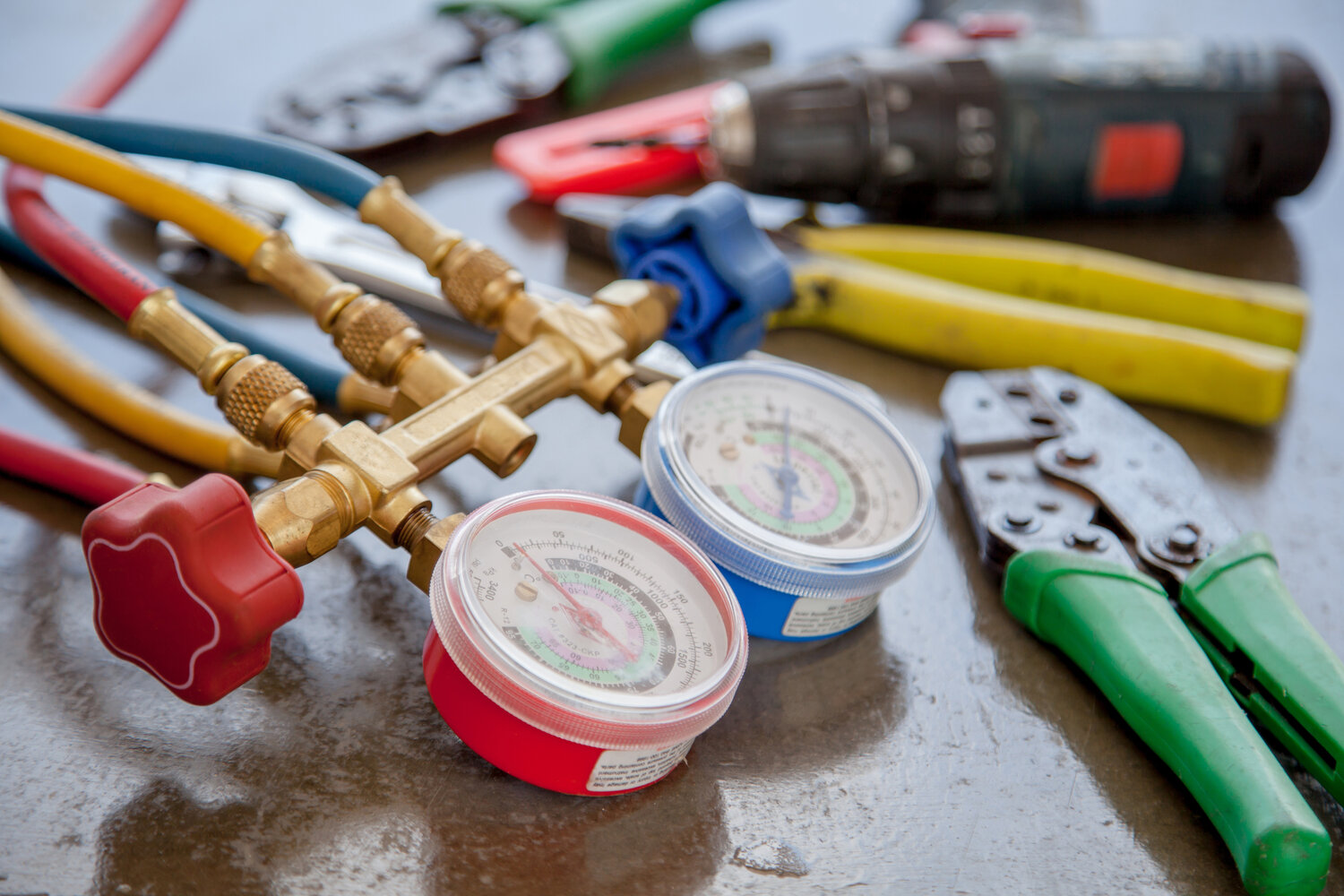
Manometers measure gas pressure inside your furnace’s fuel lines and burners. Correct pressure is crucial for safe and efficient furnace operation. Low or high pressure can lead to incomplete combustion or even gas leaks.
Using a manometer helps you adjust the gas flow to the manufacturer’s specifications. Have you checked your furnace’s gas pressure lately? It’s a step many skip but can prevent costly breakdowns and safety issues.

Credit: www.reddit.com
Repair And Adjustment Tools
Repair and adjustment tools are essential for keeping a furnace working well. These tools help fix small issues and make sure every part fits perfectly. Having the right tools saves time and prevents bigger problems later. This section covers key tools needed for furnace repair and adjustment tasks.
Screwdrivers And Wrenches
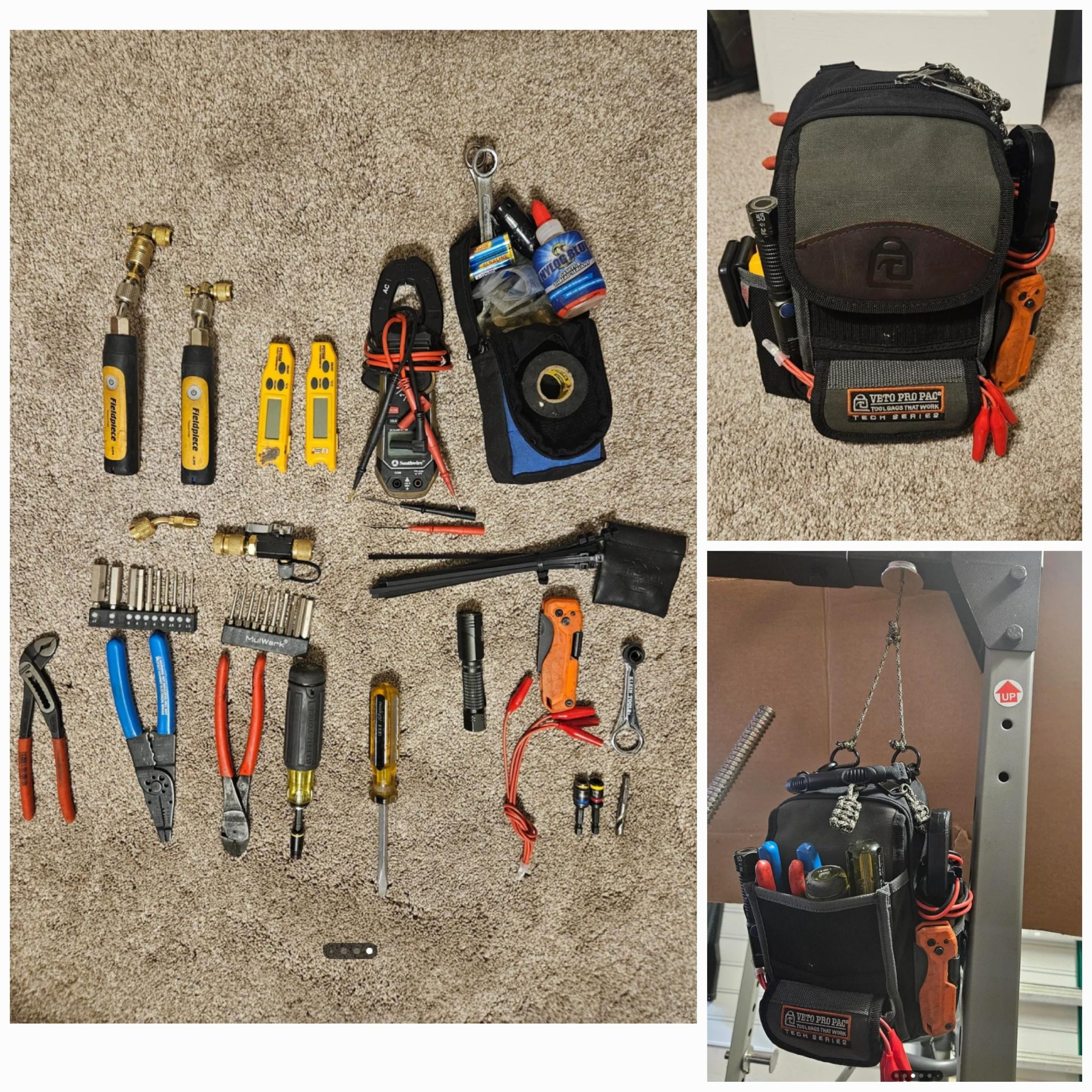
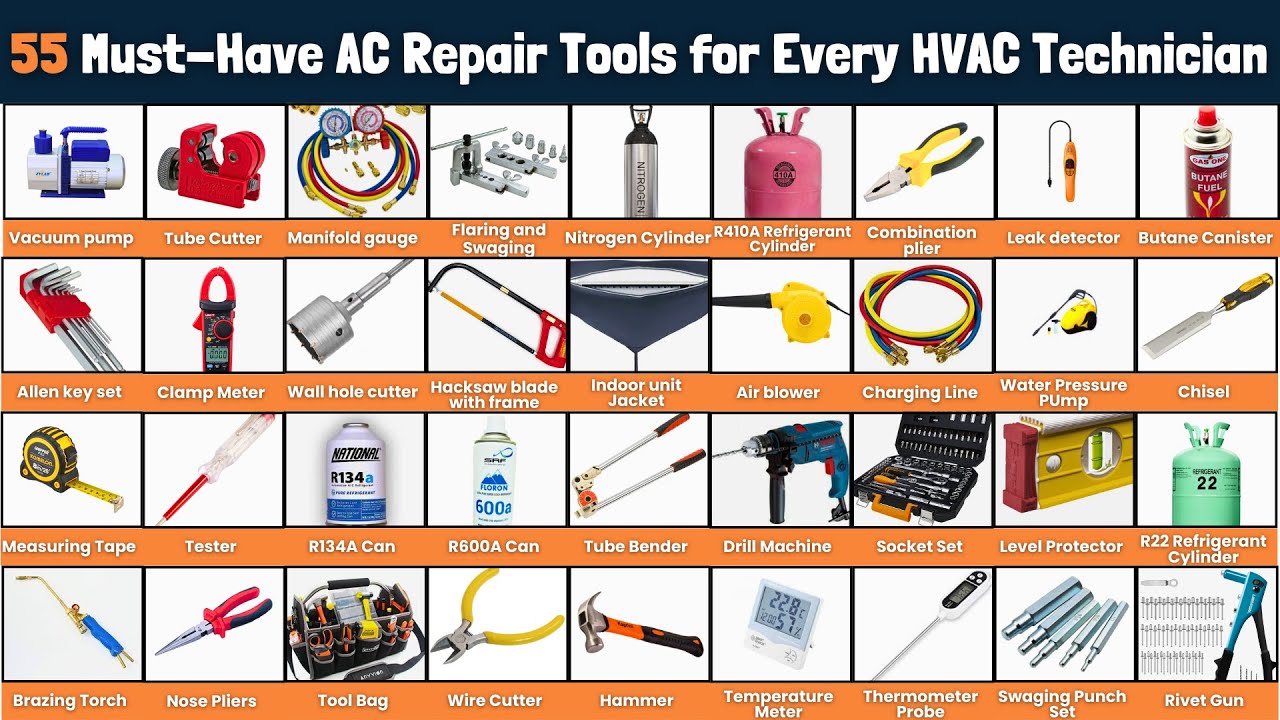
Screwdrivers and wrenches are basic tools for furnace maintenance. Use screwdrivers to remove or tighten screws on panels and controls. Wrenches help adjust bolts and nuts on various furnace parts. Different sizes of these tools ensure a good fit on all fasteners. A set of flathead and Phillips screwdrivers covers most screws on furnaces.
Multimeters For Electrical Testing
Multimeters check electrical parts in a furnace. They measure voltage, current, and resistance. This helps find problems like broken wires or faulty switches. Using a multimeter is safe and fast to diagnose electrical issues. It is important to test the furnace before making repairs.
Replacement Parts And Lubricants
Having common replacement parts ready speeds up furnace repairs. Parts like filters, belts, and fuses wear out over time. Lubricants reduce friction in moving parts, making the furnace run smoothly. Use the right lubricant type to avoid damage. Always keep spare parts and lubricants on hand for quick fixes.
Filters And Replacement Components
Keeping your furnace in top shape means paying close attention to filters and replacement parts. These small components play a huge role in your furnace’s efficiency and lifespan. Neglecting them can lead to costly repairs and uncomfortable winters.
Air Filters
Air filters trap dust, dirt, and allergens, preventing them from clogging your furnace. Dirty filters force your system to work harder, raising energy bills and risking damage. Check your filter monthly and swap it out every 1-3 months depending on usage and air quality.
Choosing the right filter matters. High-efficiency filters improve air quality but may reduce airflow if your furnace isn’t designed for them. Have you ever noticed your furnace struggling after a filter change? That might be why.
Thermostat Batteries
A dead thermostat battery can disrupt your heating schedule without warning. Changing these batteries regularly keeps your furnace responding to temperature changes promptly. It’s a simple step that saves you from unexpected cold nights.
Try to replace thermostat batteries once a year, ideally before the heating season starts. Have you checked your thermostat’s display lately? If it’s dim or unresponsive, the battery might be the culprit.
Igniters And Flame Sensors
Igniters light the burner, and flame sensors confirm the flame is stable. Both parts wear out over time, causing your furnace to fail to start or shut off prematurely. Keeping spares on hand helps you fix these issues quickly without waiting for a technician.
Cleaning flame sensors regularly can prevent false shutdowns. If your furnace won’t stay on, have you inspected the sensor? Sometimes, a quick wipe with fine sandpaper is all it takes to bring your furnace back to life.
Maintenance Checklists And Logs
Keeping your furnace running smoothly means staying organized with maintenance checklists and logs. These tools help you track what’s been done and what needs attention, preventing small issues from turning into costly repairs. They also give you a clear history, which is handy if you ever need professional help.
Scheduling Tools
Using scheduling tools ensures you never miss a maintenance task. You can rely on simple calendars, digital apps, or reminder systems. For example, setting up recurring alerts on your phone for monthly filter checks keeps things on track without much effort.
Physical planners work well if you prefer writing things down. You might find it easier to glance at a wall calendar and mark completed jobs. The key is finding a tool that fits your routine so you stick with it consistently.
Record Keeping Methods
Good record keeping means more than just noting dates. You want to log details like what parts were cleaned, replaced, or inspected. This information helps you spot patterns and makes conversations with technicians more productive.
Many people use simple notebooks or spreadsheets. Some even take photos of the furnace components during maintenance to track wear and tear visually. What kind of record-keeping system would you find easiest to maintain over time?
Credit: www.hvactoolreview.com
Frequently Asked Questions
What Tools Are Needed For Furnace Maintenance?
Essential tools for furnace maintenance include a multimeter, screwdrivers, and a vacuum cleaner. A multimeter helps in checking electrical connections. Screwdrivers are needed for panel removal and adjustments. A vacuum cleaner assists in removing dust and debris. These tools ensure your furnace operates efficiently and safely.
How Often Should I Use Furnace Maintenance Tools?
Use furnace maintenance tools at least twice a year. Regular maintenance before the heating season begins ensures optimal performance. It also helps in identifying potential issues early. Routine checks in the spring can prolong the furnace’s lifespan and improve energy efficiency.
Can I Maintain My Furnace Without Professional Help?
Yes, basic furnace maintenance can be done without professional help. Regularly cleaning or replacing filters and checking for blockages are simple tasks. However, for complex issues or repairs, consulting a professional is recommended. This ensures safety and prevents potential damage to the furnace system.
Why Is A Multimeter Important For Furnace Maintenance?
A multimeter is crucial for testing electrical components. It helps in checking voltage, current, and resistance in the furnace. This ensures all electrical connections are functioning properly. Identifying faulty components early can prevent major issues, ensuring safe and efficient furnace operation.
Conclusion
Keeping your furnace in good shape saves money and stress. Basic tools make maintenance easier and safer. Regular checks help avoid sudden breakdowns and costly repairs. Simple steps with the right tools keep your home warm and comfortable. Start using these tools today to protect your furnace.
Small efforts now lead to long-term comfort and savings. Maintenance does not have to be hard or confusing. Just a little care goes a long way.