Are you wondering if you need special tools to keep your equipment or home in top shape? Knowing exactly what tools you need can save you time, money, and frustration.
Imagine being ready to fix a problem the moment it appears, without scrambling for the right gear. You’ll discover which tools are essential for maintenance tasks and how having the right ones can make your life easier. Keep reading—you’re about to unlock the secret to smooth, hassle-free upkeep.
Basic Maintenance Tools
Basic maintenance tools form the foundation of any repair or upkeep task. They help keep your home, car, or gadgets in good shape. Having the right tools saves time and effort. These tools are simple but effective. Every toolbox should include a few essentials to handle common problems.
Hand Tools Essentials
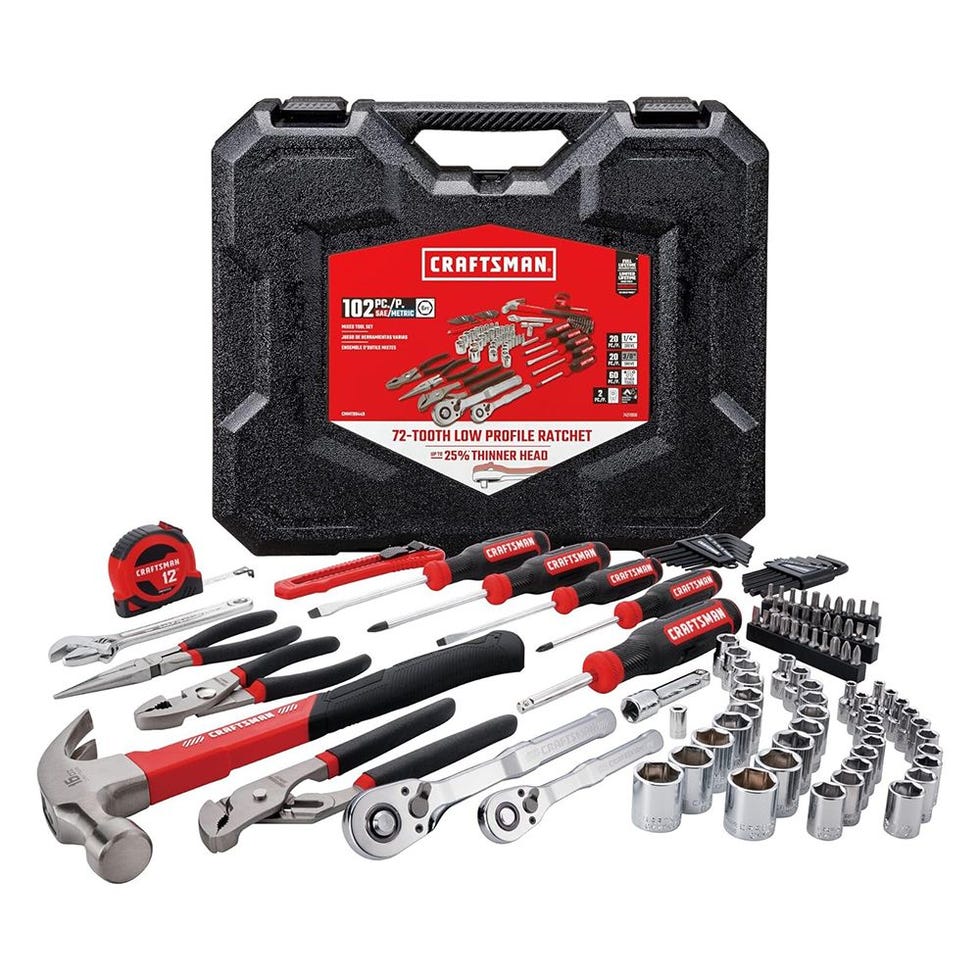
Hand tools are the most common and useful items for basic maintenance. They include:
- Screwdrivers (flathead and Phillips)
- Hammer
- Adjustable wrench
- Pliers (needle nose and regular)
- Utility knife
- Measuring tape
- Allen keys (hex wrenches)
These tools cover most small repairs like tightening screws, cutting materials, or measuring spaces. They are easy to carry and use.
Power Tools For Efficiency
Power tools make maintenance faster and less tiring. Common power tools are:
- Electric drill
- Cordless screwdriver
- Jigsaw
- Orbital sander
Power tools handle tougher jobs like drilling holes or cutting wood. They need electricity or batteries to work. Using them saves time and effort on bigger tasks.
Safety Gear Must-haves
Safety gear protects you during maintenance work. Important items include:
- Safety glasses
- Work gloves
- Dust mask
- Ear protection
These tools keep you safe from dust, sharp objects, and loud noises. Always wear safety gear to avoid injuries.

Credit: www.popularmechanics.com
Specialized Tools For Different Tasks
Every maintenance task demands the right tools to get the job done efficiently and safely. Using specialized tools not only makes your work easier but also helps avoid damage to equipment and reduces the risk of injury. Let’s break down some key tools tailored for different maintenance areas so you can be prepared for whatever task lies ahead.
Electrical Maintenance Tools
Working with electrical systems requires precision and safety. Essential tools include insulated screwdrivers and pliers to protect you from electric shocks. A multimeter is a must-have for measuring voltage, current, and resistance, helping you diagnose issues quickly.
Other handy tools are wire strippers for cleanly removing insulation and circuit testers to check if a circuit is live. Have you ever tried fixing an outlet without a proper voltage tester? It’s risky and inefficient. Investing in the right electrical tools saves time and safeguards your wellbeing.
Plumbing Tool Kit
Plumbing repairs often involve tight spaces and stubborn fittings. A basic plumbing kit should have an adjustable wrench, pipe wrench, and a set of plumber’s tape. These tools help you tighten and loosen pipes without causing leaks.
Don’t forget a drain snake or auger to clear blockages effectively. When I first tackled a clogged sink with just a plunger, it took hours. Adding a drain snake to my toolkit cut the job down to minutes and saved a lot of frustration. Would you prefer spending hours or minutes on plumbing fixes?
Hvac Maintenance Equipment
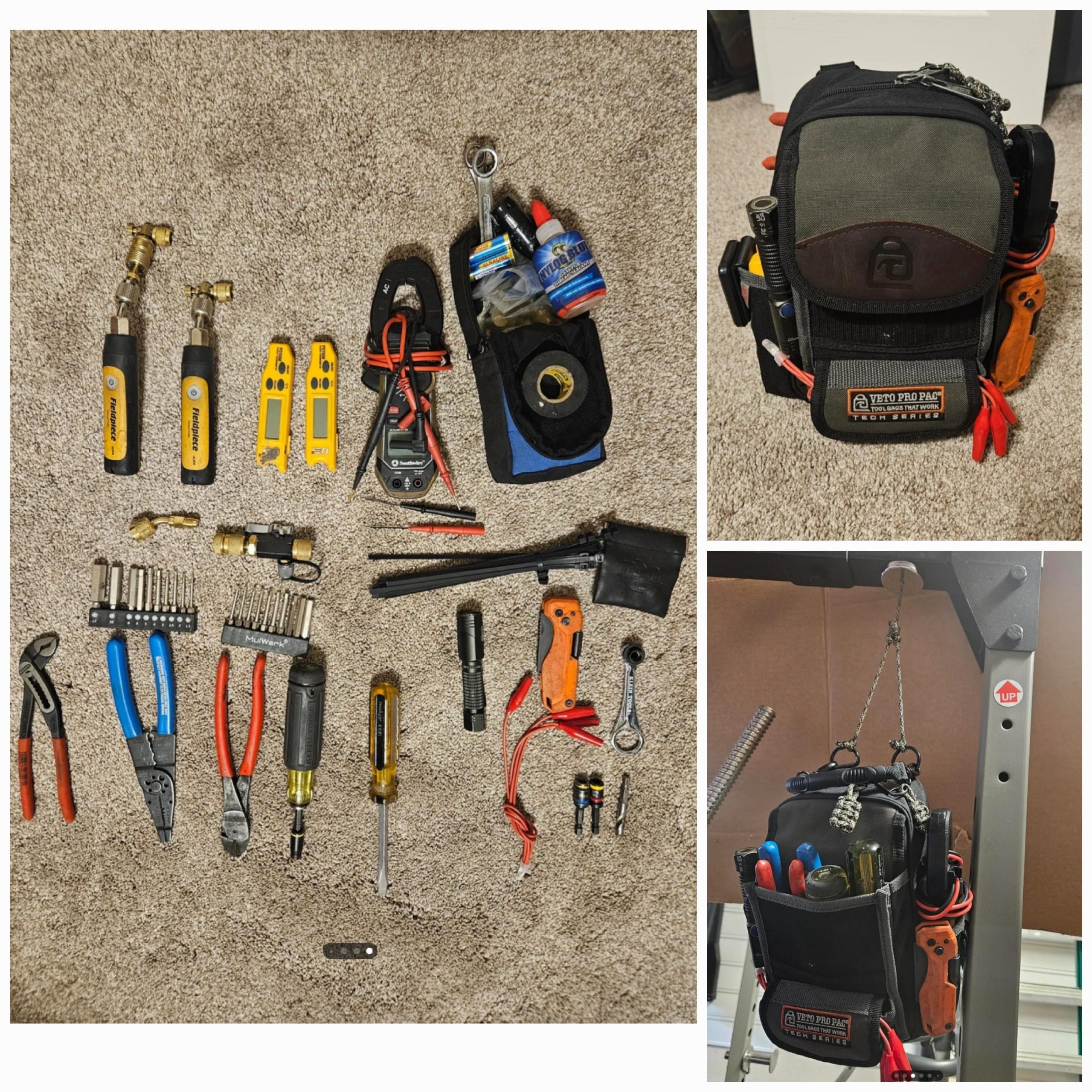
Heating, ventilation, and air conditioning systems need specific equipment for proper upkeep. A refrigerant gauge set helps you monitor and adjust refrigerant levels accurately. Thermometers and hygrometers let you check temperature and humidity levels to ensure optimal performance.
Other important items include fin combs to straighten bent fins on coils and vacuum pumps for system evacuation. Using the right HVAC tools can prevent costly system failures and improve energy efficiency. Are you equipped with these tools to keep your HVAC running smoothly?
Tool Quality And Durability
Choosing the right tools for maintenance isn’t just about having the necessary functions. The quality and durability of those tools significantly affect how well they perform and how long they last. Investing in high-quality tools saves you time, money, and frustration by reducing the need for frequent replacements.
Material And Build
Look for tools made from sturdy materials like high-grade steel, titanium, or reinforced alloys. These materials resist wear and tear, even under tough conditions. Pay attention to the handle design too—ergonomic grips and rust-resistant coatings make a big difference in comfort and lifespan.
Have you ever struggled with a tool that bent or broke midway through a job? That’s usually because of cheap materials or poor build quality. Avoid tools that feel flimsy or lightweight unless they are specifically designed for light tasks.
Brand Recommendations
Some brands have earned a reputation for quality by consistently delivering durable tools. Brands like DeWalt, Bosch, and Milwaukee are popular because they combine innovation with reliability. If you’re on a budget, consider brands like Craftsman or Stanley, which offer decent quality at lower prices.
Try to read user reviews and ask around in forums or local hardware stores to get real-world feedback. Have you noticed how some brands offer warranties? That’s often a sign they trust their product’s durability.
Tool Maintenance Tips
Even the best tools need care to stay in peak condition. Regularly clean your tools after use to remove dirt and moisture that cause rust and damage. Lubricate moving parts and store tools in a dry, organized space to prevent unnecessary wear.
Sharpen blades and replace worn-out components promptly. This not only extends the life of your tools but also ensures your maintenance work is safer and more efficient. How often do you check your tools for signs of wear?
Credit: www.popularmechanics.com
Organizing And Storing Tools
Keeping your tools organized and stored properly can save you hours of frustration and improve the efficiency of your maintenance tasks. When tools have a dedicated place, you spend less time searching and more time fixing. Have you ever noticed how a cluttered toolbox can slow down even the simplest job?
Tool Storage Solutions
Choosing the right storage solution depends on the types and sizes of your tools. Wall-mounted pegboards are great for keeping frequently used tools visible and easy to grab. Heavy-duty tool chests with drawers protect delicate instruments and help separate different tool categories.
Stackable plastic bins work well for small parts and accessories. Consider adding magnetic strips to hold metal tools or using clear containers to quickly identify contents without opening them.
Labeling And Accessibility
Labels are more than just stickers—they’re a guide to efficiency. Label each drawer, bin, or section clearly to help you return tools to their exact spot after use. This habit keeps your workspace neat and prevents lost tools.
Think about how often you use certain tools. Place the most used ones within easy reach, and store seasonal or rarely used items higher up or in less accessible areas. This simple change can speed up your workflow significantly.
Portable Toolkits
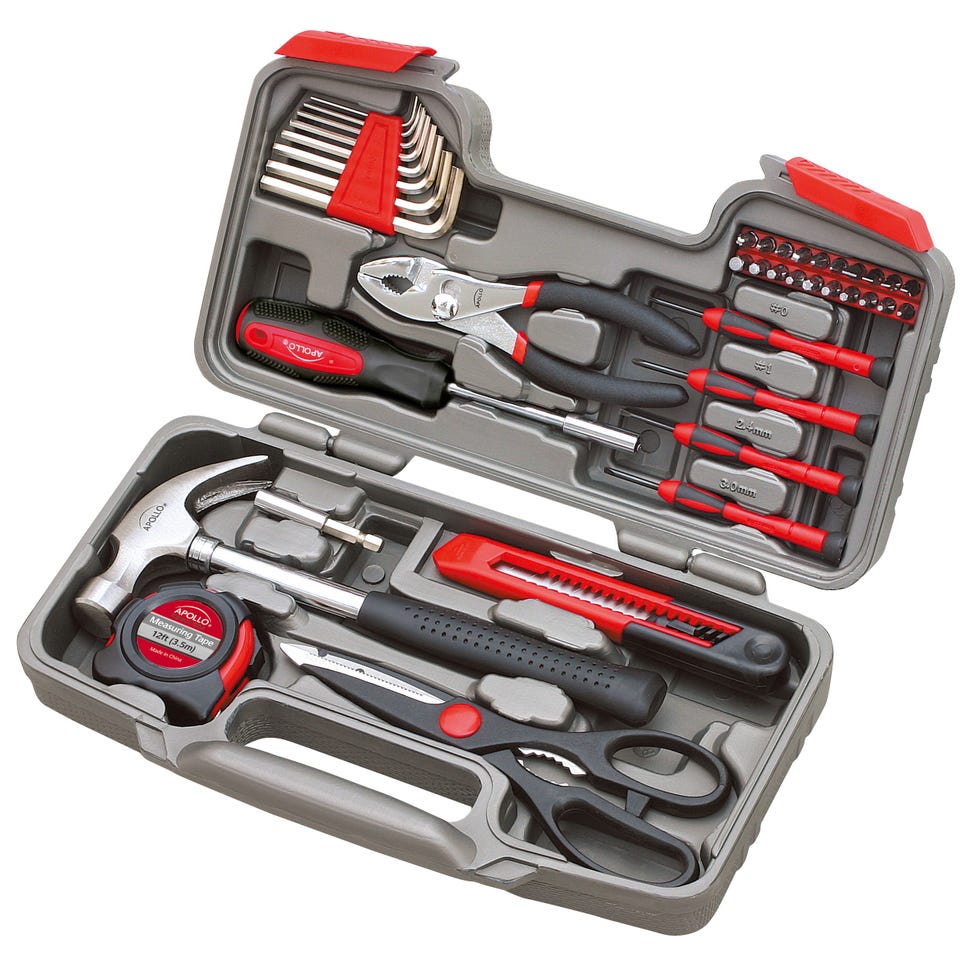
A portable toolkit is a lifesaver when you need to move around or work in tight spaces. Choose a compact case with compartments designed to hold essential tools securely. This keeps everything organized and prevents damage during transport.
Consider customizing your portable kit based on the type of maintenance you do most often. Having the right tools on hand, no matter where you are, makes unexpected repairs less stressful and more manageable.
When To Upgrade Or Replace Tools
Knowing when to upgrade or replace your tools is key for smooth maintenance. Using worn or outdated tools can slow down work and cause mistakes. Recognizing the right time to act helps save money and improve results. It also keeps your projects safe and efficient.
Signs Of Wear And Tear
Look for visible damage like cracks, rust, or bent parts. Tools that don’t work as smoothly or need extra force may be worn out. Loose handles or broken components show clear signs of wear. If a tool feels unsafe or unstable, it needs attention. Regularly check your tools to catch problems early.
Cost Vs. Benefit Analysis
Compare the price of fixing a tool with buying a new one. Sometimes repairs cost more than replacement. New tools often come with better features and warranties. Consider how often you use the tool and its importance. Budgeting smartly helps avoid wasting money on useless repairs.
Eco-friendly Disposal
Dispose of old tools properly to protect the environment. Many tools can be recycled or donated if still usable. Avoid throwing tools in regular trash to reduce landfill waste. Check for local recycling centers that accept metal and electronic tools. Responsible disposal supports a cleaner, healthier planet.
Credit: www.popularmechanics.com
Frequently Asked Questions
What Tools Are Essential For Maintenance?
Essential maintenance tools include screwdrivers, pliers, and wrenches. A multimeter is crucial for electrical checks. A cordless drill helps with quick fixes. Use a utility knife for cutting tasks. Don’t forget a hammer for basic repairs. These tools ensure efficient maintenance and prolong equipment lifespan.
Do I Need Safety Gear For Maintenance?
Yes, safety gear is vital for maintenance tasks. Use gloves to protect your hands from injuries. Safety glasses shield your eyes from debris. Ear protection is crucial in loud environments. A hard hat protects against head injuries. Proper footwear prevents slips and falls.
Safety gear ensures a safe working environment.
Are Power Tools Necessary For Maintenance?
Power tools are often necessary for efficient maintenance. They save time and effort. A cordless drill speeds up fastening tasks. An angle grinder is useful for cutting and grinding. A jigsaw helps with precise cuts. Choose quality power tools for better performance.
They enhance productivity in maintenance tasks.
What Measuring Tools Do I Need?
Accurate measurements are crucial in maintenance. A tape measure is essential for precise measurements. Use a spirit level to ensure straightness. A caliper provides exact measurements for small parts. A laser measure offers quick and accurate readings. These tools ensure precise and efficient maintenance work.
Conclusion
Maintaining tools helps keep equipment working well. Basic tools like screwdrivers, wrenches, and cleaners often suffice. Some tasks may need special tools for best results. Using the right tools saves time and prevents damage. Regular checks spot problems early and avoid big repairs.
Simple maintenance can extend the life of your items. Choose tools that match your skill and task needs. Careful tool use makes maintenance easier and safer. Everyone can handle maintenance with the proper tools at hand.