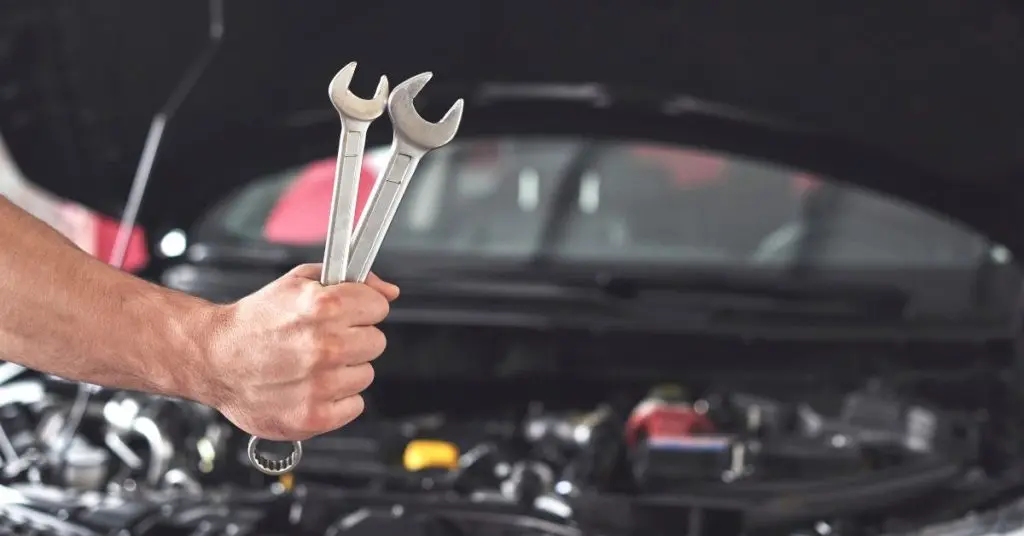
Are you tired of feeling helpless every time your car needs a little TLC? Knowing the right tools for car maintenance can save you time, money, and stress.
Imagine being able to fix small issues yourself without waiting for a mechanic or breaking the bank. You’ll discover exactly what tools you need to keep your car running smoothly and how each one can make a real difference. Ready to take control of your car’s care?
Let’s dive in.
Basic Hand Tools
Every car owner should have a set of basic hand tools ready for routine maintenance and minor repairs. These tools save you time and money by allowing you to tackle simple jobs yourself. With the right hand tools, you’ll feel confident handling tasks like tightening bolts, changing filters, or fixing loose parts.
Wrenches And Sockets
Wrenches and sockets are essential for loosening and tightening nuts and bolts on your car. A good set of combination wrenches, which have an open end and a boxed end, gives you flexibility in tight spaces.
Socket sets with ratchets speed up work significantly. They come in various sizes, so having both metric and standard sets covers most vehicles. Ever struggled with a stubborn bolt? Using the right size socket can prevent stripping and make your job easier.
Screwdrivers
Screwdrivers are a must-have for almost every maintenance task. You’ll want a variety of flathead and Phillips head screwdrivers in different sizes to match screws on your car’s panels, battery terminals, and interior parts.
A magnetic tip screwdriver can save you from dropping screws into hard-to-reach places. Have you ever dropped a tiny screw and spent ages trying to find it? This simple feature can save you that hassle.
Pliers And Cutters
Pliers are handy for gripping, twisting, and cutting wires or small components. Needle-nose pliers help reach into narrow spots, while slip-joint pliers adjust to different sizes, making them very versatile.
Wire cutters or diagonal cutters let you trim cables and zip ties cleanly. You might not use these every day, but when you do, having quality pliers and cutters makes the task quick and safe.

Credit: www.youtube.com
Fluid Maintenance Tools
Keeping your car’s fluids in check is one of the most important parts of maintenance. Without the right tools, changing oil, brake fluid, or other essential liquids can turn into a messy, frustrating task. Having a few key fluid maintenance tools not only makes the job easier but also ensures you don’t damage your vehicle or waste fluids.
Oil Drain Pan
An oil drain pan is a must-have for any oil change. It catches the old oil as it drains from your engine, preventing spills on your driveway or garage floor. Look for a pan with a large capacity and a spout to help with easy disposal.
When I first changed my oil without a proper pan, I ended up with oil everywhere. Since upgrading, the process has become much cleaner and less stressful. Are you ready to avoid the mess and save time on your next oil change?
Funnel And Fluid Pumps
Funnels help you pour fluids without spilling, which is crucial when topping off oil, coolant, or transmission fluid. A narrow, long-neck funnel can reach tight spaces easily.
Fluid pumps are handy when dealing with thicker fluids or hard-to-reach reservoirs. They let you transfer fluid smoothly without lifting heavy containers or risking spills.
Think about how much time and frustration you can save by using the right funnel or pump. Isn’t it worth having these simple tools ready for your next fluid top-up?
Brake Bleeder Kit
Bleeding your brakes is vital for safety, but it’s not something you want to guess at. A brake bleeder kit helps remove air bubbles from brake lines, ensuring your brakes respond correctly.
Using a kit with clear tubing and a catch bottle makes the process straightforward and clean. I remember struggling with brake bleeding until I got a proper kit; now it’s a task I can handle confidently at home.
Do you want your brakes to perform reliably without costly visits to the mechanic? This tool is a smart investment for any DIY car owner.
Tire Care Equipment
Taking care of your tires is essential for safety and performance. Having the right tire care equipment makes routine checks and emergency fixes much easier. These tools help you maintain proper tire pressure, change tires safely, and avoid costly repairs down the road.
Tire Pressure Gauge
Keeping your tires inflated to the correct pressure improves fuel efficiency and extends tire life. A tire pressure gauge lets you check pressure quickly and accurately. Digital gauges are easy to read, but even a basic analog gauge works well if you use it regularly.
Do you know your car’s recommended tire pressure? It’s usually on a sticker inside the driver’s door. Checking pressure once a month can prevent uneven wear and improve handling.
Car Jack And Jack Stands
A reliable car jack is crucial if you need to lift your vehicle to change a tire or inspect the underside. Scissor jacks come with most cars, but a hydraulic floor jack offers better stability and ease of use. Remember, never rely on the jack alone—always use jack stands to secure your car safely.
I once tried changing a tire without jack stands and learned the hard way how dangerous that can be. Investing in good jack stands means you can work under your car with confidence and no risk of it slipping down.
Lug Wrench
The lug wrench is your tool for loosening and tightening lug nuts when changing tires. A cross-shaped lug wrench gives better leverage and makes the job faster. Some come with different socket sizes to fit various vehicles, which adds convenience.
If your lug nuts are too tight, a breaker bar or a wrench with a longer handle can help. Having the right lug wrench ready means you won’t be stuck struggling during a roadside tire change.

Credit: blog.acmetools.com
Electrical And Diagnostic Tools
Electrical and diagnostic tools are essential for keeping your car’s electrical system in check and troubleshooting issues effectively. These tools help you understand what’s going wrong under the hood without guessing or unnecessary trips to the mechanic. Having the right equipment can save you time, money, and frustration by pinpointing problems early.
Multimeter
A multimeter is your go-to tool for measuring voltage, current, and resistance in your car’s electrical circuits. It helps you check the health of wires, fuses, and sensors by giving you precise readings. I once used a multimeter to find a faulty ground wire that was causing my headlights to flicker, and it was a quick fix that saved me a lot of hassle.
Using a multimeter is straightforward. You simply connect the probes to the circuit you want to test and read the values on the display. This tool is invaluable for diagnosing problems like dead batteries, bad alternators, or broken switches.
Obd-ii Scanner
The OBD-II scanner connects to your car’s onboard computer to read diagnostic trouble codes (DTCs). These codes tell you exactly what system or part is malfunctioning, from engine sensors to emission controls. This tool turns confusing warning lights into actionable information, so you know what needs fixing.
Many scanners offer live data streams, showing things like engine temperature and oxygen sensor activity in real-time. Having an OBD-II scanner means you can perform your own basic diagnostics before heading to a shop, saving you from unnecessary repairs or parts replacements.
Battery Tester
A battery tester evaluates your car battery’s charge level and overall health. It tells you if your battery is strong enough to start the engine or if it’s time for a replacement. I remember avoiding a dead battery emergency during a winter trip simply by running a quick test at home.
Battery testers are easy to use—just connect the clamps to your battery terminals and get an instant readout. Regular testing helps you avoid being stranded and ensures your electrical system gets the power it needs to run smoothly.
Cleaning And Detailing Supplies
Keeping your car clean and well-maintained goes beyond just washing it occasionally. Having the right cleaning and detailing supplies makes a huge difference in preserving your vehicle’s appearance and value. These tools help you tackle everything from dust and dirt to stubborn stains and interior grime effectively.
Microfiber Cloths
Microfiber cloths are essential for any car owner serious about detailing. They are soft, absorbent, and gentle on your car’s paint and interior surfaces, preventing scratches and swirl marks. You’ll find that using microfiber cloths for drying, dusting, and polishing saves time and gives your car a streak-free shine.
Keep several on hand for different tasks—one for windows, one for the dashboard, and another for exterior surfaces. Have you noticed how regular towels just don’t cut it for cleaning your car’s delicate finishes?
Car Wash Soap And Brushes
Regular household soaps can strip away your car’s protective wax, so invest in a soap made specifically for cars. These soaps clean effectively without damaging the paint or finish. Pair the soap with soft-bristled brushes that reach tight spots like wheel wells and grills.
Look for brushes with ergonomic handles for better grip during scrubbing. Have you ever tried using a stiff brush and ended up scratching your paint? Choosing the right brush can prevent that costly mistake.
Vacuum Cleaner
A good vacuum cleaner is a must for maintaining your car’s interior. It helps you remove dirt, crumbs, and debris from carpets, seats, and hard-to-reach crevices. Cordless handheld vacuums offer convenience, while models with various attachments let you clean every nook and corner thoroughly.
Consider a vacuum with strong suction and a long-lasting battery if you like to detail your car outdoors. How often do you clean the dust and dirt hidden under your seats?
Safety Gear
Safety gear is the foundation of any effective car maintenance routine. It protects you from cuts, burns, and harmful debris, allowing you to work confidently and efficiently. Without the right protection, even simple tasks can become risky and uncomfortable.
Gloves
Gloves shield your hands from sharp edges, hot surfaces, and grease. Choose durable, oil-resistant gloves to keep your grip firm and hands clean. I once skipped gloves while changing brake pads and ended up with painful scrapes—don’t make the same mistake.
Safety Glasses
Protecting your eyes is crucial, especially during tasks like grinding, drilling, or working under the car. Safety glasses prevent dust, metal shards, and fluids from causing serious injury. Have you ever had something unexpectedly splash in your eyes? It’s a sharp reminder why glasses are non-negotiable.
Work Light
A bright, hands-free work light illuminates dark corners and undercarriage areas, reducing mistakes and strain. LED options with adjustable beams help you focus exactly where you need it. Imagine fumbling with parts in poor light—how much easier is the job with proper lighting?

Credit: allamericanmotorshub.com
Frequently Asked Questions
What Are Essential Tools For Car Maintenance?
Essential tools include a socket set, wrenches, and screwdrivers. You’ll also need a jack and jack stands for safety. An oil filter wrench and funnel are crucial for oil changes. Having a tire pressure gauge and multimeter can help with diagnostics.
These tools cover basic maintenance tasks efficiently.
Why Is A Socket Set Important For Car Repairs?
A socket set is crucial for loosening and tightening bolts and nuts. It offers various sizes to fit different components. The set allows access to tight spaces, making repairs easier. Having both metric and standard sizes ensures versatility. It’s a fundamental tool for anyone performing car maintenance.
How Does A Multimeter Help In Car Maintenance?
A multimeter diagnoses electrical issues by measuring voltage, current, and resistance. It helps identify battery problems and faulty wiring. This tool is essential for testing fuses and detecting electrical shorts. Using a multimeter can prevent electrical failures and save repair costs.
It’s invaluable for maintaining your car’s electrical system.
Do I Need A Torque Wrench For Car Maintenance?
Yes, a torque wrench is crucial for tightening bolts to specific specifications. It prevents over-tightening, which can damage parts. Properly torqued bolts ensure safety and performance. This tool is especially important for tasks like changing tires and working on engine components.
It provides precision and peace of mind.
Conclusion
Having the right tools makes car maintenance easier and safer. A basic set helps fix small problems fast. Regular checks keep your car running smooth and avoid big costs. Start with essential tools like wrenches, screwdrivers, and a tire gauge.
Add more as you learn and feel confident. Taking care of your car saves time and money. Simple tools and regular care bring peace of mind. Keep your car healthy and enjoy every drive.