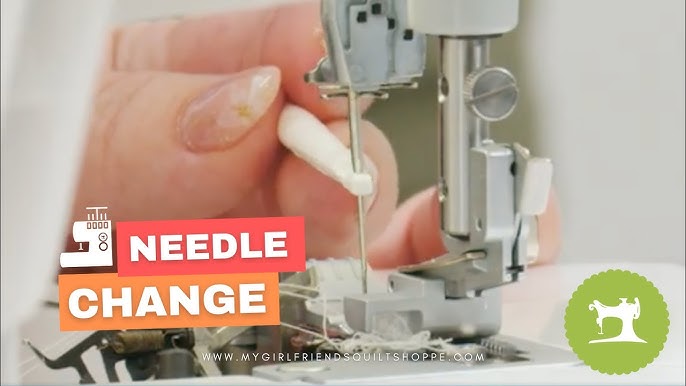
Have you ever faced the frustration of a dull or clogged needle but didn’t have the right tools on hand? You’re not alone.
Keeping your needle in top shape is crucial for smooth sewing, crafting, or even medical use, yet many believe it requires special equipment. What if you could maintain your needle’s sharpness and cleanliness using things you already have around you?
You’ll discover simple, effective ways to perform needle maintenance without any tools. By the end, you’ll save time, avoid unnecessary trips to the store, and keep your projects running smoothly. Ready to learn these easy tricks? Let’s dive in!
Signs Needle Needs Maintenance
Knowing when your needle needs maintenance is key to avoiding bigger problems down the line. Needles wear out or get damaged over time, and spotting the signs early can save you time and frustration. You don’t always need special tools to check if your needle is ready for some care.
Common Needle Problems
Needles can suffer from various issues that affect their performance. They might become dull, bent, or clogged with residue. You might notice skipping stitches, fabric pulling, or uneven sewing lines during your projects.
Sometimes, a bent needle causes unusual noise or even breaks during use. Residue buildup can make the needle sticky and hard to work with. These problems often signal that your needle needs immediate attention.
Visual Inspection Tips
Look closely at your needle under good light. Check the tip for any bluntness or chips. A smooth, sharp point is essential for clean stitching.
Inspect the shaft for any bends by rolling the needle on a flat surface. If it wobbles, it’s bent and needs fixing or replacing. Also, look for residue or buildup that might be clogging the needle.
Have you ever noticed your needle leaving marks or holes on your fabric? That’s a clear sign it’s time to clean or replace it. Regular visual checks help you catch problems before they affect your work.

Credit: www.youtube.com
Preparing For Diy Needle Care
Preparing for DIY needle care sets the foundation for effective maintenance. Proper preparation helps protect the needle and ensures safety. It also improves the overall experience and results. Taking time to prepare avoids mistakes and damage.
Gathering Household Items
Collect simple items found at home. These include:
- Soft cloth or microfiber towel
- Rubbing alcohol or mild soap
- Small bowl or container
- Clean cotton swabs or cotton balls
- Magnifying glass (optional for close inspection)
- Paper towel or tissue
These items help clean and inspect the needle without special tools.
Creating A Clean Workspace
Choose a flat surface with good lighting. Clear the area of dust and clutter. Lay down a clean cloth or paper towel to catch debris. Keep the workspace dry to prevent rust or damage. Avoid busy or crowded places to stay focused. This setup makes needle care safer and easier.
Cleaning Needle Without Tools
Cleaning your needle without any special tools might seem tricky, but it’s completely doable with items you already have at home. Keeping your needle clean is essential for smooth performance and longevity. Let’s look at simple ways to maintain your needle using common household liquids and gentle wiping techniques.
Using Household Liquids
Did you know that liquids like rubbing alcohol, vinegar, or even mild soap solutions can help clean your needle effectively? These liquids dissolve dirt, oils, and residues that accumulate on the needle tip.
To use them, pour a small amount of your chosen liquid onto a clean cloth or cotton swab. Then, gently dab or swipe the needle’s surface to remove grime. Avoid soaking the needle directly to prevent damage to any parts attached to it.
Have you ever noticed how a quick wipe with rubbing alcohol can bring back the shine on your needle? It’s a simple trick that costs almost nothing but works wonders.
Gentle Wiping Techniques
Cleaning a needle requires a delicate touch. Rubbing too hard can bend or dull the needle, while being too light might not remove enough dirt.
Use a soft, lint-free cloth or microfiber cloth. Wrap it around your fingertip for better control, then softly wipe the needle from base to tip. This motion prevents pushing debris further into the needle’s grooves.
If you don’t have a cloth, a piece of clean, smooth paper can work in a pinch. Have you tried this before? It’s surprising how well gentle wiping restores a needle’s function without any tools.
Sharpening Needle At Home
Sharpening a needle at home can save time and money. It keeps your needle precise and ready for any task. You do not need special tools for this. A few simple items around the house can help you sharpen your needle effectively. This section explains easy ways to do it and how to avoid damage.
Simple Methods Without Tools
- Use a piece of fine-grit sandpaper. Rub the needle gently along the paper’s surface.
- Try a smooth, hard surface like a ceramic plate. Move the needle tip in small circles.
- Hold the needle with a cloth and rub its tip on a bar of soap. This can help smooth edges.
- Use a nail file or emery board if available. Move the needle carefully along the file’s surface.
- Use a leather belt or strap. Drag the needle point lightly to sharpen it.
Precautions To Avoid Damage
- Do not press too hard. Gentle pressure prevents bending or breaking.
- Avoid quick, rough movements. Slow and steady is safer.
- Keep the needle clean before sharpening. Dirt can cause scratches.
- Do not sharpen near flammable materials. Sparks may occur on some surfaces.
- Check the needle tip often. Stop sharpening when it feels smooth and sharp.
Storing Needles Safely
Storing needles safely is crucial to keep them sharp and prevent accidents. Without the right tools, you might worry about damage or injury. But with some simple care and creativity, you can protect your needles effectively right at home.
Protecting Needle Tips
Needle tips are delicate and prone to bending or dulling if left exposed. You can use small pieces of foam or fabric to cover the tips, which cushions them and stops accidental pokes.
Another easy way is to wrap the needle tips in a bit of paper or tape. Just make sure the material is soft enough to avoid dulling but secure enough to hold them in place. Have you tried using a piece of old sponge? It works surprisingly well to keep your needles safe and ready to use.
Diy Storage Solutions
You don’t need fancy cases to keep your needles organized. Try repurposing household items like empty pill containers, matchboxes, or even ice cube trays. These can hold needles separately and prevent them from tangling.
Label your DIY containers to quickly find the needle size you need. Using a magnet strip inside a small box can also keep metal needles from rolling around. What common item in your home could turn into the perfect needle holder?
Credit: www.threadsmagazine.com
Maintaining Needle Longevity
Maintaining your needle’s longevity is more about consistent care than fancy tools. A well-maintained needle stays sharp longer, reducing pain and improving your results. Even without special equipment, you can keep your needle in top shape by adopting simple habits that protect and preserve its quality.
Regular Cleaning Routines
Cleaning your needle after every use prevents buildup of dirt and oils that dull the tip. Use a small amount of rubbing alcohol on a clean cloth or cotton swab to gently wipe the needle’s surface. Avoid soaking the needle for too long, as it can cause corrosion.
Another quick trick is to rinse your needle under warm water immediately after use, then dry it thoroughly. This simple step removes residue before it hardens. Do you usually clean your needle right away, or let it sit? Trying immediate cleaning might surprise you with how much longer your needle lasts.
Avoiding Common Mistakes
One major mistake is dropping or banging your needle on hard surfaces. Even tiny dents or bends can ruin its precision. Always place your needle on a soft cloth or dedicated container to avoid accidental damage.
Another pitfall is neglecting to check your needle before use. Look closely for any signs of wear, rust, or bending. Using a damaged needle can harm your skin and reduce effectiveness.
Also, never share needles—even with close friends. Sharing risks contamination and infections, which damages both health and needle quality.
Credit: www.threadsmagazine.com
Frequently Asked Questions
What Is Needle Maintenance Without Tools?
Needle maintenance without tools involves cleaning and lubricating the needle manually. This can extend its lifespan and improve performance. Gently wipe the needle with a soft cloth and apply a tiny amount of oil. This simple routine helps prevent wear and tear, ensuring smoother operation and longevity.
Can I Clean My Needle Without Special Tools?
Yes, you can clean your needle without special tools. Use a soft, lint-free cloth to gently wipe it clean. Regular maintenance like this helps maintain the needle’s performance and extends its lifespan. Avoid using abrasive materials that could damage the needle.
How Often Should I Maintain My Needle?
Perform needle maintenance every two weeks or after extended use. Regular care prevents build-up and ensures optimal performance. Check for any visible dirt or wear. Keeping a consistent schedule helps maximize the needle’s lifespan and efficiency, ensuring smooth operation.
What Materials Are Safe For Needle Maintenance?
Use a soft, lint-free cloth and a drop of sewing machine oil. Avoid using abrasive or harsh cleaning agents, as they can damage the needle. Gentle cleaning ensures the needle remains in good condition, prolonging its life and maintaining its functionality.
Conclusion
Maintaining your needle without tools is simple and effective. Regular cleaning keeps your needle sharp and safe. Use household items to remove dirt and rust quickly. Check your needle often to avoid damage or injury. Small care steps extend your needle’s life.
Practice these easy tips for better results every time. Keep your needle ready without extra tools or expense. Simple actions make a big difference in needle care. Stay safe and work smoothly with proper needle maintenance.