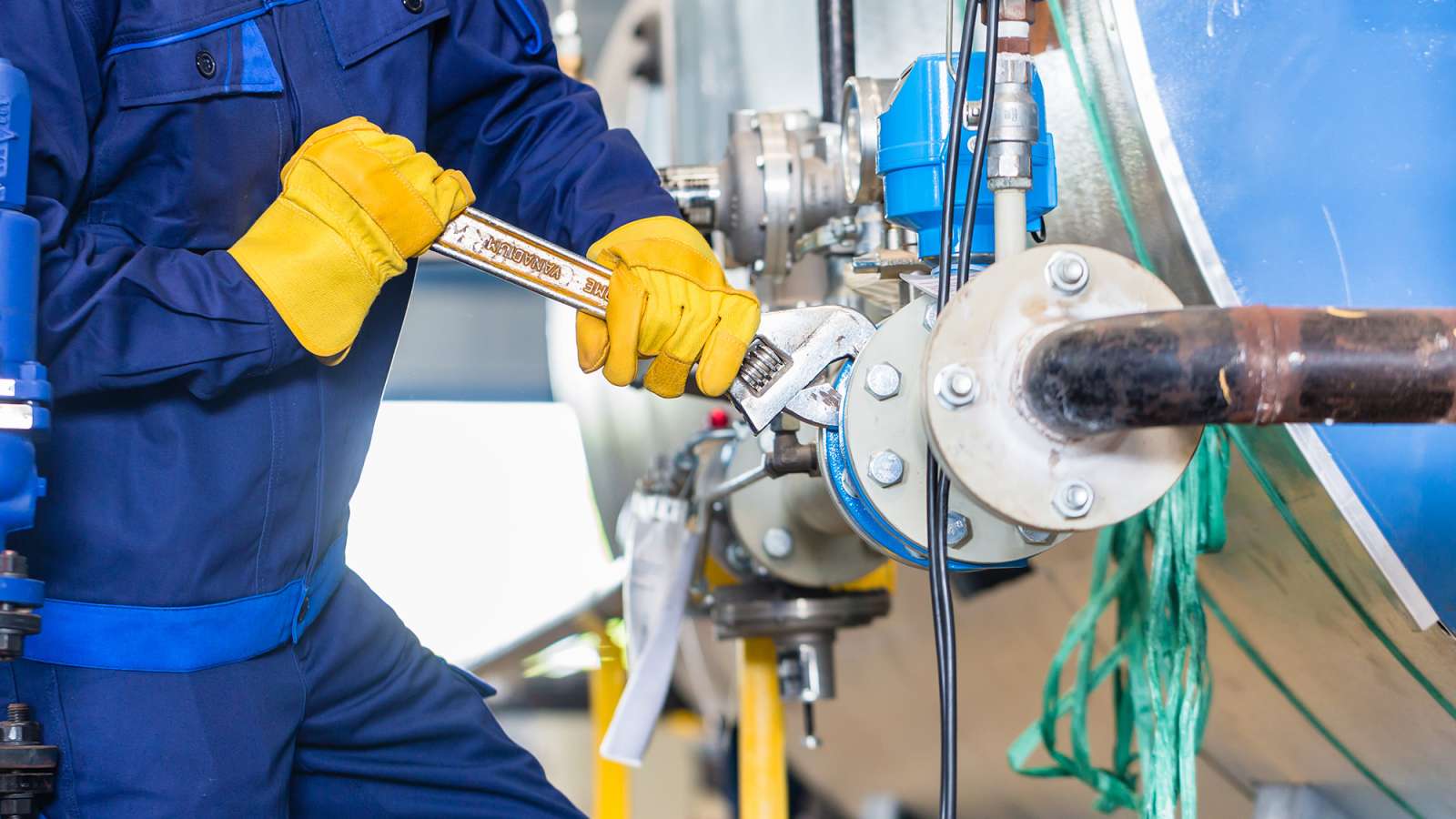
Are you ready to build a skill that keeps machines running smoothly and businesses thriving? Becoming a maintenance tool maker puts you at the heart of fixing and creating the tools that keep everything working.
Imagine having the power to solve problems quickly, design custom tools, and be the go-to expert when things break down. This isn’t just a job—it’s a chance to turn your hands and mind into valuable assets. Keep reading to discover exactly what it takes to become a maintenance tool maker and how you can start mastering this in-demand skill today.
Role Of A Maintenance Tool Maker
The role of a maintenance tool maker is crucial in keeping machinery and equipment running smoothly. You are the person who creates, fixes, and adjusts the tools that other workers rely on every day. Understanding this role helps you see how your skills directly impact productivity and safety in the workplace.
Daily Responsibilities
Your daily tasks involve a mix of hands-on work and problem-solving. You often start by reviewing work orders or instructions to understand what tools need to be made or repaired.
- Measuring and cutting metal or other materials to precise specifications
- Using machines like lathes, grinders, and drills to shape and finish tools
- Inspecting tools for wear and damage, then repairing or replacing parts
- Collaborating with maintenance teams to identify tool needs and improvements
- Keeping accurate records of the tools you create and maintain
Have you ever thought about how even a small error in tool making could halt an entire production line? Your attention to detail prevents costly downtime and ensures safety.
Work Environment
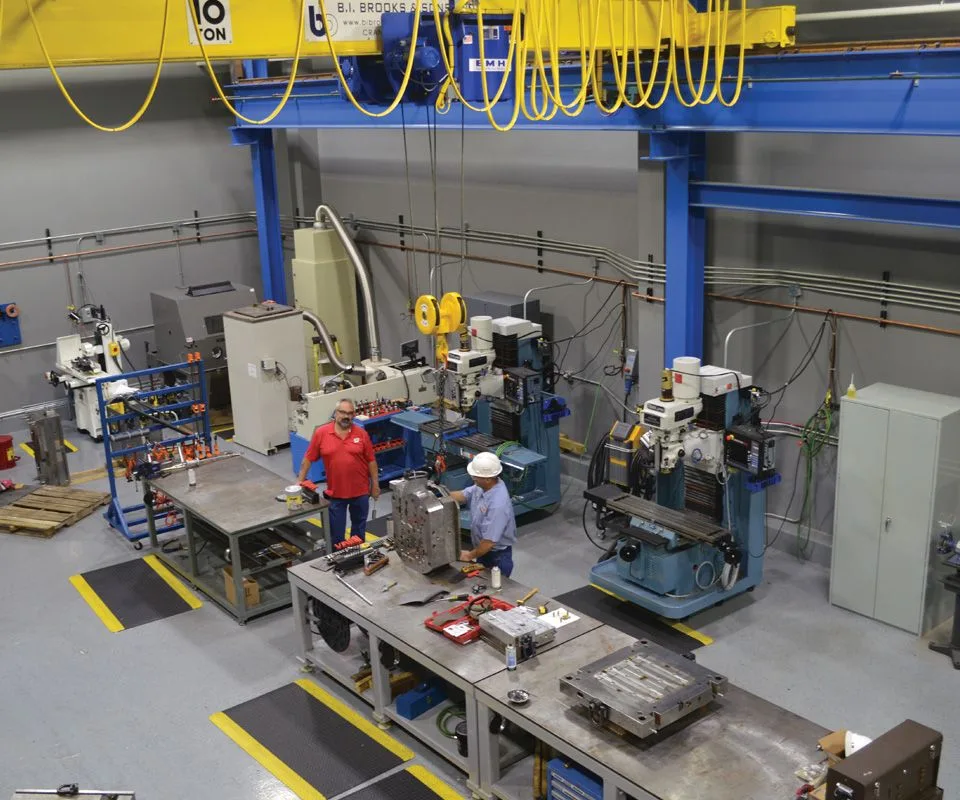
Most maintenance tool makers work in workshops or factory settings. These environments can be noisy and require you to wear safety gear like gloves and eye protection.
You’ll often be standing or moving around for long periods, using both manual and powered equipment. The work can be physically demanding but also rewarding when you see your tools in action.
Working closely with other technicians and engineers means good communication is essential. Have you considered how your ability to explain technical details clearly can improve teamwork and results?
Key Technical Skills
Mastering key technical skills is essential for anyone aiming to become a proficient maintenance tool maker. These skills form the foundation of your daily tasks and determine how effectively you can create and repair tools. Focusing on these areas sharpens your ability to handle complex projects with confidence.
Machining And Fabrication
Your ability to machine and fabricate parts accurately will set you apart. Precision in cutting, shaping, and assembling materials ensures tools perform as intended. Have you ever noticed how a slight miscalculation in machining can cause an entire tool to fail? That’s why honing your skills with lathes, milling machines, and grinders is crucial.
Practice different machining processes regularly. This hands-on experience helps you understand material behavior and how to adjust your techniques accordingly. Don’t just follow instructions—experiment within safe limits to build intuition.
Blueprint Reading
Blueprints are the language of tool making. If you can’t read them confidently, you’ll struggle to bring designs to life. Every line, symbol, and measurement on a blueprint tells you exactly what to do.
Try breaking down complex blueprints into smaller sections to avoid overwhelm. Ask yourself, “What does this detail mean for the final product?” This mindset will improve your accuracy and reduce costly mistakes.
Use Of Precision Instruments
Precision instruments like micrometers, calipers, and gauges are your best friends. They help you measure and verify every dimension to tight tolerances. Using these tools correctly ensures your parts fit perfectly and work reliably.
Have you ever felt frustrated by parts that just wouldn’t fit? Often, the issue lies in measurement errors. Regularly calibrate your instruments and develop steady hands to get it right every time.
Essential Soft Skills
Mastering the role of a maintenance tool maker involves more than just technical skills. Your ability to navigate challenges, focus on fine details, and communicate clearly plays a crucial part in your success. Developing these essential soft skills will not only improve your work quality but also enhance how you collaborate with others on the job.
Problem-solving Abilities
Every day on the job, unexpected issues arise that demand quick thinking. Your skill in identifying the root cause and coming up with practical solutions saves time and resources. Imagine a situation where a tool repeatedly fails; instead of just fixing it, you investigate why it fails and prevent future breakdowns.
Ask yourself: How do you approach a problem when the obvious solution doesn’t work? Sharpen your troubleshooting mindset by breaking problems down into smaller parts and testing each one carefully.
Attention To Detail
Precision matters immensely when making and maintaining tools. Small errors can lead to big problems, such as tool misalignment or poor fitting parts. Paying close attention to measurements, materials, and machine settings ensures your tools perform reliably.
Try developing checklists or double-checking your work with fresh eyes after a break. This habit helps catch mistakes before they affect production quality or safety.
Communication Skills
Working with engineers, technicians, and other team members means clear communication is key. Explaining your ideas clearly and listening actively can prevent misunderstandings that slow down projects. Whether you’re discussing specifications or reporting an issue, your ability to communicate influences teamwork and outcomes.
Practice summarizing technical details in simple language. How well can you explain what you do to someone without your background? This skill boosts collaboration and can lead to better solutions.

Credit: www.ziprecruiter.com
Training And Education
Training and education are the foundation of becoming a skilled maintenance tool maker. Without the right knowledge and hands-on experience, you won’t be able to handle the precision and technical demands of this role. Understanding different pathways to build your expertise can help you decide the best fit for your career goals.
Vocational Programs
Vocational programs offer focused training that teaches you the core skills needed for tool making. These programs usually last from a few months to two years, providing a balance of classroom learning and practical workshops. You’ll gain experience with machine tools, blueprint reading, and quality control.
Think about how learning in a setting designed for trades differs from a traditional college. It’s much more hands-on and directly tied to the tools and machines you’ll use every day. Are you ready to get your hands dirty and start building skills you can use immediately?
Apprenticeships
Apprenticeships combine paid work with on-the-job training under the guidance of experienced tool makers. This approach lets you apply what you learn right away while earning an income. It also helps you build connections in the industry, which can open doors to future opportunities.
During an apprenticeship, you’ll work on real projects that demand precision and problem-solving. This practical exposure is invaluable compared to classroom-only learning. Have you considered how learning directly from a seasoned professional could accelerate your growth?
Certifications
Certifications prove your skills and knowledge to employers, boosting your credibility in the field. Various organizations offer certifications in areas like CNC machining, blueprint reading, and tool design. Holding these certificates shows you’re committed to maintaining high standards.
Certifications often require passing exams and demonstrating practical skills. They can make a difference when competing for jobs or promotions. What certifications align best with your career path, and how will you prepare to earn them?
Tools And Equipment Familiarity
Being a maintenance tool maker means you need a solid grasp of the tools and equipment you work with daily. Your ability to handle different tools confidently affects the quality and speed of your work. Understanding the tools helps you solve problems faster and avoid costly mistakes.
Hand Tools
Hand tools are the foundation of your craft. Wrenches, screwdrivers, pliers, and files are just a few examples you’ll use regularly. Knowing the right tool for each task saves time and prevents damage to parts.
Think about the last time you struggled with a stubborn bolt. Having a set of high-quality, well-maintained hand tools can make that job easier. Are you checking your tools regularly to ensure they’re in good shape?
Power Tools
Power tools speed up many processes, but they require skill and safety awareness. Drills, grinders, and saws can help you work faster but misuse can cause accidents or ruin materials.
Familiarize yourself with the specifications and limitations of each power tool you use. For example, understanding the correct drill bit for metal versus wood can prevent tool damage and improve precision. How well do you know your power tools’ capabilities?
Computer-aided Design (cad) Software
Modern maintenance tool makers often rely on CAD software to design parts and tools. Learning CAD lets you visualize and modify designs before creating physical tools, reducing errors and material waste.
Software like AutoCAD or SolidWorks offers powerful features, but mastering them takes practice. Start with basic functions and gradually explore more complex tools. Could enhancing your CAD skills give you an edge in tool making?
Safety Practices
Safety practices are essential for anyone working as a maintenance tool maker. Your workspace involves heavy machinery and sharp tools, so a single mistake can cause serious injury. Staying alert and following safety protocols protects not only your body but also your ability to keep working effectively.
Workplace Safety Standards
Every maintenance tool maker must know and follow the workplace safety standards set by regulatory bodies like OSHA. These rules cover machine operation, tool handling, and emergency procedures. Are you familiar with the latest safety guidelines in your shop?
Keeping your work area clean and organized reduces the risk of accidents. Spilled oil or scattered tools create hazards that can lead to slips or cuts. Regular safety training sessions help you and your team stay updated and prepared.
Personal Protective Equipment
Wearing the right personal protective equipment (PPE) is non-negotiable. Safety glasses, gloves, and steel-toed boots shield you from flying debris and heavy objects. Have you checked your PPE for wear and tear today?
Sometimes, wearing ear protection feels uncomfortable, but it prevents long-term hearing damage in loud environments. Respirators may be necessary when working with dust or fumes. Remember, PPE is your last line of defense—never skip it.
Career Advancement Tips
Advancing your career as a maintenance tool maker requires dedication beyond daily tasks. Growing skills and connections opens new doors. Staying focused on improvement leads to better roles and higher pay.
Continuous Learning
Technology in tool making changes fast. Keep skills fresh by taking courses and attending workshops. Reading manuals and industry news helps understand new methods and tools. Practice new techniques to stay sharp and efficient.
Networking
Building relationships with coworkers and industry peers is key. Attend trade shows and local meetings to meet professionals. Join online forums for tool makers to share knowledge and find advice. Strong networks offer support and job leads.
Specialization Opportunities
Focus on a specific tool or machine type to stand out. Special skills in CNC machines or robotics increase value. Employers seek experts who solve complex problems quickly. Specialization can lead to leadership roles or consulting jobs.
Credit: otc.com.my

Credit: www.ziprecruiter.com
Frequently Asked Questions
What Skills Are Needed For A Tool Maker?
To become a tool maker, you need strong technical skills, attention to detail, and problem-solving abilities. Proficiency in reading blueprints and understanding CAD software is essential. Familiarity with machinery and materials is also important. A good tool maker possesses excellent hand-eye coordination and critical thinking skills.
How Long Does It Take To Become A Tool Maker?
Becoming a tool maker typically takes about four years. This includes completing an apprenticeship program or vocational training. Some positions may require additional certifications or on-the-job training. The duration can vary based on individual learning pace and specific program requirements.
What Does A Maintenance Tool Maker Do?
A maintenance tool maker designs, creates, and repairs tools and equipment. They ensure that all tools function efficiently and safely. Tasks include troubleshooting, conducting inspections, and performing regular maintenance. The role requires precision, technical knowledge, and a commitment to maintaining high-quality standards.
Do Tool Makers Need Any Certifications?
Certifications are beneficial but not always mandatory for tool makers. Many employers prefer candidates with certifications in machining or tool-making. These certifications demonstrate expertise and commitment to the field. They can enhance job prospects and career advancement opportunities for aspiring tool makers.
Conclusion
Becoming a maintenance tool maker takes practice and patience. Start by learning basic skills and using the right tools. Keep improving by working on small projects regularly. Stay curious and ask questions often. Remember, every expert began as a beginner.
With time, your work will get better and more precise. Stay focused, work hard, and enjoy the process. This path leads to valuable skills and rewarding work.