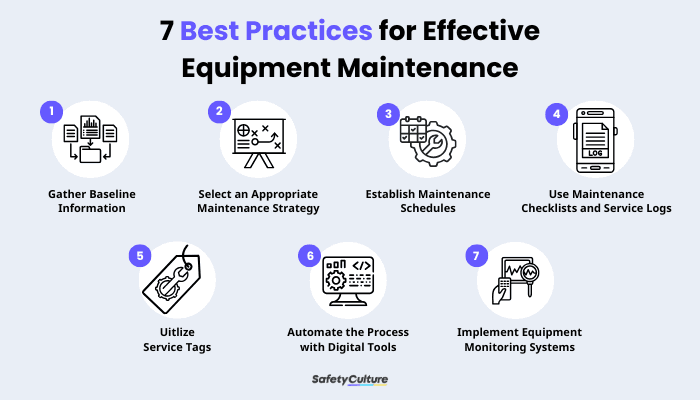
Are you tired of your tools breaking down just when you need them the most? Keeping your tools in top shape doesn’t have to be complicated.
By following three simple but powerful rules, you can save time, money, and frustration. These rules will help you get the best performance from your tools and make them last much longer. Ready to discover what they are? Keep reading, because your tools—and your future projects—depend on it.
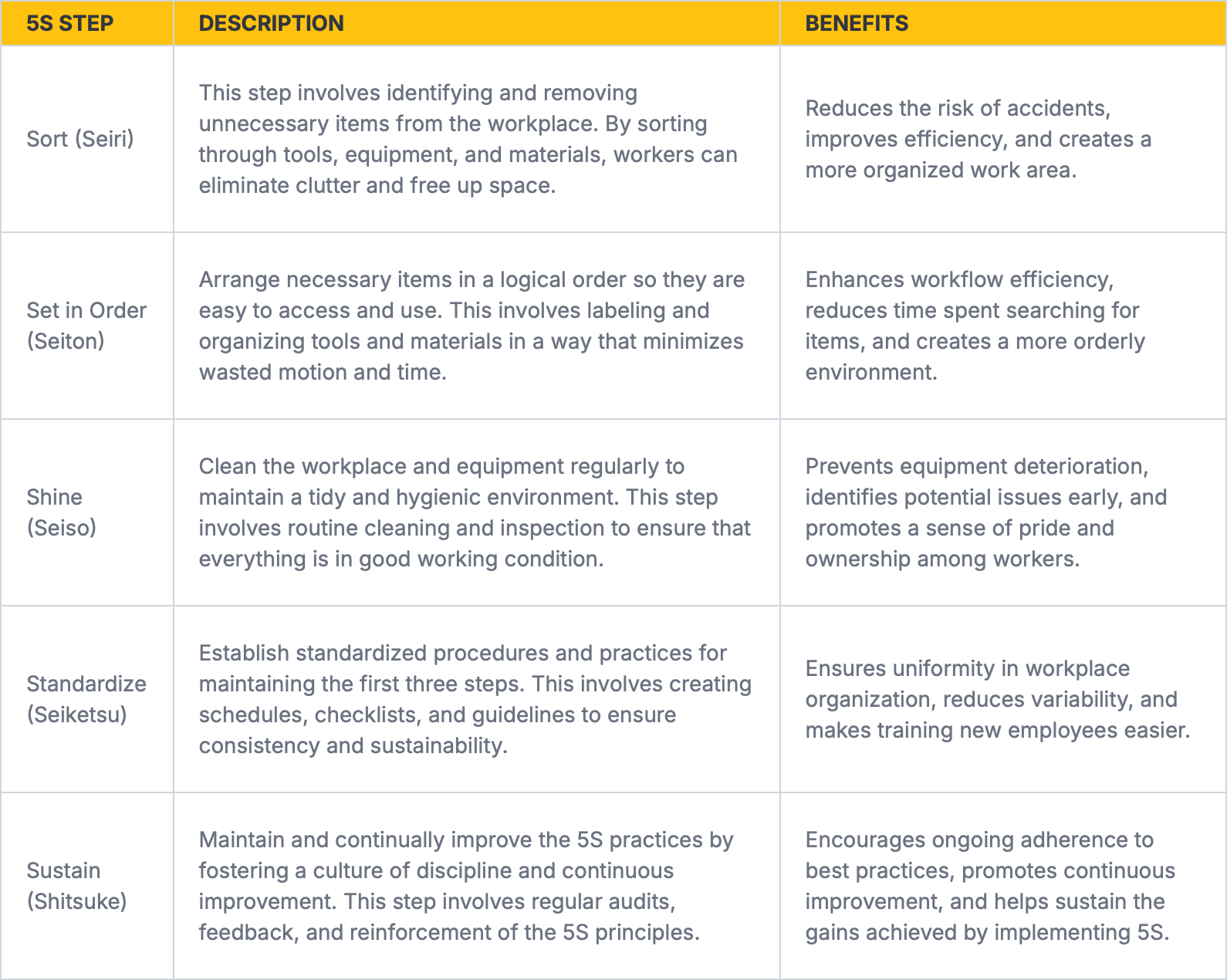
Credit: www.emaint.com
Keep Tools Clean
Keeping tools clean is essential for their long life and best performance. Dirt and grime can cause damage and reduce their efficiency. Clean tools work better and are safer to use.
Regular cleaning stops rust and wear. It also makes tools easier to handle. A clean tool looks good and lasts longer.
Remove Dirt And Debris
Start by wiping off loose dirt with a dry cloth or brush. Remove stuck debris using a small wire brush or an old toothbrush. Avoid letting dirt sit on your tools for too long. This prevents buildup that can harm the tool’s surface.
Use Proper Cleaning Materials
Choose cleaning materials that suit your tool type. Use mild soap and water for most hand tools. Avoid harsh chemicals that can damage metal or plastic parts. For power tools, follow the manufacturer’s cleaning instructions carefully.
Use lubricants or rust inhibitors on metal parts after cleaning. This helps protect them from moisture and rust.
Dry Tools Thoroughly
After cleaning, dry tools completely with a soft cloth. Moisture left on tools leads to rust and corrosion. Air drying is helpful but not enough. Make sure all moisture is removed from small crevices and joints.
Store tools in a dry place to keep them rust-free. Dry tools perform better and stay safe for use.

Credit: tendsupplies.com
Regular Inspection
Regular inspection is the backbone of effective tool maintenance. Without it, small issues can quickly turn into costly repairs or dangerous failures. Checking your tools frequently helps you catch problems early and keeps everything running smoothly.
Check For Wear And Damage
Look closely at all parts of your tools for signs of wear. Cracks, rust, or bent pieces can weaken the tool and make it unsafe to use. Have you ever noticed a tiny crack that later caused a tool to break? Catching these early prevents accidents and saves money.
Tighten Loose Parts
Loose screws, bolts, or handles can affect a tool’s performance and safety. Make it a habit to tighten any parts that feel wobbly. Even a small loose piece can cause the tool to malfunction or injure you while working.
Replace Worn Components
Some parts wear out faster than others, like blades, belts, or batteries. Replace these components promptly to keep your tools effective. Using worn parts not only reduces efficiency but also puts extra strain on the rest of the tool.
Proper Storage
Proper storage is a key part of tool maintenance that many overlook. How you store your tools directly affects their lifespan and performance. Taking a little extra care to store tools correctly can save you time, money, and frustration down the road.
Organize Tools Correctly
Keeping your tools organized helps you find them quickly and prevents damage from clutter. Use pegboards, tool chests, or drawer organizers to give each tool a specific spot.
Labeling storage spaces can also reduce the chance of misplacing or mixing up tools. When you know exactly where each tool belongs, you’re more likely to put it back properly every time.
Protect From Moisture
Moisture is one of the biggest enemies of your tools. Rust can form quickly on metal parts, ruining sharp edges and mechanical functions.
Store tools in a dry place and consider using silica gel packs or dehumidifiers in your storage area. Wiping tools down with an oily rag before storing can create a protective barrier against moisture.
Avoid Exposure To Extreme Temperatures
Extreme heat or cold can damage tool materials, causing metal to warp or plastic to crack. These changes reduce the effectiveness and safety of your tools.
Keep your tools in an environment with stable, moderate temperatures. If you must store tools in a garage or shed, use insulated storage boxes or cabinets to minimize temperature swings.
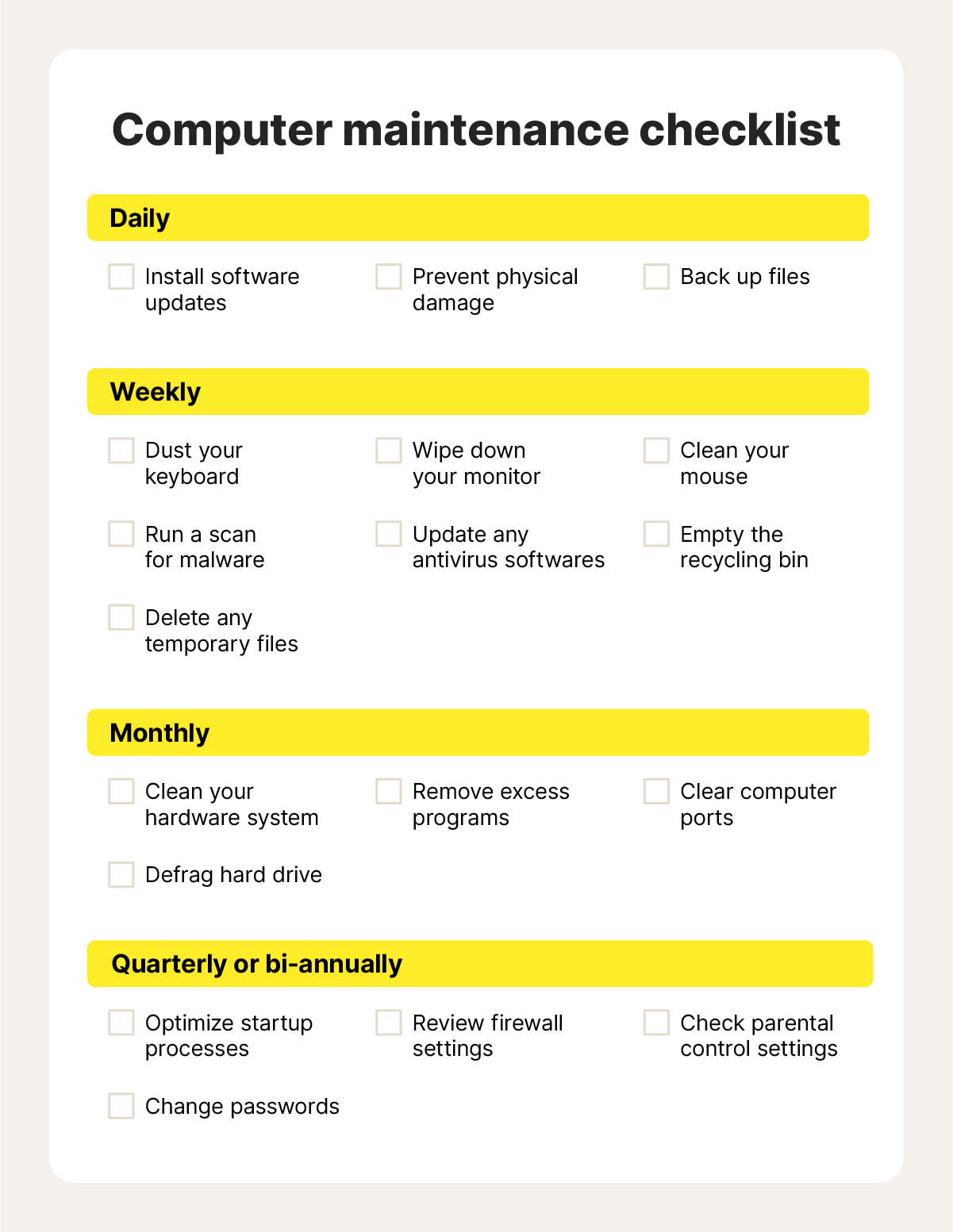
Credit: us.norton.com
Frequently Asked Questions
What Are The Basics Of Tool Maintenance?
Regular cleaning and inspection are the basics of tool maintenance. Ensuring tools are stored properly and lubricated can prevent rust and damage. Always follow manufacturer guidelines to extend tool lifespan and ensure safety. Proper maintenance enhances tool performance and reduces the risk of malfunction during use.
How Often Should Tools Be Maintained?
Tools should be maintained after every use. Regular maintenance prevents wear and tear, ensuring longevity and reliability. Depending on frequency of use, perform a thorough inspection monthly. Always address any issues immediately to avoid costly repairs or replacements. Regular maintenance ensures tools are ready for any task.
Why Is Tool Maintenance Important?
Tool maintenance is crucial for safety and efficiency. Properly maintained tools perform better and reduce the risk of accidents. Neglected tools can become dangerous and less effective. Regular maintenance extends the lifespan of tools, saving money in the long run.
Keep tools in top condition for optimal performance.
What Are Common Tool Maintenance Mistakes?
Common mistakes include neglecting regular cleaning and improper storage. Overlooking lubrication can lead to rust and wear. Using tools beyond their intended purpose can cause damage. Ignoring manufacturer guidelines can void warranties and lead to malfunctions. Avoid these mistakes to ensure tools remain in excellent condition.
Conclusion
Taking care of your tools keeps them working longer. Clean tools after each use to stop rust and dirt. Sharpen blades and edges regularly for better performance. Store tools in a dry, safe place to avoid damage. Following these simple rules saves money and time.
Well-maintained tools make every job easier and safer. Remember, small efforts today prevent big problems tomorrow. Keep tools ready, and they will serve you well.