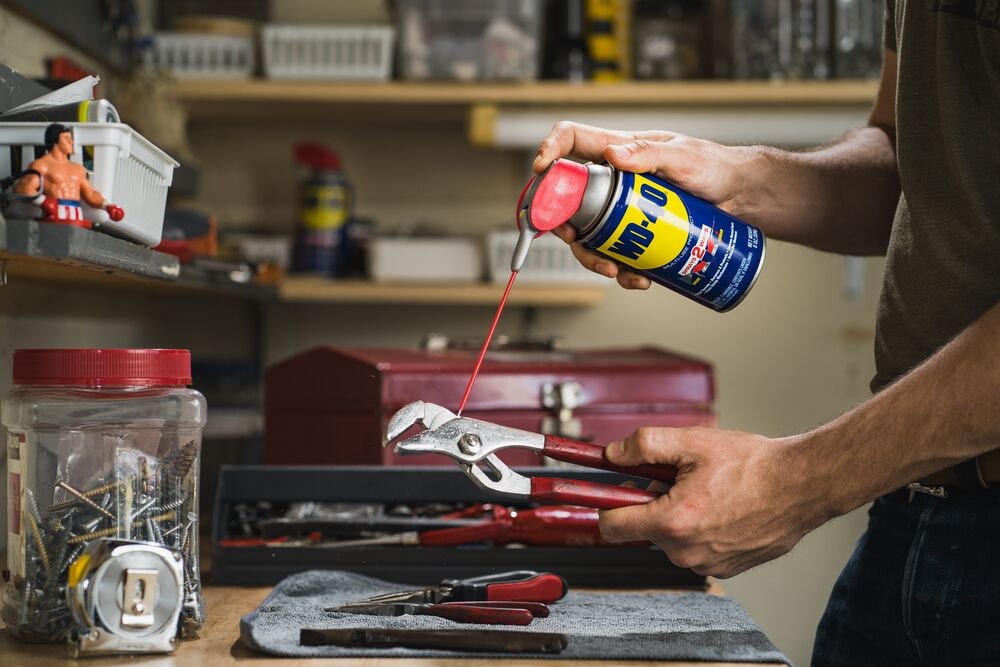
Your hand tools are your trusted partners for every project. But have you noticed rust slowly creeping onto their surfaces?
Rust doesn’t just look bad—it can weaken your tools and make your work harder. Imagine reaching for a wrench only to find it stuck or a screwdriver slipping because of corrosion. You don’t want that. The good news is, with a few simple habits and tips, you can keep your tools shining and working like new for years.
Ready to learn how to prevent rust and maintain your hand tools the right way? Let’s dive in.
Credit: www.hubindustrial.com
Causes Of Rust On Hand Tools
Rust on hand tools is a common problem that can quickly reduce their effectiveness and lifespan. Understanding what causes rust is essential to keeping your tools in top condition. Let’s look at the main reasons rust forms on your hand tools and how you might spot these issues before they cause damage.
Moisture Exposure
Moisture is the leading cause of rust on hand tools. Even small amounts of water, sweat, or humidity can start the rusting process. Have you ever noticed rust appearing after leaving tools outside overnight? That’s moisture at work, reacting with the metal surface.
To protect your tools, always dry them thoroughly after use. Wiping them down with a dry cloth can make a big difference. Think about where you use your tools—working in damp environments means you need to be extra careful.
Environmental Factors
Rust doesn’t just come from direct contact with water. Environmental factors like salty air near the coast or industrial pollution can speed up corrosion. If you live near the ocean, your tools face harsher conditions than those in dry, inland areas.
Consider how these factors affect your tools daily. Are you storing them in a garage that gets hot and humid? Environmental conditions can silently wear down your tools, even if they don’t seem wet.
Improper Storage
Where and how you store your hand tools plays a huge role in preventing rust. Leaving tools piled in a damp toolbox or on the ground invites moisture and dirt to settle on them. Have you ever found a forgotten tool covered in rust at the bottom of your box?
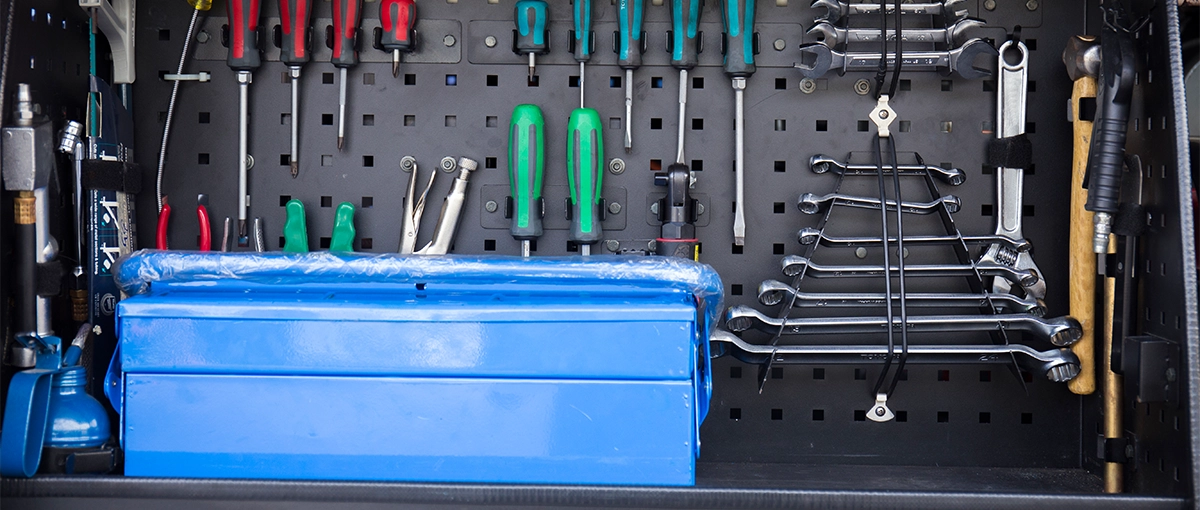
Organize your tools properly using racks or pegboards and keep them in a dry, well-ventilated space. Adding silica gel packs or rust inhibitors can also help maintain a dry environment. Small changes in storage habits can save you from costly replacements.
Credit: www.wd40.com
Essential Rust Prevention Techniques
Rust can damage hand tools quickly. Keeping them rust-free extends their life and keeps them working well. Simple steps help protect tools from moisture and dirt. Regular care keeps tools ready for any job.
Cleaning Tools After Use
Wipe tools clean after every use. Remove dirt, grease, and moisture with a dry cloth. For sticky grime, use mild soap and water. Dry tools completely before storing. Clean tools prevent rust from forming on the surface.
Applying Protective Coatings
Apply a thin layer of oil or wax on metal parts. This creates a barrier against moisture. Use machine oil, mineral oil, or specialized tool wax. Spread evenly with a cloth or brush. Protective coatings reduce oxidation and keep tools shiny.
Using Rust Inhibitors
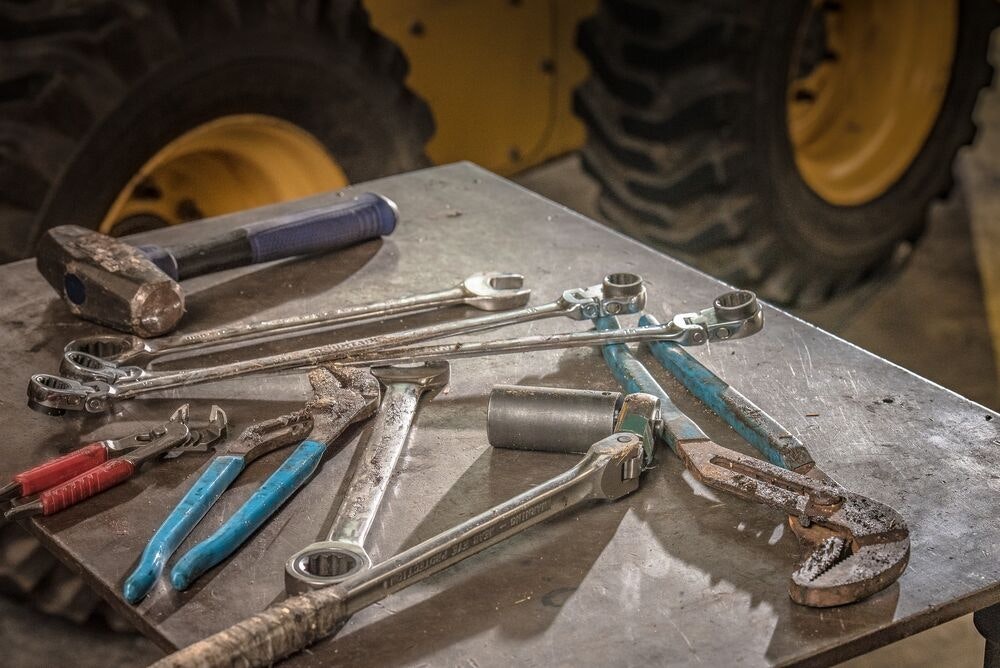
Rust inhibitors slow down corrosion on metal tools. Use spray or liquid inhibitors made for hand tools. Follow the instructions on the product label carefully. Rust inhibitors add extra protection in humid or wet conditions. Store tools with inhibitor-treated rags or in sealed containers for best results.
Proper Storage Solutions
Proper storage solutions are essential to keep hand tools free from rust and damage. Storing tools correctly prevents moisture buildup and exposure to harmful elements. This preserves their functionality and extends their lifespan.
Choosing The Right Storage Space
Select a dry, cool, and well-ventilated area to store your hand tools. Avoid places prone to moisture, like basements or outdoor sheds without protection. A clean and organized space reduces the risk of rust and makes tools easy to find.
Using Toolboxes And Organizers
Toolboxes and organizers protect tools from dust and humidity. Use compartments or foam inserts to keep tools separated. This prevents scratches and dents. Metal toolboxes with tight seals offer extra protection against moisture.
Humidity Control Methods
Control humidity to stop rust formation. Use silica gel packs or moisture absorbers inside toolboxes. Dehumidifiers in storage rooms help maintain low humidity levels. Regularly check for condensation and wipe tools dry if needed.
Routine Maintenance Practices
Routine maintenance keeps your hand tools in good shape. It helps stop rust and extends tool life. Simple habits protect your investment and improve tool performance.
Regular care prevents small problems from becoming big issues. Consistent attention saves time and money. Here are key practices for effective tool maintenance.
Regular Inspection
Check tools often for signs of rust or damage. Look closely at metal parts and handles. Early detection helps fix issues before they worsen.
- Wipe tools clean after each use.
- Look for rust spots or corrosion.
- Check for loose or broken parts.
Sharpening And Lubricating
Sharp edges make work easier and safer. Dull blades can damage materials and tools. Use proper sharpening tools to keep edges sharp.
Lubricate moving parts to reduce friction and prevent rust. Use light oil or grease depending on the tool type.
- Sharpen blades with a file or whetstone.
- Apply oil to hinges, joints, and blades.
- Remove excess lubricant to avoid dirt buildup.
Replacing Damaged Parts
Replace worn or broken parts quickly. Damaged parts reduce tool efficiency and safety. Using tools in poor condition risks injury and damage.
- Identify parts that no longer work well.
- Order replacements from trusted suppliers.
- Follow instructions for safe part replacement.
Diy Rust Removal Methods
Removing rust from your hand tools doesn’t have to be complicated or expensive. You can tackle rust at home with simple materials and a bit of effort. These DIY rust removal methods help restore your tools, making them safer and more efficient to use.
Using Vinegar And Baking Soda
White vinegar is acidic and breaks down rust effectively. Soak rusty tools in vinegar for a few hours or overnight depending on the severity. After soaking, scrub the surface with a brush or steel wool to lift off the loosened rust.
Once you rinse off the vinegar, sprinkle baking soda on the tool and scrub again. Baking soda neutralizes the acid and helps remove any remaining rust particles. This combo is inexpensive and usually found in your kitchen, making it a handy option.
Applying Commercial Rust Removers
If you prefer a quicker solution, commercial rust removers can do the job well. These products contain chemicals designed to dissolve rust rapidly. Always follow the instructions carefully and wear gloves to protect your skin.
Many rust removers are gel-based, which means they stick to vertical surfaces without dripping. This makes them practical for tools with hard-to-reach areas. Have you ever tried one? You might be surprised how fast they work compared to natural methods.
Mechanical Rust Removal Techniques
Sometimes, scrubbing alone isn’t enough. Mechanical techniques like sanding, wire brushing, or using a rotary tool can remove stubborn rust spots effectively. Use sandpaper or a wire brush attachment on a drill to speed up the process.
Be cautious not to damage the metal underneath while removing rust. A gentle but firm approach works best here. Have you noticed how much easier your tools perform after a thorough mechanical cleaning?

Credit: www.gustharts.com
Tips For Long-lasting Hand Tools
Keeping your hand tools in top shape goes beyond occasional cleaning. It requires smart choices and consistent care to prevent rust and wear. These tips will help your tools last longer and perform better every time you need them.
Choosing Quality Materials
Start with tools made from durable metals like stainless steel or high-carbon steel. These materials resist rust and hold up well under tough conditions.
Look for tools with protective coatings such as chrome or powder coating. These layers act as barriers against moisture, reducing the chance of rust.
Investing in quality means you won’t have to replace tools frequently. Have you noticed how some cheap tools start corroding after just a few uses?
Avoiding Common Mistakes
Never leave your tools wet or dirty after use. Moisture and dirt speed up corrosion and degrade the tool’s surface.
Avoid storing tools in damp or unventilated places. A basement or garage corner can trap humidity and invite rust.
Don’t mix different metals in your toolbox without separating them. Contact between certain metals can cause galvanic corrosion, damaging your tools faster.
Seasonal Maintenance Checklist
- Clean each tool thoroughly with a dry cloth to remove dirt and moisture.
- Apply a thin layer of oil or rust-preventative spray on metal surfaces.
- Sharpen blades and check for any signs of wear or damage.
- Store tools in a dry, well-ventilated area with silica gel packs or moisture absorbers nearby.
- Inspect handles and joints for cracks or looseness and fix them promptly.
What small maintenance habit can you add today that will save you time and money later? The answer might be simpler than you think.
Frequently Asked Questions
How Can I Stop Hand Tools From Rusting?
To prevent rust, keep tools clean and dry. Store them in a moisture-free environment. Apply a thin layer of oil or rust inhibitor regularly. Use silica gel packs to absorb moisture. Clean tools after each use to remove dirt and moisture.
What Maintenance Do Hand Tools Need?
Regular maintenance includes cleaning, lubricating, and tightening any loose parts. Inspect tools for damage or wear. Sharpen blades when necessary. Store tools in a dry place to prevent rust. Proper maintenance extends the life and efficiency of your hand tools.
Why Is Tool Rust Prevention Important?
Rust weakens tools, making them unsafe and less effective. Preventing rust extends the life of your tools. Regular maintenance saves money by avoiding replacements. Rust-free tools ensure efficient and safe operation, improving overall productivity.
What Oil Is Best For Tool Maintenance?
Mineral oil or machine oil is ideal for maintaining hand tools. They provide a protective layer against moisture. Avoid vegetable oils as they can become sticky. Regular oiling keeps tools rust-free and functioning smoothly.
Conclusion
Rust can damage your tools and make work harder. Keep tools dry and clean after use. Use oil to protect metal parts from moisture. Store tools in a dry place, away from water. Regular checks help find rust early and stop it.
Taking small steps keeps tools strong and ready. Caring for tools saves money and time later. Simple habits make a big difference in tool life. Trust these tips to keep your tools rust-free.