
If you manage a fleet, you know how important it is to keep every vehicle running smoothly. But do you have the right hand tools to handle regular maintenance quickly and efficiently?
Using the proper tools not only saves you time but also prevents costly repairs down the road. You’ll discover the essential hand tools you need to keep your fleet in top shape. Whether you’re a seasoned mechanic or just starting out, knowing which tools to have on hand will make your job easier and your fleet more reliable.
Keep reading to find out exactly what tools belong in your maintenance kit.

Credit: www.lawsonproducts.com
Basic Hand Tools
Basic hand tools form the foundation of fleet maintenance tasks. These tools help with repairs, adjustments, and regular checks. Every mechanic or technician needs a reliable set to handle various jobs quickly and safely. The right tools save time and reduce errors during vehicle servicing.
Wrenches And Sockets
Wrenches and sockets are essential for loosening and tightening nuts and bolts. A good collection includes open-end, box-end, and adjustable wrenches. Socket sets with different sizes and ratchets make work faster. These tools fit in tight spaces and allow better grip on fasteners.
Screwdrivers
Screwdrivers come in many types, mainly flathead and Phillips head. They are vital for removing and installing screws on vehicle parts. A set with various sizes and handle types improves control. Magnetic tips help hold screws in place during work.
Pliers And Cutters
Pliers and cutters handle gripping, bending, and cutting wires or small parts. Needle-nose pliers reach narrow spots easily. Diagonal cutters trim wires cleanly and safely. Slip-joint pliers adjust to different sizes for versatile use.
Hammers And Mallets
Hammers and mallets assist in shaping, driving, or loosening parts. A ball-peen hammer is common for metalwork. Rubber mallets prevent damage while tapping parts into place. These tools provide controlled force where needed.
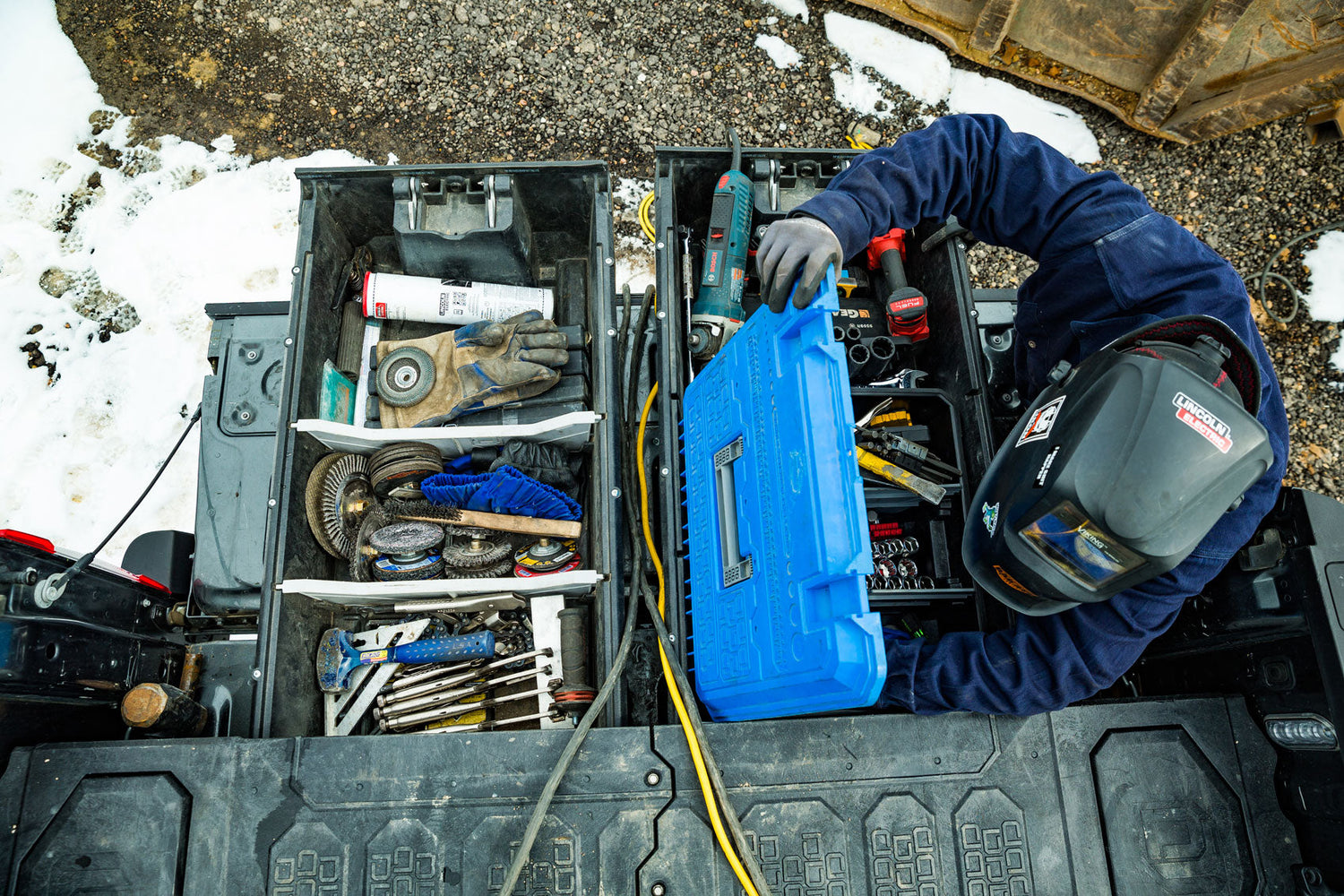
Credit: decked.com
Measuring And Inspection Tools
Measuring and inspection tools are vital for fleet maintenance. They ensure vehicles run safely and efficiently. Accurate measurements prevent costly repairs and downtime. Using the right tools helps detect issues early. This keeps the fleet on schedule and reduces risks.
Tape Measures And Rulers
Tape measures and rulers provide quick, accurate length checks. Mechanics use them for measuring parts and spaces. They are simple but essential tools. Durable tape measures with clear markings offer reliability. Rulers help with small, precise measurements during repairs.
Torque Wrenches
Torque wrenches apply specific force to bolts and nuts. Correct torque prevents parts from loosening or breaking. This tool protects the vehicle’s mechanical integrity. It ensures fasteners are tightened to manufacturer standards. Using a torque wrench reduces maintenance errors.
Inspection Mirrors
Inspection mirrors help see hidden parts and tight spaces. They reveal cracks, leaks, and wear without disassembly. These mirrors come with adjustable handles or telescoping rods. They improve safety by avoiding blind spots. A small mirror can save time and effort.
Dial Gauges
Dial gauges measure small movements or deviations in parts. They detect wear in brakes, engines, and suspension. This tool shows precise readings on a dial face. Regular use of dial gauges helps maintain vehicle alignment. They are crucial for detailed inspection and quality control.
Electrical Hand Tools
Electrical hand tools are essential in fleet maintenance. They help diagnose and fix electrical issues quickly. Proper tools ensure safety and accuracy during repairs.
Using the right tools speeds up the work and reduces errors. Every fleet technician should have a set of basic electrical hand tools. These tools handle wiring, testing, and repairs efficiently.
Multimeters
Multimeters measure voltage, current, and resistance. They help identify electrical problems in vehicle systems. Digital multimeters are common for their ease of use and clear display. They ensure precise readings for battery and circuit checks.
Wire Strippers
Wire strippers remove insulation from wires without damage. Proper stripping is crucial for good electrical connections. Adjustable wire strippers fit various wire sizes. This tool saves time and prevents wire damage during repairs.
Crimping Tools
Crimping tools join wires and connectors securely. They create strong, lasting electrical connections. Different dies fit various connector types and sizes. Good crimping tools improve safety and reliability in vehicle wiring.
Test Lights
Test lights check the presence of voltage in circuits. They quickly identify power flow and faults. Simple and effective, test lights are easy to use. They are ideal for quick electrical troubleshooting in fleet vehicles.
Credit: www.420spotshop.com
Specialty Hand Tools
Specialty hand tools play a key role in fleet maintenance. These tools help mechanics handle specific tasks with accuracy and ease. Using the right specialty tool saves time and prevents damage to vehicle parts. Each tool is designed for a particular job, making maintenance safer and more efficient.
Brake Tools
Brake tools are essential for inspecting and repairing brake systems. They include brake caliper wind-back tools and brake spring pliers. These tools help in removing and installing brake pads and springs without damage. Proper brake tools ensure safety and extend brake component life.
Oil Filter Wrenches
Oil filter wrenches make removing oil filters quick and simple. They come in different sizes and styles to fit various filters. Using the right wrench prevents slipping and damage to the filter housing. This tool is a must-have for routine oil changes.
Spark Plug Tools
Spark plug tools help in removing and installing spark plugs safely. They often have a rubber insert to hold the plug securely. These tools protect the ceramic part of the plug from cracking. Correct use of spark plug tools improves engine performance and fuel efficiency.
Bearing Pullers
Bearing pullers remove bearings without harming surrounding parts. They come in different designs like two-jaw or three-jaw pullers. Using bearing pullers avoids costly damage to shafts and housings. This tool is vital for wheel, transmission, and engine repairs.
Tool Storage And Organization
Proper tool storage and organization are essential for efficient fleet maintenance. Tools must be easy to find and kept safe from damage. Organized tools reduce downtime and help mechanics work faster.
Good storage prevents loss and keeps the workspace clean. It also protects tools from rust and wear. Choosing the right storage system improves workflow and saves time.
Toolboxes And Carts
Toolboxes offer secure, portable storage for hand tools. They come in various sizes and compartments to separate tools. Carts provide mobility, allowing mechanics to move tools to the work area. Both keep tools protected and organized.
- Multiple compartments for different tools
- Lockable to prevent theft
- Durable materials resist wear and tear
- Wheels on carts for easy movement
Magnetic Trays
Magnetic trays hold small metal parts and tools securely. They prevent screws, nuts, and bolts from rolling away. Mechanics can place them near the work area for quick access. Magnetic trays save time and reduce lost parts.
- Strong magnets hold tools firmly
- Compact and portable
- Easy to clean and reuse
- Ideal for small parts and fasteners
Tool Racks And Holders
Tool racks and holders keep frequently used tools visible and accessible. They help organize tools by type and size. Wall-mounted racks save floor space and improve workshop order. Proper racks reduce clutter and speed up repairs.
- Hooks and slots for different tools
- Easy access reduces search time
- Customizable layouts fit workshop needs
- Durable materials support heavy tools
Safety Gear For Hand Tool Use
Using hand tools in fleet maintenance requires proper safety gear. This gear protects workers from injuries and accidents. Safety gear reduces risks from sharp edges, flying debris, and loud noises. Wearing the right protection helps keep the worksite safe and efficient.
Gloves
Gloves protect hands from cuts, burns, and scrapes. Choose gloves made of tough materials like leather or reinforced fabric. Gloves also improve grip on tools, preventing slips. Always check gloves for damage before use. Replace worn gloves to maintain safety.
Eye Protection
Eye protection shields eyes from flying particles and dust. Use safety goggles or face shields designed for hand tool use. Clear lenses offer good visibility while blocking hazards. Keep eye protection clean and scratch-free. This helps maintain clear vision during tasks.
Hearing Protection
Some hand tools produce loud noises that harm hearing. Earplugs or earmuffs reduce noise exposure effectively. Choose hearing protection that fits comfortably for long periods. Protecting ears prevents hearing loss and discomfort. Always wear hearing protection near noisy tools.
Maintenance Tips For Hand Tools
Maintaining hand tools in a fleet maintenance setting keeps them effective and safe. Good care extends tool life and avoids costly replacements. Small daily habits help tools perform better and last longer.
Cleaning And Lubrication
Clean tools after each use to remove dirt and grease. Use a dry cloth or brush for surface cleaning. For tougher grime, a mild soap and water solution works well. Dry tools completely to prevent rust.
Lubricate moving parts regularly. Apply oil to hinges, joints, and blades. This keeps tools working smoothly and stops parts from seizing. Avoid over-oiling, as excess can attract dirt.
Proper Storage
Store hand tools in a dry, organized space. Use toolboxes, racks, or pegboards for easy access and protection. Keep tools separated to avoid damage from banging or rubbing.
Use protective covers for sharp or delicate tools. Avoid leaving tools on the floor or in damp areas. Proper storage reduces wear and prevents accidents.
Regular Inspection
Check tools before and after use for damage or wear. Look for cracks, rust, loose parts, or dull edges. Replace or repair tools that show signs of problems.
Keep a maintenance log to track tool condition and repairs. Regular inspections catch issues early and keep the fleet running smoothly.
Frequently Asked Questions
What Are Essential Hand Tools For Fleet Maintenance?
Essential hand tools include wrenches, screwdrivers, pliers, and socket sets. These tools handle most repairs and adjustments efficiently. Having quality tools reduces downtime and improves maintenance speed. These basics ensure you can tackle common fleet issues effectively and safely.
How Do Hand Tools Improve Fleet Maintenance Efficiency?
Hand tools enable quick repairs and adjustments on-site. They reduce vehicle downtime by allowing immediate fixes. Proper tools prevent damage and ensure accurate maintenance. Efficient tool use saves time and costs, keeping your fleet operational and reliable.
Which Hand Tools Are Best For Vehicle Diagnostics?
Diagnostic hand tools include multimeters, test lights, and pressure gauges. These tools help identify electrical and mechanical issues accurately. Using the right diagnostic tools speeds up problem detection and repair. This ensures timely maintenance and reduces unexpected breakdowns.
Why Invest In High-quality Hand Tools For Fleets?
High-quality tools last longer and perform better under stress. They improve safety and reduce the risk of tool failure. Investing in durable tools minimizes replacement costs and downtime. Quality tools enhance maintenance precision and overall fleet reliability.
Conclusion
Choosing the right hand tools boosts fleet maintenance efficiency. Essential tools include wrenches, screwdrivers, and pliers. These tools handle basic repairs and adjustments. Specialized tools like torque wrenches ensure precision. Proper tool selection minimizes downtime and increases productivity. Regular tool checks prevent unexpected failures.
Investing in quality tools saves money long-term. Mechanics work safely and effectively with the right equipment. Equipping your team with these tools enhances fleet performance. Happy and efficient workers lead to better results. Keep your fleet running smoothly with the right hand tools.