Are you struggling to replace components efficiently in your Qt projects? Using the Maintenance Tool List can make this task much simpler and faster.
You’ll discover exactly how to use the Maintenance Tool List to replace files or modules without confusion. By the end, you’ll have a clear, step-by-step method that saves you time and prevents costly mistakes. Keep reading to unlock a smarter way to manage your Qt maintenance tasks.
Qt Maintenance Tool Basics
The Qt Maintenance Tool helps manage Qt installations easily. It keeps your Qt setup updated and organized. This tool saves time by handling tasks in one place. Understanding its basics makes your Qt development smoother.
Purpose Of The Maintenance Tool
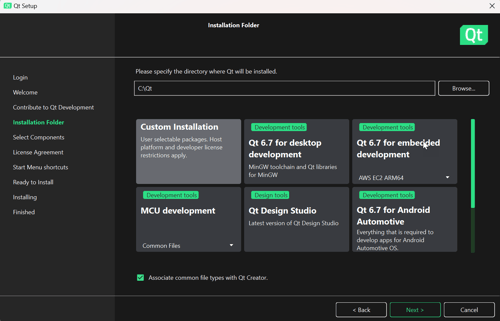
The Maintenance Tool allows you to update Qt versions quickly. It installs new components or removes unused ones. You can fix broken or incomplete Qt installations. It helps keep your development environment clean and efficient.
Supported Operations
- Install or uninstall Qt versions and modules
- Update existing Qt components
- Manage add-ons like tools and libraries
- Repair damaged or incomplete installations
- Switch between different Qt versions
Credit: www.qt.io
Preparing For Replacement
Preparing to replace components using the Qt Maintenance Tool is a crucial step that can save you from unexpected issues later. Taking time to organize and verify your current setup ensures a smoother transition. Skipping this preparation might lead to lost data or compatibility problems that could have been avoided.
Backing Up Existing Components
Before making any changes, create a backup of your current Qt installation. This allows you to restore your setup if something goes wrong during the replacement.
You can manually copy your Qt directories to a safe location or use backup software. Focus on these key areas:
- Your Qt installation folder, usually under
C:\Qtor/opt/Qt - Any custom libraries or plugins you’ve added
- Configuration files and environment settings
Have you ever lost hours of work because of a missed backup? Taking this step now will protect your progress and peace of mind.
Checking Current Qt Version
Knowing your current Qt version helps you decide which components need replacement. It also prevents installing incompatible versions that could break your projects.
Open the Maintenance Tool and look for the installed versions section. Alternatively, you can run qmake -vin your command line to see the exact version.
Make a note of all installed modules, such as Qt Core, Qt GUI, and Qt Quick. This detailed check helps you target only the components that require updating or replacement.
Accessing The Maintenance Tool
Accessing the Maintenance Tool is your first move toward managing Qt installations effectively. This tool lets you add, update, or remove components without hassle. Knowing where to find it and how to open it with the right permissions can save you time and prevent common errors.
Locating The Tool On Your System
The Maintenance Tool usually installs alongside your Qt setup. Look inside your Qt installation directory for a file named MaintenanceToolor MaintenanceTool.exeon Windows.
If you’re unsure where Qt is installed, check common paths like:
C:\Qton Windows/home/username/Qton Linux/Users/username/Qton macOS
Using your system’s search function can also help you quickly find the tool. Have you ever wasted time hunting for files only to realize they were right under your nose?
Launching With Proper Permissions
Running the Maintenance Tool requires appropriate permissions. On Windows, you often need to right-clickthe tool and select “Run as administrator”to avoid permission issues.
On Linux or macOS, you might need to execute the tool with sudoin the terminal, like sudo ./MaintenanceTool. This grants the tool the rights needed to modify your Qt installation.
Without proper permissions, you might see errors or failed updates. Have you encountered permission blocks during software updates before? Running the tool correctly avoids these frustrations.
Navigating The Maintenance Tool Interface
Navigating the Maintenance Tool interface in Qt can feel overwhelming at first. However, once you understand the layout and key features, managing your installations and updates becomes much easier. Let’s break down the interface so you can find what you need quickly and confidently.
Main Sections To Know
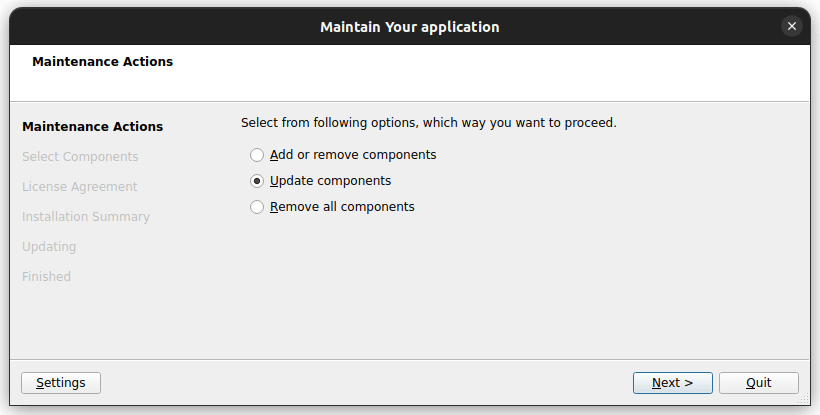
The Maintenance Tool interface is divided into clear sections that guide you through managing your Qt setup. At the top, you’ll usually find the navigation bar with options like Update, Add or Remove Components, and Settings.
Below the navigation bar, a central panel displays detailed options based on your selection. For example, choosing “Add or Remove Components” shows you a list of installed packages and available ones.
On the side, a progress or status bar helps you track ongoing tasks like downloads or installations. Keeping an eye on this can prevent you from interrupting an important process accidentally.
Finding The Replace Option
The Replace option isn’t always obvious but is essential for updating or switching parts of your Qt installation. To locate it, start by clicking on Add or Remove Componentsin the main navigation.
Within this section, look for any installed components you want to replace. The interface usually provides checkboxes or buttons next to each item, allowing you to select them.
After selecting the component, the tool will offer options such as Update, Remove, or Replace. Clicking Replace will guide you through selecting the new version or variant you want to install.
Have you ever missed a critical update because you couldn’t find the right button? Knowing exactly where “Replace” lives saves you time and keeps your setup current without hassle.
Using The Maintenance Tool List
The Maintenance Tool List in Qt helps manage installed components easily. It shows all parts of your Qt setup in one place. This list is useful for replacing outdated or broken components quickly. Using this tool saves time and keeps your development environment up to date.
Understanding The Component List
The component list displays all Qt modules and tools installed on your system. Each item has a name, version, and status. It helps identify which parts are currently active. You can see libraries, SDKs, and additional plugins here. This list is the starting point for any replacement task.
The list is organized clearly to avoid confusion. You can scroll through to find specific components. Each entry also shows if updates are available. This view helps decide what needs replacement or upgrade. Understanding this list ensures you only change what is necessary.
Selecting Components To Replace
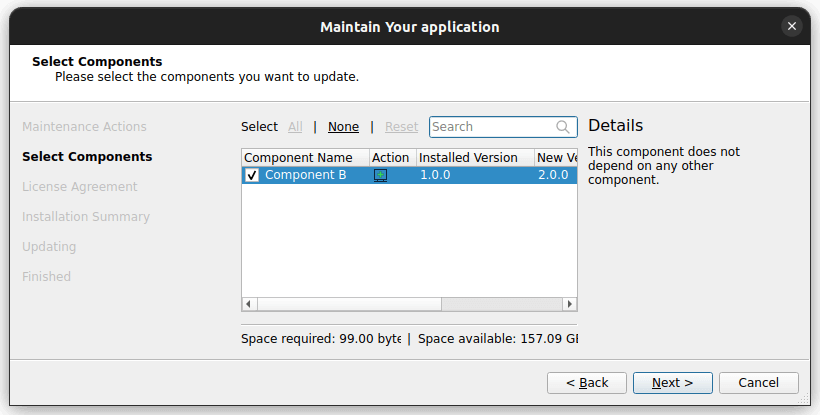
Selecting the right components is essential for smooth operation. Use the checkboxes beside each component to mark them. Only choose components that are outdated or causing issues. Avoid replacing components that work well to prevent problems.
After selection, click the update or replace button to proceed. The tool will download and install the new versions. It handles dependencies automatically, so you don’t need to worry. This process keeps your Qt installation clean and efficient.
Credit: bugreports.qt.io
Step-by-step Replacement Process
The replacement process using the Maintenance Tool in Qt is straightforward but requires careful attention to detail. Following a clear sequence helps avoid errors and ensures the right components are updated or swapped. Let’s walk through each phase so you can confidently manage your Qt environment.
Initiating The Replace Action
Start by launching the Qt Maintenance Tool from your installation directory. You’ll see options like Add or Remove Components, Update, and Repair. Choose the option related to modifying your installation, which leads you to the replacement section.
Have you ever hesitated here, unsure if you’re selecting the right tool? Trust the interface cues—they guide you step-by-step. This step sets the stage for what’s next, so don’t rush through it.
Confirming Component Selection
Once you’re in the replacement section, you’ll see a list of installed components. Carefully review which parts you want to replace. The tool lets you select new versions or alternative modules to swap in.
Take a moment to double-check your choices. Selecting the wrong component can cause issues down the line. Ask yourself: “Is this exactly what I need to replace or update?” This reflection saves time and frustration later.
Monitoring Progress
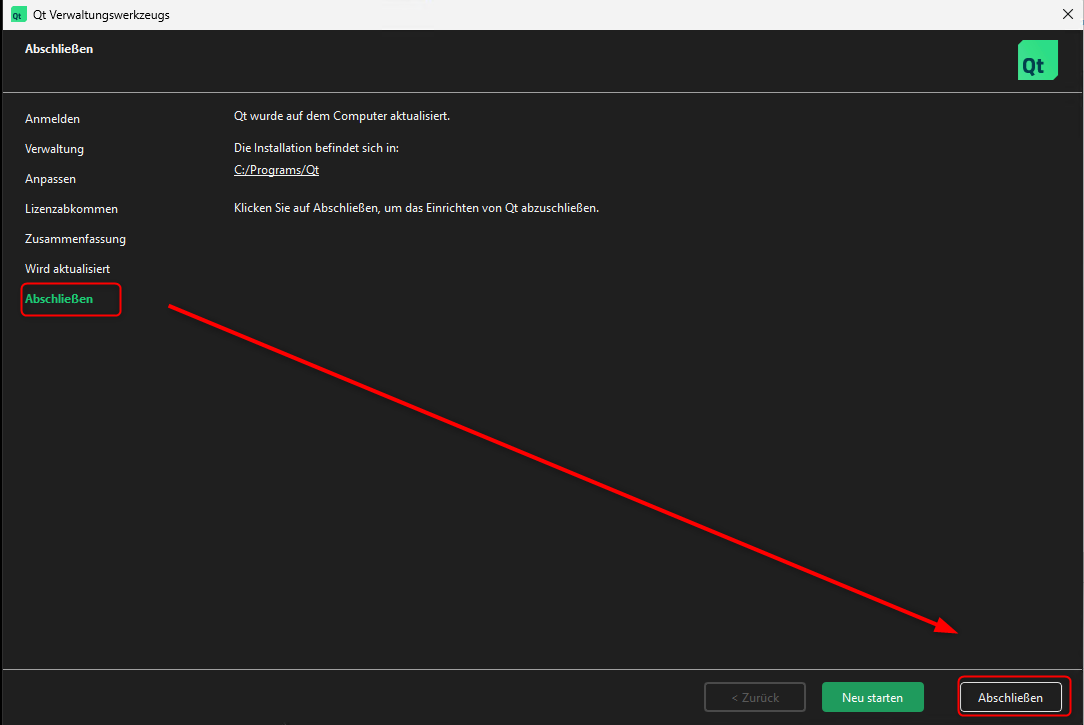
After confirming your selection, the Maintenance Tool begins the replacement process. A progress bar and status messages keep you informed in real-time. Watching this can feel slow, but patience here prevents incomplete installations.
Keep an eye out for any prompts or requests for confirmation. These moments often require your immediate input to continue smoothly. Staying engaged throughout avoids unexpected halts.
Handling Errors
If the tool encounters problems, error messages will appear with details. Don’t ignore them—read carefully to understand what went wrong. Common issues include network interruptions or file permission errors.
Try to resolve errors by following the suggestions provided or checking Qt forums for similar experiences. Sometimes, simply restarting the tool or your computer can clear up minor glitches. Have you experienced unexpected errors before? Knowing how to troubleshoot saves your valuable time.
Post-replacement Checks
After replacing components using the Qt Maintenance Tool, the job isn’t quite done. Post-replacement checks are crucial to ensure everything works smoothly and no unexpected issues pop up. Taking time to verify and test your updates can save you from headaches down the line.
Verifying Updated Components
Start by confirming the replacement process updated the intended components correctly. Open the Maintenance Tool and review the list of installed packages. Check if the versions reflect your recent changes.
Sometimes, packages may appear updated but haven’t fully replaced older files. Look for inconsistencies like missing modules or mismatched version numbers. If you spot anything off, rerun the replacement or consider reinstalling specific components.
Have you ever thought about how a simple version mismatch could cause runtime errors? It’s worth double-checking every detail here to avoid that trap.
Testing Qt Functionality
Next, run your Qt applications or projects to see if everything behaves as expected. Focus on features linked to the replaced components.
Pay attention to build times, compiler errors, and runtime warnings. These signs often reveal hidden problems from incomplete or faulty replacements.
Try creating a small test project that uses the updated modules. This hands-on test helps isolate issues faster than digging through logs alone.
What happens if your app crashes or fails to launch after replacement? Investigate logs carefully and consider rolling back changes temporarily while troubleshooting.
Credit: doc.qt.io
Troubleshooting Common Issues
Dealing with issues while replacing components using the Maintenance Tool in Qt can be frustrating. You might encounter errors or unexpected behavior that stalls your progress. Understanding how to troubleshoot these common problems can save you time and stress.
Failed Replacement Attempts
One common issue is the replacement process failing midway. This can happen if the Maintenance Tool is running without proper permissions. Always make sure to run the tool as an administrator or with sufficient user rights.
Another frequent cause is conflicts with files currently in use. If a Qt module is open in another program, the replacement will not proceed. Close all related applications before starting the update or replacement.
Sometimes the tool’s cache causes problems. Clearing the cache folder located in your Qt installation directory can help resolve these conflicts. Have you checked if the tool logs provide any hints about what went wrong?
Reverting Changes
If a replacement does not work as expected, reverting changes becomes crucial. The Maintenance Tool usually keeps a backup of previous installations. Use the “Restore” feature within the tool to roll back to a stable state.
Manual rollback might be necessary if the automated restore fails. This involves reinstalling the previous version of Qt or restoring files from a backup you created earlier. Do you have a backup strategy in place before making replacements?
Remember, abrupt interruptions during replacement can corrupt your installation. Always verify the integrity of Qt components after a failed attempt to avoid cascading issues in your projects.
Frequently Asked Questions
How Do I Access The Qt Maintenance Tool?
To access the Qt Maintenance Tool, navigate to your Qt installation directory. Look for the “MaintenanceTool” executable file. Double-click it to launch. This tool helps manage Qt installations, including updates and modifications. Ensure you have the necessary permissions to run it on your system.
Can I Update Qt Using The Maintenance Tool?
Yes, you can update Qt using the Maintenance Tool. Open the Maintenance Tool and select “Update components. ” Follow the on-screen instructions to download and install the latest updates. This ensures your Qt environment remains up-to-date and functions optimally with the newest features and security patches.
What Is The Purpose Of The Maintenance Tool?
The Maintenance Tool manages and updates Qt installations efficiently. It allows you to add, remove, and update components. This tool helps maintain a clean development environment, ensuring all necessary Qt modules are available and up-to-date. It’s an essential utility for developers working with Qt.
How Do I Remove Qt Components?
To remove Qt components, open the Maintenance Tool. Select “Remove components” and choose the items you wish to uninstall. Follow the prompts to complete the removal process. This helps free up space and declutter your development environment, keeping it tailored to your current project needs.
Conclusion
Replacing components using the Maintenance Tool in Qt is simple and clear. Follow the steps carefully to avoid errors. This tool helps keep your Qt setup updated and smooth. Regular maintenance saves time and prevents bigger problems later. Stay patient and check each action before proceeding.
With practice, you will feel more confident managing Qt installations. Keep your projects running well with easy updates and fixes. The Maintenance Tool is a helpful part of working with Qt software.