
Have you ever stopped to think about how well you take care of your tools? Whether you’re a DIY enthusiast or a professional, the condition of your tools directly affects your work.
Ignoring tool maintenance can lead to frustration, wasted time, and even costly repairs. But what if a simple routine could save you money, boost your efficiency, and extend the life of your tools? Keep reading to discover why tool maintenance is not just important, but essential for anyone who values quality and reliability in their work.
Your tools deserve the best care—and so do you.
Credit: www.fleetio.com
Importance Of Tool Maintenance
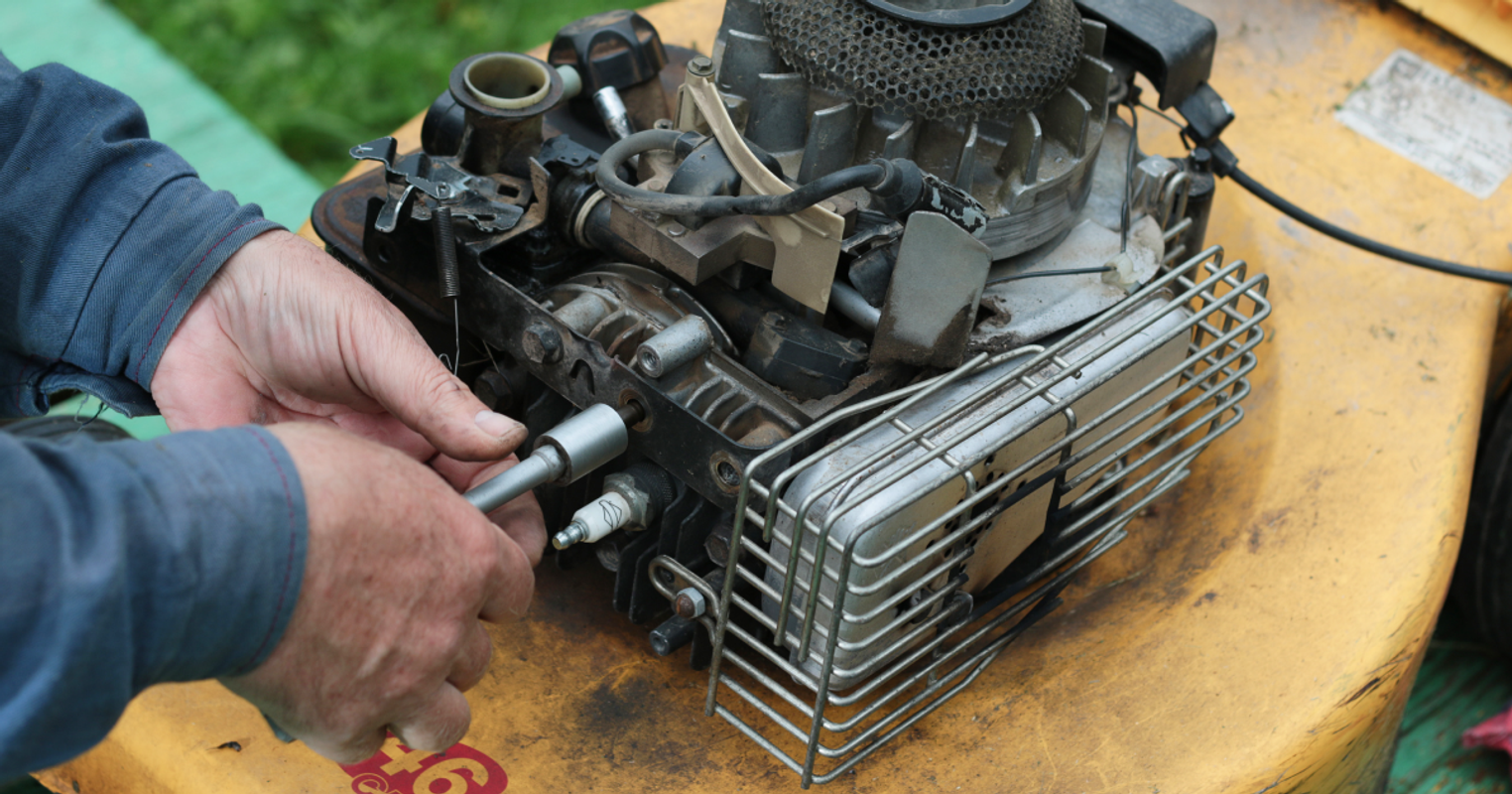
Tool maintenance is essential for anyone who uses tools regularly. It helps keep tools working well and lasts longer. Proper care saves money and time by avoiding breakdowns. It also keeps users safe during work. Taking simple steps to maintain tools improves overall efficiency.
Enhancing Tool Performance
Regular maintenance keeps tools sharp and clean. Sharp blades and well-oiled parts work faster and with less effort. Tools that perform well make tasks easier and save energy. Consistent care prevents rust and damage that slow down work. Well-maintained tools produce better results every time.
Preventing Costly Repairs
Ignoring tool maintenance leads to wear and tear. Small problems grow into big, expensive repairs. Fixing tools early costs less than replacing them. Regular checks catch issues before they become serious. Maintenance extends the life of tools and reduces repair bills.
Ensuring Safety During Use
Damaged or dull tools cause accidents and injuries. Proper maintenance ensures tools are safe to use. Tightening loose parts and replacing worn components prevent malfunctions. Safe tools protect users and make work more comfortable. Regular inspections reduce the risk of harm on the job.

Credit: www.youtube.com
Common Signs Tools Need Maintenance
Tools show clear signs when they need maintenance. Recognizing these signs early saves time and money. It helps keep tools safe and working well. Paying attention to changes in tool performance prevents bigger problems. Here are some common signs that tools need maintenance.
Reduced Efficiency
Tools may take longer to finish tasks. Cuts or drills might not be as smooth. Motors can slow down or stall. Reduced power or speed means parts could be worn out. This drop in efficiency signals the need for maintenance.
Visible Wear And Tear
Look for cracks, rust, or broken parts. Handles might be loose or cracked. Blades and bits can become dull or chipped. Visible damage weakens the tool and makes it unsafe. Regular checks catch these issues early.
Unusual Noises Or Vibrations
Strange sounds often mean something is wrong inside. Grinding, squeaking, or rattling noises are warning signs. Excessive shaking or vibration can damage parts. These symptoms show the tool needs inspection and repair.
Essential Maintenance Tips
Maintaining tools properly keeps them safe and effective. Regular care helps tools last longer and work better. Follow these essential maintenance tips to protect your investment and ensure smooth operation every time.
Regular Cleaning Practices
Clean tools after each use to remove dirt and debris. Use a soft brush or cloth for gentle cleaning. Avoid water on electrical tools to prevent damage. Dry tools completely before storing to stop rust.
Proper Lubrication Techniques
Lubricate moving parts to reduce friction and wear. Use the right oil or grease for each tool type. Apply lubricants sparingly to avoid buildup. Check manufacturer instructions for specific lubrication points.
Sharpening And Calibration
Keep blades sharp for safe and efficient cutting. Use proper sharpening tools or seek professional help. Calibrate measuring tools regularly to maintain accuracy. Accurate tools ensure quality work and reduce errors.
Storage Best Practices
Store tools in a dry, clean place to prevent damage. Use toolboxes or racks to organize and protect them. Keep sharp tools covered to avoid accidents. Proper storage extends tool life and keeps your workspace tidy.
Benefits Of Consistent Tool Care
Consistent tool care brings many benefits. It helps keep tools in good shape. Regular maintenance prevents damage and keeps tools ready for use. Proper care makes work easier and safer. Investing time in tool care pays off in many ways.
Extended Tool Lifespan
Regular cleaning and lubrication reduce wear and tear. Tools last longer with proper storage and handling. Rust and dirt can cause damage, but maintenance stops this. A well-kept tool stays strong and reliable for years.
Improved Work Quality
Sharp and clean tools work better. They give precise cuts and smooth finishes. Properly maintained tools reduce mistakes and rework. Consistent care ensures tools perform at their best every time.
Cost Savings Over Time
Maintaining tools lowers repair and replacement costs. Avoiding damage saves money on new tools. Well-cared tools need fewer repairs and last longer. Smart care helps keep your budget under control.
Choosing The Right Maintenance Tools
Choosing the right maintenance tools is key to keeping your equipment in top shape. Using improper tools can cause damage or reduce the lifespan of your devices. The right tools make maintenance easier, faster, and more effective, saving you time and money in the long run.
Cleaning Supplies
Good cleaning supplies protect your tools from rust and dirt buildup. Soft brushes, microfiber cloths, and gentle cleaners help remove grime without scratching surfaces. You might be surprised how much a simple wipe-down can improve a tool’s performance and prevent costly repairs.
Think about how often you clean your tools. Could neglecting this step be the reason some tools don’t work as well? Keeping cleaning supplies handy encourages you to maintain your tools regularly.
Lubricants And Oils
Lubricants reduce friction and wear between moving parts. Using the right oil can prevent parts from seizing up or rusting out. Not all lubricants are the same; some are designed for high temperatures while others work best in wet conditions.
If you’ve ever had a tool jam at a critical moment, lack of lubrication might be the culprit. Choosing the right lubricant keeps your tools running smoothly and extends their working life.
Sharpening Equipment
Sharp tools work better and safer. Dull blades force you to use more strength, which can lead to accidents or damage. Sharpening stones, files, and electric sharpeners each have their place depending on your tools and skill level.
Have you noticed how a freshly sharpened blade cuts with less effort? Investing in proper sharpening equipment ensures your tools stay effective and reliable every time you use them.

Credit: cisivistools.com
Frequently Asked Questions
Why Is Regular Tool Maintenance Essential?
Regular tool maintenance prevents damage, extends lifespan, and ensures optimal performance. It helps avoid costly repairs and improves safety during use.
How Does Tool Maintenance Improve Safety?
Properly maintained tools reduce the risk of malfunctions, accidents, and injuries. Clean, sharp, and well-lubricated tools work more reliably and safely.
What Are The Key Benefits Of Tool Maintenance?
Tool maintenance saves money, boosts efficiency, and ensures accuracy. It also reduces downtime and enhances the overall quality of work.
How Often Should Tools Be Maintained?
Tool maintenance frequency depends on usage, but a general rule is after every use or monthly checks for infrequent tools.
Conclusion
Tool maintenance is vital for safety and efficiency. Regular care prevents costly breakdowns. Well-maintained tools work better and last longer. This saves money in the long run. A little time spent on maintenance pays off big. It keeps your tools ready for any job.
Maintenance also protects you from unexpected failures. So, always check and clean your tools. Follow the guidelines. Replace worn parts promptly. Keep a routine maintenance schedule. It’s simple but essential. Proper care ensures tools perform at their best. Remember, a well-maintained tool is a reliable tool.