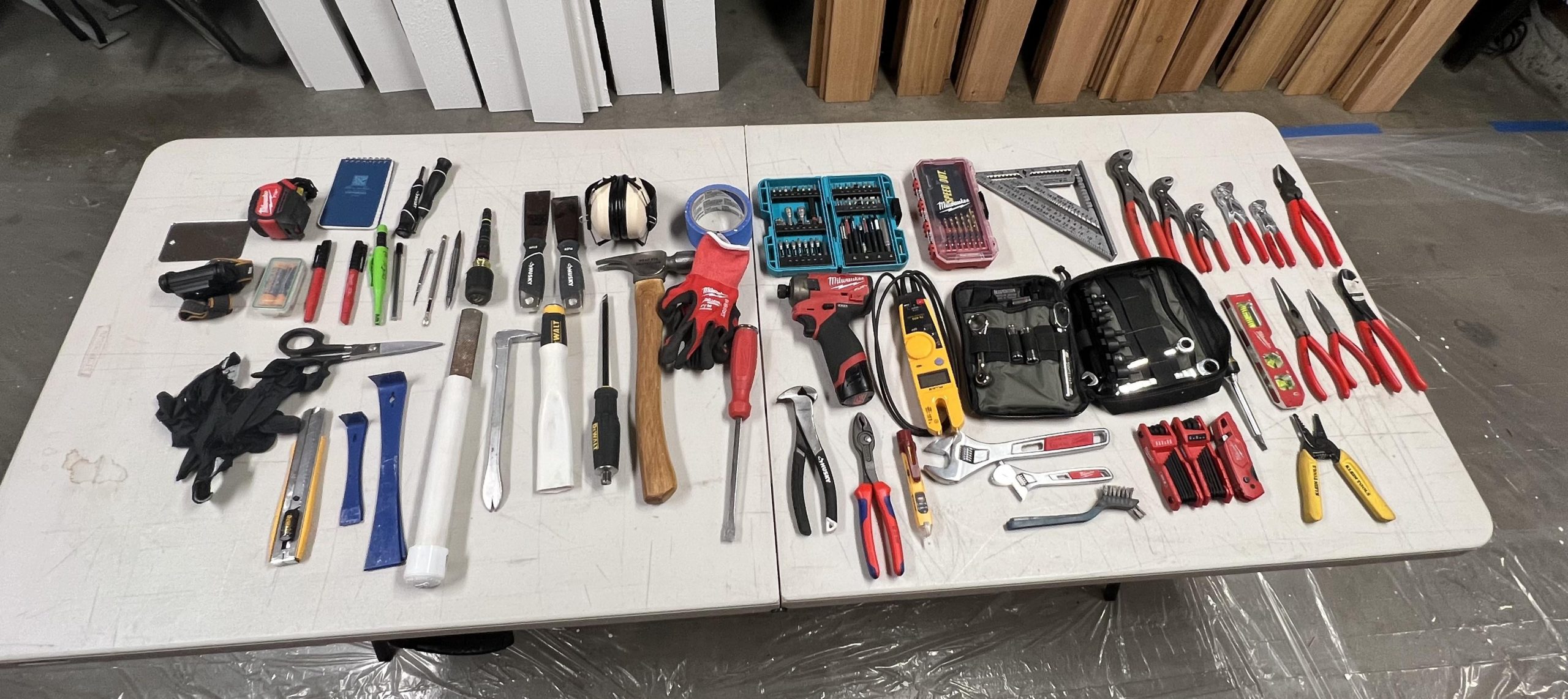
When it comes to keeping your home or workspace in top shape, having the right tools makes all the difference. You don’t want to be stuck halfway through a repair because you’re missing something important.
Imagine saving time, avoiding frustration, and feeling confident every time you tackle maintenance tasks. This guide will show you the must-have tools that should be in your kit right now. Ready to make your life easier and your projects smoother?
Keep reading to discover the essentials you can’t afford to miss.

Credit: www.familyhandyman.com
Hand Tools
Hand tools form the backbone of any maintenance toolkit. They offer precision, control, and reliability that power tools often can’t match. Having the right hand tools on hand can save you time, reduce frustration, and help you tackle a wide range of tasks effectively.
Screwdrivers And Wrenches
Screwdrivers and wrenches are essentials for almost every repair job. You’ll want a set of screwdrivers with various head types—flathead, Phillips, and Torx—to fit different screws. Wrenches come in adjustable or fixed sizes; having both lets you handle nuts and bolts of all sizes.
Think about the last time you struggled with a stuck bolt. A good wrench with a comfortable grip can make all the difference. Do you keep your screwdrivers and wrenches organized so you can find the right size quickly?
Hammers And Pliers
A hammer isn’t just for pounding nails; it’s handy for tapping parts into place or even light demolition. Choose a hammer with a balanced weight and a non-slip handle to reduce fatigue. Pliers come in various styles—needle-nose, slip-joint, and locking—each designed for gripping, twisting, or cutting wires and small objects.
Having the right pliers on hand can prevent damage to delicate components. Have you ever tried to pull a stubborn nail or twist a wire with the wrong tool? The right hammer and pliers make the job faster and less frustrating.
Cutting Tools
Cutting tools like utility knives, wire cutters, and tin snips are crucial for clean, precise cuts. A sharp blade improves safety and efficiency, so replace blades regularly. Wire cutters are indispensable for electrical work, while tin snips handle sheet metal effortlessly.
Are your cutting tools sharp and ready when you need them? Dull blades can cause accidents and damage materials, so keeping them in top shape is key. You’ll appreciate having reliable cutting tools when you face unexpected tasks.
Power Tools
Power tools are essential for any maintenance task. They save time and effort. These tools make tough jobs easier and faster. Having the right power tools improves work quality. They help handle various materials like wood, metal, and plastic.
Drills And Drivers
Drills and drivers are versatile power tools. They create holes and drive screws quickly. Cordless models offer great mobility and ease. Variable speed controls help with different materials. Compact designs reach tight spaces easily. Choose drill bits and driver heads for specific tasks.
Saws And Grinders
Saws and grinders cut and shape materials. Circular saws handle straight cuts in wood and metal. Jigsaws work well for curved cuts. Angle grinders remove rust and smooth edges. Different blades and discs suit various tasks. Safety gear is important when using these tools.
Sanders And Polishers
Sanders and polishers smooth surfaces and remove imperfections. Orbital sanders work well on wood and paint. Belt sanders handle rough sanding jobs. Polishers add shine to metals and plastics. Using the right grit ensures a smooth finish. These tools save hours of manual sanding.
Measuring Instruments
Measuring instruments are essential tools for any maintenance task. They provide accuracy and help avoid costly mistakes. Using the right measuring tool ensures projects go smoothly and safely. These tools come in various types, each designed for specific measurements.
Precision is key in maintenance work. Measuring instruments help check dimensions, levels, and electrical readings. They improve efficiency and quality in repairs and installations.
Tape Measures And Rulers
Tape measures and rulers are basic yet vital measuring tools. Tape measures are flexible and can measure long distances easily. Rulers are rigid and great for smaller, straight measurements.
Tape measures often feature locking mechanisms for steady readings. Rulers come in different materials like plastic, metal, or wood. Both tools are necessary for accurate length and width checks.
Levels And Squares
Levels ensure surfaces are perfectly horizontal or vertical. They help in installing shelves, cabinets, or frames correctly. Spirit levels and laser levels are common types used in maintenance.
Squares check right angles in woodworking and metalwork. They guarantee corners and joints fit perfectly. Combining levels and squares avoids structural problems and enhances quality.
Multimeters And Testers
Multimeters measure electrical values like voltage, current, and resistance. They detect electrical faults and confirm circuit functionality. Testers offer quick checks of power presence or continuity.
Both are crucial for safe electrical maintenance. They help prevent accidents and ensure devices work properly. Choosing the right model depends on the complexity of the electrical tasks.
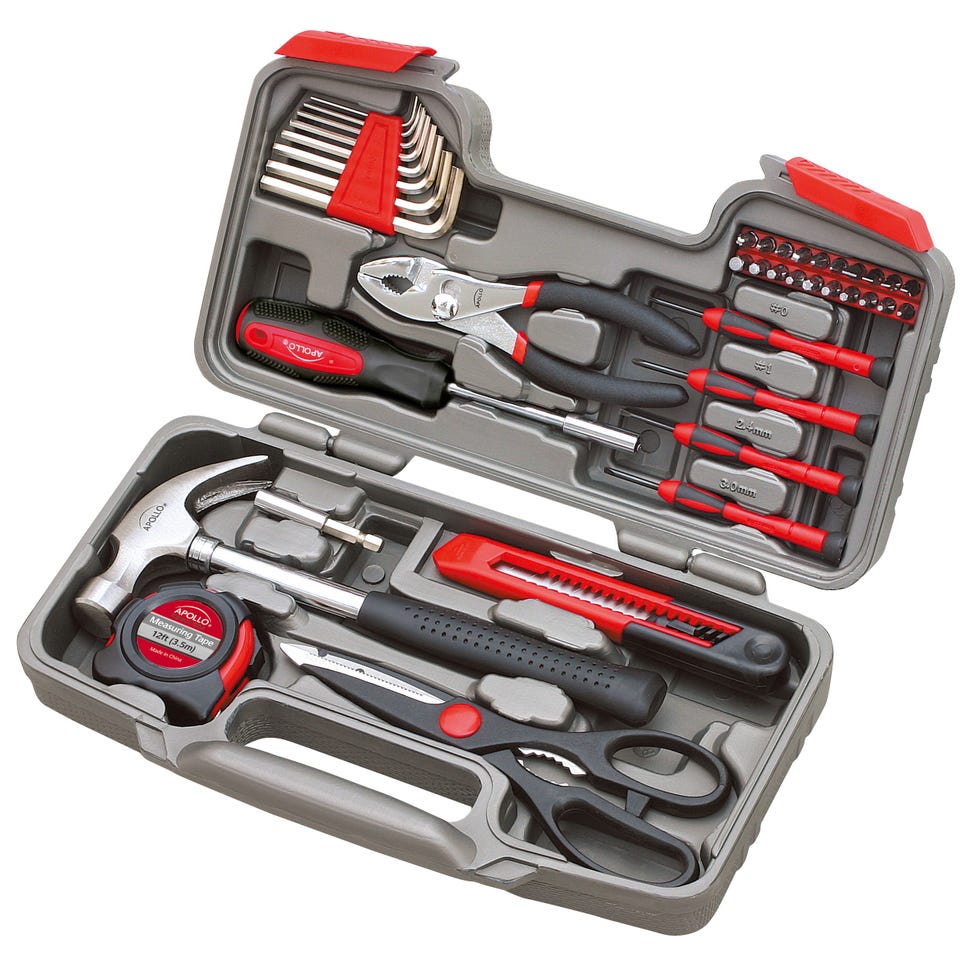
Credit: www.popularmechanics.com
Safety Gear
Safety gear is essential for any maintenance task. It protects you from injuries and harmful substances. Using the right gear reduces risks and keeps you safe. Always choose safety equipment suited to the job and environment.
Gloves And Goggles
Gloves protect your hands from cuts, chemicals, and dirt. Different tasks require different gloves, such as rubber, leather, or heavy-duty types. Goggles shield your eyes from dust, debris, and splashes. Pick goggles that fit well and offer clear vision.
Ear Protection
Loud tools and machines can damage hearing. Ear protection reduces noise levels to safe limits. Use earplugs or earmuffs depending on noise intensity. Proper ear protection helps prevent long-term hearing loss.
Respirators And Masks
Respirators and masks protect lungs from dust, fumes, and harmful particles. Choose masks rated for the specific contaminants you face. Ensure a snug fit to prevent inhaling dangerous substances. Always replace filters and masks as recommended.
Organizational Tools
Keeping your maintenance tools organized saves you time and reduces frustration. Organizational tools help you find what you need quickly and keep your workspace tidy. Without the right setup, tools can get lost or damaged, making your job harder than it should be.
Toolboxes And Bags
A good toolbox or bag is more than just a container—it’s your mobile workshop. Choose one with compartments and sturdy handles to separate small parts and heavy tools.
I once struggled with a cluttered toolbox until I switched to a bag with multiple pockets. It made a huge difference during a quick repair job because I could grab exactly what I needed without digging around.
Look for options made of durable materials that can withstand drops and rough conditions. Does your current toolbox let you carry everything without hassle?
Labeling Systems
Labels turn chaos into order. Using clear labels on drawers, shelves, and bins helps you identify tools at a glance.
Try color-coded stickers or printed tags to separate items by type or project. This small step can prevent hours wasted searching for a specific wrench or screwdriver.
Think about how often you misplace tools. Would a simple label system reduce those moments?
Storage Solutions
Effective storage solutions protect your tools and keep your workspace clean. Wall-mounted racks, pegboards, and modular shelving can free up floor space and keep tools visible.
Using magnetic strips for metal tools or clear bins for small parts makes retrieval faster and reduces clutter. Organizing vertically is especially useful if you have limited space.
What’s taking up the most room in your maintenance area? Could smarter storage give you more room to work?
Maintenance Supplies
Maintenance supplies are the backbone of any effective repair or upkeep job. Having the right materials on hand not only saves time but also ensures your work is done correctly. Without essential supplies, even simple tasks can become frustrating and inefficient.
Lubricants And Cleaners
Lubricants reduce friction and prevent wear on moving parts. Choose from options like WD-40, silicone spray, or grease depending on the job. Cleaners remove dirt, grime, and rust, making sure surfaces are ready for maintenance.
Think about the last time a squeaky hinge annoyed you. A quick spray of lubricant fixed it instantly. Do you have the right types of lubricants and cleaners ready for your next project?
Replacement Parts
Keeping common replacement parts like screws, nuts, bolts, and washers stocked avoids unnecessary delays. Items like belts, filters, and fuses are often overlooked but critical for smooth operation. Having these parts on hand means you can fix issues immediately instead of waiting for deliveries.
Consider your tools and appliances—how often do small parts fail? Don’t let a missing screw stop your progress. What replacement parts are essential for your specific maintenance needs?
Adhesives And Sealants
Adhesives like super glue, epoxy, and wood glue hold materials together securely. Sealants prevent leaks and protect surfaces from moisture damage. Selecting the right adhesive or sealant depends on the materials you’re working with and the conditions they’ll face.
Have you ever faced a leak that just wouldn’t stop? A good sealant can be your best friend in these moments. Which adhesives and sealants are in your maintenance kit right now?
Tech Gadgets
Tech gadgets are vital for efficient maintenance work. They help find problems fast and reduce manual labor. These tools offer clear data and easy monitoring. Using smart devices keeps equipment in good shape and prevents costly breakdowns.
Inspection Cameras
Inspection cameras reveal hidden issues inside machines and tight spaces. They provide clear images and videos for detailed checks. These tools save time by avoiding disassembly. Many models have flexible cables and bright LEDs for better viewing.
Smart Sensors
Smart sensors track equipment health continuously. They measure temperature, vibration, and humidity levels. Sensors send alerts when values go beyond safe limits. This helps fix issues early and avoid big repairs. Wireless sensors simplify installation and data collection.
Diagnostic Software
Diagnostic software analyzes data from machines and sensors. It identifies errors and predicts failures. The software offers easy-to-read reports and maintenance schedules. Technicians can prioritize tasks based on software insights. This improves repair accuracy and saves money.

Credit: www.popularmechanics.com
Frequently Asked Questions
What Are Essential Tools For Home Maintenance?
Essential tools include a hammer, screwdriver set, pliers, wrench, tape measure, and a power drill. These tools cover most basic repair tasks and help maintain your home efficiently.
How Do I Choose The Right Maintenance Tools?
Select tools based on the tasks you frequently perform. Prioritize quality, durability, and ergonomic design for ease of use and long-term value.
Why Is A Power Drill A Must-have Tool?
A power drill speeds up tasks like drilling holes and driving screws. It saves time and effort, making maintenance work easier and more precise.
Can I Maintain Tools To Extend Their Lifespan?
Yes, regularly clean, oil, and store tools properly. Proper maintenance prevents rust and damage, ensuring tools remain effective and safe for use.
Conclusion
Choosing the right maintenance tools is crucial. They ensure efficiency and safety. Proper tools save time and reduce stress. Every tool has a unique purpose. Use them wisely for best results. Investing in quality tools pays off in the long run.
Always keep them in good condition. Regular checks and updates are essential. A well-equipped toolbox makes tasks easier. It boosts your confidence and skills. Remember, a strong toolkit is your best friend. Happy maintenance!