Have you ever wondered why some tools last longer and work better than others? The secret lies in proper tools and equipment maintenance.
When you take care of your tools regularly, you save money, avoid unexpected breakdowns, and get your work done faster. You’ll discover exactly what tools and equipment maintenance means, why it’s essential for you, and simple steps you can take to keep everything in top shape.
Keep reading, because mastering this can make a big difference in how smoothly your projects run.
Importance Of Maintenance
Maintenance is essential for tools and equipment. It keeps them working well and prevents problems. Regular care helps avoid costly repairs and replacements. It also ensures tools perform safely and efficiently. Without maintenance, tools can break down suddenly and cause delays. Proper upkeep saves money and time over the long run.
Extending Tool Lifespan
Maintenance helps tools last longer. Cleaning, lubricating, and checking parts reduce wear and tear. Worn-out components get fixed or replaced early. This prevents bigger damage that shortens tool life. A well-maintained tool stays reliable for many years.
Ensuring Safety
Safe tools protect users from accidents. Regular inspections find loose or damaged parts. Fixing these issues lowers injury risks. Sharp blades, secure handles, and proper functioning prevent mishaps. Safety checks are crucial for every tool and machine.
Reducing Downtime
Downtime hurts productivity and profits. Maintenance stops unexpected tool failures during work. Scheduled servicing means fewer emergency repairs. Workers stay focused and projects finish on time. This keeps business running smoothly without costly interruptions.

Credit: wint.ai
Types Of Tools And Equipment
Tools and equipment come in many forms, each designed for specific tasks. Understanding the types helps maintain them properly. Proper care extends their life and keeps work safe and efficient.
Hand Tools
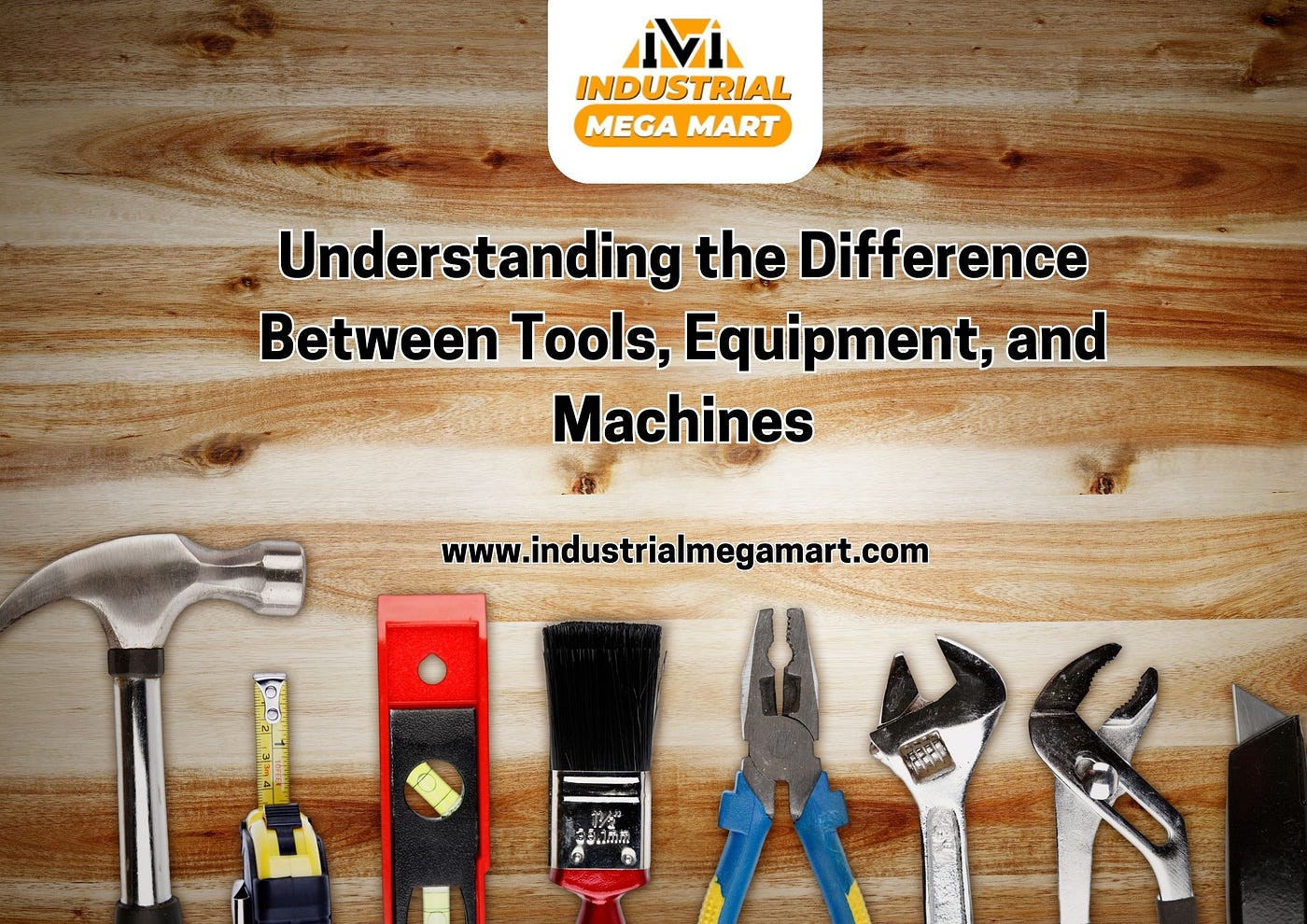
Hand tools are simple devices operated by hand. Examples include hammers, screwdrivers, and wrenches. They need regular cleaning and sharpening. Check for rust and wear before use. Proper storage prevents damage and loss.
Power Tools
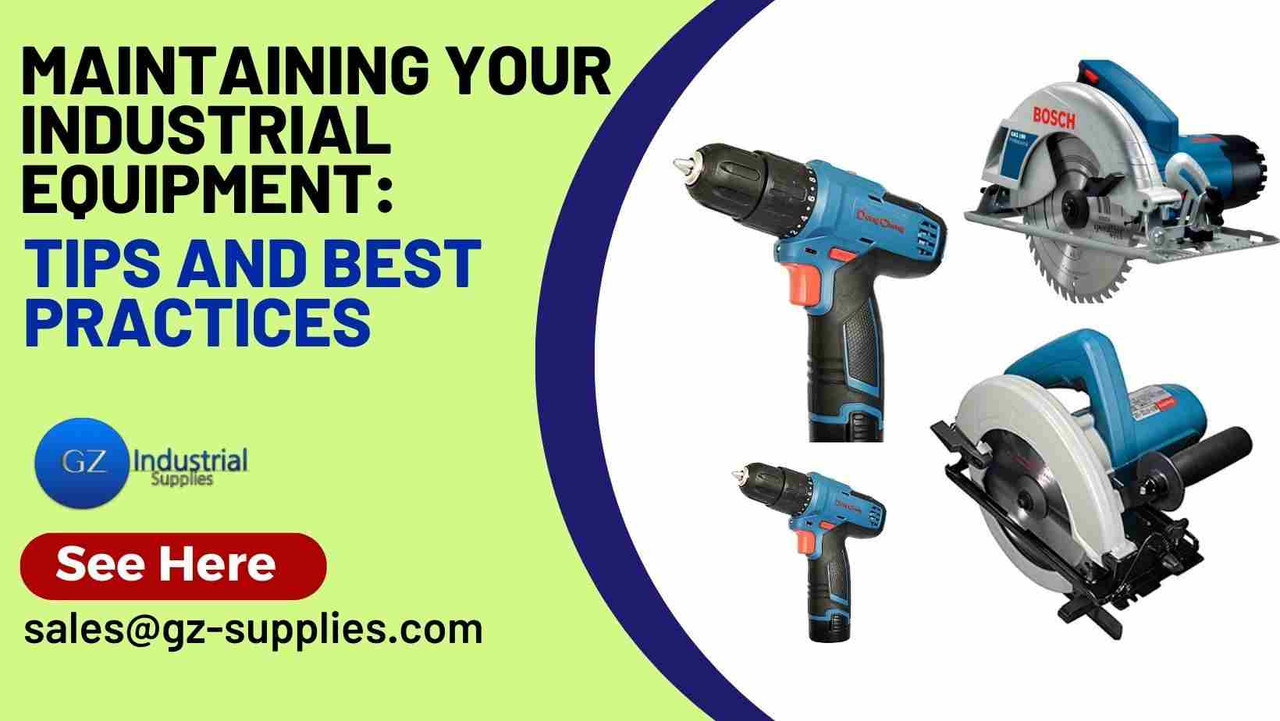
Power tools run on electricity or batteries. Drills, saws, and sanders belong here. These tools require more careful maintenance. Clean dust and debris after each use. Inspect cords and batteries for damage. Follow safety guidelines to avoid accidents.
Heavy Machinery
Heavy machinery includes large equipment like excavators and forklifts. These machines need routine inspections and servicing. Check oil, filters, and hydraulic systems regularly. Keep parts lubricated to reduce wear. Trained operators must handle these machines to ensure safety.
Common Maintenance Tasks
Common maintenance tasks keep tools and equipment working well and safe. Regular upkeep prevents breakdowns and extends the life of your tools. These tasks involve simple actions that anyone can perform with care. Understanding these tasks helps maintain performance and avoid costly repairs.
Cleaning And Lubrication
Cleaning removes dirt, dust, and grime that build up on tools. It stops parts from sticking or wearing out too fast. Lubrication adds oil or grease to moving parts. This reduces friction and prevents rust. Regular cleaning and lubrication keep tools running smoothly and safely.
Inspection And Testing
Inspection means checking tools for damage or wear. Look for cracks, loose parts, or signs of rust. Testing ensures tools work correctly and safely. It can involve turning on machines or measuring electrical parts. Regular inspection and testing catch problems early before they become serious.
Calibration And Adjustments
Calibration sets tools to work within correct limits or measurements. This is important for tools that measure or cut precisely. Adjustments fix small errors or changes in tool performance. Proper calibration and adjustments keep tools accurate and reliable for daily use.
Maintenance Scheduling
Maintenance scheduling is a crucial part of keeping your tools and equipment in top shape. It ensures that everything runs smoothly without unexpected breakdowns that can disrupt your work. By planning maintenance tasks ahead of time, you save both time and money while extending the life of your equipment.
Routine Checks
Routine checks are the simplest form of maintenance scheduling. These are quick inspections you perform regularly, such as daily or weekly. They help spot obvious issues like loose screws, worn-out parts, or dirt buildup before they become bigger problems.
Think about your own experience: have you ever ignored a small noise from a machine, only to have it stop working later? Routine checks prevent that by catching small signs early.
Preventive Maintenance
Preventive maintenance involves scheduled tasks based on time or usage. You might replace parts or lubricate moving components every few months, regardless of whether they show wear. This approach reduces the chance of unexpected failures.
Imagine changing the oil in your car regularly instead of waiting for the engine to break down. That’s preventive maintenance working in your favor. It’s about being proactive rather than reactive.
Predictive Maintenance
Predictive maintenance uses data and monitoring tools to forecast when equipment might fail. Sensors can track temperature, vibration, or noise levels and alert you when something seems off. This method helps you schedule maintenance only when needed, saving resources.
Have you used a fitness tracker that tells you when to rest? Predictive maintenance works similarly by giving you real-time insights. It’s a smart way to maintain your tools without unnecessary downtime or costs.
Tools For Maintenance
Tools for maintenance are the backbone of keeping your equipment running smoothly. Without the right tools, small problems can turn into costly repairs. Understanding what tools to use and when can save you time, money, and frustration.
Diagnostic Instruments
Diagnostic instruments help you identify issues before they become major problems. These include multimeters, pressure gauges, and thermal cameras. Using these tools regularly allows you to catch faults early and plan your maintenance effectively.
Have you ever tried fixing a machine only to realize the problem was something you couldn’t see? Diagnostic tools give you a clear picture of what’s happening inside your equipment.
Cleaning Supplies
Keeping your tools and equipment clean is essential for their longevity. Cleaning supplies like brushes, cloths, solvents, and compressed air cans help remove dirt and debris. Neglecting this simple step can cause wear and tear that leads to breakdowns.
Think about how often you clean your tools. Is it only when something stops working? Regular cleaning can prevent many issues before they start.
Repair Kits
Repair kits contain the basic parts and tools needed for quick fixes. Items like screwdrivers, wrenches, replacement screws, and glue are common in these kits. Having a repair kit on hand means you can handle minor repairs immediately, avoiding downtime.
Do you have a repair kit ready when something breaks? Being prepared can make all the difference between a quick fix and waiting for professional help.
Credit: www.gz-supplies.com
Record Keeping And Documentation
Record keeping and documentation form the backbone of effective tools and equipment maintenance. They provide a clear history of all actions taken, making it easier to track performance and plan future maintenance. Proper records help avoid unexpected breakdowns and extend the life of equipment.
Accurate documentation supports accountability and ensures that maintenance tasks are done on time. It also helps identify recurring issues and patterns that need attention. Keeping organized records saves time and money in the long run.
Maintenance Logs
Maintenance logs capture every task performed on tools and equipment. These logs include dates, details of the work done, and the person responsible. They help monitor regular upkeep and spot any missed maintenance.
Logs often show:
- Routine inspections
- Repairs and replacements
- Calibration and adjustments
Clear logs make it easier to plan future maintenance and reduce downtime.
Service History
Service history records document all professional servicing and repairs. This history provides a timeline of major work that goes beyond routine maintenance. It shows how often equipment has been serviced and what issues were fixed.
Service history is vital for:
- Tracking warranty claims
- Planning equipment upgrades
- Evaluating equipment lifespan
Having detailed service records improves equipment management and decision-making.
Compliance Records
Compliance records ensure tools and equipment meet safety and legal standards. These documents prove that maintenance follows industry regulations and company policies. They include inspection reports, certifications, and safety checks.
Compliance records help:
- Pass audits and inspections
- Protect workers from hazards
- Maintain insurance coverage
Staying compliant reduces risks and promotes a safe work environment.
Common Challenges And Solutions
Maintaining tools and equipment poses several challenges for businesses. These hurdles affect productivity, safety, and cost efficiency. Identifying common issues helps in finding practical solutions. Addressing these problems ensures smoother operations and longer equipment life.
Resource Constraints
Limited budgets restrict regular maintenance and repairs. Many teams struggle to buy quality parts or hire skilled technicians. This can lead to delayed fixes and increased breakdowns.
Smart planning helps manage resources better. Prioritize critical equipment for maintenance. Use cost-effective parts without compromising quality. Schedule tasks to fit within budget limits.
Training Gaps
Workers often lack proper training on tool care and maintenance. This causes mistakes and quick wear of equipment. Untrained staff may also ignore safety procedures.
Regular training sessions boost skills and knowledge. Use simple guides and videos for easy learning. Encourage workers to report issues early. This reduces errors and extends tool life.
Equipment Downtime
Unexpected breakdowns halt work and waste time. Downtime increases costs and delays projects. Poor maintenance raises the risk of sudden failures.
Implement routine checks to spot problems early. Keep spare parts ready to speed repairs. Use maintenance logs to track equipment health. This lowers downtime and improves productivity.
Best Practices For Success
Maintaining tools and equipment isn’t just about fixing things when they break. It’s about creating a routine that keeps everything running smoothly and extends the life of your investments. Success in maintenance depends on consistent effort, smart use of resources, and skilled hands ready to tackle issues before they become problems.
Regular Training
Keeping your team updated with the latest maintenance techniques is key. Skills can get rusty, and new equipment often requires new approaches. Regular training sessions help your staff stay sharp and confident, reducing the chances of errors and accidents.
Think about a time you learned a shortcut or a new trick that made your work easier. That “aha” moment during training can save hours later. Don’t let your team miss out on these opportunities.
Use Of Technology
Technology can transform how you manage your tools and equipment. Digital checklists, maintenance scheduling apps, and condition-monitoring sensors provide real-time insights. This means you can spot wear and tear early and plan repairs before a breakdown happens.
Imagine receiving an alert on your phone that a critical machine needs service tomorrow. Wouldn’t that give you a huge advantage over reacting after it stops working? Using technology smartly keeps you a step ahead.
Engaging Skilled Personnel
Skilled personnel bring knowledge that machines and software can’t replace. Their experience helps identify subtle signs of trouble and apply the right fixes quickly. Engaging these experts means involving them in decision-making and valuing their input.
Have you ever noticed how a seasoned technician’s intuition can prevent costly downtime? Their expertise is an asset you can’t afford to overlook. Make sure your maintenance team feels empowered and motivated to do their best work.

Credit: safetyculture.com
Frequently Asked Questions
What Is Tools And Equipment Maintenance?
Tools and equipment maintenance involves regular inspection, cleaning, and repair. It ensures optimal performance and extends lifespan. Proper maintenance prevents breakdowns and costly replacements. It enhances safety and efficiency in work environments.
Why Is Equipment Maintenance Important?
Equipment maintenance reduces downtime and repair costs. It improves safety by preventing accidents caused by faulty tools. Regular upkeep ensures tools work efficiently, boosting productivity and quality. It also extends the lifespan of expensive equipment.
How Often Should Tools Be Maintained?
Maintenance frequency depends on tool usage and type. Generally, inspect tools before and after use. Perform thorough maintenance monthly or quarterly for heavy-use equipment. Always follow manufacturer guidelines for specific maintenance schedules.
What Are Common Maintenance Practices For Tools?
Common practices include cleaning, lubricating, sharpening, and tightening parts. Inspect for wear and damage regularly. Replace worn-out components promptly. Store tools properly to prevent rust and damage. Proper maintenance increases tool reliability and safety.
Conclusion
Regular maintenance of tools and equipment ensures safety and efficiency. Consistent care can extend the lifespan of your gear. It reduces unexpected breakdowns and costly repairs. Simple checks can prevent bigger issues. This makes daily tasks smoother and more reliable.
A little effort today saves time and money tomorrow. Keep your tools clean and well-serviced. Listen to your equipment; it tells you when something is wrong. Proper maintenance is not just a task. It’s an investment in your work’s quality and success.
Stay diligent and watch your productivity improve.