When an emergency strikes, every second counts—and forcible entry tools are the heroes that help you get through locked doors quickly and safely. But have you ever wondered who makes sure these critical tools are ready to perform when you need them most?
Knowing who cares for and maintains your forcible entry tools isn’t just important—it can be the difference between success and failure in a crisis. Keep reading to discover how proper care and maintenance keep your tools sharp, reliable, and ready to save the day.
Your safety depends on it.

Credit: lncurtis.com
Key Forcible Entry Tools
Forcible entry tools are essential for quick access during emergencies. These tools help rescue teams open locked doors, windows, or barriers safely and efficiently. Understanding the key tools used in forcible entry highlights their importance and design.
Common Types Of Tools
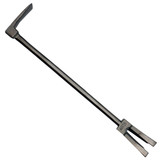
- Halligan Bar: A multipurpose tool used for prying and twisting locks.
- Axe: Used for chopping through doors and walls.
- Sledgehammer: Delivers heavy blows to break down doors or walls.
- Hydraulic Spreaders: Apply force to open doors or crush obstacles.
- Bolt Cutters: Cut through chains, padlocks, and metal barriers.
Materials And Construction
Forcible entry tools are built to withstand harsh conditions. High-strength steel is common for durability and resistance to bending.
Handles often feature non-slip grips for secure handling during intense use. Some tools include fiberglass components to reduce weight while maintaining strength.
Each tool undergoes strict testing to ensure reliability in emergencies. Quality materials and solid construction make these tools effective and safe for rescuers.
Primary Caretakers
Primary caretakers play a vital role in keeping forcible entry tools ready for action. These tools face tough conditions and must work perfectly during emergencies. Caretakers ensure tools are clean, sharp, and safe. Their work extends the tools’ life and ensures firefighter safety. Without regular care, tools can fail when needed most.
Firefighters’ Role
Firefighters use forcible entry tools daily. They check tools before and after each use. This quick inspection helps spot damage early. Firefighters clean tools to remove dirt and debris. They also apply oil to prevent rust. Reporting broken tools ensures repairs happen fast. Firefighters understand that tool care supports their safety and mission.
Maintenance By Rescue Teams
Rescue teams perform deeper maintenance on forcible entry tools. They sharpen blades and tighten loose parts. Teams test tools for proper function. They replace worn components to maintain strength. Regular maintenance schedules keep tools in top shape. Rescue teams document all repairs and upkeep. Their expertise ensures tools perform well under pressure.
Maintenance Procedures
Maintaining forcible entry tools is essential to keep them reliable and safe during emergencies. These tools face tough conditions, so proper care ensures they work smoothly when you need them most. Understanding maintenance procedures helps you extend the life of your equipment and avoid unexpected failures.
Regular Inspection Routines
Inspect your tools before and after every use. Look for cracks, rust, loose parts, or any signs of wear that might affect performance. Pay attention to handles, joints, and cutting edges to catch problems early.
Ask yourself: Is there any unusual play or stiffness in moving parts? Catching these issues during routine checks can prevent accidents and costly repairs.
Cleaning And Lubrication
After every use, clean your tools to remove dirt, debris, and moisture. Use a wire brush or cloth to wipe away grime, especially around hinges and joints.
Apply a light oil or lubricant to moving parts to reduce friction and prevent rust. This simple step keeps your tools working smoothly and extends their lifespan.
Sharpening And Repairs
Dull blades can slow down your work and increase the risk of injury. Sharpen cutting edges regularly using a file or sharpening stone to maintain effectiveness.
If a tool is damaged, don’t ignore it. Replace broken parts or get professional repairs promptly to keep your equipment reliable. Remember, a small repair today can save you from a major failure tomorrow.

Credit: lncurtis.com
Specialized Technicians
Specialized technicians are the backbone of maintaining forcible entry tools. These professionals ensure that your tools function reliably when you need them most. Their expertise keeps every component in peak condition, preventing failures during critical moments.
Tool Repair Experts
Tool repair experts handle everything from routine maintenance to complex repairs. They understand the unique design and function of forcible entry tools, allowing them to spot issues others might miss.
Have you ever considered how a small crack or worn-out spring could compromise your tool’s performance? These technicians use precise diagnostics and hands-on skills to fix such problems before they escalate.
Many repair experts also provide tips on how to care for your tools between uses, helping you extend their lifespan and improve safety.
Manufacturer Support Services
Manufacturers often back specialized technicians with training and official support services. This connection ensures repairs meet the highest quality and safety standards set by the tool makers.
When your forcible entry tools are serviced through manufacturer support, you get access to genuine parts and updated repair techniques. This can make a significant difference in tool durability and performance.
Do you know if your local service provider collaborates with manufacturers? Choosing those who do can save you time and money in the long run by ensuring your tools get expert attention aligned with original specifications.
Training And Safety
Training and safety are the backbone of effective maintenance for forcible entry tools. These tools are essential in emergency situations, but they can be dangerous if handled improperly. Proper training ensures that you know how to care for and maintain these tools safely and efficiently.
Handling And Care Training
Handling forcible entry tools requires more than just strength. You need to understand the correct grips, angles, and force to use. Training helps you develop these skills, reducing wear and tear on the tools.
During training sessions, you’ll learn how to inspect each tool for damage before and after use. Recognizing small cracks or loose parts early can prevent accidents and extend the tool’s lifespan.
Have you ever thought about how a simple maintenance check could save lives? Proper training teaches you to treat these tools with respect and to handle them as if your safety depends on it—because it does.
Safety Protocols During Maintenance
Maintenance isn’t just about cleaning or tightening screws—it’s about working safely at every step. Wearing protective gloves and eye protection guards you against sharp edges and flying debris.
Follow a checklist that includes checking for rust, lubricating moving parts, and ensuring all bolts are secure. This checklist acts like a safety net, catching potential problems before they escalate.
- Always disconnect any power sources before starting maintenance on powered forcible entry tools.
- Use proper tools designed for maintenance to avoid damaging the equipment.
- Maintain a clean workspace to prevent slips or accidental injuries.
Imagine trying to fix a tool in a cluttered, poorly lit area. How confident would you feel? Safe maintenance requires a safe environment. Your attention to safety can be the difference between a tool that works perfectly and one that fails when you need it most.
Storage And Longevity
Proper storage and regular maintenance play a key role in keeping forcible entry tools ready for use. These tools face tough conditions and heavy use. Careful storage protects them from damage and rust. This helps tools last longer and perform better when needed.
Proper Storage Practices
Store forcible entry tools in a dry, clean place. Avoid leaving them in damp or humid areas. Moisture causes rust and weakens metal parts. Use wall racks or toolboxes to keep tools organized and off the floor. Separate tools to prevent them from banging into each other. Cover tools with cloth or plastic to block dust and dirt. Make sure handles are clean and dry before storing. Label storage areas for easy access during emergencies.
Extending Tool Lifespan
Clean tools after every use to remove dirt and debris. Apply light oil to metal surfaces to stop rust. Check for any damage or wear regularly. Sharpen blades and replace worn parts as needed. Tighten loose screws or bolts to keep tools safe. Train users to handle tools carefully and store them properly. Regular inspections by maintenance staff catch problems early. Well-maintained tools stay reliable for years and ensure safety during rescue operations.

Credit: lncurtis.com
Frequently Asked Questions
Who Is Responsible For Maintaining Forcible Entry Tools?
Fire departments and emergency response teams usually handle maintenance. Trained personnel regularly inspect, clean, and repair tools to ensure they work properly during emergencies.
How Often Should Forcible Entry Tools Be Maintained?
Maintenance should occur after every use and during scheduled checks. Regular inspections prevent tool failure and extend their lifespan, ensuring readiness at all times.
What Are Common Maintenance Tasks For Forcible Entry Tools?
Tasks include cleaning debris, lubricating moving parts, sharpening edges, and checking for damage. Proper maintenance keeps tools efficient and safe for emergency use.
Why Is Professional Maintenance Important For These Tools?
Professional maintenance ensures tools meet safety and performance standards. Experts identify issues early, reducing the risk of malfunction during critical situations.
Conclusion
Proper maintenance ensures forcible entry tools work effectively. Regular inspections identify issues early. Clean and lubricate tools to prevent rust. Store them in a dry place. Firefighters usually perform these tasks. They ensure tools are safe and ready for emergencies.
Training is crucial for effective tool care. Well-maintained tools save time during critical situations. They enhance safety and efficiency in rescue operations. Consistent care prolongs tool life. It reduces replacement costs. Prioritize maintenance for reliable performance. Remember, well-cared tools make a difference.
Every detail matters. Stay prepared, stay safe.