Have you ever wondered why some machines run smoothly for years while others break down quickly? The secret often lies in tool and die maintenance.
If you work with tools, dies, or machinery, understanding how to keep them in top shape can save you time, money, and frustration. You’ll discover what tool and die maintenance really means and why it’s crucial for your equipment’s performance and longevity.
Keep reading, and you’ll learn simple yet powerful ways to protect your tools and keep your work running without a hitch.
Tool And Die Basics
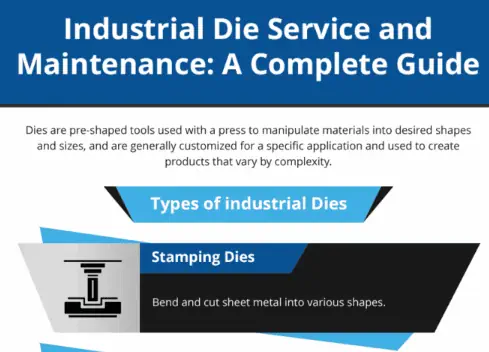
Tool and die basics are essential to understand before diving into maintenance. These tools shape and form materials in manufacturing. They help create parts with precision and consistency. Knowing the types of tools and dies and their uses aids in proper care. This knowledge supports longer tool life and better product quality.
Types Of Tools And Dies
- Cutting Tools:Used to cut and shape metal or other materials.
- Forming Dies:Shape materials by bending or stretching.
- Progressive Dies:Perform multiple operations in one press cycle.
- Blanking Dies:Cut out flat shapes from sheets of metal.
- Drawing Dies:Pull metal into a desired shape, like cups or boxes.
Common Uses In Manufacturing
- Creating parts for cars, airplanes, and appliances.
- Shaping metal sheets into useful components.
- Producing consistent sizes and shapes for mass production.
- Building tools for cutting, stamping, and molding operations.
- Helping manufacturers reduce waste and improve efficiency.
Credit: www.ntc.edu
Importance Of Maintenance
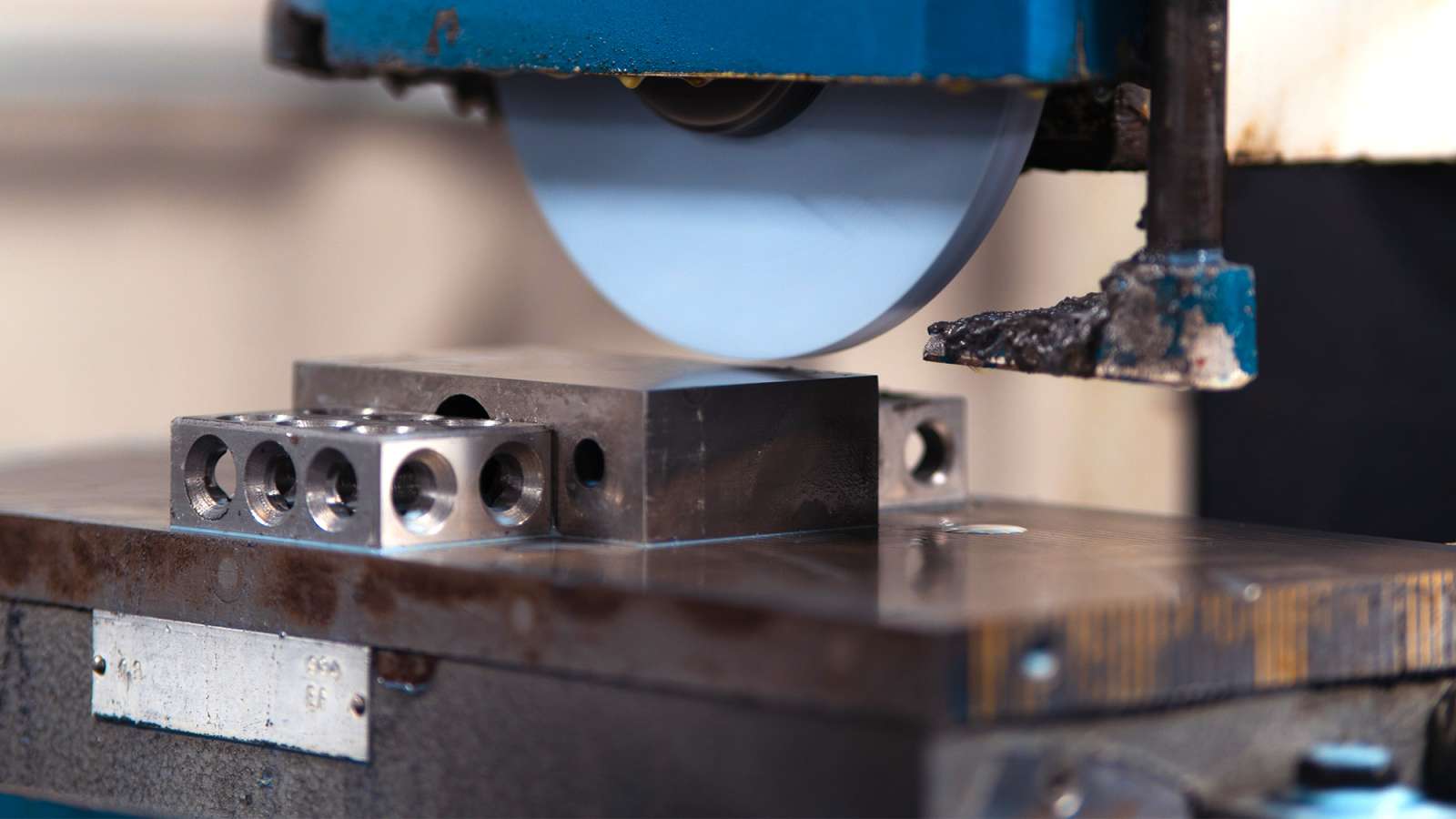
Maintenance is the backbone of every efficient tool and die operation. It safeguards your investment by keeping tools in prime condition and ensuring smooth production. Ignoring maintenance can lead to unexpected breakdowns and increased costs that you can easily avoid.
Extending Tool Life
Regular maintenance adds years to your tools’ lifespan. Simple actions like cleaning, lubrication, and timely repairs prevent wear and tear. When you catch small issues early, your tools stay sharp and effective much longer.
I once saw a shop where a neglected die failed after just a few months. After switching to a routine maintenance schedule, the same die lasted over a year without major problems. How long could your tools last if you gave them proper care?
Reducing Downtime
Unexpected tool failures bring production to a halt, costing you time and money. Scheduled maintenance helps spot potential problems before they cause breakdowns. This means fewer interruptions and a smoother workflow.
Think about your last unplanned shutdown—how much was lost in lost hours and urgent fixes? A maintenance plan reduces these surprises and keeps your operation running on schedule.
Improving Product Quality
Worn or damaged tools can lead to inconsistent product quality. Maintaining your tools ensures precision and accuracy in every piece you produce. This builds trust with your customers and reduces scrap rates.
Have you noticed changes in your product’s finish or dimensions? It might be time to check your tools. Keeping them in top shape means your products meet standards every time, without guesswork.
Routine Maintenance Tasks
Routine maintenance tasks are the backbone of keeping your tool and die equipment running smoothly. Skipping these tasks can lead to unexpected breakdowns and costly repairs. Regular attention not only prolongs the life of your tools but also ensures consistent quality in your production.
Cleaning Techniques
Keeping your tools clean prevents dirt and debris from causing wear or damage. Use soft brushes or compressed air to remove particles from hard-to-reach areas without scratching the surface. Avoid harsh chemicals that might corrode metal parts; instead, opt for mild solvents or specialized cleaning agents.
Have you noticed how a small buildup of grime can affect the precision of your die? Cleaning after every use reduces this risk and keeps your tools ready for the next job.
Lubrication Practices
Proper lubrication reduces friction and heat, which are major causes of tool wear. Apply lubricants to moving parts according to the manufacturer’s recommendations, focusing on joints, slides, and bearings. Use the right type of lubricant—too thick or too thin can both cause problems.
Imagine trying to work with a squeaky hinge; your tools feel the same without proper lubrication. Regularly check lubricant levels and reapply as needed to maintain smooth operation.
Inspection Procedures
Routine inspections help you catch small issues before they escalate. Look for cracks, dents, or unusual wear patterns on your tools and dies. Use magnification tools or gauges to verify dimensions and ensure everything meets specifications.
Ask yourself: have you checked for signs of fatigue or stress during your last inspection? Early detection of defects can save you from expensive downtime and maintain your product’s quality.
Troubleshooting Common Issues
Troubleshooting common issues in tool and die maintenance is essential to keep your equipment running smoothly and avoid costly downtime. Understanding the early warning signs and knowing how to address them can save you time and money. Here, we focus on three critical areas where problems often arise and how you can tackle them effectively.
Wear And Tear Signs
Wear and tear are inevitable, but spotting them early helps you extend the life of your tools and dies. Look for surface scratches, cracks, or deformation on the die edges and cutting surfaces. These can cause poor product quality and increased machine stress.
Pay attention to changes in product dimensions or increased reject rates—they often signal worn tools. Regularly inspect your tools under magnification to catch subtle damage. Replacing or refurbishing parts at the right time prevents bigger failures.
Alignment Problems
Misalignment in your tool and die setup can lead to uneven wear and inaccurate parts. If you notice uneven cuts, excessive noise, or vibration during operation, your alignment may be off. Misalignment puts extra pressure on certain components, speeding up their breakdown.
Use precision measuring tools like dial indicators or laser alignment devices to verify setup accuracy. Adjust shims or mounts to correct any misalignment you find. Regular calibration keeps your equipment running true and your parts consistent.
Corrosion Prevention
Corrosion silently damages tools and dies, especially in humid or chemically harsh environments. Rust can cause pitting on surfaces, leading to weak spots and eventual failure. Don’t wait until corrosion is visible; inspect your equipment regularly.
Apply protective coatings or rust inhibitors to vulnerable areas. Store tools in dry, controlled environments and clean them thoroughly after use. Small habits like wiping tools with oil after a shift can drastically reduce corrosion risk.
Advanced Maintenance Strategies
Advanced maintenance strategies in tool and die maintenance are changing the game for many industries. They focus on preventing breakdowns before they happen and keeping your tools running at peak performance. These strategies save time, reduce costs, and extend the life of your equipment.
Predictive Maintenance Tools
Predictive maintenance tools use data and sensors to monitor the condition of your tools in real-time. Instead of waiting for a tool to fail, these tools alert you when something looks off, like unusual vibrations or temperature changes.
Imagine catching a tiny crack before it turns into a costly failure. You can schedule repairs during downtime, avoiding unexpected stops in your workflow. This approach keeps your production smooth and your costs under control.
Use Of Technology And Automation
Technology and automation play a big role in advanced maintenance. Automated systems can perform routine checks and adjustments faster and more accurately than manual inspections.
For example, robotic arms can clean and lubricate dies precisely, reducing human error. Software platforms help you track maintenance schedules and predict when parts need replacement, so you never miss a critical service.
Are you ready to upgrade your maintenance process with smart technology? The right tools not only improve efficiency but also give you peace of mind knowing your equipment is in top shape.

Credit: weiss-aug.com
Training And Safety
Training and safety are vital in tool and die maintenance. Proper training ensures operators handle tools correctly. Safety measures protect workers from accidents and injuries. Together, they create a safer workplace and improve efficiency.
Skill Development For Operators
Operators need specific skills to maintain tools and dies. Training covers tool handling, inspection, and repair techniques. Hands-on practice helps workers understand machine parts and functions.
Regular training sessions keep skills sharp and updated. Learning to spot wear and tear early prevents bigger problems. Skilled operators reduce downtime and maintenance costs.
Safety Protocols During Maintenance
Following safety protocols prevents accidents during maintenance. Operators must wear protective gear like gloves and goggles. Machines should be powered off and locked before work starts.
Clear communication among team members avoids misunderstandings. Proper tool storage keeps the workspace tidy and safe. Emergency procedures must be known by all staff for quick response.
Selecting The Right Maintenance Tools
Selecting the right maintenance tools is key to keeping your tool and die equipment running smoothly. The tools you choose directly affect the quality of repairs and the speed of your maintenance tasks. Investing time in picking the right tools pays off in fewer breakdowns and better product consistency.
Essential Equipment List
Start with a basic set of hand tools designed specifically for tool and die work. A precision torque wrench helps you apply the correct force to fasteners, preventing damage.
Other must-haves include:
- Dial indicators for accurate measurements
- Micrometers for checking thickness and dimensions
- Feeler gauges to measure gaps and clearances
- Calipers for inside and outside measurements
- High-quality screwdrivers and pliers with comfortable grips
Without these, you risk making inaccurate adjustments that lead to premature wear or faulty dies.
Choosing Quality Materials
Quality matters just as much as the tool type. Cheap tools may seem like a bargain but often wear out quickly or give inconsistent results.
Look for tools made from hardened steel or alloys that resist rust and deformation. Tools with ergonomic handles reduce hand fatigue, which helps you maintain precision during long maintenance sessions.
Ask yourself: Are you ready to replace tools frequently, or would you prefer investing upfront for durability? Choose tools that match your workload and the precision level your dies require.
Credit: www.taylorpressform.co.uk
Frequently Asked Questions
What Is Tool And Die Maintenance?
Tool and die maintenance involves regular inspection, cleaning, and repair of tools and dies. It ensures optimal performance and extends tool life. Proper maintenance prevents production delays and costly breakdowns in manufacturing processes.
Why Is Tool And Die Maintenance Important?
Maintenance prevents tool wear, improves product quality, and reduces downtime. It saves money by avoiding major repairs and replacements. Consistent care enhances manufacturing efficiency and safety.
How Often Should Tool And Die Maintenance Be Performed?
Maintenance frequency depends on usage and tool type. Generally, inspections occur weekly or monthly. Critical tools may need daily checks to ensure accuracy and prevent damage.
What Are Common Tool And Die Maintenance Tasks?
Tasks include cleaning, lubrication, alignment checks, and minor repairs. Inspecting for wear and cracks is crucial. Proper storage and handling also play a key role in maintenance.
Conclusion
Tool and die maintenance ensures smooth manufacturing processes. Regular checks prevent costly breakdowns. Proper care extends the lifespan of tools. This leads to better production quality. Skilled technicians play a crucial role. They identify and fix issues early. Training is vital for effective maintenance.
It boosts efficiency and safety. Companies benefit from reduced downtime. Profits increase with fewer repairs. A well-maintained tool ensures consistent product quality. Investing in maintenance pays off. It supports long-term business success. Prioritize maintenance for a competitive edge. Keep tools and dies in top condition.
It’s a smart business strategy.