Are you tired of paying high bills every time your car needs a simple fix? What if you could handle basic car maintenance yourself and save money while gaining confidence under the hood?
Knowing the right tools to keep your car in good shape can make all the difference. You’ll discover exactly what tools you need to tackle common car tasks with ease. Stick with me, and by the end, you’ll feel ready to take control of your car’s upkeep without stress or confusion.
Basic Safety Gear
Basic safety gear is essential whenever you work on your car. It protects you from common hazards like sharp objects, chemicals, and unexpected fires. Having the right safety equipment not only keeps you safe but also gives you the confidence to handle maintenance tasks effectively.
Gloves And Eye Protection
Wearing gloves is a simple way to protect your hands from cuts, burns, and harmful chemicals like oil or brake fluid. Choose durable, reusable gloves that fit well and allow you to move your fingers easily. Eye protection is just as important—safety goggles shield your eyes from dust, debris, and splashes when you’re working under the hood.
Think about the last time you had to deal with a stubborn bolt or a leaking hose. Were your hands dirty or sore afterward? Gloves can prevent that discomfort and help you avoid minor injuries that slow you down.
Fire Extinguisher
Car maintenance involves working with flammable liquids and electrical parts, which can sometimes lead to small fires. Having a fire extinguisher nearby is a must. Keep a compact, multi-purpose extinguisher within reach to quickly handle any unexpected flames.
Ask yourself: if a fire started right now, how prepared would you be? A fire extinguisher is a small investment that could save your vehicle and your safety in an emergency.
First Aid Kit
Minor cuts and scrapes happen even to the most careful mechanics. A first aid kit stocked with bandages, antiseptic wipes, and pain relievers helps you treat injuries immediately. This reduces the risk of infection and lets you get back to work faster.
Keep your first aid kit in your garage or car trunk. Regularly check and replace used or expired items so you’re always ready for any small accidents.

Credit: allamericanmotorshub.com
Essential Hand Tools
Having the right essential hand tools makes basic car maintenance smoother and less stressful. These tools allow you to handle common repairs and adjustments without relying on a mechanic for every little issue.
Think about the last time you faced a simple car problem—did you have the tools ready? Investing in a few key hand tools can save you time, money, and frustration down the road.
Socket Set
A good socket set is the backbone of your car maintenance toolkit. It lets you tighten and loosen bolts and nuts of various sizes with ease.
Look for a set that includes both metric and standard sizes, as cars often use both. A ratchet handle with comfortable grip and extension bars will help you reach tricky spots under the hood or car chassis.
Screwdrivers
Screwdrivers come in many shapes and sizes, but you only need a few basics for most car tasks. A flathead and a Phillips head screwdriver cover the majority of screws you’ll encounter.
Choosing screwdrivers with magnetic tips can prevent losing screws in tight spaces. Consider adding a precision screwdriver set for smaller screws in components like dashboard panels or electronics.
Pliers And Wrenches
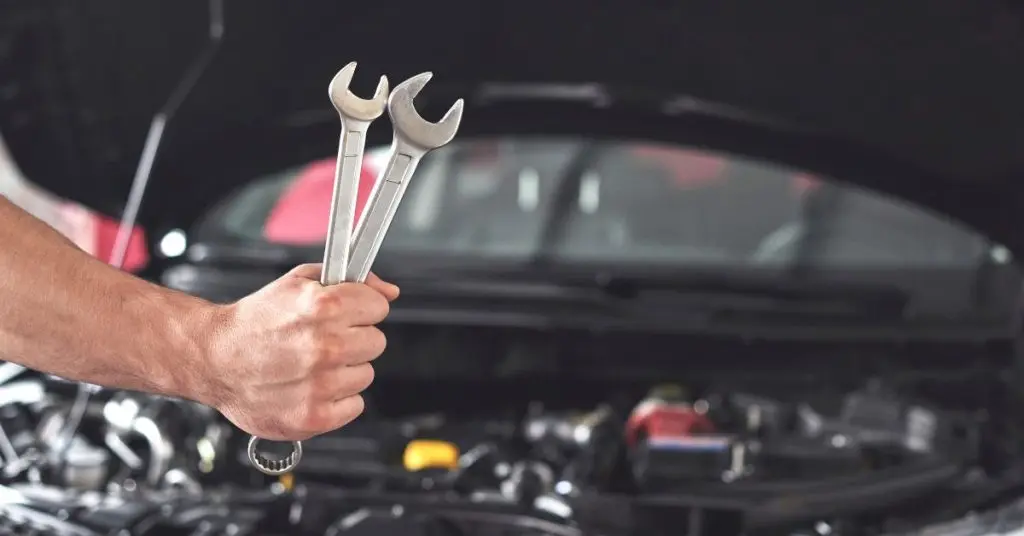
Pliers and wrenches help you hold, twist, and turn parts that sockets and screwdrivers can’t handle. Needle-nose pliers are perfect for gripping small objects or pulling fuses.
Adjustable wrenches offer versatility when you don’t know the exact size of a bolt. However, having a set of combination wrenches ensures a snug fit, reducing the risk of rounding off bolts.
Which of these tools do you find yourself reaching for most often? Building your toolkit around the tasks you face will make every maintenance job more manageable.
Jacking And Lifting Equipment
Jacking and lifting equipment is essential for any basic car maintenance task that requires you to raise your vehicle safely off the ground. Whether you’re changing a tire or inspecting the undercarriage, having the right tools ensures you work securely and efficiently. Knowing which equipment to use and how to use it can save you from accidents and make your job much easier.
Car Jack
A car jack is the primary tool you need to lift your vehicle. Most cars come with a basic scissor jack, but investing in a hydraulic floor jack can make the process faster and less physically demanding. Hydraulic jacks provide smoother lifting and better stability, which is crucial for working under the car.
When choosing a car jack, check its weight capacity to make sure it can handle your vehicle safely. Have you ever struggled with a jack that was too weak or unstable? That’s a clear sign it’s time to upgrade to a more reliable model.
Jack Stands
Once your car is lifted, jack stands take over to hold it securely in place. Never rely on the jack alone to support your vehicle while you work underneath. Jack stands are designed to bear the car’s weight safely and prevent any accidental drops.
Make sure your jack stands are rated for your car’s weight and that you place them on a flat, stable surface. Using jack stands might seem like an extra step, but it’s the difference between a quick job and a dangerous situation.
Wheel Chocks
Wheel chocks prevent your car from rolling while it’s lifted. These simple blocks are placed behind or in front of the wheels that remain on the ground. They add an extra layer of security, especially if you’re working on an incline.
Using wheel chocks is a small step that can prevent a major accident. Have you ever thought about how easily a car could slip off a jack without them? Don’t risk it—always keep wheel chocks handy for peace of mind.
Fluid Maintenance Tools
Fluid maintenance is key to keeping your car running smoothly. Proper tools make this task easier and safer. These tools help you handle oil, coolant, brake fluid, and other liquids without spills or mess.
Using the right equipment protects your engine and extends your vehicle’s life. These tools are simple but essential for basic car care at home.
Oil Filter Wrench
An oil filter wrench helps remove the oil filter quickly. It fits around the filter and gives a strong grip. This tool prevents damage to the filter or your hands. It works well even when the filter is tight or slippery with oil.
Funnel And Drain Pan
A funnel guides fluids into small openings without spills. It makes pouring oil or coolant neat and easy. A drain pan collects old fluids safely during changes. It stops messes and helps recycle used oil or coolant properly.
Fluid Transfer Pump
A fluid transfer pump moves liquids from one container to another. It works well for brake fluid, transmission fluid, or power steering fluid. This tool avoids spills and lets you add fluids precisely. It saves time and keeps your workspace clean.
Electrical System Tools
Maintaining your car’s electrical system doesn’t require a full toolbox of expensive gadgets. Instead, a few essential tools can help you diagnose and fix most common issues yourself. These tools save you time and money by letting you tackle problems like dead batteries or faulty wiring before they become serious.
Multimeter
A multimeter is the most versatile tool for checking your car’s electrical system. It measures voltage, current, and resistance, helping you identify problems like blown fuses or bad connections. I once used a multimeter to find a loose wire causing my headlights to flicker—it was a quick fix that saved me a trip to the mechanic.
Look for a digital multimeter with easy-to-read displays and basic auto-ranging features. It’s an investment that pays off every time you want to understand what’s happening under your car’s hood.
Battery Charger
Your car’s battery is the heart of the electrical system, and a battery charger keeps it strong and ready. If your battery dies, a charger can bring it back to life without needing a jump start from another car. I always keep a compact battery charger in my garage; it’s saved me multiple times during cold mornings when the battery struggled to start the engine.
Choose a charger with automatic shutoff and multiple charging modes to protect your battery from overcharging. This tool is simple but critical for keeping your car’s electrical health in check.
Test Light
A test light is a straightforward tool to check for the presence of voltage in wires and connectors. It’s perfect when you need to quickly find out if a circuit is live or if a fuse is blown. I found it incredibly helpful when troubleshooting a faulty brake light—just one quick test and I pinpointed the problem.
Test lights are inexpensive, easy to use, and a great addition to your basic car maintenance kit. If you want to know where electricity flows without guessing, this tool will be your best friend.
Tire Maintenance Tools
Tire maintenance is vital for safe driving and better fuel efficiency. Having the right tools helps keep tires in good shape. These tools check tire pressure, add air, and remove or tighten lug nuts. Proper tire care prevents accidents and saves money on repairs.
Tire Pressure Gauge
A tire pressure gauge measures the air pressure inside tires. Correct pressure improves tire life and vehicle control. Carry a small, easy-to-use gauge for quick checks. Digital and analog gauges are common. Check pressure when tires are cold for accurate readings.
Tire Inflator
A tire inflator pumps air into tires to maintain proper pressure. Portable inflators plug into your car’s power outlet. Some models have built-in pressure gauges. They make inflating tires quick and simple. Keep an inflator in your car for emergencies.
Lug Wrench
A lug wrench loosens and tightens lug nuts on wheels. It is essential for changing a flat tire. Most cars come with a basic lug wrench. Choose one with a comfortable grip and strong build. Practice using it to speed up tire changes.
Cleaning And Detailing Supplies
Keeping your car clean and shiny is more than just about looks. Proper cleaning and detailing help protect your vehicle’s paint and interior, extending its life and value. Having the right supplies makes this task easier and more effective, saving you time and effort.
Microfiber Towels
Microfiber towels are a must-have for any car owner. They are gentle on your car’s surface, preventing scratches and swirl marks that regular cloths might cause. Plus, they absorb water quickly, making drying your car fast and streak-free.
Keep several towels on hand—different sizes for washing, drying, and polishing. You’ll notice how much easier cleaning becomes when you use the right towel for each job.
Car Wash Soap
Not all soaps are created equal. Household detergents can strip away protective wax and damage your paint. Choose a car wash soap specifically designed to clean without harming your finish.
These soaps create rich foam that lifts dirt and grime effectively. Have you ever tried washing your car with plain dish soap? The difference in shine and protection is clear once you switch to a proper car wash soap.
Wax And Polish Kit
Waxing and polishing protect your car’s paint from UV rays, dirt, and minor scratches. A good wax and polish kit includes everything you need to restore shine and add a protective layer.
Applying wax regularly keeps your car looking fresh and can even make future cleaning easier. Don’t overlook this step—your car’s finish will thank you for the extra care.
Credit: cashncarryparts.com
Storage And Organization
Keeping your car maintenance tools neatly stored and organized makes your work easier and faster. Disorganized tools waste time and increase frustration when you need to find something quickly. How do you ensure your tools are ready to grab without the mess?
Toolbox Or Tool Bag
A sturdy toolbox or tool bag is essential for basic car maintenance. A toolbox offers solid protection and compartments to keep your wrenches, screwdrivers, and pliers sorted. If you prefer portability, a tool bag with multiple pockets can keep your essentials handy and easy to carry to different spots.
Choose one with adjustable dividers so you can customize the space for your specific tools. Personal tip: I once grabbed the wrong screwdriver because my tools were loose in a drawer—having a toolbox saved me from that hassle every time after.
Storage Bins
Storage bins are great for grouping smaller items like nuts, bolts, and washers. Clear plastic bins help you see contents at a glance without opening them. Stackable bins save space and keep your garage or workspace tidy.
Label the bins clearly to speed up your workflow. Imagine how much time you could save by knowing exactly where to find that rare-size socket!
Wall-mounted Organizers
Wall-mounted organizers maximize vertical space and keep tools within easy reach. Pegboards with hooks let you hang wrenches, hammers, and other frequently used tools right where you work. Magnetic strips can hold metal tools securely, reducing clutter on benches or shelves.
Installing these organizers forces you to keep tools in their designated spots, so you never wonder where that ratchet went. Could your garage walls be working harder for you?
Credit: www.vevor.com
Frequently Asked Questions
What Basic Tools Are Essential For Car Maintenance?
Essential tools include a socket set, screwdrivers, pliers, a tire pressure gauge, and a jack. These help with common tasks like oil changes, tire rotations, and minor repairs.
How Do I Choose The Right Wrench For Car Repairs?
Choose a wrench size that fits your car’s bolts. Adjustable wrenches are versatile, while socket wrenches speed up work. Quality and grip matter for safety and efficiency.
Why Is A Tire Pressure Gauge Important For Maintenance?
A tire pressure gauge ensures your tires are properly inflated. Correct pressure improves fuel efficiency, extends tire life, and enhances safety by maintaining good traction.
Can I Perform Oil Changes With Basic Tools?
Yes, with a wrench, oil filter wrench, drain pan, and funnel. These tools help you safely drain old oil and add fresh oil to your engine.
Conclusion
Basic car maintenance needs just a few simple tools. These tools help keep your car running smoothly. Owning them saves time and money on repairs. Regular checks with these tools prevent bigger problems later. Start small, and learn how each tool works.
This way, car care feels easier and less scary. A little effort now keeps your car safe and reliable. Keep your tools handy and use them often. You will see the difference in your car’s health. Simple tools, simple steps, better car care.