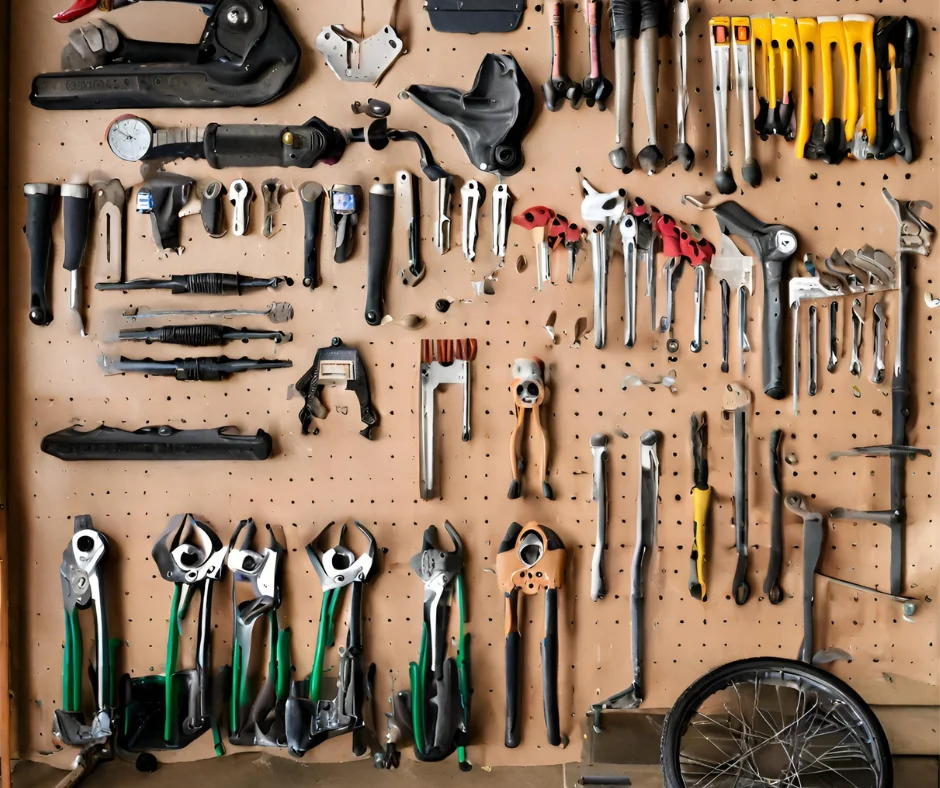
Keeping your motorcycle in top shape doesn’t have to be confusing or expensive. But to do it right, you need the right tools at your side.
Imagine being able to fix small problems yourself, save money on repairs, and ride with confidence knowing your bike is well cared for. This guide will show you exactly what tools you need for motorcycle maintenance—and why each one matters.
Ready to take control of your bike’s health? Let’s dive in and get you set up for success.

Credit: www.walmart.com
Basic Hand Tools
Having the right basic hand tools is essential for maintaining your motorcycle effectively. These tools help you handle common tasks quickly without the need for professional help. Knowing which tools to keep in your garage saves time and prevents frustration.
Wrenches And Sockets
Wrenches and sockets are the backbone of motorcycle maintenance. You’ll want a good set of combination wrenches with both open and box ends to tackle bolts and nuts of various sizes.
A socket set with a ratchet handle makes loosening and tightening fasteners easier, especially in tight spots. I once struggled to remove a stubborn bolt until I switched to a ratchet socket—it cut the job time in half.
Choose metric sizes since most motorcycles use them. Also, consider a torque wrench to ensure bolts are tightened to manufacturer specs, preventing damage or safety issues.
Screwdrivers
Screwdrivers come in many shapes, but the essentials are flathead and Phillips-head types. These cover most screws on your bike, from body panels to electrical components.
Invest in screwdrivers with comfortable, non-slip grips. It’s surprising how much easier it is to work without your hand slipping and stripping screws.
Magnetic tips are a bonus—they help you hold screws in place when working in hard-to-reach areas. Do you have a favorite screwdriver brand that feels just right in your hand?
Pliers And Cutters
Pliers are versatile tools that every motorcycle owner should own. Needle-nose pliers help you reach confined spaces, while slip-joint pliers are great for gripping and twisting.
Wire cutters are crucial for dealing with electrical wiring or zip ties. I learned this the hard way when I tried to use scissors and ended up with a frayed wire.
Keep a pair of locking pliers handy; they can hold parts securely while you work. These tools might seem simple, but they can save you from many common maintenance headaches.
Specialized Motorcycle Tools
Specialized motorcycle tools are essential for proper bike care. They ensure tasks are done safely and accurately. Using the right tool prevents damage and saves time. These tools cater specifically to motorcycle parts and mechanics.
Torque Wrench
A torque wrench applies exact force to bolts and nuts. This stops overtightening or loosening during rides. It keeps the bike parts secure and functioning well. Each bolt has a recommended torque level to follow.
Chain Breaker And Riveting Tool
This tool cuts and joins the motorcycle chain. It helps replace worn chains or adjust chain length. Riveting ensures strong, smooth chain links. Proper chain maintenance improves bike performance and safety.
Spoke Wrench
A spoke wrench tightens or loosens wheel spokes. It keeps the wheel straight and balanced. Loose spokes cause wheel wobble and unstable rides. Regular spoke adjustment extends wheel life and ride quality.
Maintenance Consumables
Maintenance consumables keep your motorcycle running smoothly. These items wear out or get used up during regular upkeep. Stocking the right consumables helps avoid delays and costly repairs. They include oils, lubricants, cleaning products, and replacement parts. Each plays a vital role in motorcycle care.
Lubricants And Oils
Lubricants reduce friction and protect engine parts. Common types include engine oil, chain lube, and brake fluid. Use the correct grade and type for your motorcycle. Change engine oil regularly to maintain engine health. Chain lube prevents rust and extends chain life. Brake fluid ensures proper brake function and safety.
Cleaning Supplies
Cleaning supplies keep your motorcycle looking great and working well. Use gentle soaps made for motorcycles or bikes. Microfiber cloths prevent scratches on painted surfaces. Brushes help remove dirt from hard-to-reach places. Regular cleaning prevents rust and removes grime that affects parts.
Replacement Parts
Replacement parts wear out over time and need swapping. Common parts include brake pads, air filters, spark plugs, and bulbs. Keep spare parts handy for quick fixes. Using original or high-quality parts ensures safety and performance. Regular checks help spot worn parts early.

Credit: www.wild-ass.com
Diagnostic Equipment
Diagnostic equipment is essential for keeping your motorcycle in top shape. These tools help you spot issues early, saving you time and money on costly repairs. Having the right diagnostic gear gives you confidence to tackle problems on your own and understand what’s really going on under the hood.
Obd-ii Scanner
An OBD-II scanner is a must-have for modern motorcycles equipped with electronic control units (ECUs). It plugs into your bike’s diagnostic port and reads error codes that indicate specific problems. This tool can save you hours of guesswork by pinpointing issues like sensor failures or engine misfires quickly.
Using an OBD-II scanner, you can clear error codes after repairs and verify if the problem is truly fixed. Some models even provide live data, showing real-time engine performance. Have you ever wondered why your check engine light stays on? This scanner holds the answer.
Multimeter
A multimeter is a versatile tool every rider should own. It measures voltage, current, and resistance, helping you diagnose electrical problems with ease. Whether you’re testing your battery, checking wires, or verifying fuse health, a multimeter gives you clear answers.
I once traced a tricky electrical fault on my bike using just a multimeter. It turned out to be a corroded connection causing intermittent power loss. Without it, I might have replaced parts unnecessarily.
Compression Tester
Checking your engine’s compression is key to assessing its health and performance. A compression tester measures the pressure in each cylinder, revealing issues like worn piston rings or leaking valves. Low compression usually means your engine needs attention before more serious damage occurs.
This tool is easy to use and provides valuable insight into engine condition without disassembly. If you notice sluggish acceleration or rough idling, testing compression can help you decide your next steps. Wouldn’t you want to know the true state of your engine before investing in repairs?
Safety Gear
Safety gear is essential for every rider who wants to maintain their motorcycle confidently and without injury. Having the right protective equipment not only shields you from accidents but also makes your maintenance tasks easier and more comfortable. Neglecting safety can lead to costly setbacks—are you ready to gear up properly before you start?
Gloves
Gloves protect your hands from sharp edges, hot parts, and harmful chemicals like oil and brake fluid. Look for gloves that offer a snug fit and good grip so you can handle tools and parts securely. I once skipped gloves and ended up with a nasty cut that kept me off my bike for days—don’t make the same mistake.
Eye Protection
Eye protection is crucial to prevent debris, dust, and fluids from injuring your eyes during maintenance. Safety glasses or goggles with impact-resistant lenses are your best bet. Consider how a simple splash of brake cleaner nearly blinded me—eye protection saved the day.
Work Light
A reliable work light helps you see small parts and details clearly, especially in low-light conditions or tight spaces. Choose a portable LED light with adjustable brightness and a magnetic base for hands-free use. I found that good lighting reduces mistakes and speeds up repairs, saving you time and frustration.
Storage And Organization
Keeping your motorcycle maintenance tools organized can save you a lot of time and frustration. When every wrench and screw has its place, you work faster and more efficiently. Proper storage also protects your tools, extending their life and keeping your workspace neat.
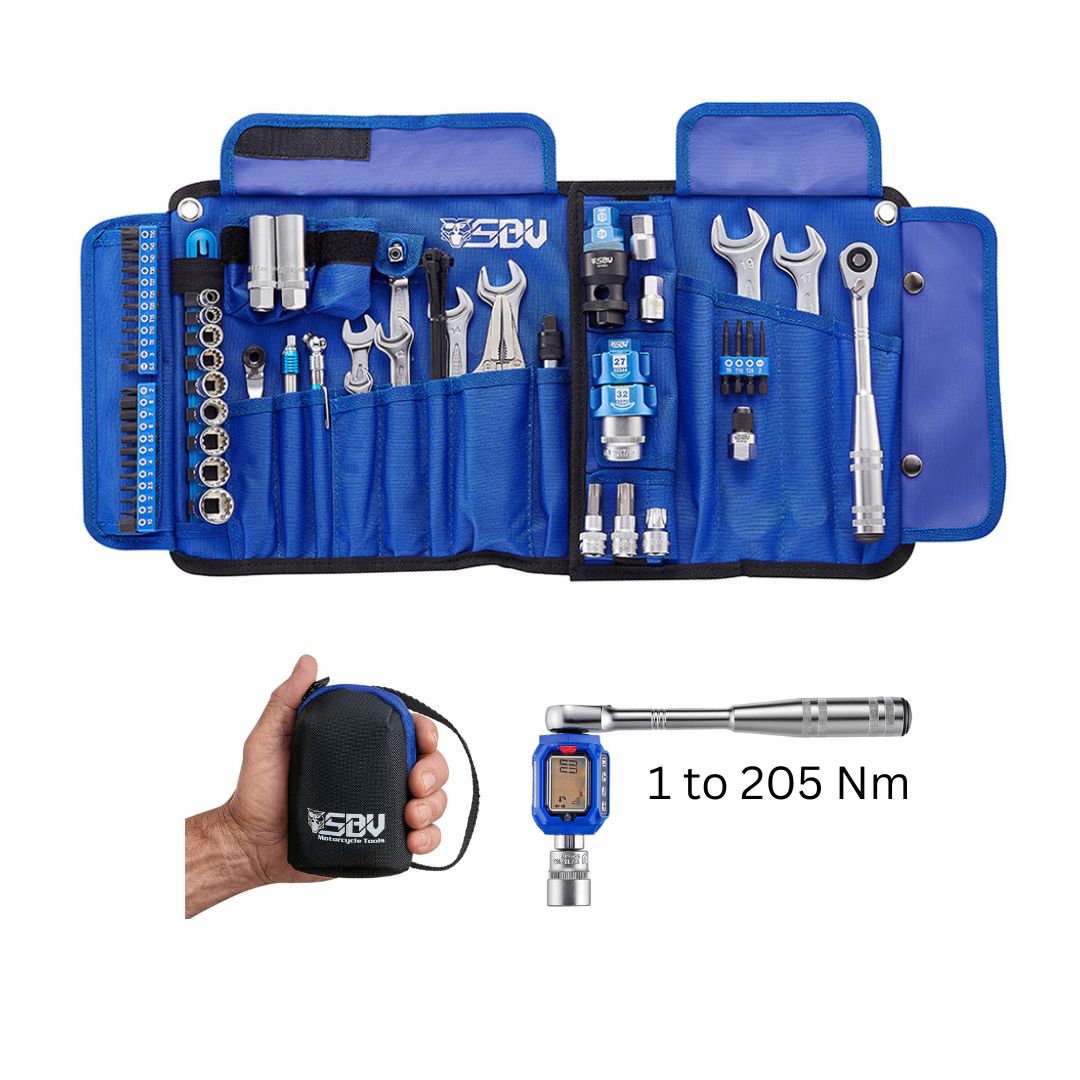
Toolbox
A sturdy toolbox is a must-have for any motorcycle enthusiast. Choose one with multiple compartments to separate wrenches, screwdrivers, and sockets. I learned the hard way that a cluttered toolbox means wasting minutes searching for the right tool—minutes you could spend actually fixing your bike.
Look for a portable option if you like to take your tools on the go. Heavy-duty plastic or metal boxes with secure latches keep everything safe and easy to carry. Do you have a favorite toolbox design that helps you stay organized?
Magnetic Trays
Magnetic trays are small but powerful helpers during maintenance tasks. They hold nuts, bolts, and small parts securely, so you don’t lose anything on the floor or under your bike. I once dropped a tiny bolt that took me half an hour to find—magnetic trays would have saved me that hassle.
Keep a few magnetic trays handy to separate parts as you work. This way, you can focus on each step without mixing up pieces. They’re inexpensive but make a noticeable difference in your workflow.
Work Mat
A good work mat creates a clean, comfortable area to lay out your tools and parts. It protects your floor and keeps small items from rolling away. I recommend a mat with a non-slip surface and built-in compartments—it helps you keep everything visible and within reach.
Some mats even fold up for easy storage, so you can keep your workspace tidy when you’re done. What kind of workspace setup helps you stay focused and organized during maintenance?
Credit: sbvtools.com
Frequently Asked Questions
What Basic Tools Do I Need For Motorcycle Maintenance?
Essential tools include a socket wrench set, screwdrivers, tire pressure gauge, and pliers. These tools help with common tasks like tightening bolts and adjusting cables efficiently.
How Do I Choose The Right Motorcycle Tool Kit?
Select a kit with quality materials, a variety of sizes, and ergonomic handles. Ensure it covers basic repairs and fits your specific motorcycle model for ease of use.
Why Is A Torque Wrench Important For Motorcycle Care?
A torque wrench ensures bolts are tightened to manufacturer specs. This prevents over-tightening or loosening, which can cause damage or safety issues during rides.
Can I Perform Motorcycle Maintenance Without Special Tools?
Basic maintenance like oil changes and chain lubrication can be done with common tools. However, specialized tools improve precision and safety for complex repairs.
Conclusion
Maintaining your motorcycle requires the right tools. Basics include wrenches, screwdrivers, and a tire gauge. Don’t forget oil and air filters for regular checks. A torque wrench ensures proper tightness. A bike stand helps with stability. Investing in these tools saves you time and money.
Regular maintenance keeps your ride smooth and safe. Remember, a well-maintained bike lasts longer. Safety gear is also essential during maintenance. Gloves and goggles protect you. Start small, learn as you go. Your motorcycle will thank you. Keep it simple, and enjoy the ride!