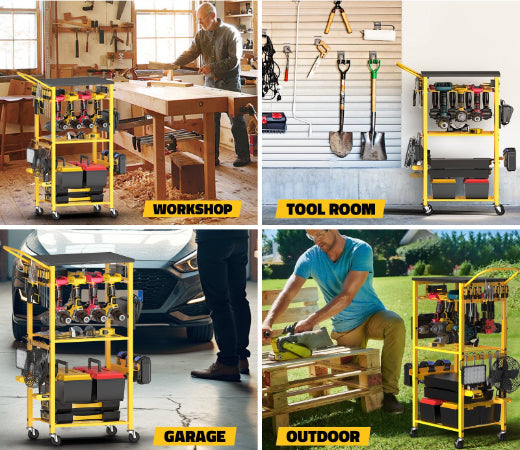
Have you ever wondered what keeps your tools in perfect shape, ready to deliver top performance every time? Tool room maintenance is the secret behind ensuring your equipment stays reliable, safe, and efficient.
Without proper care, even the best tools can wear out quickly, causing delays and costing you money. You’ll discover exactly what tool room maintenance involves, why it’s essential for your work, and how it can save you time and frustration.
Keep reading to unlock simple yet powerful ways to protect your tools and boost your productivity.

Credit: www.craftsman.com
Tool Room Maintenance Basics
Tool room maintenance basics focus on keeping tools and equipment in good shape. Proper care helps avoid breakdowns and saves money. It ensures tools work efficiently and last longer. Understanding the fundamentals helps workers perform tasks safely and quickly.
Key Components Of A Tool Room
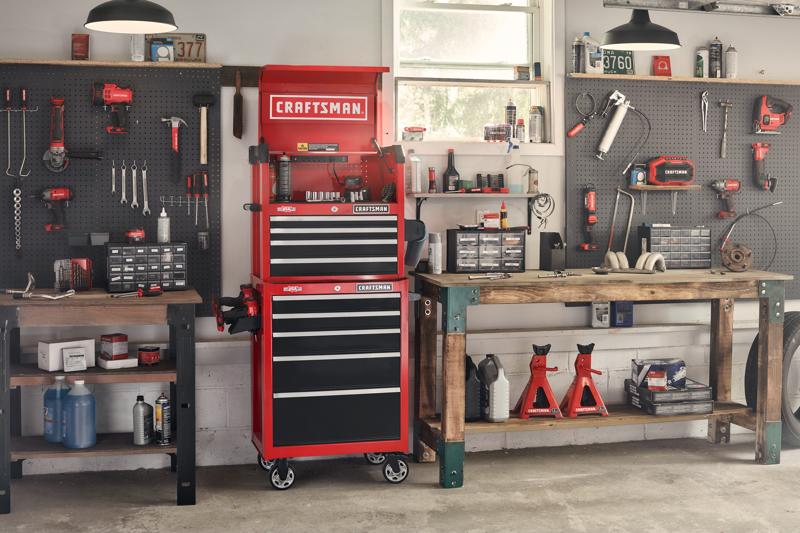
- Storage Systems:Shelves, cabinets, and racks to organize tools neatly.
- Cleaning Equipment:Brushes, solvents, and cloths to remove dirt and grease.
- Inspection Tools:Gauges and measuring devices to check tool accuracy.
- Repair Stations:Workbenches and basic machines for fixing minor tool damages.
- Inventory Management:Systems to track tool usage and availability.
Common Maintenance Challenges
- Tools getting rusty due to moisture exposure.
- Improper storage causing damage or loss.
- Wear and tear from frequent use without timely repairs.
- Difficulty in tracking tool condition and location.
- Insufficient cleaning leading to reduced tool performance.
Credit: www.craftsman.com
Benefits Of Regular Maintenance
Regular maintenance in a tool room keeps equipment in top shape. It prevents breakdowns and saves costs. The benefits go beyond just fixing tools. They help the entire operation run smoothly and safely.
Extending Tool Lifespan
Regular checks catch small issues early. Fixing these stops bigger damage later. Tools stay sharper and work better longer. This reduces the need to buy new tools often. A longer tool life means less waste and lower expenses.
Reducing Downtime
Maintenance stops unexpected tool failures. Machines run without sudden stops or delays. This keeps production steady and reliable. Less downtime means more work gets done on time. It also lowers stress for workers and managers.
Improving Safety
Faulty tools can cause accidents. Regular upkeep finds and fixes safety risks. Workers use tools that work properly and safely. This lowers the chance of injuries or damage. A safe workplace protects everyone and boosts morale.
Essential Maintenance Practices
Essential maintenance practices keep tool rooms safe and efficient. These practices prevent breakdowns and extend tool life. Proper care reduces repair costs and downtime. Regular attention ensures tools perform at their best. Focus on cleaning, lubrication, and calibration for optimal results.
Cleaning And Inspection Routines
Cleaning removes dirt, dust, and debris from tools and machines. It stops damage caused by buildup or rust. Regular inspections catch wear and tear early. Look for cracks, chips, or loose parts. Use checklists to ensure nothing is missed. Keep records of cleaning and inspection dates.
Proper Lubrication Techniques
Lubrication reduces friction and wear between moving parts. Use the right lubricant for each tool or machine. Apply the correct amount to avoid excess or shortage. Follow the manufacturer’s guidelines for frequency and type. Clean old grease before adding new lubricant. Proper lubrication keeps tools running smoothly and quietly.
Calibration And Adjustment
Calibration ensures tools measure accurately and work correctly. Adjustments fix alignment or fit issues. Use standard tools and gauges for calibration. Perform checks at set intervals or after repairs. Document calibration results for quality control. Accurate tools improve product quality and reduce waste.
Organizing The Tool Room
Organizing the tool room sets the foundation for smooth maintenance operations. A well-organized space saves you time, reduces tool loss, and boosts overall efficiency. It’s not just about neatness; it’s about creating a system that works for you every day.
Effective Storage Solutions
Choosing the right storage options can transform your tool room. Use pegboards to hang frequently used tools for easy access. Drawers with adjustable dividers help keep smaller items separated and visible.
Think about vertical storage to maximize space, especially in smaller rooms. Shelves with clear bins let you see what’s inside without opening them. Magnetic strips can hold metal tools securely and save drawer space.
Inventory Management Tips
Keeping track of tools is essential to avoid unnecessary purchases. Maintain a digital or physical inventory list that updates as tools are checked out or returned.
Set regular audits to catch missing or damaged tools early. You might find that some tools aren’t used often—consider storing those separately or even removing them.
Labeling And Tracking Tools
Labels aren’t just for neatness—they prevent confusion and speed up tool retrieval. Use clear, durable labels on shelves, bins, and tool handles.
Try color-coding by tool type or frequency of use to make finding what you need quicker. For high-value tools, consider barcode or RFID tracking to monitor their location automatically.
What could you achieve if every tool was exactly where you expected it to be every time?
Training And Skill Development
Training and skill development are essential for effective tool room maintenance. Without proper knowledge and hands-on skills, even the best tools can fail prematurely or cause production delays. Your team’s ability to diagnose issues and perform routine upkeep directly impacts the overall efficiency and safety of your operations.
Staff Training Programs
Creating comprehensive staff training programs ensures your team understands the specific needs of each tool. Training should cover tool handling, regular maintenance procedures, and troubleshooting common problems.
Interactive sessions, such as workshops or on-the-job training, allow your staff to learn by doing. Including real-life scenarios helps them prepare for unexpected issues. Have you ever noticed how quickly a well-trained team can spot and fix a problem before it escalates?
Developing Maintenance Checklists
Maintenance checklists act as a practical guide for your staff to follow consistent procedures. These lists break down complex tasks into simple steps, making it easier to maintain tools regularly.
Checklists should include daily, weekly, and monthly tasks, specifying what to inspect, clean, or replace. By using these, you reduce the chance of missing critical maintenance points and extend the life of your tools.
Think about how a checklist might change your current process—could it help your team stay organized and accountable?
Credit: www.advancetechnologies.co
Using Technology For Maintenance
Technology plays a key role in modern tool room maintenance. It helps track tools, schedule repairs, and reduce downtime. Using the right tech makes maintenance easier and more efficient. It also helps predict problems before they happen, saving time and money.
Maintenance Management Software
Maintenance management software organizes all maintenance tasks in one place. It tracks tool usage, repair history, and service schedules. This software sends alerts for upcoming maintenance. It helps prevent tool failure by ensuring timely upkeep. Reports generated help managers make smart decisions. It improves communication between workers and supervisors.
Predictive Maintenance Tools
Predictive maintenance tools use sensors to monitor tool conditions. They collect data like temperature, vibration, and wear levels. This data helps detect early signs of damage. Alerts notify staff to fix issues before breakdowns occur. Predictive tools reduce unexpected failures and extend tool life. They make maintenance more proactive than reactive.
Troubleshooting Common Issues
Troubleshooting common issues in tool room maintenance helps keep tools working well. It prevents downtime and saves money. Quick identification and action avoid bigger problems. Understanding typical faults makes fixing easier and faster.
Identifying Wear And Tear
Wear and tear happens naturally with use. Look for signs like:
- Rust or corrosion on metal parts
- Loose or broken handles
- Dull edges on cutting tools
- Unusual noises during operation
Regular checks catch these early. Clean and lubricate tools to reduce wear.
Handling Tool Failures
Tool failures can stop work quickly. Common causes include:
- Overuse beyond tool capacity
- Improper storage or handling
- Faulty parts or poor assembly
- Lack of maintenance or cleaning
Address failures by inspecting tools carefully. Tighten loose parts or replace broken pieces. Test tools after repair to ensure safety.
When To Repair Or Replace
Deciding between repair and replacement depends on:
| Condition | Action |
|---|---|
| Minor damage or wear | Repair and maintain |
| Repeated failures in short time | Consider replacement |
| High repair cost compared to new tool | Replace tool |
| Safety risks from damage | Replace immediately |
Proper judgment saves costs and ensures safety. Keep records of repairs for future reference.
Frequently Asked Questions
What Is The Purpose Of Tool Room Maintenance?
Tool room maintenance ensures tools are in good condition. It prevents breakdowns, improves safety, and increases tool lifespan. Regular upkeep keeps production efficient and reduces downtime.
How Often Should Tool Room Maintenance Be Done?
Tool room maintenance frequency depends on tool usage and environment. Generally, inspections happen weekly or monthly. Critical tools may require daily checks to maintain optimal performance and safety.
What Are Common Tasks In Tool Room Maintenance?
Common tasks include cleaning, lubrication, calibration, and repair. Inspecting for wear and replacing damaged parts is essential. Proper storage and inventory management are also key maintenance activities.
Why Is Tool Room Maintenance Important In Manufacturing?
Tool room maintenance prevents costly production delays and tool failures. It ensures product quality and worker safety. Well-maintained tools boost operational efficiency and reduce overall maintenance costs.
Conclusion
Tool room maintenance ensures tools work efficiently. It prevents costly downtime. Regular checks extend tool lifespan. This boosts productivity and saves money. Skilled workers are essential for effective maintenance. They ensure tools meet safety standards. A well-maintained tool room supports smooth operations.
It also enhances product quality. Businesses benefit from planned maintenance schedules. They help avoid unexpected repairs. Effective tool management is key. It keeps operations running smoothly. Investing in maintenance pays off in the long run. It helps maintain a competitive edge.
Always prioritize tool room upkeep. It is crucial for success.