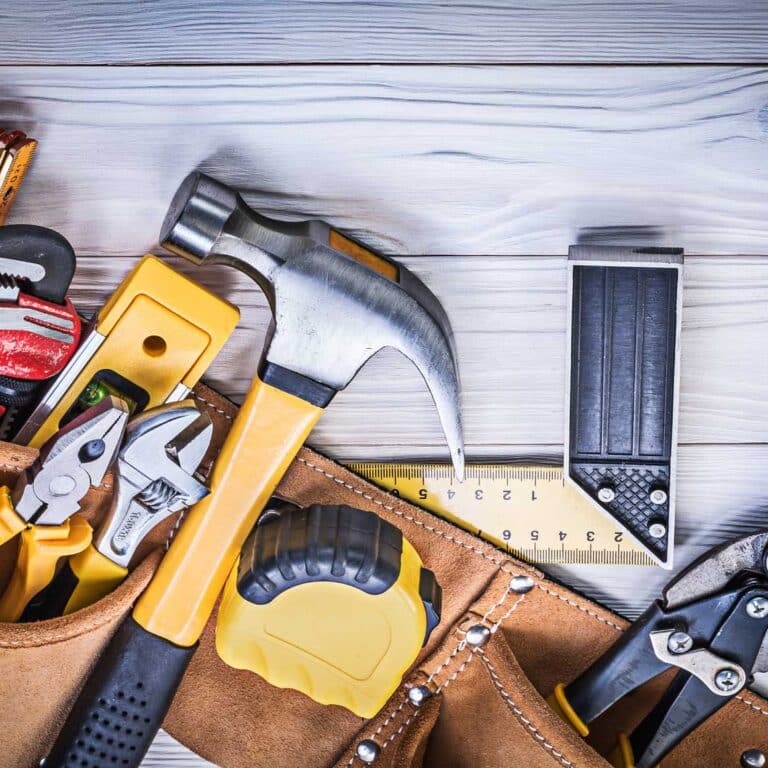
Have you ever wondered why some tools last for years while others wear out quickly? The secret lies in tool maintenance.
Taking care of your tools isn’t just about keeping them clean—it’s about saving you time, money, and frustration. You’ll discover simple yet powerful ways to extend the life of your tools and keep them working at their best. Ready to unlock the full potential of your tools?
Let’s dive in.
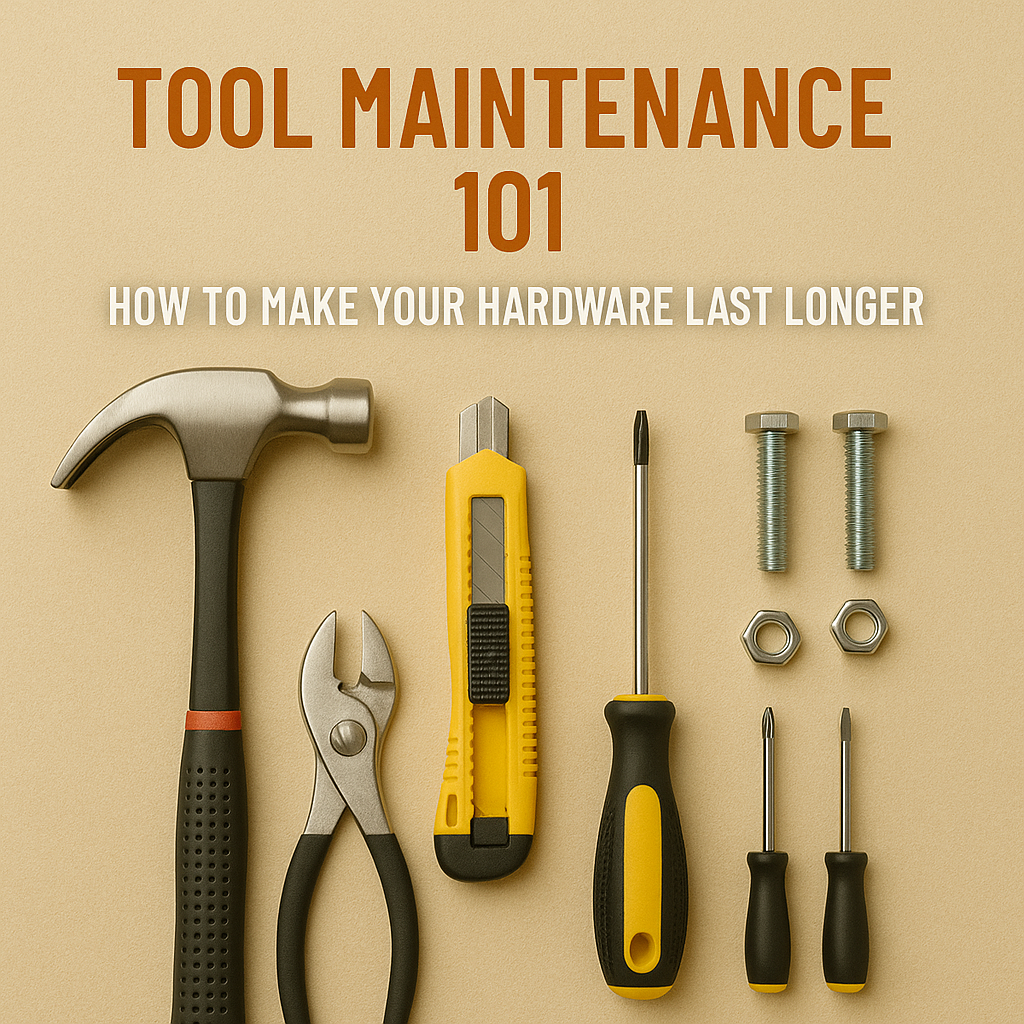
Credit: training.cetechbpa.com
Importance Of Tool Maintenance
Tool maintenance plays a key role in keeping tools functional and reliable. Regular care prevents damage and costly repairs. It also helps tools perform at their best for a longer time.
Extending Tool Lifespan
Proper maintenance stops tools from wearing out quickly. Cleaning and lubricating parts reduce friction and rust. Sharp blades and well-oiled joints last much longer. Storing tools correctly protects them from damage and moisture.
Enhancing Safety
Maintained tools are safer to use. Broken or dull tools can cause accidents. Tightened screws and checked handles prevent unexpected failures. Safe tools protect both the user and the work area.
Improving Performance
Well-maintained tools work smoothly and efficiently. They deliver accurate cuts and strong grips. Clean tools reduce effort and save time. Performance stays consistent, making tasks easier and faster.
Common Tool Types And Care Needs
Understanding the care needs of different tool types is essential for keeping them in top shape. Each tool, whether simple or complex, requires specific maintenance routines to ensure they last long and perform well. Let’s look at the common categories of tools and what it takes to care for them properly.
Hand Tools
Hand tools like hammers, screwdrivers, and wrenches are the backbone of most toolkits. These tools usually need basic care such as cleaning off dirt and rust after use.
Keep the metal parts dry and occasionally apply a light coat of oil to prevent rust. Wooden handles should be checked for cracks or splinters, and sanded or replaced if necessary to avoid injury.
Have you noticed how a rusty wrench can slip and cause frustration? Regular cleaning and storage in a dry place can prevent that hassle.
Power Tools
Power tools like drills, saws, and sanders require more detailed attention. You need to clean the vents and moving parts to avoid dust buildup, which can cause overheating.
Check the cords and batteries often for wear or damage. Lubricating moving parts as recommended by the manufacturer keeps the tool running smoothly and extends its life.
Ever had a drill stop mid-job? It’s often because the motor was clogged or the battery was neglected. Don’t let this slow you down—regular checks save time and money.
Garden Tools
Garden tools such as pruners, shovels, and rakes face soil, moisture, and plant sap daily. After use, rinse off dirt and dry the tools thoroughly to prevent rust.
Sharpen blades regularly to keep cuts clean and reduce damage to plants. Wooden handles need the same care as hand tools—check for splinters and treat with linseed oil to maintain strength.
Have you ever struggled with a dull garden pruner? A sharp blade not only makes your work easier but also helps plants heal faster, improving your garden’s health.
Daily Maintenance Practices
Daily maintenance practices keep tools in good shape and extend their life. Small efforts every day prevent big repairs later. These simple habits also improve safety and tool performance. Follow these easy steps after each use to maintain your tools well.
Cleaning After Use
Remove dirt, dust, and debris from tools after every use. Use a soft brush or cloth to wipe surfaces clean. For greasy tools, a mild detergent and water work well. Dry tools completely to avoid rust and corrosion. Clean tools work better and last longer.
Proper Storage
Store tools in a dry, organized place to protect them. Use toolboxes, racks, or pegboards for easy access and order. Avoid leaving tools on the ground or in damp areas. Proper storage prevents damage and loss. Keep similar tools together for quick finding.
Routine Inspections
Check tools regularly for damage or wear. Look for cracks, loose parts, or rust spots. Test moving parts to ensure smooth operation. Replace or repair any damaged parts immediately. Routine checks help catch problems early and keep tools safe.
Periodic Maintenance Tasks
Periodic maintenance tasks keep tools working well and safe to use. These tasks help prevent damage and extend the tool’s life. Regular care also boosts tool performance and reduces repair costs.
Every tool needs certain checks and actions at set times. These tasks vary by tool type and use. Following a schedule avoids breakdowns and ensures smooth operation.
Sharpening Blades
Dull blades reduce cutting power and cause damage. Sharpen blades regularly using the right tools. Keep edges clean and smooth. Sharp blades improve efficiency and produce better results. Avoid forcing tools with blunt edges.
Lubricating Moving Parts
Moving parts need lubrication to reduce friction. Use proper oils or greases for each tool. Lubricate hinges, gears, and joints often. This prevents wear and overheating. Smooth movement lowers noise and effort during use.
Checking Electrical Components
Inspect cords, plugs, and switches for damage. Replace frayed wires or broken parts immediately. Test tools for proper function before use. Clean contacts and remove dust buildup. Safe electrical parts prevent shocks and fires.
Safety Tips During Maintenance
Tool maintenance keeps your equipment in good shape and extends its life. Safety is key during maintenance tasks. Follow simple safety tips to avoid injuries and accidents. Protect yourself and others while working on tools.
Using Protective Gear
Always wear protective gear before starting maintenance. Gloves protect hands from cuts and dirt. Safety glasses shield eyes from dust and debris. Use ear protection if noise levels are high. Proper gear reduces the risk of injury.
Disconnecting Power Sources
Unplug electric tools before maintenance. Turn off machines and remove batteries. This prevents accidental starts that can cause harm. Double-check power is off to stay safe. Never work on tools that still have power.
Handling Sharp Edges Carefully
Many tools have sharp parts that can cut skin. Handle blades and edges slowly and with care. Use tools designed to hold or cover sharp areas. Keep fingers away from cutting edges. Always store tools safely after maintenance.

Credit: tendsupplies.com
Common Mistakes To Avoid
Tool maintenance keeps your tools working well and lasting longer. Avoiding common mistakes saves time and money. Many people overlook key steps that lead to tool damage or failure. Knowing these mistakes helps you care for your tools properly.
Neglecting Regular Checks
Skipping regular inspections causes small problems to grow. Dirt, rust, or loose parts can worsen quickly. Checking tools often helps spot issues early. Fixing problems right away keeps tools safe and effective.
Using Improper Cleaning Methods
Cleaning tools the wrong way can cause damage. Harsh chemicals or rough brushes wear out surfaces. Water can cause rust on metal parts. Using gentle cleaners and the right tools protects your equipment.
Ignoring Manufacturer Guidelines
Not following instructions leads to poor tool performance. Each tool has specific care advice. Ignoring these can void warranties or break tools. Reading and following guidelines ensures proper use and maintenance.
Tools And Products For Maintenance
Proper tool maintenance requires specific tools and products. These items keep tools clean, functional, and safe to use. Choosing the right maintenance supplies helps extend tool life and improve performance.
Cleaning Supplies
Cleaning supplies remove dirt, dust, and debris from tools. Common items include brushes, rags, and cleaning solutions. A soft brush clears away particles without damaging surfaces. Microfiber cloths absorb grease and grime effectively. Mild soap or specialized cleaners remove stubborn residues. Regular cleaning prevents rust and wear.
Lubricants And Oils
Lubricants reduce friction between moving parts. Oils keep tools running smoothly and prevent rust. Use light machine oil for delicate mechanisms. Grease suits heavy-duty tools with high pressure. Proper lubrication lowers wear and tear. It also improves tool accuracy and ease of use.
Replacement Parts
Replacement parts restore tools to working condition. Common parts include blades, batteries, and screws. Using original parts ensures compatibility and safety. Timely replacement avoids further damage. Keep a stock of essential parts for quick repairs.
Signs Your Tools Need Professional Servicing
Recognizing the signs that your tools need professional servicing can save you time, money, and frustration. Tools often give subtle hints before they fail completely. Paying attention to these signs early helps maintain safety and performance.
Unusual Noises
Have you noticed your drill making odd grinding or squeaking sounds? Strange noises often indicate internal wear or parts that need lubrication. Ignoring these sounds can lead to bigger damage and costly repairs.
Next time your tool sounds different, pause and inspect it. Professional servicing can identify the root cause quickly and prevent breakdowns.
Decreased Efficiency
If your tools are working slower or taking more effort than usual, it’s a clear warning. A saw blade that doesn’t cut smoothly or a wrench that slips signals dull parts or mechanical issues. This drop in performance impacts your work quality and speed.
Think about the last time a tool slowed you down. Getting it checked professionally can restore its original efficiency and keep your projects on track.
Visible Damage
Cracks, rust, or worn handles are obvious signs your tools need attention. These damages not only reduce tool life but can also cause accidents. Even small chips or bent components should not be ignored.
Have you ever continued using a cracked hammer only to have it break at the worst moment? Professional servicing repairs or replaces damaged parts, ensuring your safety and tool reliability.

Credit: intrasafe.co.za
Frequently Asked Questions
What Is Tool Maintenance And Why Is It Important?
Tool maintenance involves cleaning, inspecting, and repairing tools regularly. It ensures tools work efficiently, last longer, and prevent safety hazards. Proper maintenance reduces downtime and repair costs, improving overall productivity in any workspace.
How Often Should Tools Be Maintained?
Tools should be maintained after every use or at least monthly. Frequent maintenance depends on tool usage intensity and environment. Regular checks help detect wear early, ensuring tools remain safe and functional for longer periods.
What Are Common Tool Maintenance Practices?
Common practices include cleaning, lubricating moving parts, sharpening blades, and checking for damage. Storing tools properly and replacing worn parts also extend tool life. These steps help maintain tool performance and prevent unexpected failures.
Can Tool Maintenance Improve Workplace Safety?
Yes, regular tool maintenance reduces risks of accidents caused by faulty or damaged tools. Well-maintained tools operate smoothly and reliably, protecting workers from injuries and improving overall safety standards.
Conclusion
Tool maintenance is crucial for efficiency and safety. Regular checks ensure tools last longer. Fewer breakdowns save money. Proper care prevents accidents. Clean tools work better and faster. Organizing tools saves time on projects. Basic upkeep improves performance. Understanding maintenance basics is key.
Simple habits make a big difference. Keep your tools in top shape always. Prioritize maintenance for smooth operations. A little effort goes a long way.