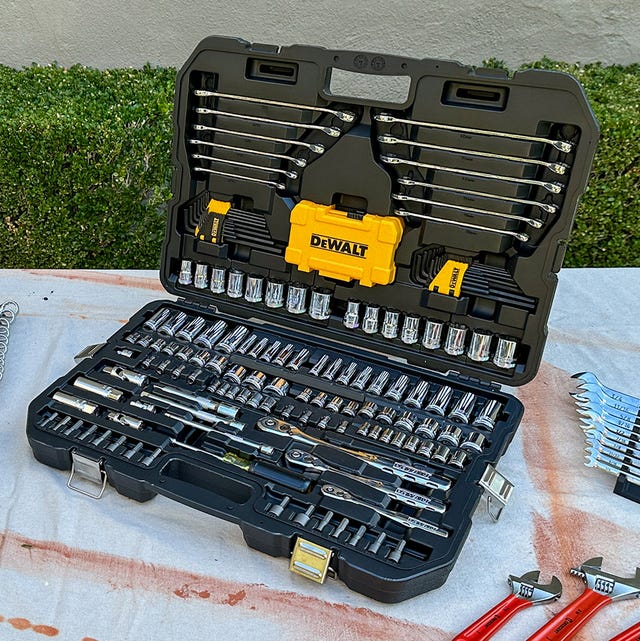
Are you tired of wasting time searching for the right tool when a quick fix is needed? Having the best building maintenance tool set up can save you hours and prevent costly mistakes.
Imagine reaching for exactly what you need, right when you need it—no stress, no delays. You’ll discover how to build a tool set that makes your maintenance work easier, faster, and more efficient. Ready to take control of your building maintenance tasks?
Let’s dive in and find the perfect tools for your setup.
Credit: www.popularmechanics.com
Essential Tools For Building Maintenance
Having the right tools at your fingertips can make building maintenance not only easier but also safer and more efficient. Whether you’re a seasoned professional or managing upkeep for your own property, knowing which tools to have ready will save you time and prevent headaches. Let’s look at the essential tools you need to keep your building in top shape.
Hand Tools Everyone Needs
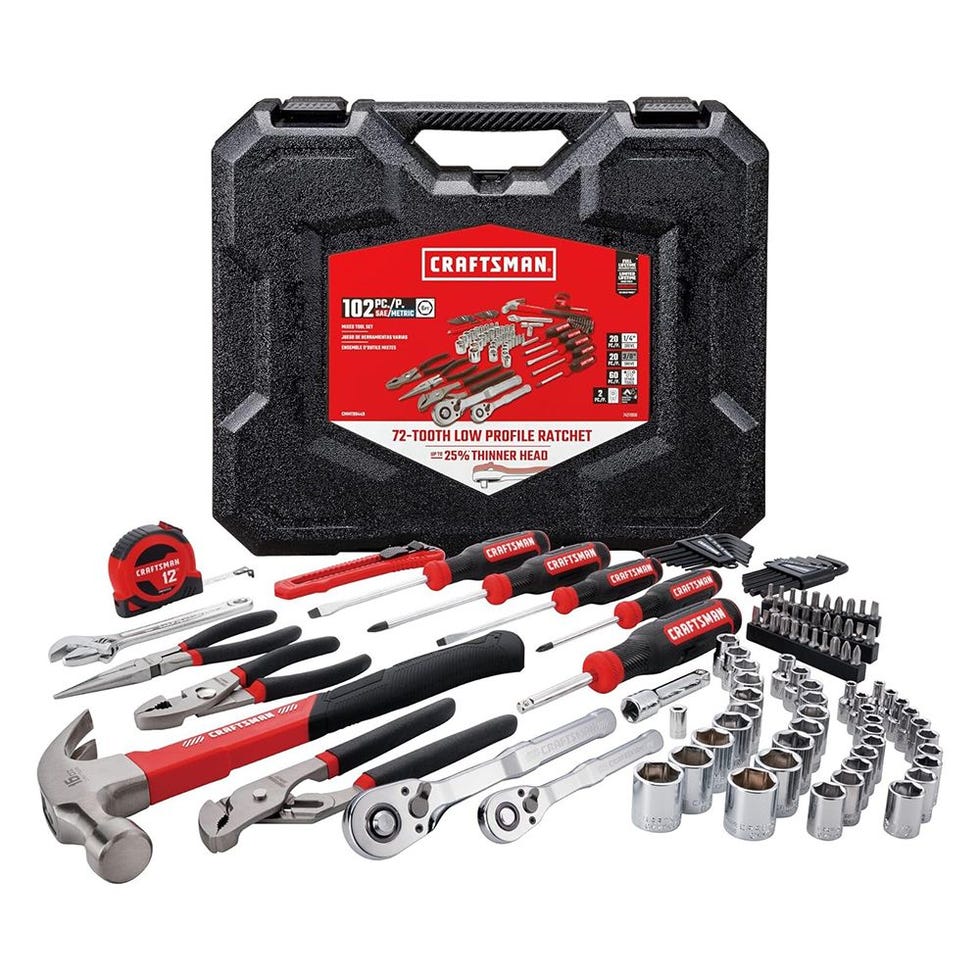
Hand tools form the backbone of any maintenance toolkit. Items like screwdrivers, pliers, and wrenches handle a wide range of everyday repairs.
- Screwdrivers:Both flathead and Phillips head types are must-haves for tightening or loosening screws.
- Adjustable Wrenches:Versatile for plumbing and mechanical fixes, these let you handle different nut and bolt sizes.
- Pliers:Use needle-nose pliers for tight spots and slip-joint pliers for gripping and twisting.
- Hammer:A solid claw hammer is essential for nailing and light demolition.
- Tape Measure:Accurate measurements prevent costly mistakes and ensure materials fit perfectly.
These tools are compact but powerful. I once fixed a leaking faucet quickly because I had the right wrench and pliers within reach. Can you afford to be without these basics when a problem arises?
Power Tools For Efficiency
Power tools speed up maintenance tasks and reduce physical strain. They help you tackle jobs that are difficult or time-consuming by hand.
- Drill/Driver:Perfect for drilling holes and driving screws, making installation and repairs much faster.
- Cordless Impact Driver:Ideal for heavy-duty fastening, especially in construction or renovation projects.
- Angle Grinder:Useful for cutting metal, grinding surfaces, or removing rust quickly.
- Oscillating Multi-Tool:Great for sanding, scraping, and cutting in tight spots.
- Wet/Dry Vacuum:Keeps your workspace clean, especially after drilling or grinding.
Having these power tools means you can complete tasks efficiently without sacrificing quality. Think about your last maintenance job—how much time could you have saved with these tools?
Safety Gear And Protective Equipment
Safety should never be an afterthought. Proper gear protects you from injuries and ensures you can work confidently.
- Safety Glasses:Shield your eyes from dust, debris, and flying particles.
- Work Gloves:Protect your hands from cuts, chemicals, and rough surfaces.
- Ear Protection:Earplugs or earmuffs reduce noise exposure during loud tasks.
- Dust Masks or Respirators:Essential when working with dust, mold, or chemicals.
- Hard Hat:Needed in construction zones or when working under overhead hazards.
Wearing safety gear isn’t just about compliance; it’s about keeping yourself in one piece. Have you ever ignored safety equipment and regretted it later?
Credit: www.popularmechanics.com
Organizing Your Tool Set
Organizing your tool set is key to efficient building maintenance. A well-arranged toolkit saves time and reduces stress. It helps you find the right tool quickly and keeps your workspace tidy. Neat organization also protects your tools from damage. The right setup fits your work style and space.
Choosing The Right Storage Solutions
Pick storage that matches your tool types and quantity. Use sturdy toolboxes for heavy tools. Drawer cabinets work well for small items. Pegboards keep frequently used tools visible and accessible. Clear bins help identify contents easily. Stackable containers save space and keep tools grouped.
Labeling And Inventory Management
Label each container or drawer clearly. Use simple words or pictures for easy identification. Keep a list of tools in your set. Update the inventory after adding or removing tools. This practice avoids missing items. It also helps when restocking or replacing tools.
Mobile Tool Kits For On-the-go Repairs
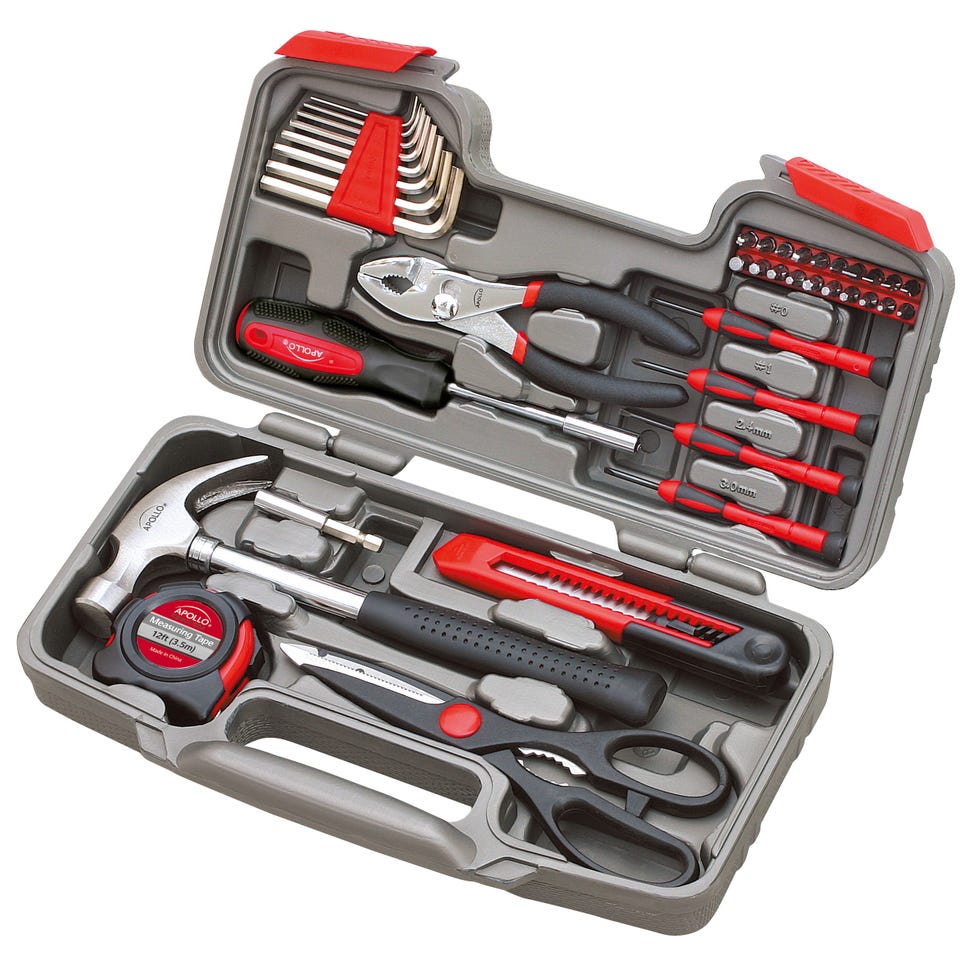
Choose compact, portable kits for quick fixes outside the main storage. Include essential tools like screwdrivers, pliers, and tape. Use a sturdy bag or case with compartments. This keeps tools organized and easy to carry. Mobile kits improve response time and reduce downtime.
Technology In Maintenance Tools
Technology in maintenance tools has changed how buildings are cared for. Modern tools improve accuracy and save time. They also help workers spot problems early and fix them quickly. Technology makes maintenance safer and more efficient.
Smart Tools And Iot Integration
Smart tools connect to the internet to share data in real time. These tools help track usage and condition automatically. IoT sensors can monitor equipment health and alert teams to issues. This reduces downtime and cuts repair costs.
Software For Maintenance Tracking
Maintenance software helps schedule tasks and keep records. It stores information about repairs, parts, and inspections. Managers can view progress and assign jobs from one place. This software improves planning and team communication.
Using Drones And Sensors
Drones inspect hard-to-reach areas safely and quickly. They capture images and videos to find damage or wear. Sensors detect temperature, humidity, and vibrations in real time. This data helps prevent failures and extends equipment life.
Maintenance Tool Set For Different Building Types
Different buildings need different maintenance tools. The size, purpose, and materials of each building affect the tools required. Choosing the right tool set saves time and improves repair quality. Understanding these differences helps create efficient maintenance plans.
Residential Building Tools
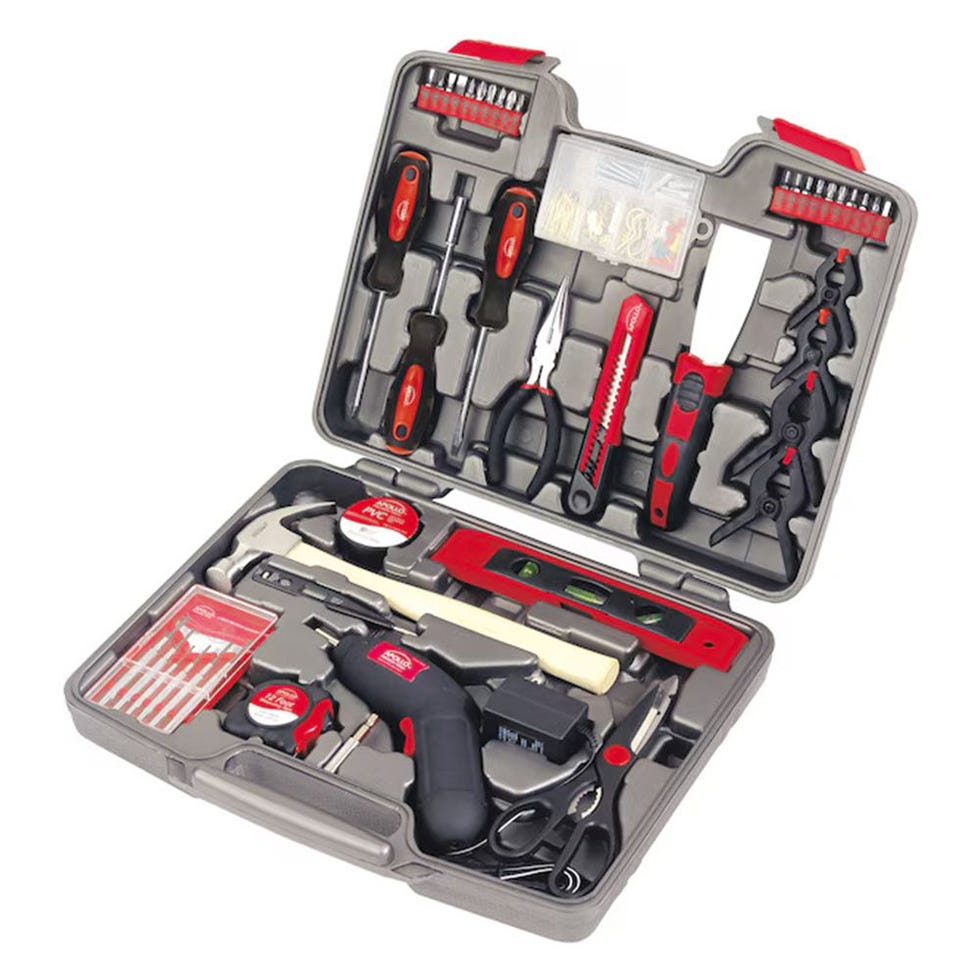
Residential buildings need basic tools for common household repairs. A set usually includes:
- Hammer and screwdrivers
- Adjustable wrench and pliers
- Measuring tape and level
- Utility knife and flashlight
- Drill with various bits
These tools cover plumbing, electrical fixes, and minor carpentry. Lightweight and portable sets work best for homes.
Commercial Building Essentials
Commercial buildings require more advanced and durable tools. These buildings have complex systems needing:
- Power tools like impact drivers and saws
- Multimeters and thermal cameras for electrical inspections
- Heavy-duty ladders and scaffolding
- Pipe wrenches and cutting tools for HVAC
- Safety gear including gloves and helmets
Tools must support frequent maintenance and handle larger equipment in offices or stores.
Industrial Maintenance Equipment
Industrial buildings demand specialized, heavy-duty equipment. Machines and structures need:
- Hydraulic jacks and lifts
- Welding machines and grinders
- Precision measuring tools like calipers
- Industrial vacuum cleaners and air compressors
- Protective clothing and respiratory masks
These tools help maintain factory machinery and ensure worker safety in tough environments.
Budgeting For Your Tool Set
Budgeting for your building maintenance tool set is essential to ensure efficiency and cost-effectiveness. A clear budget helps you prioritize essential tools without overspending. It also allows planning for future upgrades and replacements. Understanding how to balance quality with cost can save money and improve work results.
Balancing Quality And Cost
Choosing tools with good quality ensures they last longer and work better. Cheap tools might break often and need replacing. But high-end tools can strain your budget. Find a middle ground by:
- Choosing trusted brands with good reviews
- Focusing on tools used most often
- Avoiding unnecessary features that raise prices
Quality tools reduce downtime and repair costs. Spend more on essential items and save on less critical ones.
When To Buy Vs. Rent
Buying tools makes sense for daily or frequent tasks. It saves money over time and allows quick access. Renting suits occasional or one-time jobs. Renting reduces storage needs and maintenance costs. Compare the cost of buying versus renting by:
- Estimating tool use frequency
- Calculating rental fees versus purchase price
- Considering storage and upkeep expenses
Rent when the tool is costly and rarely needed. Buy if the tool is used regularly and for long periods.
Long-term Investment Strategies
Think about tools as investments that serve many years. Plan for gradual upgrades to avoid large expenses. Regular maintenance extends tool life and performance. Budget for replacements every few years. Keep track of tool conditions and usage to decide when to replace. Consider buying multipurpose tools to reduce total spending.
Tips For Maintaining Your Tools
Maintaining your building maintenance tools keeps them ready and safe to use. Proper care extends their life and saves money. Simple habits make a big difference in tool performance and reliability.
Follow easy steps to keep tools clean, stored well, and replaced on time. These tips ensure your tool set stays effective for every job.
Regular Cleaning And Inspection
Clean tools after each use to remove dirt and debris. Use a brush or cloth to wipe away grime. Check for rust, cracks, or damage during cleaning. Early detection prevents bigger problems later. Make cleaning a habit to keep tools in top shape.
Proper Storage Practices
Store tools in a dry, cool place to avoid rust and corrosion. Use toolboxes or racks to keep them organized. Avoid piling tools on top of each other to prevent damage. Label storage spots for easy access. Good storage protects tools and saves time.
Scheduling Tool Replacement
Know the lifespan of each tool and plan replacements accordingly. Replace worn or broken tools immediately to ensure safety. Keep a checklist of tools and their condition. Regularly update it to track when replacements are due. Timely replacement avoids accidents and work delays.
Credit: www.popularmechanics.com
Frequently Asked Questions
What Tools Are Essential For Building Maintenance?
Essential tools include screwdrivers, pliers, wrenches, hammers, and drills. Safety gear and measuring devices are also important for efficiency and protection.
How To Choose The Best Maintenance Tool Set?
Choose based on the types of repairs, tool quality, brand reputation, and tool variety. Consider durability and comfort for frequent use.
Why Is A Complete Tool Set Important?
A complete set saves time and money by having all needed tools ready. It ensures quick repairs and reduces downtime.
What Safety Tools Should Be Included?
Include gloves, safety glasses, ear protection, and dust masks. These protect against injuries during maintenance tasks.
Conclusion
Choosing the right maintenance tool set up is crucial. It boosts efficiency and safety. Start with basic tools. Add specialized equipment as needed. Always consider your specific building needs. Regularly update your tools. This keeps them effective and reliable. Train your team on proper usage.
This reduces errors and accidents. A well-chosen tool set saves time and money. It also enhances the building’s lifespan. Evaluate your tools periodically. Replace or upgrade them as necessary. With the right tools, maintenance becomes manageable and productive.