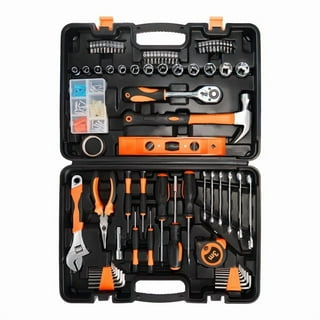
You rely on your tools every day, so keeping them in top shape is essential. But do you know the best way to carry and maintain your common tools?
If your tools aren’t stored or cared for properly, they can wear out faster, break unexpectedly, or even cause accidents. You’ll discover simple, practical tips to carry your tools safely and maintain them for longer life. Keep reading—you’ll save time, money, and frustration by mastering these easy maintenance habits.
Choosing The Right Tool Bag
Choosing the right tool bag can make a huge difference in how efficiently you carry and maintain your common tools. It’s not just about picking any bag but finding one that fits your tools, your style, and your work habits. Think about your daily routine—how often do you move between sites? How many tools do you actually carry? These questions help guide your choice.
Materials And Durability
Look for tool bags made from tough materials like heavy-duty polyester or leather. These stand up to rough use and protect your tools from weather. I once used a cheap nylon bag that tore after a month, causing a costly tool loss. A durable bag saves you money and hassle over time.
Check the stitching and zippers too. Double stitching and metal zippers last longer. Water-resistant fabrics are a bonus if you often work outdoors or in damp conditions.
Size And Compartments
Size matters, but bigger isn’t always better. A bag too large can be bulky and hard to carry. If you mostly use hand tools, a compact bag with multiple compartments is smarter.
Compartments help keep things organized and easy to find. Separate pockets for screws, pliers, and wrenches save you from digging through a jumble. Some bags even have removable pouches for quick access.
Portability Features
How you carry your bag affects comfort and convenience. Look for padded shoulder straps or handles with grips. These reduce strain during long hauls.
Wheels on a tool bag can be a game-changer if you carry heavy items. But if you often climb ladders or stairs, a lightweight, easy-to-carry option might suit you better.
Think about how you move during work. Do you need quick access or maximum protection? Choose portability features that match your workflow.

Credit: www.youtube.com
Organizing Tools Efficiently
Organizing tools efficiently makes maintenance faster and less stressful. It helps find the right tool quickly. A neat setup also protects tools from damage and loss. Simple organizing habits save time and effort.
Grouping By Function
Sort tools by their purpose or job type. Keep all screwdrivers together, pliers in one place, and wrenches in another. This grouping helps locate tools easily during tasks. It prevents mixing up tools that look similar but work differently.
Using Tool Holders And Wraps
Tool holders and wraps keep tools secure and tidy. Use magnetic strips for metal tools like screwdrivers and pliers. Wraps made of canvas or leather hold smaller tools safely. These holders stop tools from moving around or falling out during transport.
Labeling And Accessibility
Label each tool container or slot clearly. Use simple words or pictures for quick recognition. Arrange tools so the most used ones are easy to reach. Keep heavy tools at the bottom and lighter ones on top to avoid accidents.
Cleaning Tools After Use
Cleaning your tools after use is essential to keep them working well and lasting longer. Neglecting this step can cause damage that might cost you more time and money down the road. Taking a few minutes to clean tools properly helps you avoid frustrating breakdowns and keeps your work smooth.
Removing Dirt And Debris
Start by removing any dirt, dust, or debris stuck on your tools. Use a stiff brush or an old toothbrush to scrub off stubborn grime. For tools with grooves or small parts, compressed air or a toothpick can reach hidden spots effectively.
Sometimes, wiping with a damp cloth is enough, but for oily or sticky residues, mild soap and water work well. Avoid soaking wooden handles for too long to prevent damage. Have you ever found your tool harder to use just because of a little dirt buildup?
Preventing Rust And Corrosion
Rust can ruin your tools if you don’t act quickly. After cleaning, apply a light coat of oil—like machine oil or WD-40—to metal surfaces. This creates a barrier that keeps moisture away and stops rust from forming.
If you store tools in humid environments, consider using silica gel packs or rust inhibitors inside your toolbox. These small additions can save you from major repairs or replacements. How often do you check your tools for early signs of rust?
Proper Drying Techniques
Drying tools thoroughly is as important as cleaning them. Use a clean cloth to wipe off any moisture immediately after washing. Let tools air dry completely in a well-ventilated area before putting them away.
Avoid storing tools when they are still damp, as trapped moisture accelerates rust and corrosion. For wooden handles, drying slowly away from direct heat helps prevent cracks. Have you noticed how a little extra drying time can extend the life of your favorite tools?
Regular Inspection And Repairs
Regular inspection and repairs keep your tools in good shape. Tools last longer and work better with routine checks. Small problems become big ones without attention. A quick inspection helps catch issues early. Repairing tools promptly prevents costly replacements. Make inspection part of your tool care routine.
Checking For Wear And Damage
Look closely at each tool for cracks, rust, or bends. Check handles for splinters or breaks. Inspect blades and edges for dullness or chips. Notice any loose or missing parts. Clean tools before inspection to see damage clearly. Use a flashlight to spot small cracks or wear.
Tightening Loose Parts
Loose screws, nuts, or bolts reduce tool efficiency. Use the right screwdriver or wrench to tighten them. Avoid overtightening, which can cause damage. Check moving parts for smooth operation after tightening. Tight tools work safely and deliver better performance.
Replacing Worn Components
Replace parts that show heavy wear or damage. Blades, belts, and handles often need replacement. Use manufacturer-approved parts for safety and fit. Keep spare parts ready to avoid downtime. Replacing worn parts keeps tools reliable and safe to use.
Lubricating Moving Parts
Lubricating moving parts is essential for maintaining common tools. It reduces friction and wear. Proper lubrication keeps tools running smoothly. It helps prevent rust and corrosion. Regular care extends the life of your tools.
Choosing Suitable Lubricants
Select lubricants based on tool type and use. Light oils work well for small hand tools. Grease suits heavy machinery parts. Avoid using thick lubricants on delicate tools. Check labels to ensure compatibility with metal surfaces. Use rust-preventive oils for tools stored in humid places.
Application Tips
- Clean parts before applying lubricant.
- Use a small brush or cloth for even spread.
- Apply lubricant sparingly to avoid buildup.
- Move parts to distribute lubricant evenly.
- Wipe off excess oil to prevent dirt attraction.
Frequency Of Lubrication
Lubricate tools after every few uses. Check moving parts monthly if tools are stored. Increase frequency in dusty or wet environments. Heavy-duty tools may need weekly lubrication. Follow manufacturer guidelines for best results.

Credit: www.amazon.ca
Safe Storage Practices
Safe storage practices are essential to keep your common tools in top condition and ready for use. Proper storage prevents damage, rust, and loss, ensuring your tools last longer and perform better. Let’s explore how you can protect your tools effectively by controlling moisture, temperature, and security.
Avoiding Moisture And Humidity
Moisture is a hidden enemy for most tools. It causes rust and corrosion, which can weaken metal parts and make tools unsafe to use.
Keep your tools in a dry place, away from basements or garages prone to dampness. Using silica gel packs or moisture absorbers in your toolboxes can help reduce humidity.
Have you ever opened a toolbox to find your wrench covered in rust? That’s a clear sign moisture control was overlooked.
Temperature Control
Extreme temperatures can harm tools just as much as moisture. Heat may warp plastic handles, while freezing cold can make some materials brittle.
Store your tools in a location where the temperature stays stable, ideally between 50-80°F (10-27°C). Avoid leaving them inside vehicles or outdoor sheds exposed to sun or frost.
Think about how you feel when exposed to harsh weather – your tools need a comfortable environment too.
Securing Tools From Theft
Tools are valuable, and theft is a real risk, especially if you carry expensive equipment regularly. Secure storage can save you time and money.
Use lockable toolboxes or cabinets, and if possible, store them in a locked room or vehicle compartment. Mark your tools with your name or an ID number to deter theft and help recover them if lost.
Ask yourself: Is your current storage method making it easy for someone to walk away with your tools? If so, it’s time to upgrade your security.
Transporting Tools Safely
Transporting tools safely is essential to prevent damage and ensure they remain functional. Proper handling protects tools and keeps you organized. It also reduces accidents caused by loose or falling items during transit.
Careful planning and using the right equipment helps keep tools secure and in good condition. Follow simple steps to carry your tools without risk.
Securing Tools During Transit
Keep tools from moving inside your vehicle or bag. Use straps, bungee cords, or foam inserts to hold them tight. Place heavier tools at the bottom to avoid crushing lighter items.
- Use non-slip mats to stop tools from sliding.
- Separate sharp tools from others to prevent damage.
- Check tool placement before starting your trip.
Protecting Fragile Items
Fragile tools need extra care to avoid breakage. Wrap them in bubble wrap or cloth before packing. Avoid placing heavy objects on top of delicate items.
- Use padding between tools to absorb shocks.
- Store glass or plastic parts in separate compartments.
- Label fragile items clearly to remind others to handle with care.
Using Protective Cases
Invest in protective cases for valuable or sensitive tools. Hard cases shield against impact and water damage. Soft cases offer flexibility and easy carrying.
- Choose cases with custom foam inserts for perfect fit.
- Lock cases to prevent accidental opening during transit.
- Keep cases clean and dry to extend their life.
Extending Tool Lifespan
Extending the lifespan of your tools saves money and effort. Proper care helps tools perform better and last longer. Small habits can make a big difference in maintenance. Here are key tips to keep your tools in good shape.
Avoiding Overuse And Misuse
Using tools for the right jobs prevents damage. Avoid pushing tools beyond their limits. Do not use screwdrivers as chisels or hammers as pry bars. Follow manufacturer guidelines for each tool.
Overusing tools causes wear and breaks parts faster. Use the correct size and type of tool for tasks. Handle tools gently and avoid dropping or throwing them.
Periodic Professional Servicing
Regular check-ups by professionals keep tools in top condition. Experts can spot hidden problems early. They clean, sharpen, and adjust tools properly.
Schedule service for power tools and complex equipment yearly. Keep a record of maintenance dates. This helps plan timely servicing and prevents unexpected failures.
Upgrading And Replacing Wisely
Upgrade tools when performance declines or safety risks arise. Choose quality replacements that fit your needs. Avoid cheap tools that wear out quickly.
Consider the cost of repairs versus buying new tools. Sometimes replacement offers better value and efficiency. Proper disposal of old tools is also important.
Credit: veronicahanson.medium.com
Frequently Asked Questions
What Are Essential Tools For Common Maintenance Tasks?
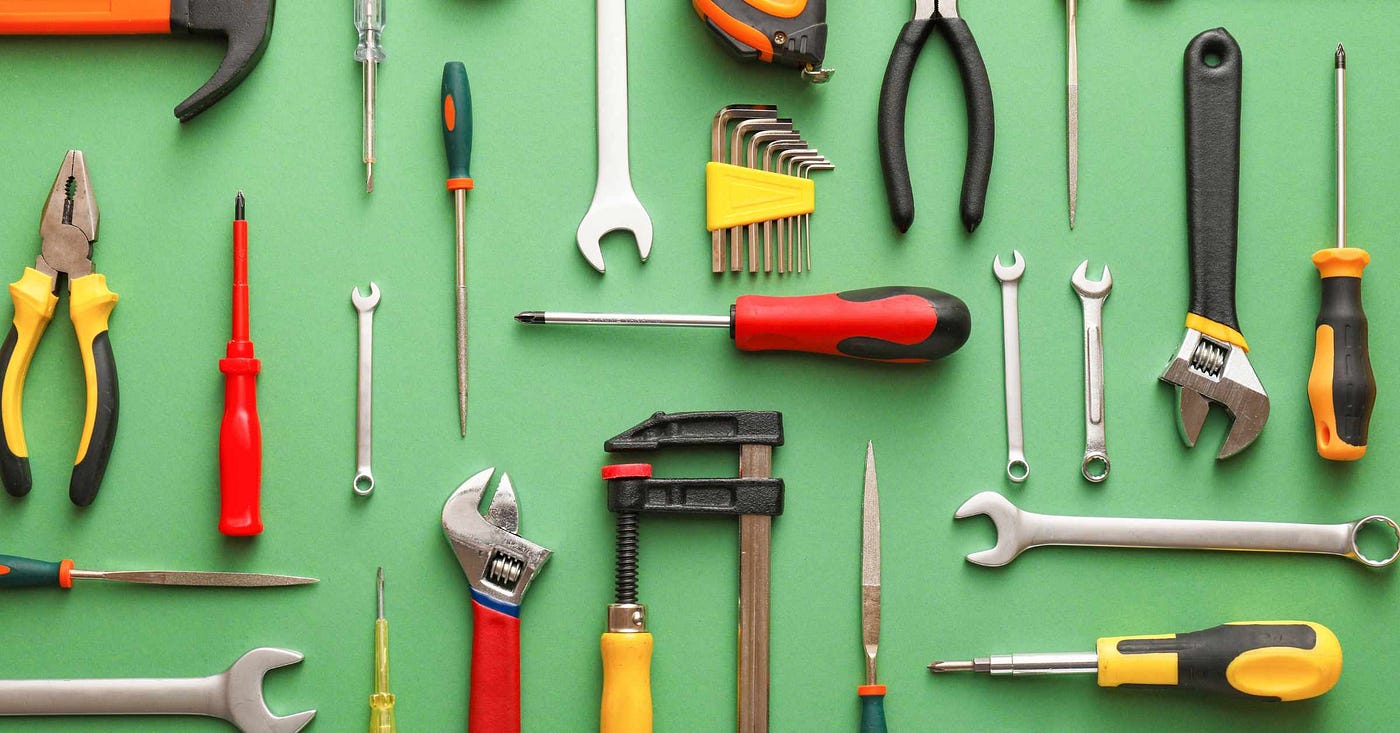
Essential tools include screwdrivers, pliers, wrenches, hammers, and tape measures. These tools handle most household repairs efficiently and safely.
How Should I Organize Tools For Easy Maintenance Access?
Use toolboxes, pegboards, or drawer organizers. Label compartments for quick identification. Keeping tools tidy saves time and prevents damage.
How Often Should I Clean And Inspect My Tools?
Clean and inspect tools after each use. Check for rust, damage, or wear. Regular maintenance prolongs tool life and ensures safety.
What Is The Best Way To Store Tools To Prevent Rust?
Store tools in a dry, cool place. Use silica gel packs or rust inhibitors. Proper storage prevents corrosion and maintains tool performance.
Conclusion
Caring for your tools keeps them working well. Regular checks prevent big problems. Clean tools last longer and perform better. Lubricate moving parts to avoid rust. Tighten loose screws for safety and efficiency. Store tools in a dry, safe place.
This prevents damage and wear. Use the right tool for each task. It minimizes stress on the equipment. Regular maintenance saves time and money. It ensures tools are always ready for use. Start a routine today. Your tools will thank you.
Happy tool maintenance!