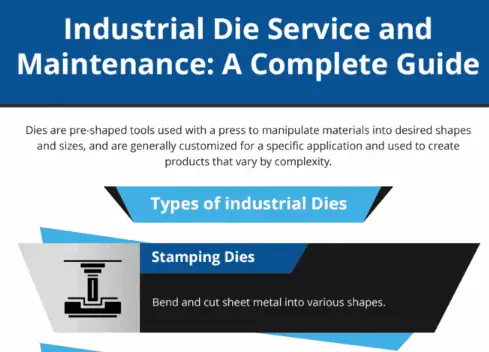
Have you ever wondered what tools are essential for die maintenance? If you work with dies or want to keep your equipment running smoothly, knowing the right tools can save you time, money, and frustration.
This isn’t just about having a toolbox—it’s about having the right tools at your fingertips to fix problems quickly and prevent costly breakdowns. Keep reading, and you’ll discover exactly what tools you need to keep your dies in top shape, so your work stays efficient and trouble-free.
Credit: www.vevor.com
Key Tools For Die Maintenance
Maintaining dies effectively requires a set of essential tools that help you keep everything precise, clean, and functional. The right tools not only save time but also extend the life of your dies, preventing costly downtime. Let’s look at the key tools you need to handle die maintenance with confidence and accuracy.
Hand Tools
Hand tools are the backbone of any die maintenance kit. You’ll want quality screwdrivers, wrenches, and pliers to tighten, adjust, or remove parts quickly. Precision screwdrivers help when working with smaller fasteners, while torque wrenches ensure you apply the correct pressure without damaging components.
Having a good set of punches and chisels also makes a difference when you need to remove pins or align components. I once underestimated the value of a reliable punch, which led to bent pins and wasted time. Don’t make the same mistake—invest in durable, well-made hand tools.
Measuring Instruments
Accurate measurements are critical for die maintenance. Calipers, micrometers, and dial indicators allow you to check dimensions down to thousandths of an inch. These tools help detect wear or misalignment before it becomes a bigger problem.
Consider also using a surface plate and height gauge for flatness and height checks. These instruments give you a baseline to compare against the die’s specifications. Have you ever caught a tiny measurement error early and saved yourself hours of troubleshooting? That’s the power of the right measuring tools.
Cleaning Equipment
Keeping your dies clean is vital to their performance and longevity. Use brushes, scrapers, and air blowers to remove debris and residues after each use. A clean die reduces the chance of defects and wear caused by dirt buildup.
Ultrasonic cleaners are a great investment for deep cleaning intricate die components. They reach areas you can’t easily access by hand and remove contaminants without damaging delicate surfaces. What’s your current cleaning routine? Adding specialized equipment can make maintenance quicker and more thorough.

Credit: www.ziprecruiter.com
Specialized Die Maintenance Gear
Specialized die maintenance gear is essential to keep dies functioning smoothly. These tools focus on precision, cleanliness, and efficiency. They help prevent damage and extend the die’s life. Using the right gear reduces downtime and improves product quality.
Lubrication Systems
Lubrication systems ensure dies operate without friction. Proper lubrication prevents wear and tear on moving parts. Automated lubrication tools provide consistent oil or grease flow. Manual grease guns and oilers allow precise application in tight areas. Regular lubrication reduces heat and extends die life.
Alignment Tools
Alignment tools help position dies correctly during maintenance. Dial indicators measure small shifts in die placement. Laser alignment devices offer high accuracy and save time. Straight edges and feeler gauges check flatness and gaps. Correct alignment avoids uneven wear and improves product consistency.
Inspection Devices
Inspection devices detect defects and wear early. Microscopes and magnifiers reveal tiny cracks or chips. Coordinate measuring machines (CMM) check die dimensions precisely. Ultrasonic testers find internal flaws without damage. Frequent inspection prevents costly breakdowns and ensures quality output.
Safety Equipment For Maintenance
Safety equipment is crucial during die maintenance to protect workers from injuries. Proper gear reduces risks from sharp edges, heavy parts, and electrical hazards. Using the right safety tools helps create a safer work environment.
Protective Wear
- Gloves: Protect hands from cuts and burns.
- Safety Glasses: Shield eyes from flying debris and sparks.
- Steel-Toe Boots: Guard feet against heavy falling objects.
- Ear Protection: Reduce noise exposure in loud areas.
- Face Shields: Provide extra face protection during grinding or cutting.
- Coveralls: Keep clothes clean and protect skin from chemicals.
Safety Devices
- Lockout/Tagout Kits: Ensure machines stay off during maintenance.
- Machine Guards: Prevent accidental contact with moving parts.
- Emergency Stop Buttons: Allow quick shutdown in case of danger.
- Fire Extinguishers: Ready for immediate use in fire emergencies.
- Ventilation Systems: Remove harmful fumes and dust from the workspace.
- First Aid Kits: Provide quick treatment for minor injuries.
Technology In Die Maintenance
Technology plays a crucial role in die maintenance, helping you keep tools in top condition and avoid costly downtime. The right tech can pinpoint problems early and speed up repairs. Let’s look at some key technologies that can transform how you handle die maintenance.
Diagnostic Tools
Diagnostic tools help you identify issues before they become major problems. Tools like ultrasonic testers and thermal cameras detect wear and cracks that aren’t visible to the naked eye.
Using these devices regularly means you can catch small defects early. This saves time and money by preventing unexpected breakdowns. Have you ever missed a small crack that later caused a big failure? Diagnostic tools can help you avoid that.
Automation And Robotics
Automation in die maintenance is no longer a future idea—it’s happening now. Robots can perform precise cleaning, polishing, and even minor repairs with consistent accuracy.
Robots reduce human error and speed up repetitive tasks. Imagine having a robotic arm handle the tedious parts of maintenance while you focus on complex inspections. Wouldn’t that free up your time for more critical work?
Selecting The Right Tools
Choosing the right tools for die maintenance is crucial to ensure precision, efficiency, and safety in your work. The tools you select directly affect the quality of your repairs and the longevity of the dies you maintain. Taking the time to evaluate what you really need can save you from costly mistakes and downtime.
Factors To Consider
Start by thinking about the specific tasks you’ll perform most often. Are you dealing mostly with cleaning, adjustments, or complex repairs? Each task may require different types of tools, so knowing your routine helps narrow down your options.
Consider the compatibility of tools with the types of dies you work on. Some dies need fine-tuned precision tools, while others require heavy-duty equipment. Also, think about the space you have—do you need compact tools for tight areas?
Ask yourself, how often will you use the tool? Frequent use demands more ergonomic and durable options. Tools you use rarely might not justify a high investment but still should meet basic quality standards.
Tool Quality And Durability
High-quality tools make your work smoother and prevent errors. Cheap tools often wear out quickly, causing delays and possibly damaging your dies. Investing in reputable brands might cost more upfront but pays off in the long run.
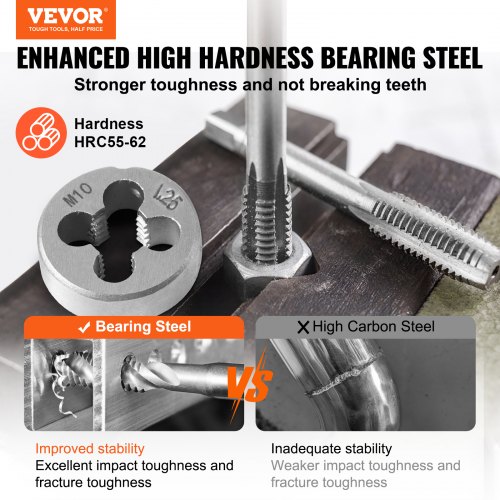
Look for tools made from strong materials like hardened steel or titanium coatings. These resist wear and provide consistent performance. I once switched from generic screwdrivers to professional-grade ones, and the difference in grip and precision was night and day.
Durability also means tools that can handle the environment they’ll be used in. If your workspace has exposure to oils or moisture, tools with corrosion resistance will last longer. How often do you replace worn-out tools? Maybe it’s time to upgrade for better reliability.

Credit: www.amazon.com
Maintenance Best Practices
Effective die maintenance hinges on clear, consistent best practices. These practices not only extend the life of your tools but also ensure smooth production and reduce costly downtime. Let’s break down key routines and proper tool handling that can make a real difference in your maintenance work.
Routine Checks
Regular inspections are the backbone of die maintenance. You should schedule daily visual checks to spot cracks, wear, or misalignment early. Using a checklist helps you stay organized and ensures no critical part is overlooked.
Think about measuring clearances and lubrication levels as part of your routine. These small steps prevent bigger problems like jams or uneven cuts. Have you ever caught a minor flaw during a quick check that saved hours of repair later?
- Inspect all die components for wear or damage.
- Check alignment and tighten loose bolts.
- Monitor lubricant levels and apply as needed.
- Record findings in a maintenance log for future reference.
Proper Tool Usage
Using the right tools correctly can greatly reduce wear on your dies. Avoid makeshift solutions; always use tools designed for specific tasks. For example, using a torque wrench ensures bolts are tightened to the exact specification without overdoing it.
Handle your tools with care and store them properly to avoid damage. Sharpen cutting tools regularly instead of forcing dull blades. Are you confident that every tool in your kit is being used to its full potential?
- Select tools that match die specifications and material type.
- Train your team on correct handling techniques.
- Maintain and sharpen tools regularly.
- Keep tools clean and stored in designated places.
Frequently Asked Questions
What Are The Essential Tools For Die Maintenance?
Essential tools for die maintenance include precision measuring instruments, cleaning brushes, lubrication equipment, and hand tools like wrenches and screwdrivers. These tools help ensure accurate adjustments, proper cleaning, and smooth operation of dies, reducing downtime and extending tool life.
How Do Lubrication Tools Aid Die Maintenance?
Lubrication tools apply grease or oil to die components, reducing friction and wear. Proper lubrication prevents overheating and metal damage, ensuring smooth die operation. Regular use of lubrication tools enhances die longevity and maintains production efficiency.
Why Are Measuring Instruments Critical In Die Maintenance?
Measuring instruments like calipers and micrometers ensure die parts meet exact specifications. Accurate measurements prevent defects and tool damage. Regular checks with these instruments maintain die precision and product quality.
What Role Do Cleaning Tools Play In Die Maintenance?
Cleaning tools remove debris, dirt, and residue from die surfaces. This prevents corrosion and ensures proper die function. Regular cleaning reduces wear and improves the lifespan of the die.
Conclusion
Die maintenance tools are essential for efficient operations. They ensure precision and longevity. Proper tool use reduces downtime and costs. Regular maintenance prevents unexpected failures. Choose the right tools for specific tasks. This boosts productivity and quality. Skilled technicians enhance tool effectiveness.
Training is crucial for safety and efficiency. Always inspect tools before use. A well-maintained die extends its life and performance. Keep tools organized and accessible. This saves time and effort. Investing in quality tools pays off in the long run.
Prioritize regular maintenance to achieve optimal results.