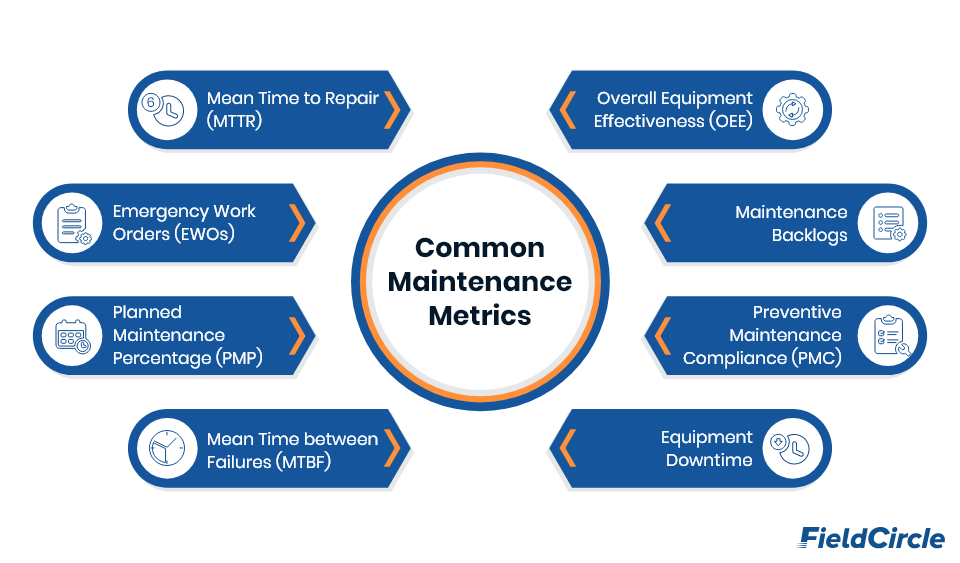
Have you ever felt overwhelmed trying to keep all your maintenance tasks organized? Managing equipment, scheduling repairs, and tracking work can quickly become a headache.
That’s where centralized maintenance tools come in. These powerful systems put everything you need in one place, making your job easier and more efficient. Imagine having full control and clear visibility over all your maintenance activities—no more missed deadlines or forgotten tasks.
If you want to simplify your work and boost productivity, understanding centralized maintenance tools is the first step. Keep reading to discover how they can transform the way you manage maintenance.
Centralized Maintenance Tools Explained
Centralized maintenance tools help companies manage all their maintenance tasks from one place. These tools simplify work by bringing data, scheduling, and resources together. They allow teams to track repairs, plan maintenance, and keep equipment running smoothly.
By using these tools, businesses reduce downtime and extend equipment life. Everyone involved in maintenance can access the same information quickly. This leads to better decisions and faster problem solving.
Key Features
- Single dashboard for all maintenance activities
- Real-time tracking of equipment status
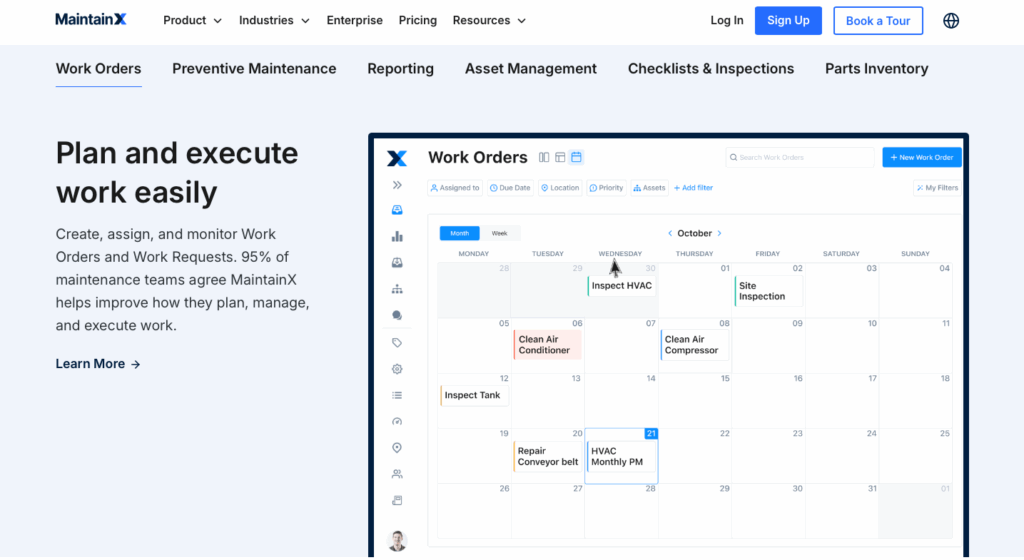
- Automated work order creation and assignment
- Maintenance scheduling and reminders
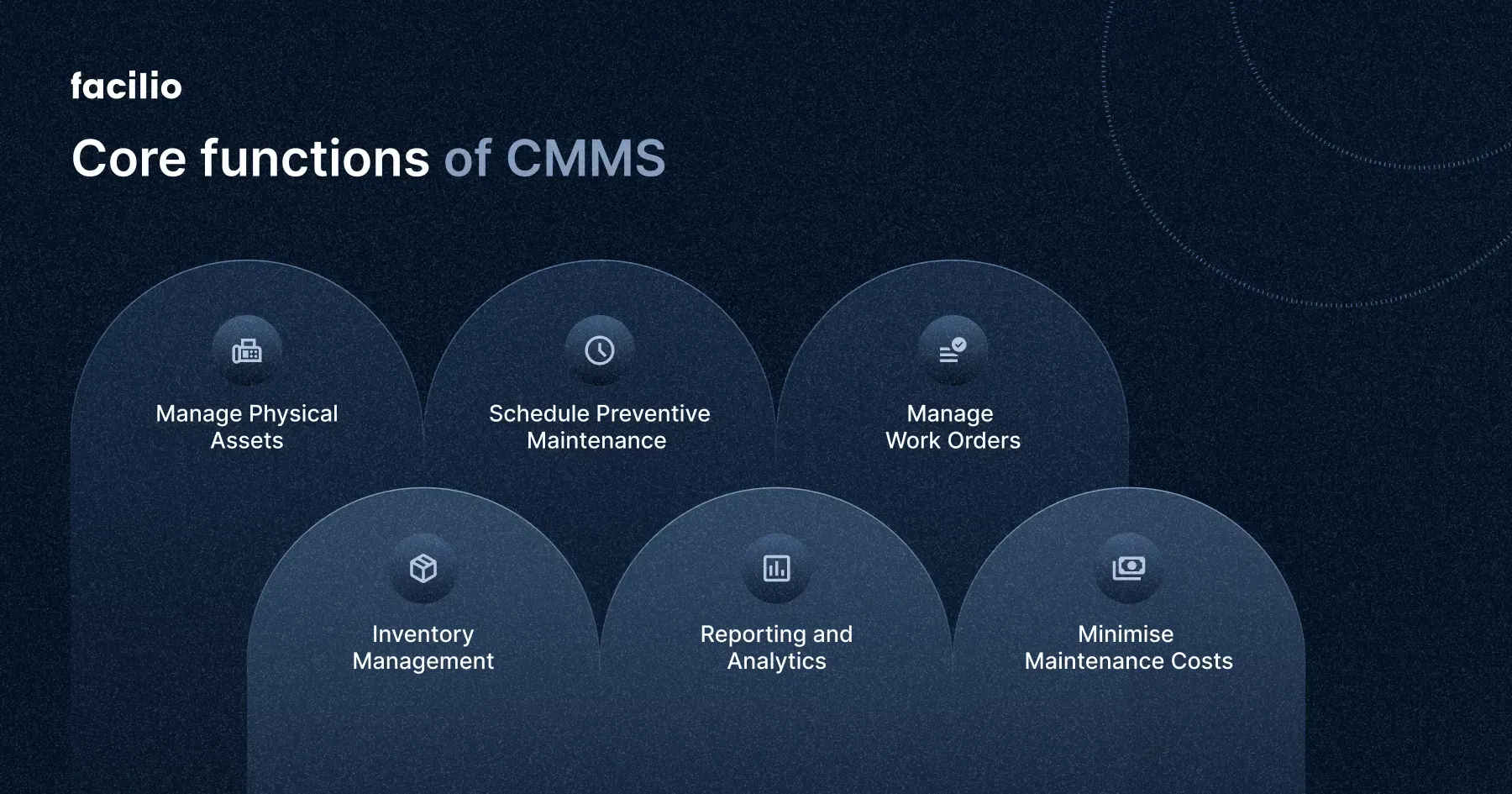
- Inventory management for parts and supplies
- Reporting and analytics for performance review
- Mobile access for technicians in the field
- Integration with other business systems
Types Of Tools
- Computerized Maintenance Management Systems (CMMS):Software that manages work orders, schedules, and assets.
- Enterprise Asset Management (EAM):Focuses on asset lifecycle and long-term planning.
- Predictive Maintenance Tools:Use data and sensors to predict failures before they happen.
- Mobile Maintenance Apps:Allow technicians to update work and check schedules remotely.
- Inventory Management Systems:Track spare parts and supplies needed for repairs.
Benefits Of Centralized Maintenance
Centralized maintenance tools bring a host of benefits that can transform how you manage your equipment and facilities. They help you keep everything organized in one place, making your work smoother and more predictable. Let’s look at some key advantages that can make a real difference to your daily operations and long-term planning.
Improved Efficiency
With centralized maintenance, you get a single platform to track all maintenance activities. This means less time searching for information and more time fixing problems.
Imagine having all equipment histories, schedules, and alerts right at your fingertips. This setup reduces downtime and keeps your team focused on the most critical tasks.
Have you noticed how delays often happen because of miscommunication or missing data? Centralized tools help eliminate those delays by streamlining workflows and automating reminders.
Cost Reduction
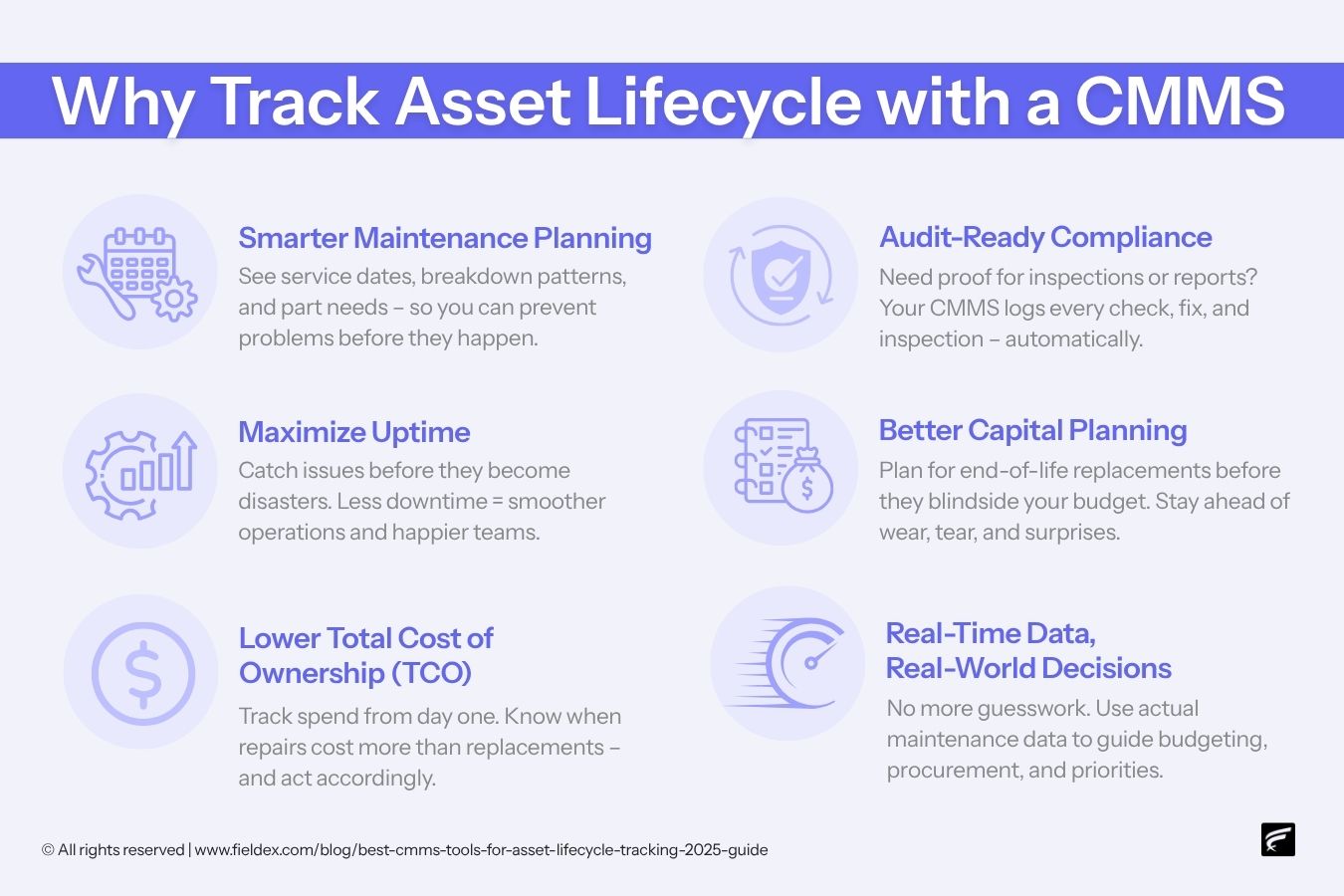
Centralized maintenance helps you spot issues early, preventing costly breakdowns. It also allows you to plan repairs instead of reacting to emergencies, which usually cost more.
By consolidating tools and data, you reduce redundant efforts and avoid unnecessary purchases. This approach saves money on parts, labor, and even overtime.
Think about the last time you had to rush a repair—how much extra did that cost? With centralized maintenance, you can cut those surprise expenses by staying ahead.
Enhanced Communication
Having one system for maintenance means your team can share updates and insights instantly. Everyone stays informed about what’s done, what’s next, and any issues encountered.
This transparency helps avoid mistakes caused by assumptions or missed messages. Your technicians, managers, and suppliers can all collaborate more easily.
Ask yourself: How much smoother would your projects run if communication was clear and real-time? Centralized tools make that possible, improving teamwork and accountability.
Implementing Centralized Tools
Implementing centralized maintenance tools can transform how your team manages assets and schedules repairs. These tools bring all maintenance activities under one roof, making it easier to track, plan, and analyze work. But the success of such implementation depends heavily on the choices you make and how you roll out the system.
Choosing The Right Tool
Picking the right centralized maintenance tool starts with understanding your specific needs. Ask yourself: What features are non-negotiable for your operations? Look for tools that offer clear dashboards, easy task assignment, and real-time updates.
Consider the size of your team and the complexity of your equipment. Some tools are better suited for large enterprises with multiple locations, while others work well for smaller setups. Reading user reviews and requesting demos can save you from costly mistakes.
Integration Strategies
Centralized tools won’t work in isolation. You need to connect them seamlessly with your existing software like inventory systems, HR platforms, or accounting tools. This reduces manual entry and errors, saving you time and money.
Start by mapping out all current systems and identifying how data flows between them. Use APIs or middleware solutions to link systems wherever possible. A phased integration approach—starting with critical components—helps you manage risks and troubleshoot issues early.
Training And Support
Your team’s ability to use the new tool effectively is crucial. Provide hands-on training sessions that focus on daily tasks and common challenges. Avoid overwhelming users with too much information at once.
Set up ongoing support channels like help desks or chat groups. Encourage feedback and quickly address concerns to build confidence. Remember, a tool is only as good as the people using it.
Credit: facilio.com
Common Challenges And Solutions
Centralized maintenance tools help manage equipment and systems efficiently. Despite their benefits, many organizations face challenges during implementation and use. These challenges can affect productivity and data accuracy. Understanding common problems and their solutions ensures smoother operations and better results.
Data Management Issues
Data accuracy is crucial for maintenance decisions. Many systems face problems with incomplete or outdated data. Poor data management leads to wrong maintenance schedules and increased downtime.
Solutions include regular data audits and automated updates. Use data validation tools to catch errors early. Train staff to enter data carefully and consistently.
User Adoption
User resistance slows down the adoption of new tools. Complex interfaces and lack of training create frustration. Low user adoption reduces the tool’s overall effectiveness.
Make the system user-friendly with clear menus and instructions. Offer hands-on training sessions and ongoing support. Encourage feedback to improve the system and boost confidence.
System Scalability
Many organizations grow faster than their systems can handle. A tool that works well for a small team may struggle with more users or data. Scalability issues cause slow performance and system crashes.
Choose tools designed to scale with your business size. Regularly update software to support new features and more users. Plan for future growth in your maintenance strategy.
Case Studies Of Success
Centralized maintenance tools have transformed how organizations manage their assets and workflows. Real-world success stories reveal the tangible benefits you can expect when adopting these tools. These case studies highlight improvements in efficiency, cost savings, and operational transparency across different industries.
Manufacturing Sector
A manufacturing plant in Ohio cut downtime by 30% after implementing a centralized maintenance system. The tool allowed technicians to track machine health in real time and schedule proactive repairs. This shift not only prevented unexpected breakdowns but also optimized labor allocation, saving thousands in maintenance costs.
Imagine the impact on your production line if you could predict equipment failures before they happen. Could you reduce delays and increase output just by changing how you manage maintenance data?
Facility Management
A large commercial complex in New York streamlined its maintenance requests using centralized software. Facility managers gained instant access to work order statuses and resource availability. This transparency improved response times and tenant satisfaction significantly.
Think about your current process—how often do maintenance delays frustrate clients or employees? Centralized tools can give you the control to fix problems faster and keep your facilities running smoothly.
It Maintenance
A global tech company adopted a centralized maintenance platform to handle its server and network upkeep. The system consolidated alerts from multiple locations, enabling IT staff to address critical issues swiftly. As a result, system downtime dropped by 40%, boosting productivity across departments.
Could your IT team benefit from a single view of all maintenance tasks? What would happen if you could prevent outages before users even notice them?
Credit: connecteam.com
Future Trends In Maintenance Tools
Maintenance tools are evolving rapidly, driven by technological advances that reshape how you manage and maintain equipment. Understanding future trends can help you prepare your maintenance strategy and stay ahead of potential issues before they arise. Let’s look at what’s coming next in centralized maintenance tools and how these changes could impact your daily operations.
Ai And Automation
AI is no longer just a buzzword—it’s becoming a core part of maintenance tools. Automated systems can now detect issues faster than human eyes and suggest solutions instantly.
Imagine a tool that schedules repairs by analyzing patterns in equipment behavior, reducing downtime without any manual input. This not only saves you time but also cuts costs by preventing unexpected failures.
How could your maintenance team benefit if routine tasks were handled automatically, freeing up your experts for more complex problems?
Cloud-based Solutions
Cloud-based maintenance tools offer flexibility and accessibility that on-premise systems can’t match. You can access real-time data from anywhere, making it easier to coordinate teams across multiple locations.
Updates happen seamlessly in the background, so you always have the latest features without disruption. Plus, storing data in the cloud enhances security and disaster recovery options.
Are you ready to leverage cloud technology to improve communication and decision-making in your maintenance processes?
Predictive Analytics
Predictive analytics uses historical data to forecast future equipment issues, allowing you to act before problems occur. This approach moves your maintenance from reactive to proactive.
By analyzing trends and warning signs, these tools help you schedule maintenance exactly when it’s needed, optimizing resource use and extending equipment life.
What if you could predict failures days or weeks in advance—how would that change your maintenance planning and budgeting?
Credit: www.fieldex.com
Frequently Asked Questions
What Are Centralized Maintenance Tools?
Centralized maintenance tools are software solutions that streamline and manage maintenance tasks. They integrate various functions like scheduling, tracking, and reporting into one platform. This enhances efficiency, reduces downtime, and improves asset management. By centralizing data, these tools provide better insights and facilitate informed decision-making for maintenance teams.
How Do Centralized Tools Improve Efficiency?
Centralized tools improve efficiency by consolidating maintenance operations into one platform. They automate scheduling, track asset performance, and provide real-time updates. This reduces manual errors and streamlines workflows. With improved data access and analytics, teams can make quicker, informed decisions, leading to enhanced productivity.
What Features Do These Tools Typically Offer?
These tools typically offer features like work order management, asset tracking, and preventive maintenance scheduling. They also provide real-time reporting, inventory management, and integration capabilities with other systems. These features help in optimizing maintenance processes, reducing downtime, and enhancing overall operational efficiency.
Why Choose Centralized Maintenance Tools Over Traditional Methods?
Centralized tools offer integrated solutions that streamline maintenance tasks, unlike traditional methods. They provide real-time data, automate processes, and improve resource management. This leads to reduced downtime, increased productivity, and cost savings. With enhanced analytics and reporting, businesses can make data-driven decisions effectively.
Conclusion
Centralized maintenance tools help manage tasks from one place. They save time and reduce errors. Teams can track repairs and updates easily. This leads to better equipment performance. Using these tools keeps everything organized and clear. They support smoother work and less downtime.
Choosing the right tool makes maintenance simpler. It helps businesses run without interruptions. Simple steps, big benefits.