Supply chain tools and techniques help businesses manage products from start to finish. They improve transport, warehousing, purchasing, and risk management.
Effective supply chains rely on many tools and methods. These include software like ERP systems, risk analysis tools, and measurement techniques. Using these tools helps companies track inventory, reduce delays, and control costs. Warehousing and transport management also benefit from specialized toolkits.
Strategic use of these resources supports better planning and decision-making. This boosts efficiency and keeps customers satisfied. Supply chain management covers many areas, including global operations and humanitarian aid. Learning about these tools can make managing supply chains clearer and easier for everyone involved.
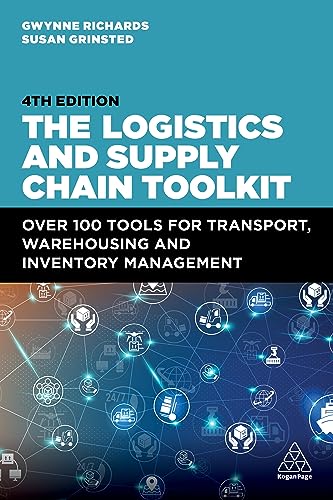
The Logistics And Supply Chain Toolkit

The Logistics and Supply Chain Toolkit is ideal for professionals and students involved in transport, warehousing, and inventory management. Whether you are a logistics manager, supply chain analyst, or business owner looking to optimize your operations, this comprehensive toolkit offers practical solutions and strategies tailored to enhance efficiency and effectiveness in your daily tasks.
Pros:
- Contains over 100 practical tools for various logistics and supply chain processes
- Published by the reputable Kogan Page with up-to-date insights
- Compact size and 464 pages packed with actionable content
- Covers a wide range of topics including transport, warehousing, and inventory management
- The latest 4th edition ensures current industry practices and standards
Cons:
- May be overwhelming for beginners due to the extensive number of tools included
- Primarily focused on practical tools, less theoretical background
- Physical dimensions may not be convenient for on-the-go reference
This toolkit offers an impressive collection of over 100 tools specifically designed to tackle challenges in logistics and supply chain management. Each tool is crafted to improve decision-making, streamline processes, and optimize resource allocation. The detailed guidance on transport, warehousing, and inventory management equips users with actionable techniques to reduce costs and improve operational efficiency. The book’s publication by Kogan Page guarantees credible and industry-relevant content.
Its manageable size coupled with the extensive 464 pages makes it a valuable resource for continuous learning and practical application. The 4th edition reflects the latest trends and challenges in the logistics sector, ensuring readers stay ahead in a competitive market. Overall, this toolkit is an essential companion for anyone aiming to enhance their logistics and supply chain expertise with tried-and-tested tools.
Global Supply Chain Management

Ideal for business professionals, supply chain managers, and corporate strategists seeking to enhance their understanding of global supply chain management, this book offers valuable insights into leveraging processes, measurements, and tools for achieving a strategic corporate advantage. Those aiming to optimize operations and improve efficiency across international supply chains will find this resource particularly beneficial.
Pros:
- Comprehensive coverage of supply chain processes and their strategic importance
- Includes practical measurement techniques to assess supply chain performance
- Provides actionable insights into leveraging tools and technology for competitive advantage
- Published by reputable brand McGraw-Hill Education ensuring quality and authority
- Concise format with 272 pages, making it accessible without overwhelming detail
Cons:
- Content may be dated as it was published in 2013, requiring supplementary current resources
- Focuses primarily on strategic concepts, potentially less useful for beginners seeking basic fundamentals
- Limited to the first edition, missing updates or newer case studies
The book delves deeply into the essential processes that drive effective global supply chain management, helping users understand how each step contributes to overall corporate success. By mastering these processes, readers can improve coordination, reduce costs, and enhance responsiveness within their supply chains. The clear explanation of measurement methods empowers professionals to accurately evaluate performance and identify areas for continuous improvement.
Additionally, the resource highlights the critical role of modern tools and technologies in managing supply chains, equipping readers with knowledge to implement solutions that boost efficiency and maintain competitiveness in a global market. With its strategic approach, this book serves as a practical guide for those looking to align supply chain activities with broader business objectives, ultimately driving sustainable growth.
Supply Chain Management

Supply Chain Management: A Logistics Perspective is ideal for professionals, students, and academics who seek a comprehensive understanding of modern logistics and supply chain strategies. If you are involved in supply chain operations, logistics management, or are pursuing a career in these fields, this book offers valuable insights tailored to enhance your knowledge and practical skills.
Pros:
- Comprehensive coverage of logistics and supply chain concepts in the 10th edition.
- Published by reputable brand and manufacturer Cengage Learning, ensuring quality content.
- Detailed explanations supported by 672 pages that delve into both theory and practice.
- Practical examples and case studies relevant to real-world supply chain challenges.
- Well-structured format with clear dimensions making it easy to handle (Height: 10.5 inches, Width: 1.0 inch, Length: 8.25 inches).
Cons:
- Relatively heavy at 3.04 pounds, which may not be ideal for carrying around frequently.
- Published in 2016, some content may not cover the very latest trends or technologies.
- Lengthy content might be overwhelming for beginners seeking a quick overview.
This edition of Supply Chain Management: A Logistics Perspective thoroughly explores the intricate relationship between logistics and supply chain management, emphasizing strategic planning and operational execution. The book’s extensive content allows users to grasp fundamental principles while also diving into advanced topics such as inventory management, transportation, and distribution networks. Its methodical approach benefits professionals by improving decision-making skills and helping optimize supply chain efficiency.
Readers gain valuable insights into how logistics influences overall supply chain performance, supported by real-world case studies and practical tools. The book’s detailed analysis assists in understanding complex scenarios, such as demand forecasting and risk management. By integrating theory with applicable strategies, this resource empowers users to enhance productivity and reduce costs within their organizations.
Purchasing And Supply Chain Management

The Purchasing and Supply Chain Management book is ideal for professionals, students, and academics who seek a comprehensive understanding of the principles and practices involved in supply chain operations. Those aiming to enhance their skills in procurement, logistics, and supplier relationship management will find this edition particularly valuable.
Pros:
- Extensive Coverage: 888 pages of in-depth content on purchasing and supply chain topics.
- Reputable Brand: Published by Cengage Learning, ensuring quality and reliability.
- Updated Edition: The 6th edition reflects modern trends and practices as of 2015.
- Comprehensive Dimensions: Practical size and weight for easy handling and reference.
Cons:
- Publication Date: Released in 2015, some content may not cover the latest industry developments.
- Lengthy: At 888 pages, it may be overwhelming for readers seeking a quick overview.
This book offers a thorough exploration of the purchasing process and supply chain strategies, combining theoretical frameworks with practical applications. Readers benefit from detailed explanations of procurement techniques, inventory management, and supplier evaluation, allowing them to apply these insights directly to their professional roles.
With clear illustrations and real-world examples, the book helps users develop critical thinking skills for optimizing supply chain efficiency. The inclusion of case studies and problem-solving exercises further enhances its utility as a learning resource, making it an essential tool for anyone looking to excel in supply chain management.
The Logistics And Supply Chain Toolkit

The Logistics and Supply Chain Toolkit is ideal for professionals and students involved in transport, warehousing, and inventory management. Whether you are a supply chain manager, operations specialist, or a logistics consultant, this comprehensive resource provides practical tools to optimize processes and improve efficiency in your day-to-day operations. It is also highly valuable for organizations looking to streamline their supply chain workflows and reduce costs effectively.
Pros:
- Contains over 100 practical tools specifically designed for logistics and supply chain management.
- Published by Kogan Page, a reputable source in the industry.
- Comprehensive coverage including transport, warehousing, and inventory management topics.
- Compact and easy-to-carry dimensions: 9.06 x 6.1 x 0.98 inches and lightweight at just over 1 pound.
- Third edition, updated with the latest practices and insights as of 2020.
- Detailed content spanning 424 pages, offering in-depth knowledge and actionable strategies.
Cons:
- May be overwhelming for beginners due to the extensive number of tools and concepts.
- Physical copy size might be too compact for those who prefer larger print or more visual aids.
- Focuses primarily on traditional logistics methods, with limited emphasis on emerging technologies.
This toolkit offers an extensive range of tools that cover every aspect of logistics and supply chain management. Each tool is designed to help users analyze, plan, and execute tasks with greater precision and efficiency. The inclusion of detailed methodologies for inventory management and warehousing allows professionals to optimize stock levels and storage processes, reducing waste and improving turnaround times.
Additionally, the book’s focus on transport management provides practical approaches to route planning, cost control, and carrier selection, which directly benefit organizations aiming to enhance delivery performance and reduce operational costs. The well-organized layout and clear instructions make it a valuable reference that professionals can quickly consult to solve specific challenges in their supply chain operations.
Supply Chain Risk Management: Tools For Analysis

The book Supply Chain Risk Management: Tools for Analysis is ideal for professionals, managers, and students involved in logistics, supply chain management, and operations management who want to deepen their understanding of how to identify, assess, and mitigate risks in complex supply chains. It is especially valuable for those seeking practical tools and analytical frameworks to enhance resilience and efficiency in their supply operations.
Pros:
- Provides clear and practical risk analysis tools tailored to supply chain challenges.
- Concise yet comprehensive with 133 pages covering essential topics.
- Published by Business Expert Press, ensuring credible and authoritative content.
- Compact size and weight make it easy to carry and reference.
- Includes up-to-date strategies relevant to current supply and operations management practices.
Cons:
- Publication date (2011) may mean some examples are slightly outdated in fast-evolving industries.
- Relatively brief, which might limit in-depth exploration of complex risk scenarios.
- Primarily focused on analysis tools, less emphasis on implementation case studies.
This book offers a focused exploration of risk management techniques within supply chains, allowing readers to understand and apply analytical tools effectively. Its structured approach helps users pinpoint vulnerabilities in their supply networks, fostering better decision-making and proactive risk mitigation. The concise format ensures professionals can quickly absorb and apply concepts without wading through excessive detail.
Additionally, the book’s emphasis on practical tools supports users in creating resilient supply chains that can withstand disruptions. By mastering these analytical methods, readers can improve operational continuity and reduce potential losses, making it a valuable resource for those committed to optimizing supply chain performance.
Erp: Tools, Techniques, And Applications For Integrating The Supply Chain

The book ERP: Tools, Techniques, and Applications for Integrating the Supply Chain, Second Edition is ideal for professionals, managers, and students involved in enterprise resource planning and supply chain management. Those seeking to deepen their understanding of how to effectively integrate business processes through ERP systems will find this resource particularly valuable. It is also suitable for organizations aiming to optimize their resource management and improve operational efficiency.
Pros:
- Comprehensive coverage of ERP tools and techniques with practical applications.
- In-depth discussion on integrating the supply chain for better resource management.
- Detailed explanations backed by real-world examples from the second edition.
- Well-structured content across 464 pages, providing thorough knowledge.
- Published by the reputable CRC Press, ensuring quality and credibility.
Cons:
- Publication date (2003) may mean some content is less aligned with the latest ERP technologies.
- Relatively heavy and large physical dimensions may not be ideal for portable reading.
- Technical depth might be challenging for beginners without prior knowledge of ERP concepts.
This edition offers a robust exploration of ERP systems focusing on tools and techniques essential for integrating the supply chain effectively. Readers benefit from detailed methodologies that enhance decision-making and streamline operations across departments. The book emphasizes practical applications, helping users connect theory with real-world business scenarios.
Additionally, the comprehensive coverage of resource management and supply chain integration equips readers with the skills needed to improve organizational efficiency. The content is designed to support both academic learning and professional development, making it a versatile resource in the field of enterprise resource planning.
Principles And Tools For Supply Chain Management

The Principles and Tools for Supply Chain Management with Student CD-ROM is ideal for students, professionals, and educators seeking a comprehensive introduction to supply chain management. Those looking to gain practical knowledge and foundational skills in this field will find this resource particularly valuable. It’s especially suited for individuals aiming to enhance their understanding of supply chain concepts through both theoretical frameworks and interactive learning tools.
Pros:
- Includes a Student CD-ROM for interactive learning
- Comprehensive coverage of supply chain management principles
- Written by a reputable manufacturer (McGraw-Hill/Irwin)
- Compact and manageable size with 352 pages
- Suitable for both academic and professional development
Cons:
- Publication date is somewhat dated (2006), which may affect the relevance of some content
- Limited to first edition, so newer methodologies might be missing
- Physical weight (1.8 pounds) may be slightly heavy for some readers
This book offers a detailed exploration of the essential tools and principles necessary for effective supply chain management. The inclusion of a Student CD-ROM enhances the learning experience by providing interactive exercises and supplementary materials that complement the textbook content. This combination helps users to not only grasp theoretical concepts but also apply them in practical scenarios.
The compact dimensions and well-structured layout make it easy for readers to navigate through the material, facilitating focused study sessions. Whether you are a student preparing for exams or a professional looking to strengthen your supply chain expertise, this resource delivers valuable insights in a clear and accessible format. Its comprehensive approach ensures that readers build a strong foundation in supply chain management that can be applied in real-world business environments.
Contract And Risk Management For Supply Chain Management Professionals

Ideal for supply chain management professionals seeking to deepen their expertise in contract and risk management, this book is perfect for those who want to enhance their ability to navigate complex agreements and mitigate potential risks effectively. Whether you are a manager, consultant, or industry expert, this resource provides practical insights tailored to the demands of modern supply chains.
Pros:
- Comprehensive coverage of contract and risk management principles specific to supply chains
- Authored by experienced professional X. Paul Humbert, ensuring authoritative content
- Compact and manageable size with 312 pages for in-depth learning without overwhelm
- First edition with updated insights relevant to current industry practices
- Detailed explanations of strategies to reduce supply chain vulnerabilities
Cons:
- Publication date from 2014 may lack some of the latest technological advancements
- Focuses primarily on theoretical frameworks, which may require supplementary case studies
- Physical dimensions may not appeal to readers preferring digital formats
The book, Contract and Risk Management for Supply Chain Management Professionals, offers a focused exploration of the critical aspects of managing contracts and assessing risks within supply chains. Its detailed breakdown of contractual obligations helps readers understand how to safeguard their organizations against common pitfalls. The manageable size and structured content make it easy for busy professionals to integrate the material into their ongoing development.
By addressing real-world challenges faced by supply chain experts, the author provides valuable strategies that improve decision-making and operational resilience. Readers benefit from practical advice on identifying risk factors and negotiating contracts that protect interests while fostering collaboration among stakeholders. Overall, this publication is a vital tool for anyone aiming to excel in the complex field of supply chain risk management.
Supply Chain Management For Humanitarians

The book Supply Chain Management for Humanitarians: Tools for Practice is ideal for professionals and organizations involved in humanitarian aid and disaster relief. It is particularly valuable for supply chain managers, logistics coordinators, and policy makers who seek practical tools and strategies to improve the efficiency and effectiveness of aid distribution in challenging environments. Those aiming to enhance their knowledge of humanitarian logistics and implement best practices in crisis situations will benefit greatly from this resource.
Pros:
- Comprehensive coverage of humanitarian supply chain concepts and practices
- Includes practical tools and frameworks for real-world application
- Detailed case studies that illustrate effective logistics management in crises
- Published by a reputable brand, Kogan Page, ensuring quality content
- Compact size and manageable weight for easy portability
Cons:
- Some concepts may require prior knowledge of supply chain management
- Publication date (2016) means some content might not reflect the latest technological advances
- Primarily focused on humanitarian contexts, limiting use for commercial supply chains
This edition of Supply Chain Management for Humanitarians spans 416 pages and provides an in-depth look at the critical components of managing supply chains under humanitarian conditions. The book’s dimensions make it convenient to carry, allowing professionals to reference it in the field. It covers essential topics such as demand forecasting, procurement, and distribution logistics, tailored specifically for the unpredictable nature of humanitarian crises. This focus helps users develop strategies that ensure timely and efficient delivery of aid, ultimately saving lives and reducing suffering.
The practical tools included in the book empower readers to apply theoretical knowledge directly to their work, enhancing decision-making processes during emergency operations. By addressing common challenges faced in humanitarian logistics, this resource supports improved coordination among stakeholders, cost-effective resource utilization, and adaptability to rapidly changing environments. The combination of expert insights and actionable guidance makes this book a valuable asset for anyone committed to improving humanitarian supply chain outcomes.
Frequently Asked Questions
What Are Essential Tools For Effective Supply Chain Management?
Essential tools include inventory management software, transport tracking systems, and risk analysis models. These tools improve visibility, efficiency, and decision-making across the supply chain. Using the right tools helps reduce costs and enhances customer satisfaction.
How Does Erp Integrate Supply Chain Processes?
ERP systems unify procurement, inventory, and logistics into one platform. This integration streamlines operations, reduces errors, and improves communication between departments. ERP enhances data accuracy and supports strategic decision-making in supply chain management.
What Techniques Improve Warehouse And Inventory Management?
Techniques like just-in-time inventory, barcode scanning, and automated picking optimize warehouse operations. These methods reduce storage costs and improve stock accuracy. Effective inventory management ensures timely product availability and minimizes waste.
How Can Supply Chain Risk Management Tools Help?
Risk management tools identify potential disruptions and assess their impact on the supply chain. They enable proactive planning and quick response to issues. This reduces losses and maintains supply chain continuity during crises.
What Role Do Logistics Toolkits Play In Transport Management?
Logistics toolkits provide templates and software for route optimization, load planning, and cost analysis. They help streamline transportation, reduce delays, and lower fuel expenses. Using these toolkits boosts overall supply chain efficiency.
How Do Supply Chain Tools Benefit Humanitarian Efforts?
Specialized tools help manage resource allocation, inventory, and distribution in crises. They improve response speed and accuracy, ensuring aid reaches those in need. These tools enhance coordination among humanitarian organizations.
Conclusion
Effective supply chain tools and techniques help businesses run smoothly and reduce risks. Using the right methods improves transport, warehousing, and inventory control. Measuring performance and managing contracts keeps operations clear and efficient. Integrating systems like ERP supports better communication across teams.
These tools also help handle unexpected problems and plan for the future. Learning from proven resources can guide companies to make smart decisions. Supply chains that use these strategies stay flexible and competitive. They save time, cut costs, and satisfy customers.
Keeping supply chains strong is key to success in any industry. Applying these practical tools can make a big difference in daily operations. Simple steps and clear processes lead to better results. Investing time in understanding these techniques pays off in the long run.