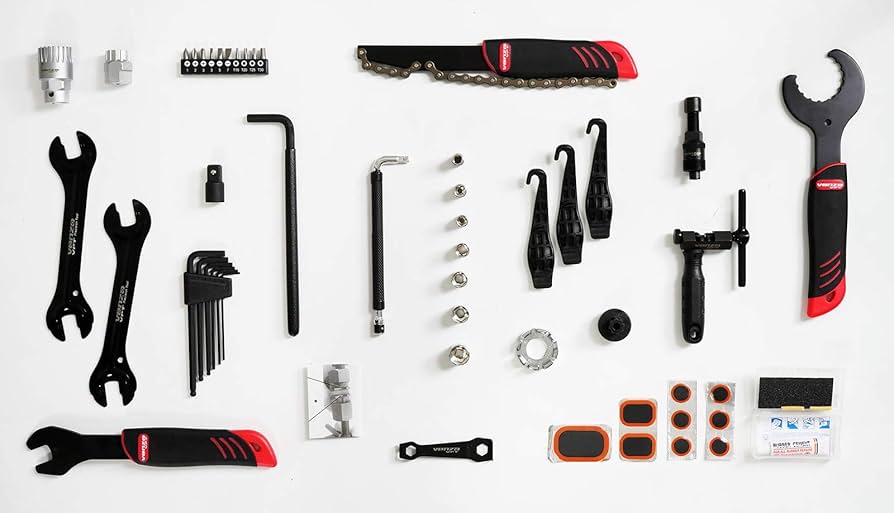
Keeping your bike in top shape doesn’t have to be hard or expensive. You might think you need a garage full of tools, but actually, just a few key items can make all the difference.
Imagine fixing a flat tire or tightening a loose chain yourself—saving time and money while feeling proud of your skills. You’ll discover exactly what tools you need for bicycle maintenance. By the end, you’ll be ready to handle common repairs and keep your bike running smoothly, no matter where your ride takes you.
Keep reading to find out how simple it can be to take control of your bike’s care.

Credit: www.amazon.ca
Basic Bicycle Tools
Basic bicycle tools are essential for every rider. They help fix common problems on the road. Carrying the right tools saves time and frustration. These tools are small, light, and easy to use. They keep your bike in good condition and ready to ride.
Tire Levers
Tire levers help remove the tire from the wheel rim. They make changing a flat tire quick and easy. Most tire levers are made of plastic or metal. Plastic levers are light and won’t damage the rim. Carry two or three tire levers for safety. Use them to lift the tire bead over the rim edge.
Patch Kits
Patch kits fix small punctures in inner tubes. They include patches, glue, and sandpaper. Using a patch kit is faster than replacing a tube. Carry a patch kit for emergencies on your rides. The process is simple: roughen the tube, apply glue, place the patch, and wait to dry.
Mini Pump
A mini pump inflates tires after fixing flats. It is small and fits in a backpack or frame holder. Mini pumps work with different valve types. They help you keep proper tire pressure on the road. Choose a lightweight pump with good air pressure capacity. Practice using it before riding far from home.

Credit: www.amazon.ca
Wrenches And Screwdrivers
Having the right wrenches and screwdrivers in your bicycle maintenance toolkit can save you time and frustration. These tools help you adjust, tighten, or replace various bike parts quickly and efficiently. Without them, simple fixes might turn into hours of struggle.
Allen Wrenches
Allen wrenches, also known as hex keys, are essential for most bike repairs. They fit snugly into hexagonal bolts found on seat posts, brake levers, and many other components. A set with multiple sizes ensures you’re ready for any adjustment.
Think about the last time you needed to adjust your seat height or tighten your handlebars. Having just one Allen wrench wouldn’t have been enough, right? Investing in a compact multi-size set means you carry all you need without clutter.
Adjustable Wrench
An adjustable wrench is your go-to for bolts and nuts of different sizes. It eliminates the need to own many fixed-size wrenches. You can quickly switch between tasks like fixing pedals or loosening wheel nuts.
When I first started bike maintenance, I struggled with carrying too many wrenches. Then I switched to a quality adjustable wrench, and it made roadside repairs easier. Do you want to carry less gear and still get the job done?
Phillips And Flathead Screwdrivers
Both Phillips and flathead screwdrivers play a big role in bike upkeep. They help adjust derailleurs, tighten reflector mounts, and fix accessory brackets. Having both types means you’re ready for most screws on your bike.
Don’t underestimate the power of a good screwdriver. A worn or wrong-sized screwdriver can strip screws and cause more damage. Choose ones with comfortable grips and magnetic tips to hold screws firmly while you work.
Chain Maintenance Tools
Keeping your bike’s chain in top shape is key to smooth rides and longer gear life. Chain maintenance tools make this task easier and more effective. With the right tools, you can clean, repair, and lubricate your chain like a pro.
Chain Cleaner
A good chain cleaner saves you time and effort. It’s designed to remove dirt, grease, and grime trapped between chain links, which water alone can’t handle. You simply fill the device with a cleaning solution, clamp it onto the chain, and pedal backward to scrub the chain inside the cleaner.
Have you noticed your chain skipping or feeling rough? That’s often a sign it needs a thorough cleaning. Using a chain cleaner regularly can prevent buildup that wears down your drivetrain prematurely.
Chain Tool
A chain tool is essential when you need to fix or replace a chain. It pushes out pins that hold the chain links together, allowing you to remove or add links as needed. This tool is compact and easy to carry, making on-the-go repairs possible.
Imagine being stranded on a trail with a broken chain—without a chain tool, your ride could end abruptly. Investing in this tool ensures you’re prepared for unexpected chain issues, saving you time and frustration.
Lubricants
Lubricating your chain reduces friction and prevents rust, extending its lifespan. Choose a lubricant based on your riding conditions: wet lubes for rainy or muddy environments, and dry lubes for dry, dusty trails. Applying too much lube can attract dirt, so use it sparingly.
Do you know how often you should lubricate your chain? Regularly checking and applying lubricant keeps your bike running smoothly and quietly. It’s a small step that makes a big difference in your cycling experience.

Credit: www.amazon.ca
Brake And Gear Tools
Keeping your bike’s brakes and gears in top shape means having the right tools at hand. These tools help you make precise adjustments, replace worn parts, and maintain smooth performance. Without them, you might struggle with noisy brakes or gears that slip just when you need them most.
Cable Cutters
Cable cutters are essential for trimming brake and gear cables cleanly. Regular wire cutters can fray cables, leading to poor performance and safety risks. A good pair of cable cutters ensures a neat cut, making it easier to install new cables or adjust existing ones.
I once tried using regular scissors on a brake cable, and it left jagged ends that kept catching inside the housing. Investing in a quality cable cutter saved me time and hassle on every bike tune-up since then.
Brake Pads
Brake pads are the parts that actually stop your bike, so keeping spares is smart. Different bikes use different pad types, so check what fits your brakes before buying. Having fresh pads on hand means you can replace worn ones quickly, avoiding dangerous ride conditions.
When your brakes start feeling spongy or less responsive, worn pads are often the culprit. Changing them yourself with the right tools can restore your stopping power and confidence on the road or trail.
Derailleur Adjuster
The derailleur adjuster lets you fine-tune gear shifting without removing the wheel or chain. It controls cable tension to align the derailleur perfectly with each gear. This small tool can save you from skipping gears or chain drops during rides.
Once, after a long ride, my gears started slipping badly. Using the derailleur adjuster, I made quick adjustments roadside and got back on track within minutes. How often do you check if your gears shift smoothly before heading out?
Cleaning And Lubrication Supplies
Keeping a bicycle clean and well-lubricated is key to smooth rides. Dirt and grime cause wear and tear on bike parts. Cleaning and lubrication supplies help protect your bike’s moving components. These tools make maintenance easier and extend your bike’s life.
Choosing the right cleaning and lubrication supplies prevents damage and improves performance. Use products made especially for bikes. Avoid harsh chemicals that can ruin parts.
Degreaser
Degreaser removes old oil, dirt, and grease from the chain and gears. A good degreaser cleans deeply without harming bike parts. Use it before applying new lubricant. Spray or soak parts for best results. Rinse thoroughly to avoid residue buildup.
Cleaning Brushes
Cleaning brushes reach tight spots on your bike. Different brush sizes and shapes help clean the chain, cassette, and frame. Soft bristles prevent scratches. Use stiff brushes for tough dirt. Brushes help remove grime that a cloth cannot reach.
Bike-specific Lubricants
Bike-specific lubricants reduce friction and protect metal parts from rust. Use dry lubricants for dusty conditions and wet lubricants for wet weather. Apply lubricant sparingly to avoid attracting dirt. Wipe off excess to keep the chain clean. Proper lubrication keeps your bike running smoothly.
Advanced Repair Tools
Advanced repair tools take your bicycle maintenance beyond the basics. These tools help you handle more complex repairs with precision and ease. Investing in them saves you trips to the bike shop and boosts your confidence in tackling issues on your own.
Torque Wrench
A torque wrench ensures you tighten bolts to the exact specification. Over-tightening can damage components, while under-tightening risks parts coming loose during rides.
Using a torque wrench gives you peace of mind, especially on delicate parts like carbon frames or handlebars. Have you ever wondered why some bolts feel too tight or too loose despite your best effort? This tool solves that problem perfectly.
Spoke Wrench
The spoke wrench is essential for wheel truing. If your wheel wobbles or rubs against brakes, this tool helps adjust spoke tension to straighten it out.
Keeping your wheels true improves ride quality and extends rim life. Regularly checking spoke tension prevents sudden wheel failures that can spoil your ride. Have you checked your spokes lately?
Bottom Bracket Tool
The bottom bracket tool lets you remove and install your bike’s bottom bracket with ease. This part connects your crankset to the frame and needs occasional maintenance or replacement.
Without the right tool, accessing this area can be frustrating and may cause damage. Having a bottom bracket tool in your kit means you’re ready to handle one of the trickiest repairs yourself.
Storage And Organization
Organizing your bicycle tools keeps your workspace neat and efficient. It helps find tools quickly and protects them from damage. Proper storage also saves space and prevents loss of small parts.
Toolbox Options
A sturdy toolbox is essential for storing bike tools safely. Look for one with multiple compartments to separate wrenches, screwdrivers, and other items. Portable toolboxes make it easy to carry tools to different locations. Choose a toolbox with a secure latch to avoid accidental spills.
Magnetic Trays
Magnetic trays hold metal parts and tools firmly during repairs. They prevent screws, nuts, and bolts from rolling away or getting lost. These trays stick to metal surfaces or can sit on your workbench. They are compact and keep small items visible and accessible.
Work Stands
A work stand holds your bike steady while you fix it. It keeps the bike at a comfortable height to reduce strain. Some stands have trays or hooks to keep tools nearby. Using a work stand improves control and makes maintenance easier and faster.
Frequently Asked Questions
What Essential Tools Do I Need For Basic Bike Maintenance?
For basic bike maintenance, get a tire pump, multi-tool, tire levers, chain lubricant, and a patch kit. These tools cover most common repairs and adjustments, ensuring your bike stays in good condition.
How Do I Choose The Right Bike Repair Tools?
Choose tools based on your bike type and maintenance needs. Opt for quality multi-tools, tire levers, and chain cleaners. Reliable tools last longer and make repairs easier, saving time and effort.
Can I Maintain My Bike Without Professional Tools?
Yes, basic bike maintenance requires simple tools like a pump, wrenches, and lubricants. These allow you to fix flats, adjust brakes, and keep the chain clean without professional equipment.
Why Is A Bike Multi-tool Important For Maintenance?
A bike multi-tool combines essential functions like screwdrivers and wrenches. It’s compact and handy for on-the-go repairs, making it indispensable for quick fixes and adjustments during rides.
Conclusion
Having the right tools makes bike care easier and faster. Basic tools like wrenches, tire levers, and a pump keep your bike ready. Cleaning supplies help your bike last longer and work well. Regular maintenance saves money and prevents big problems.
Start with simple tools and add more as you learn. Your bike will stay smooth and safe for every ride. Keep tools organized and use them often. Small efforts bring big rewards for your cycling fun.