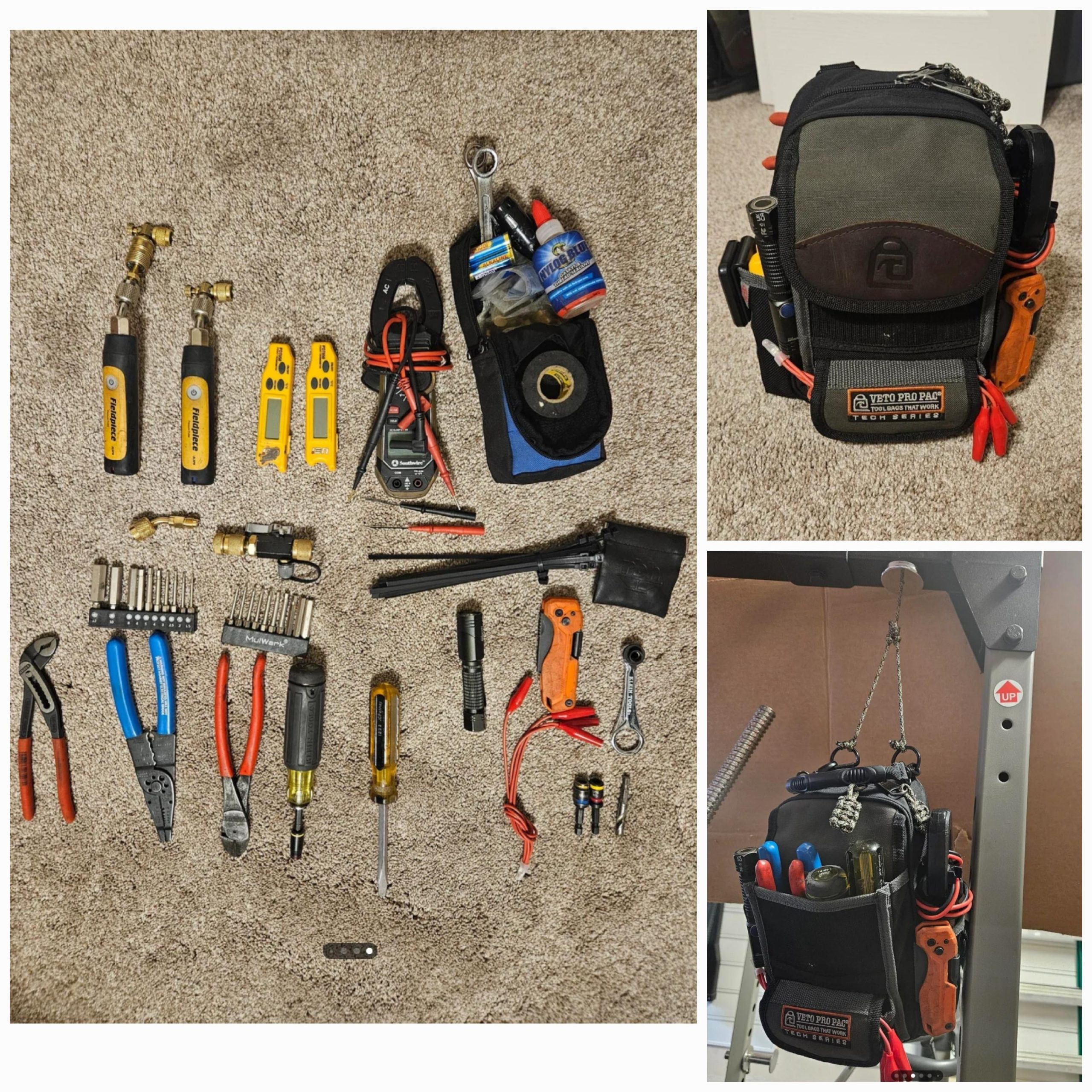
You know how frustrating it can be when a simple repair turns into a long, drawn-out job because you don’t have the right tools at hand. Imagine having everything you need, right where you need it, making your work faster, easier, and more efficient.
This article is exactly what you need to make that happen. Whether you’re new to maintenance or a seasoned pro, discovering the must-have tools will boost your confidence and save you time on every task. Keep reading, and you’ll find out which tools are essential to keep your work smooth and stress-free.

Credit: www.youtube.com
Hand Tools Every Tech Needs
Hand tools form the backbone of every maintenance technician’s toolkit. These tools must be reliable and versatile to handle a wide range of tasks. Having the right hand tools saves time and effort on the job. They also ensure work is done safely and accurately.
Screwdrivers And Wrenches
Screwdrivers are essential for tightening and loosening screws. A good set includes flathead and Phillips head types. Wrenches come in various shapes such as adjustable, combination, and socket wrenches. They help tighten or loosen nuts and bolts of different sizes. Durable materials like steel are preferred for strength and long life.
Pliers And Cutters
Pliers provide a strong grip for holding, bending, and twisting wires or small parts. Needle-nose pliers are ideal for reaching tight spaces. Cutting tools like wire cutters and diagonal cutters help trim wires cleanly. These tools are crucial for electrical and mechanical repairs. Comfort grips reduce hand fatigue during long use.
Hammers And Mallets
Hammers are needed for driving nails and fitting parts together. Claw hammers allow easy nail removal. Mallets, made of rubber or wood, prevent damage when striking delicate surfaces. Choosing the right hammer depends on the task’s force and material. Balanced weight and a sturdy handle improve control and safety.
Power Tools For Efficiency
Power tools are essential for maintenance techs to work faster and smarter. These tools reduce physical effort and increase job precision. Choosing the right power tool improves productivity and quality of work. Efficiency means completing tasks quickly without losing accuracy or safety.
Cordless Drills And Drivers
Cordless drills and drivers offer great flexibility on job sites. They allow techs to work in tight or remote spaces without power cords. Modern models have long-lasting batteries that support extended use. These tools handle drilling holes and driving screws with ease. Lightweight designs reduce fatigue during long tasks.
Angle Grinders
Angle grinders are versatile tools for cutting, grinding, and polishing. They help maintain metal, concrete, and other surfaces quickly. With different discs, techs can smooth rough edges or remove rust efficiently. Compact models provide better control and safety. These tools save time on heavy-duty repairs and fabrication.
Impact Wrenches
Impact wrenches deliver high torque for loosening or tightening bolts. They are perfect for automotive and industrial maintenance jobs. This tool reduces manual strain and speeds up fastener work. Battery-powered versions add mobility and convenience. Impact wrenches improve accuracy in tight spaces and tough conditions.
Measuring And Diagnostic Instruments
Measuring and diagnostic instruments are essential for maintenance technicians. These tools help detect problems early. They ensure machines run smoothly and safely. Accurate measurements prevent costly downtime and repairs. Technicians rely on these instruments every day.
Multimeters And Testers
Multimeters measure voltage, current, and resistance in circuits. They help find electrical faults quickly. Testers check for continuity and electrical safety. Both tools are compact and easy to use. They give instant, reliable readings. Every maintenance tech should carry these instruments.
Thermal Imaging Cameras
Thermal imaging cameras show heat patterns on equipment. They detect overheating parts before failure occurs. These cameras help spot insulation problems and leaks. They work without touching the machine. Thermal images are clear and easy to read. This tool saves time and prevents damage.
Vibration Analyzers
Vibration analyzers measure machine vibrations to find faults. They detect imbalance, misalignment, and worn parts. Early vibration analysis stops breakdowns and extends machine life. The device provides detailed reports for maintenance planning. It is a must-have tool for predictive maintenance.
Safety Gear Essentials
Safety gear is the backbone of any maintenance tech’s toolkit. It guards against injuries and keeps work smooth and steady. Wearing the right safety gear reduces risks from sparks, loud noises, and harmful dust. Each piece of equipment serves a key role in protecting different parts of the body.
Protective Eyewear And Gloves
Eyes and hands face many hazards daily. Protective eyewear shields eyes from flying debris and chemical splashes. Choose glasses that fit well and offer clear vision.
Gloves protect hands from cuts, burns, and electrical shocks. Different jobs need different gloves, such as insulated, cut-resistant, or chemical-resistant types.
Hearing Protection
Loud machines can cause hearing loss over time. Earplugs and earmuffs reduce noise exposure effectively. Select hearing protection based on noise levels and comfort needs.
Regular use prevents long-term damage and keeps focus sharp during tasks.
Respiratory Masks
Dust, fumes, and chemicals can harm lungs. Respiratory masks filter harmful particles and provide clean air. Use masks with the right filters for each environment.
Proper fit ensures maximum protection and comfort during work.
Organizational Tools
Organizational tools help maintenance techs work faster and smarter. These tools keep equipment and supplies neat. They reduce downtime and prevent lost tools. Staying organized makes daily tasks easier. It also improves safety and efficiency on site.
Toolboxes And Bags
Good toolboxes and bags keep tools safe and easy to find. Choose strong, lightweight materials. Many have compartments to separate tools by type. Portable bags help carry tools to different locations. Some toolboxes have lock features for security. Organized storage saves time searching for the right tool.
Labeling And Inventory Systems
Labeling tools and parts helps techs identify items quickly. Use clear, durable labels for long-lasting marks. Barcodes or QR codes work well for inventory tracking. Inventory systems track tool usage and stock levels. They alert when supplies need replenishing. Keeping an updated inventory prevents missing or misplaced tools.
Mobile Apps For Maintenance
Mobile apps support organization and task management. They store equipment details and maintenance history. Some apps create checklists and reminders. Apps allow techs to report issues instantly. Using apps reduces paperwork and improves communication. Many apps sync data across devices for team access.
Specialized Equipment For Specific Tasks
Specialized equipment is essential for maintenance techs who handle diverse tasks requiring precision and safety. These tools are designed to tackle specific challenges, making your work more efficient and reliable. Having the right gear at your disposal can save time and prevent costly mistakes on the job.
Pipe And Tube Tools
Working with pipes and tubes demands tools that fit perfectly and deliver clean results. Tools like pipe cutters, flaring tools, and tube benders help you shape and join pipes without leaks or damage.
For example, a good quality pipe cutter can make a smooth, straight cut in seconds, avoiding the rough edges that cause problems later. Do you have the right tool to handle different pipe materials like copper, steel, or PVC?
Electrical Testing Devices
Electrical systems require careful testing to avoid hazards and ensure everything works as it should. Multimeters, voltage testers, and clamp meters help you measure current, voltage, and resistance accurately.
Using the proper electrical testing devices lets you pinpoint issues quickly and avoid downtime. Have you ever faced a problem that could have been solved faster with the right tester in your toolkit?
Welding And Soldering Gear
Welding and soldering are common tasks in maintenance that need precise heat control and safety measures. A reliable welding machine, soldering iron, and protective gear help you join metals cleanly and safely.
Choosing the right gear for the job can improve the strength and appearance of your repairs. What type of welding or soldering gear suits your daily tasks best, and how often do you update your equipment?
Maintenance Techs’ Tech Accessories
Maintenance techs rely on practical tools to stay effective throughout their workday. Tech accessories support their tasks by improving convenience and efficiency. These tools help keep devices powered, maintain clear communication, and provide real-time data on the go.
Portable Chargers And Batteries
Portable chargers keep devices powered during long shifts. They prevent downtime caused by dead batteries. High-capacity power banks charge phones, tablets, and handheld tools multiple times. Spare batteries for essential devices offer quick replacements without delay. Compact and lightweight designs fit easily in tool bags or pockets.
Wearable Tech
Wearable tech enhances hands-free operation and safety. Smartwatches and fitness trackers monitor health and activity levels. Head-mounted displays provide instant access to manuals and checklists. Gloves with touch-screen compatibility allow device use without removing protection. These gadgets improve mobility and reduce task interruptions.
Communication Devices
Clear communication is vital on job sites. Two-way radios offer reliable contact in noisy environments. Bluetooth headsets enable hands-free calls and quick responses. Rugged smartphones withstand harsh conditions and support multiple apps. Group messaging apps help coordinate team activities efficiently.

Credit: wint.ai

Credit: www.youtube.com
Frequently Asked Questions
What Are Essential Tools For Maintenance Techs?
Essential tools include screwdrivers, pliers, and wrenches for general repairs. A multimeter is crucial for electrical troubleshooting. A flashlight and utility knife are helpful for inspections. Power tools like drills and saws are also vital for efficiency. These tools ensure techs can address a wide range of maintenance tasks effectively.
How Do Multimeters Help Maintenance Techs?
Multimeters are essential for diagnosing electrical issues. They measure voltage, current, and resistance in circuits. This helps techs identify faults quickly. With accurate readings, techs can ensure equipment safety and functionality. Multimeters are indispensable for electrical maintenance, making them a must-have tool in any tech’s kit.
Why Is A Utility Knife Important?
A utility knife is versatile for cutting tasks. It’s used for opening packages, cutting insulation, or trimming materials. Its compact design makes it easy to carry. Sharp blades ensure precision and efficiency. This tool is essential for maintenance techs, facilitating a wide range of repair and installation tasks.
What Power Tools Do Techs Need?
Maintenance techs need power drills, saws, and impact drivers. Power drills are essential for drilling holes and driving screws. Saws help in cutting materials precisely. Impact drivers provide high torque for tough fastening tasks. These tools increase productivity and ensure techs can handle various maintenance challenges efficiently.
Conclusion
Maintenance techs need reliable tools every day. The right tools save time and reduce errors. A good toolkit keeps work smooth and fast. Choose tools that are easy to use and last long. Regular updates to your tools help you stay prepared.
Keep learning about new tools to improve your skills. Simple, solid tools make tough jobs easier. Your work quality depends on the tools you trust. Stay equipped, stay efficient, and work with confidence.