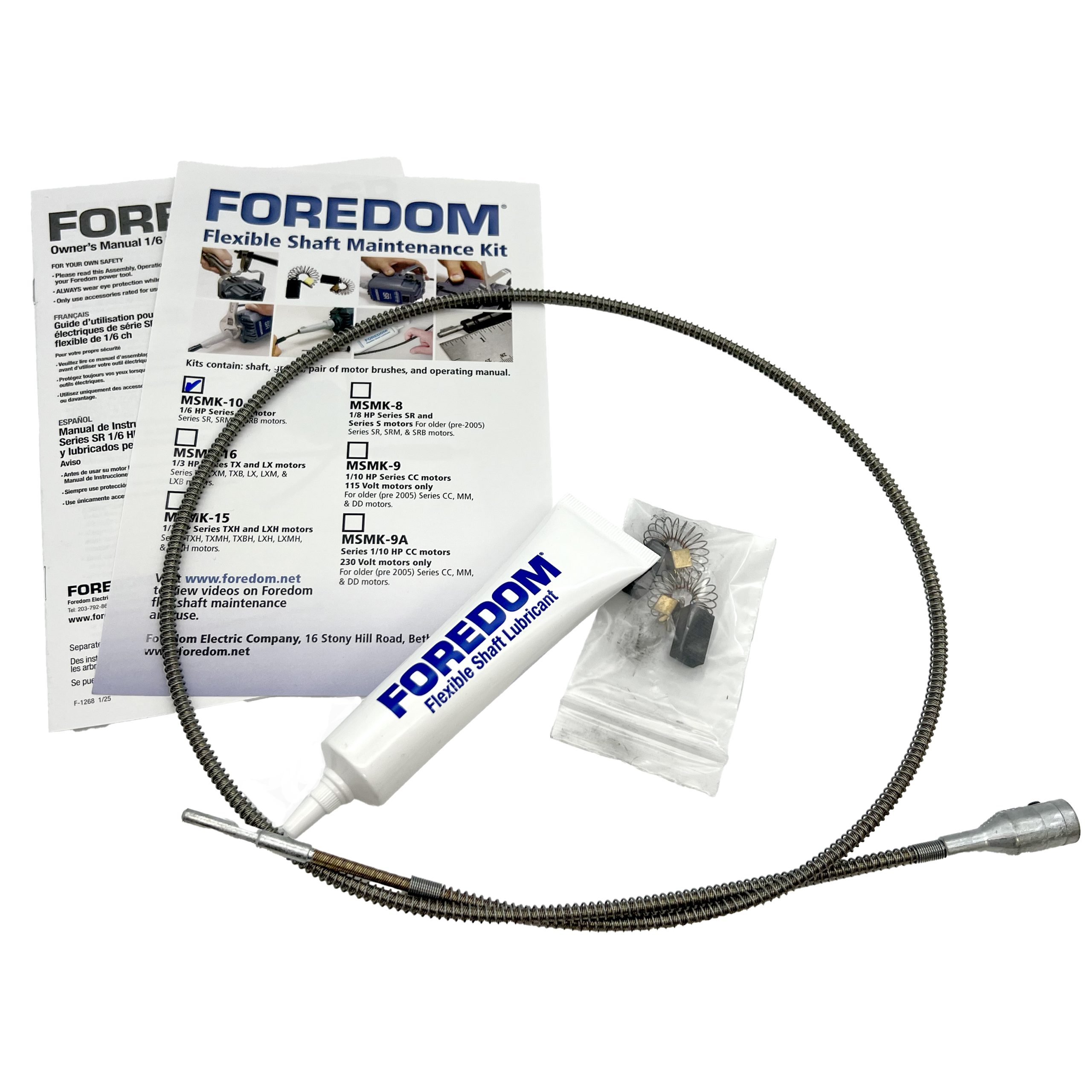
If you use flex-shaft tools, you know how important they are for precision work. But are you giving your tool the care it really needs?
Proper maintenance can save you time, money, and frustration. You’ll discover simple steps to keep your flex-shaft tool running smoothly and lasting longer. Don’t let a small problem turn into a costly repair—read on to learn how to protect your investment and get the best performance every time you work.

Credit: www.amazon.ca
Choosing The Right Flex-shaft Tool
Choosing the right flex-shaft tool can make a huge difference in how smoothly your projects go. These tools come in many shapes and sizes, each designed for specific tasks. Knowing what fits your needs will save you time, effort, and frustration down the road.
Types Of Flex-shaft Tools
Flex-shaft tools vary mainly by their power source and intended use. Some are electric-powered, ideal for continuous work, while others are pneumatic, offering more control and less heat buildup.
- Electric Flex-Shaft Tools:Great for home workshops and hobbyists. They usually come with adjustable speed settings for different materials.
- Pneumatic Flex-Shaft Tools:Preferred in professional settings. They provide higher torque and are lighter to handle, reducing fatigue.
- Miniature Flex-Shaft Tools:Designed for intricate tasks like jewelry making or model building. These are precise but less powerful.
Think about what you mostly work on—do you need power or precision? This will guide your choice significantly.
Key Features To Consider
Before making a purchase, focus on features that impact your daily use. Speed control is critical; you want a tool that adjusts easily from slow to fast depending on the material.
- Flexibility of the Shaft:A more flexible shaft means better maneuverability around tight corners and detailed work.
- Ergonomics:Look for a comfortable grip and balanced weight to avoid hand strain during long sessions.
- Durability:Check the quality of the cable and connectors. A tough build can handle heavy use and last longer.
Have you noticed how some tools just seem to fit your hand perfectly? That comfort translates to better control and better results. What features do you find yourself missing in your current tool?

Credit: www.youtube.com
Routine Cleaning Practices
Routine cleaning keeps flex-shaft tools working smoothly. Dirt and dust build-up can cause wear and reduce tool life. Regular cleaning removes grime and prevents damage. It helps maintain precision and safety during use.
Removing Dust And Debris
Dust and debris collect quickly on flex-shaft tools. Use a soft brush to sweep off loose particles. Compressed air can blow out dust from tight spots. Avoid harsh chemicals that may harm tool surfaces. Clean after every use to stop dirt build-up.
Cleaning The Shaft And Attachments
Wipe the shaft with a clean, dry cloth. For stubborn grime, use a slightly damp cloth. Detach attachments and clean them separately. Soak attachments in mild soap water if needed. Dry all parts completely before reassembling. Proper cleaning keeps parts moving freely.
Lubrication Tips
Proper lubrication keeps flex-shaft tools running smoothly. It reduces friction and prevents wear on moving parts. Regular lubrication extends the tool’s life and improves performance. Understanding the right lubricants and how often to apply them is key to effective maintenance.
Selecting Appropriate Lubricants
Choose lubricants made for flexible shafts or small mechanical parts. Light machine oil or silicone-based lubricants work well. Avoid thick greases that can clog the shaft. Check the tool manual for manufacturer recommendations. Use clean lubricants to prevent dirt build-up and damage.
Frequency And Method Of Lubrication
Lubricate the flex-shaft before each use or after several hours of operation. For heavy use, apply oil more often to keep parts moving freely. Use a small dropper or needle applicator to reach inside the shaft. Rotate the shaft slowly to spread lubricant evenly. Wipe off excess oil to avoid attracting dust.
Inspecting For Wear And Damage
Regularly inspecting your flex-shaft tools for wear and damage is essential to keep them running smoothly and safely. Ignoring small signs of wear can lead to bigger problems, costing you time and money. Taking a few minutes to check your tools can save you from unexpected breakdowns and improve your work quality.
Checking The Flexible Shaft
Start by carefully examining the flexible shaft itself. Look for any visible cracks, frays, or kinks along its entire length. Even small cracks can quickly worsen, reducing the shaft’s flexibility and causing it to fail during use.
Run your fingers gently along the shaft to feel for rough spots or uneven thickness. These could indicate internal damage you can’t see but will affect performance. Have you ever noticed your tool vibrating more than usual? That might be a sign the shaft needs attention.
Examining Attachments And Connectors
Next, inspect all attachments and connectors that join the shaft to the motor and tool bits. Check for looseness, corrosion, or worn threads that can cause poor connections or slipping. Tighten any loose parts, but avoid overtightening as this can strip threads.
Look closely at the collets, chuck, or coupling mechanisms. Dirt or debris buildup here can reduce grip strength and precision. Cleaning these areas with a brush or compressed air often restores proper function without replacing parts.
Proper Storage Techniques
Proper storage techniques play a crucial role in extending the life of your flex-shaft tools. Without the right care, these tools can suffer damage that affects their performance and safety. Storing your flex-shaft correctly prevents common issues like tangling, corrosion, and mechanical wear.
Avoiding Kinks And Bends
Flex-shafts are designed to be flexible, but that doesn’t mean they can handle sharp bends or kinks. These can cause internal wire damage or break the casing, leading to costly repairs or replacements.
When you coil your flex-shaft, make sure the loops are wide and smooth, similar to how you would handle an extension cord. Avoid wrapping it too tightly around objects or forcing it into small spaces. Have you noticed how a tight coil can create permanent creases? That’s exactly what you want to avoid.
Storing In Dry, Safe Areas
Moisture is the enemy of any mechanical tool, including flex-shafts. Storing your tool in a dry area prevents rust and corrosion, which can degrade the internal components and shorten its lifespan.
Choose a storage spot away from heat sources and direct sunlight to avoid material fatigue. A tool box, drawer, or a dedicated hook in a dry workshop corner works well. If you’ve ever experienced a tool that suddenly stopped working after being stored in a damp place, you understand how critical this step is.

Credit: www.foredom.net
Troubleshooting Common Issues
Troubleshooting common issues with flex-shaft tools helps maintain their efficiency. Regular checks can prevent bigger problems. Knowing how to spot and fix small issues saves time and money. Below are key tips to handle usual troubles quickly and safely.
Addressing Unusual Noises
Unusual noises often signal internal problems. Start by turning off the tool and unplugging it. Check for loose parts or worn bearings. Tighten any screws and bolts you find loose. Dirt or debris inside the tool can cause noise. Clean the flex shaft with compressed air or a soft brush. Grease the moving parts if they seem dry. Persistent noise might mean the motor or shaft needs professional repair.
Fixing Reduced Performance
Reduced performance can result from several issues. Inspect the flex shaft for damage or wear. A bent or cracked shaft lowers efficiency. Ensure the tool’s speed control is working properly. Clean the tool’s air vents to prevent overheating. Replace worn brushes or damaged parts promptly. Lubricate the tool regularly to keep it running smoothly. If performance stays low, check the power supply or consider expert service.
When To Seek Professional Help
Knowing when to seek professional help is key for maintaining flex-shaft tools. Some issues need expert attention to avoid further damage. Early intervention saves time and money.
Recognizing Major Malfunctions
Major malfunctions usually cause noticeable changes in tool performance. Loud noises, overheating, or unusual vibrations signal trouble. If the tool stops working suddenly, it may need professional repair. Damage to the flexible shaft or motor requires expert care. Ignoring these signs can worsen the problem.
Finding Reliable Repair Services
Choose repair services with good reviews and experience with flex-shaft tools. Look for technicians who use genuine parts and offer warranties. A trustworthy service center ensures proper diagnosis and safe repairs. Ask about repair costs and turnaround times before committing. Proper repair extends tool life and maintains performance.
Frequently Asked Questions
How Often Should I Clean My Flex-shaft Tool?
Regular cleaning of your flex-shaft tool is essential for optimal performance. Ideally, clean it after every use to prevent dust and debris buildup. This ensures the tool operates smoothly and extends its lifespan. Regular maintenance helps identify any potential issues early, keeping your tool in top condition.
What Lubricant Should I Use For Flex-shaft Tools?
Using a high-quality tool lubricant is crucial for your flex-shaft tool. Choose a lubricant specifically designed for rotary tools. It reduces friction and prevents overheating. Apply it sparingly to the shaft and moving parts. This keeps the tool running smoothly and efficiently, enhancing its longevity.
How Can I Prevent Overheating In Flex-shaft Tools?
Preventing overheating is vital for the durability of flex-shaft tools. Ensure proper ventilation during use and avoid overloading the tool. Regular breaks during extended use help cool down the motor. Clean the tool regularly to prevent dust buildup, which can cause overheating.
Why Is My Flex-shaft Tool Vibrating?
Excessive vibration in your flex-shaft tool may indicate a few issues. Check for loose parts or misaligned attachments. Ensure the shaft is properly lubricated and balanced. Regular maintenance and timely repairs can prevent vibration, ensuring a smooth operation and prolonging the tool’s lifespan.
Conclusion
Regular care keeps flex-shaft tools working well for years. Clean the tool after each use to avoid dirt buildup. Check the shaft and connections often for any signs of wear. Lubricate moving parts to reduce friction and protect from damage.
Store tools in a dry place to prevent rust. Small steps like these save money and time on repairs. A well-maintained flex-shaft tool stays safe and performs better. Keep these tips in mind for smooth, trouble-free work. Simple care makes a big difference in tool life.