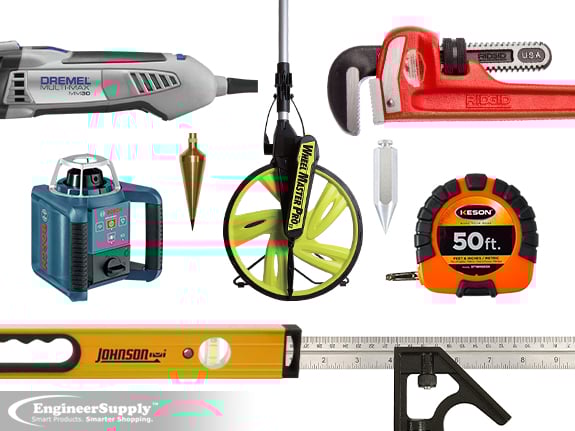
Have you ever wondered what tools maintenance workers rely on every day to keep things running smoothly? Whether it’s fixing a leaky pipe, repairing electrical faults, or maintaining machinery, the right tools make all the difference.
Knowing which tools they use can help you understand how problems get solved quickly and efficiently. You’ll discover the essential tools maintenance workers depend on—and why each one is so important. Keep reading, and you might even find a few handy tools to add to your own toolbox.

Credit: intrasafe.co.za
Common Hand Tools
Common hand tools form the backbone of any maintenance worker’s toolkit. These tools are essential for everyday repairs and adjustments, allowing you to handle a variety of tasks quickly and efficiently. Understanding which hand tools are must-haves can save you time and frustration on the job.
Wrenches And Pliers
Wrenches and pliers come in different shapes and sizes, each designed for specific tasks. Adjustable wrenches let you tighten or loosen bolts of varying sizes without switching tools. Needle-nose pliers are perfect when you need to grip small objects or reach tight spaces.
Have you ever struggled to remove a stuck bolt? Using the right wrench can make the difference between a quick fix and a long, frustrating job. Keep a set of combination wrenches and locking pliers handy—they’re versatile and reliable.
Screwdrivers And Hammers
Screwdrivers are indispensable for driving screws, and having the right type prevents damage to screw heads. Flathead and Phillips screwdrivers cover most needs, but having a few precision screwdrivers expands your options. Meanwhile, hammers are not just for pounding nails; a claw hammer can also pull out nails and pry apart materials.
Think about the last time a loose screw caused a bigger problem. Did you have the right screwdriver to fix it quickly? Carrying a hammer and multiple screwdrivers ensures you’re always prepared for common repairs.
Measuring Tools
Accurate measurements are crucial in maintenance work to avoid costly mistakes. Tape measures and rulers help you check dimensions precisely, while calipers provide more detailed measurements for small parts. A level is key for checking if surfaces or installations are perfectly horizontal or vertical.
When was the last time a project went wrong because something was off by just a little? Reliable measuring tools help you avoid those errors and get the job done right the first time.
Power Tools
Power tools are essential in a maintenance worker’s toolkit. They make tasks faster and more efficient, saving your energy and time. Understanding the types of power tools and their uses helps you choose the right one for each job.
Drills And Impact Drivers
Drills are the go-to tool for creating holes and driving screws. They come with adjustable speed settings and various drill bit sizes to handle different materials. Impact drivers deliver higher torque, making them perfect for tightening or loosening tough screws and bolts.
If you’ve ever struggled with a stripped screw, an impact driver can be a real lifesaver. Have you noticed how much easier a high-torque tool makes your work? Choosing between a drill and an impact driver depends on the specific task and material you’re working with.
Saws And Grinders
Saws cut through wood, metal, and plastic quickly and accurately. Circular saws and reciprocating saws are common choices for maintenance workers. Grinders, on the other hand, are ideal for smoothing surfaces, cutting metal, and removing rust or paint.
Using a grinder taught me how important control and safety are when working with fast-spinning discs. Are you prepared to handle these tools safely while maintaining precision? Picking the right blade or disc type can make a huge difference in the quality of your work.
Cordless Vs. Corded Tools
Cordless power tools offer great mobility and convenience. You can move freely without worrying about finding an outlet or tripping over cords. However, their battery life limits how long you can use them continuously.
Corded tools provide constant power and are often more powerful than their cordless counterparts. If your job requires long hours or heavy-duty work, corded tools might be more reliable. How do you balance freedom of movement with power needs in your daily tasks?
Diagnostic Equipment
Diagnostic equipment is vital for maintenance workers to find problems quickly. It helps check machines and systems for faults. These tools save time and ensure safety. They provide clear data about the condition of equipment. Maintenance workers rely on accurate information to fix issues before they get worse.
Multimeters And Testers
Multimeters measure electrical values like voltage, current, and resistance. They help check if circuits work correctly. Testers are simple tools to find power or continuity. Both tools detect electrical faults fast. They are small and easy to carry. Workers use them to avoid electrical hazards.
Thermal Cameras
Thermal cameras show heat patterns in machines and wiring. Hot spots can indicate problems like overheating or poor connections. These cameras detect issues invisible to the naked eye. They help prevent fires and equipment damage. Thermal cameras provide quick, clear images. They are essential for regular inspections.
Vibration Analyzers
Vibration analyzers measure vibrations in motors and equipment. Abnormal vibrations can signal wear or imbalance. These tools help spot mechanical faults early. They reduce downtime by guiding timely repairs. Vibration data helps maintain smooth operation. Workers use them to keep machines running longer.
Safety Gear
Safety gear is essential for maintenance workers. It protects them from injuries and dangerous situations. Wearing the right safety equipment reduces risks on the job. Proper gear ensures workers stay safe and healthy every day.
Protective Clothing
Protective clothing shields the body from cuts, burns, and chemicals. Common items include:
- Coveralls or work uniforms
- Flame-resistant jackets
- High-visibility vests for low-light conditions
- Waterproof outerwear for wet environments
This clothing must fit well and allow easy movement. It forms the first line of defense against hazards.
Gloves And Eye Protection
Gloves protect hands from sharp objects, chemicals, and heat. Types vary by task:
- Rubber gloves for chemical handling
- Leather gloves for heavy lifting
- Cut-resistant gloves for sharp tools
Eye protection prevents injuries from flying debris and liquids. Workers use safety goggles or face shields. These protect vision in dangerous environments.
Hearing Protection
Loud noises can damage hearing permanently. Maintenance workers use hearing protection to avoid this. Common equipment includes:
- Earplugs made from foam or silicone
- Earmuffs that cover the entire ear
Wearing hearing protection reduces noise exposure and prevents hearing loss.
Specialized Maintenance Tools
Specialized maintenance tools help workers fix specific problems quickly and safely. These tools are designed for tasks that need precision and strength. They make repairs easier and improve the quality of work. Using the right tool saves time and reduces damage to equipment.
Pipe Wrenches And Cutters
Pipe wrenches hold and turn pipes tightly. They come in different sizes for various pipe diameters. Their strong grip helps loosen or tighten pipe joints without slipping. Pipe cutters make clean cuts on pipes. They work faster than saws and create smooth edges. These tools are essential for plumbing and pipe repair jobs.
Electrical Testing Instruments
Electrical testing instruments check voltage, current, and resistance. They help find faults in wiring and devices. Common tools include multimeters and voltage testers. These instruments ensure electrical systems are safe to use. They prevent accidents by detecting problems early. Maintenance workers rely on them for quick electrical diagnostics.
Lubrication Equipment
Lubrication equipment applies grease or oil to machines. Proper lubrication reduces friction and wear on moving parts. Tools like grease guns and oil cans deliver lubricant precisely. Regular lubrication extends machine life and improves performance. Maintenance workers use these tools to keep equipment running smoothly.

Credit: www.foodengineeringmag.com
Tool Storage And Organization
Keeping your tools neatly stored and well-organized can save you hours on the job. When tools are easy to find, you spend less time searching and more time fixing. Efficient tool storage also protects your gear from damage and extends its lifespan.
Toolboxes And Bags
Toolboxes are a classic choice for maintenance workers. They come in various sizes and materials, from lightweight plastic to heavy-duty metal. A well-chosen toolbox can hold everything from screwdrivers to power tools, keeping them secure and ready to use.
Tool bags offer flexibility and portability. They often have multiple compartments and pockets, making it easy to separate small parts and hand tools. If you move around a lot during your workday, a sturdy tool bag can keep your essentials close without feeling bulky.
Mobile Carts
Mobile carts bring your tools directly to the work site. These carts often have wheels and multiple shelves, so you can carry a wide range of equipment at once. Imagine reducing trips back and forth to your storage area—this can speed up your workflow significantly.
Some carts come with locking drawers to keep expensive tools safe. Others have built-in power strips to charge cordless tools on the go. What features would make your mobile cart the most useful during your daily tasks?
Labeling Systems
Labels are simple but powerful tools for organization. Clear labels on drawers, bins, and shelves can help you quickly identify where each tool belongs. This prevents clutter and keeps your workspace tidy.
Consider color-coded labels to separate different types of tools or projects. You might also use label makers or even smartphone apps to create custom tags. How much time could you save if every tool was exactly where you expected it to be?

Credit: www.scribd.com
Frequently Asked Questions
What Are Common Tools For Maintenance Workers?
Maintenance workers commonly use wrenches, screwdrivers, and pliers. These tools help with general repairs and adjustments. Power drills and saws are also essential for more extensive tasks. Additionally, multimeters are used for electrical troubleshooting. Each tool serves a specific purpose, making maintenance work efficient and effective.
How Do Maintenance Workers Use Multimeters?
Maintenance workers use multimeters for electrical inspections. They measure voltage, current, and resistance in circuits. This ensures electrical systems function correctly. Multimeters help diagnose electrical issues quickly. By using multimeters, workers prevent potential hazards and maintain safety. They’re essential for accurate electrical troubleshooting and maintenance.
Why Are Power Drills Essential For Maintenance?
Power drills are essential for efficient maintenance tasks. They help with drilling holes and driving screws. Power drills save time and effort compared to manual tools. They’re versatile and can handle various materials. For maintenance workers, power drills increase productivity and ensure precision in repairs.
How Do Pliers Assist Maintenance Workers?
Pliers assist maintenance workers with gripping, twisting, and cutting tasks. They’re versatile and handy for various repairs. Pliers are essential for manipulating wires and small parts. They offer precision and control in tight spaces. With pliers, maintenance workers perform tasks efficiently and accurately.
Conclusion
Maintenance workers use many tools to keep things running well. Wrenches, screwdrivers, and drills are common in their toolkit. They also rely on measuring devices and safety gear. Each tool helps solve different problems quickly and safely. Knowing these tools helps understand the work behind repairs.
Good tools make maintenance easier and faster. Workers stay prepared to fix issues anytime. Tools and skills together keep buildings and machines working smoothly. This is the key to reliable maintenance work.