
Is your maintenance shop’s tool room a constant source of frustration? Finding the right tool quickly can feel like searching for a needle in a haystack, wasting your valuable time and slowing down your work.
Imagine a tool room where every item has its place, and you can grab exactly what you need in seconds. You’re about to discover simple, effective ways to organize your tool room that will save you time, reduce stress, and boost productivity.
Keep reading to transform your cluttered space into a well-oiled machine that works for you.
Assessing Tool Room Needs
Assessing your tool room needs is the foundation of organizing an efficient maintenance shop. Without a clear understanding of what tools you have, who uses them, and how they flow through your workspace, chaos can quickly take over. This assessment helps you make informed decisions about storage, accessibility, and replenishment.
Evaluating Tool Inventory
Start by taking a detailed inventory of every tool in your shop. Count each item, note its condition, and identify duplicates or obsolete tools. This step uncovers hidden clutter and reveals which tools are essential versus which ones are rarely used.
Consider creating a simple table to track tool name, quantity, condition, and last usage date. This visual helps you spot gaps or excesses in your stock. Have you ever searched for a tool only to find multiple broken versions? This evaluation prevents that frustration.
Identifying Frequent Users
Knowing who uses which tools regularly helps tailor your organization system. Talk to your maintenance team and ask which tools they rely on daily. This insight guides where to place tools for quick access.
Frequent users often develop preferences for tool types and setups. Listening to their feedback can reveal bottlenecks or safety concerns you might miss. Could relocating a tool closer to its primary user save time and reduce wear?
Analyzing Workflow Patterns
Observe how tools move during maintenance tasks. Map out the common workflows and note where tools are picked up, used, and returned. This process highlights inefficiencies like tools stored far from their point of use.
Try tracking a typical maintenance job from start to finish. Which tools are needed first? Which ones are only used occasionally? Arranging the tool room to match these patterns minimizes unnecessary steps.
What changes in your workflow could make tool handling smoother? Sometimes small adjustments in layout or labeling can lead to big improvements in productivity.
Designing The Layout
Designing the layout of your tool room is a critical step to ensure smooth maintenance operations. A well-planned layout not only saves time but also improves productivity by keeping everything in its right place. Think about how often you’ve lost valuable minutes searching for a tool—this setup can help change that.
Maximizing Space Efficiency
Start by measuring your tool room’s dimensions carefully. Use vertical space by installing wall-mounted racks or pegboards. Shelving units with adjustable heights help store different tool sizes without wasting space.
Group similar tools together to avoid clutter. For example, keep all electrical tools on one shelf and mechanical tools on another. This simple practice reduces the time spent searching and keeps your work area tidy.
Ensuring Easy Accessibility
Place frequently used tools within arm’s reach. Tools used less often can be stored higher or deeper in cabinets. Clear labeling on drawers and shelves helps you find items quickly without unnecessary digging.
Consider the flow of your work process. Position tool stations near the work areas where they’ll be used most. Ask yourself: Does this layout let you grab the tool you need without walking across the room?
Incorporating Safety Measures
Keep sharp or heavy tools stored securely to prevent accidents. Use lockable cabinets for hazardous materials and ensure proper ventilation if chemicals are stored nearby. Bright lighting reduces mistakes and hazards by improving visibility.
Mark clear pathways between storage units to avoid tripping. Think about your personal experience—have you ever stumbled over a misplaced tool? Designing with safety in mind means fewer injuries and a more efficient workspace.
Choosing Storage Solutions
Choosing the right storage solutions is key to an organized tool room. Proper storage keeps tools safe, easy to find, and extends their life. Consider storage options that fit the size and type of your tools. A well-planned system reduces clutter and saves time during maintenance tasks.
Selecting Shelving And Cabinets
Shelving and cabinets provide structured storage for various tools. Use heavy-duty shelves for large or heavy equipment. Cabinets with lockable doors offer security for valuable tools. Adjustable shelves help store items of different sizes. Clear labeling on shelves and cabinets improves quick access. Metal or plastic shelves resist damage and last longer.
Using Tool Shadow Boards
Tool shadow boards keep tools visible and organized. Each tool has a marked spot, making it easy to spot missing items. This method speeds up tool return and reduces loss. Use bright backgrounds and clear outlines for easy identification. Hang boards on walls near workstations for convenience. Shadow boards also help maintain tool condition by preventing clutter.
Implementing Mobile Storage Units
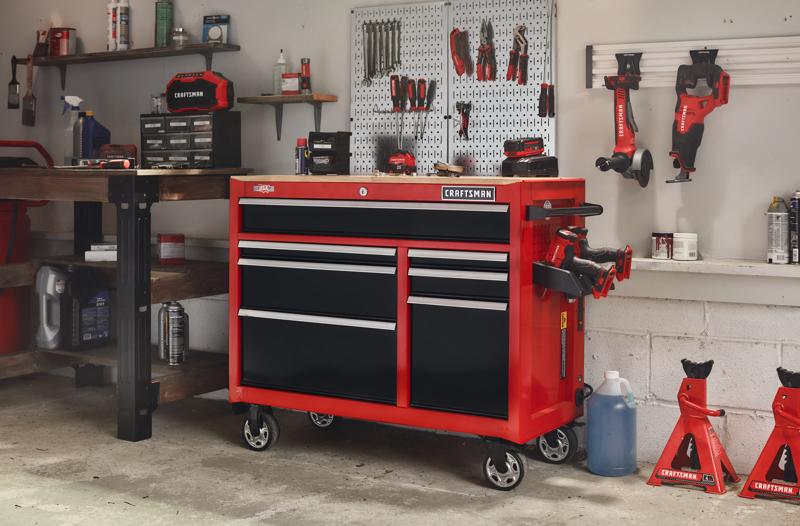
Mobile storage units add flexibility to the tool room setup. These units can move to where work happens, saving steps. Use rolling carts or toolboxes with wheels for easy transport. Mobile units often have drawers and compartments for small parts. They are ideal for urgent repairs or jobs in different areas. Choose durable wheels and handles for smooth movement.
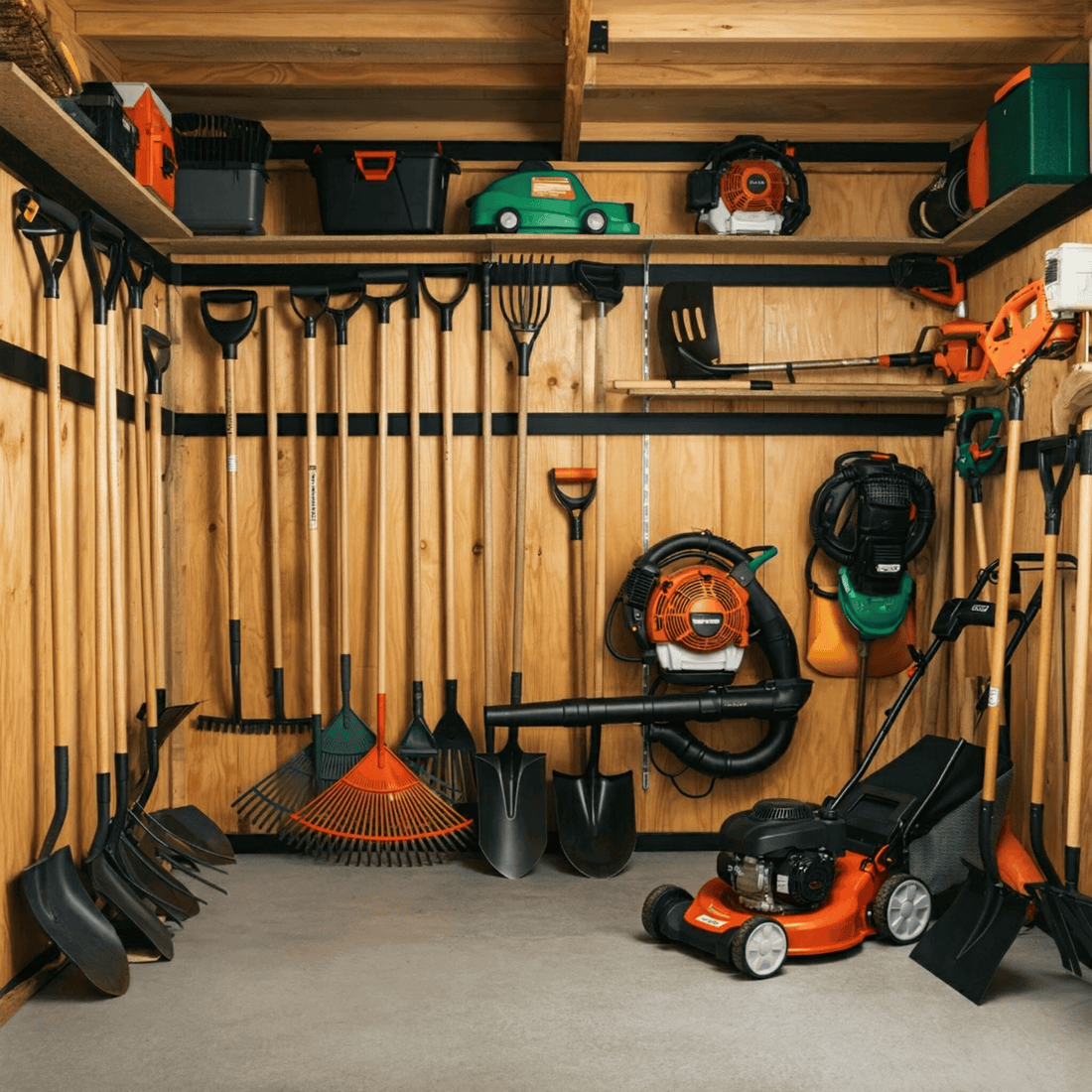
Credit: trimyxs.com
Labeling And Categorizing Tools
Labeling and categorizing tools is a crucial step in organizing your maintenance shop’s tool room. It saves time, reduces frustration, and helps maintain order. When each tool has a clear place and label, you can quickly find what you need and keep track of inventory.
Developing A Labeling System
Start by creating a consistent labeling system that everyone can understand. Use clear, simple words that describe the tool or its location. Avoid overly technical terms that might confuse new team members.
Consider including important details on each label, like tool size, type, or part number. Durable labels that resist wear and tear are essential in a busy workshop. You might use laminated tags or printed adhesive labels to ensure longevity.
Grouping Tools By Function
Organize your tools based on how you use them rather than just their size or shape. Grouping all cutting tools, measuring devices, or electrical tools together makes your workflow smoother. When tools are grouped logically, you spend less time searching and more time working.
Ask yourself how often you use certain tools together and place those near each other. This approach also helps new employees learn where everything belongs quickly.
Color Coding Techniques
Color coding adds a visual layer of organization that’s easy to follow. Assign different colors for each category or department to make identification faster. For example, red labels for electrical tools and blue for plumbing keeps everything clear at a glance.
Use colored tape, paint, or stickers on tool handles or storage bins. This method reduces errors, like grabbing the wrong tool, and helps keep the tool room tidy. What colors would make the most sense for your specific setup?
Implementing Inventory Management
Implementing inventory management in your maintenance shop’s tool room is essential for keeping operations smooth and efficient. Without a clear system, tools can get misplaced, overused, or fall out of calibration, leading to costly downtime. Setting up organized inventory practices helps you stay on top of tool availability, condition, and usage patterns.
Tracking Tool Usage
Keeping track of who uses which tool and when is vital. You can set up a simple sign-out sheet or use barcode scanning to monitor tool checkouts. This way, you know exactly where each tool is and who is responsible for it, reducing losses and unnecessary replacements.
Think about the last time you searched for a missing wrench only to find it in the wrong toolbox. Tracking usage cuts down on this wasted time and improves accountability. It also helps identify if certain tools are overused and might need replacement sooner.
Scheduling Maintenance And Calibration
Tools need regular maintenance and calibration to perform accurately and last longer. Create a calendar or checklist to remind you when each tool needs servicing. This prevents unexpected failures and ensures tools meet safety and quality standards.
For instance, precision measuring instruments require calibration at specific intervals. Without a schedule, you might unknowingly rely on faulty readings, risking costly errors. Maintaining this discipline keeps your work reliable and your team confident in the tools they use.
Using Software For Inventory Control
Software solutions can simplify managing your tool room inventory, especially if your shop handles many tools. Inventory control software allows you to track tools in real-time, generate reports, and set alerts for maintenance.
Choosing the right software depends on your shop’s size and complexity. Some programs integrate with barcode scanners or RFID tags to speed up check-ins and check-outs. Investing in this technology can save hours of manual work and reduce human error.

Credit: www.bostontec.com
Establishing Tool Checkout Procedures
Establishing a solid tool checkout procedure is key to maintaining order in your maintenance shop’s tool room. It ensures tools are tracked accurately, reduces losses, and holds users accountable. Without a clear system, you risk wasting time and money searching for missing equipment or replacing damaged items unnecessarily.
Setting Clear Policies
You need to define who can check out tools and under what conditions. Specify the maximum duration for tool use and the steps for returning them. Clear policies prevent confusion and help everyone understand their responsibilities.
Think about including rules such as:
- Only authorized personnel can borrow tools.
- Tools must be returned clean and in good condition.
- Late returns could result in temporary suspension of checkout privileges.
When I implemented such policies in my previous shop, the number of misplaced tools dropped noticeably within weeks.
Recording Tool Assignments
Keeping an accurate log of who has which tool at any time is essential. Use a digital system or a simple sign-out sheet to record tool assignments. This creates accountability and makes it easier to track tools.
Consider tracking these details:
- Tool name and ID number
- Employee name
- Date and time of checkout and return
- Condition of tool before and after use
This record helps you identify patterns, such as frequent users or recurring damages, and adjust your policies accordingly.
Handling Lost Or Damaged Tools
Addressing lost or damaged tools quickly protects your shop’s resources. Set clear consequences for loss or damage, like replacement fees or mandatory training on proper tool use. Communicate these consequences upfront to avoid surprises.
If a tool is lost or broken, have a procedure for reporting it immediately. This allows you to act fast—either by finding the tool or ordering a replacement—to avoid delays in maintenance work.
Ask yourself: How do you currently handle tool damage? Could a clearer process reduce misunderstandings and costs in your shop?
Training And Accountability
Training and accountability form the backbone of an organized tool room in any maintenance shop. Without clear knowledge and a sense of responsibility, even the best systems can fail. You need your team not only to know how to handle tools properly but also to own their role in keeping the tool room efficient and secure.
Educating Staff On Tool Room Practices
Start by providing hands-on training tailored to your specific tools and processes. Show your team how to check tools for damage, clean them, and store them correctly. When people understand why each step matters, they take it more seriously.
Don’t just rely on a one-time training session. Refresh skills regularly and update your staff whenever new tools or procedures come in. This keeps everyone sharp and ready to maintain high standards.
Encouraging Responsibility
Make each team member accountable for the tools they use. Assign specific tools or sections of the tool room to individuals. This creates ownership and reduces the chance of tools going missing or being misused.
Encourage your staff to report problems immediately. Whether a tool is broken or missing, early reporting can prevent bigger issues. Consider small rewards or recognition for those who consistently follow procedures—it motivates everyone to stay responsible.
Conducting Regular Audits
Schedule regular audits to check tool inventory and condition. Use a checklist to make sure no item slips through the cracks. These audits help spot problems early and keep your records accurate.
Involve your team in the audit process. This transparency builds trust and reinforces the importance of accountability. Ask yourself: Are you using audits as a learning tool or just a way to find fault?
Maintaining Cleanliness And Order
Maintaining cleanliness and order in your maintenance shop’s tool room is essential for efficiency and safety. A clutter-free space helps you find tools quickly and reduces the risk of accidents. It also extends the life of your equipment by preventing damage caused by dirt and improper storage.
Implementing Daily Cleanup Routines
Start each day with a quick cleanup to keep your tool room organized. Set aside 10-15 minutes at the beginning or end of your shift for tasks like wiping down surfaces, putting tools back in their designated spots, and disposing of trash.
This small daily habit prevents mess from piling up and makes your workspace more inviting. Ask yourself: how much time do you waste searching for tools in a disorganized room?
Scheduling Deep Cleaning
Plan regular deep cleaning sessions to tackle dirt and grime that daily routines miss. This could be weekly or monthly, depending on how heavily your shop is used.
During these sessions, move large equipment to clean floors thoroughly, check for worn-out tools, and reorganize storage areas. Deep cleaning helps you spot potential problems before they escalate.
Promoting A Culture Of Organization
Encourage everyone in your team to take responsibility for keeping the tool room tidy. Clear labeling, easy-to-follow storage systems, and visible checklists can motivate consistent order.
Lead by example—show how taking care of tools and space benefits everyone’s workday. When was the last time you noticed a colleague leaving tools out? How could you help change that habit?
Upgrading And Improving Continuously
Keeping your maintenance shop’s tool room efficient requires more than just a one-time setup. Continuous upgrading and improvement help you stay ahead of challenges and adapt to changing needs. This approach ensures your workspace remains organized, safe, and highly functional over time.
Gathering Feedback From Users
Your team uses the tools daily. Their insights are invaluable for spotting what works and what doesn’t. Ask them regularly about tool accessibility, storage issues, or any suggestions they have.
Try simple methods like quick surveys or informal chats. You might discover that some tools are hard to find or that certain storage areas feel cluttered. Acting on this feedback can lead to immediate improvements that make everyone’s job easier.
Adopting New Technologies
Technology in tool management is evolving fast. Consider digital inventory systems that track tools in real-time and alert you when items are missing or need maintenance. These systems reduce loss and save time spent searching.
Look into smart storage solutions such as RFID-tagged tool racks or automated dispensers. These upgrades can cut down on errors and improve accountability. Are you ready to test a new tech solution that fits your shop’s scale?
Reviewing Processes Periodically
Set regular intervals to review your tool room’s organization. This helps you catch inefficiencies before they become problems. Check if your current layout still matches the workflow and if safety standards are upheld.
Use these reviews to update procedures or rearrange storage based on recent changes in tool types or usage patterns. A fresh look often reveals small tweaks that make a big difference in productivity and orderliness.
Credit: www.craftsman.com
Frequently Asked Questions
How To Categorize Tools In A Maintenance Tool Room?
Categorize tools by type, function, and frequency of use. Use labels and color codes for easy identification. This method improves efficiency and reduces time spent searching for tools.
What Are The Best Storage Solutions For Tool Rooms?
Use pegboards, shelving units, and tool cabinets for organized storage. Clear bins and drawer dividers help keep small parts sorted. Proper storage prevents damage and ensures quick access.
How Often Should A Maintenance Tool Room Be Cleaned?
Clean the tool room weekly to maintain order and safety. Regular cleaning prevents dust buildup and tool deterioration. It also helps identify missing or damaged tools promptly.
Why Is Tool Inventory Management Important In Maintenance?
Inventory management tracks tool availability and usage. It reduces loss, prevents overbuying, and ensures tools are ready when needed. Accurate records improve maintenance efficiency and budgeting.
Conclusion
Organizing a tool room in a maintenance shop boosts efficiency. Neat spaces save time and reduce stress. Proper labeling helps everyone find tools quickly. Regular cleaning keeps the area tidy and safe. Use shelves and pegboards to maximize space. Invest in storage bins for small items.
Allocate specific zones for different tool types. Clear paths improve movement and access. Encourage teamwork to maintain order. A well-organized tool room supports smooth operations. It also enhances productivity. Lastly, remember to review and update your system regularly. A little effort goes a long way in keeping things efficient.