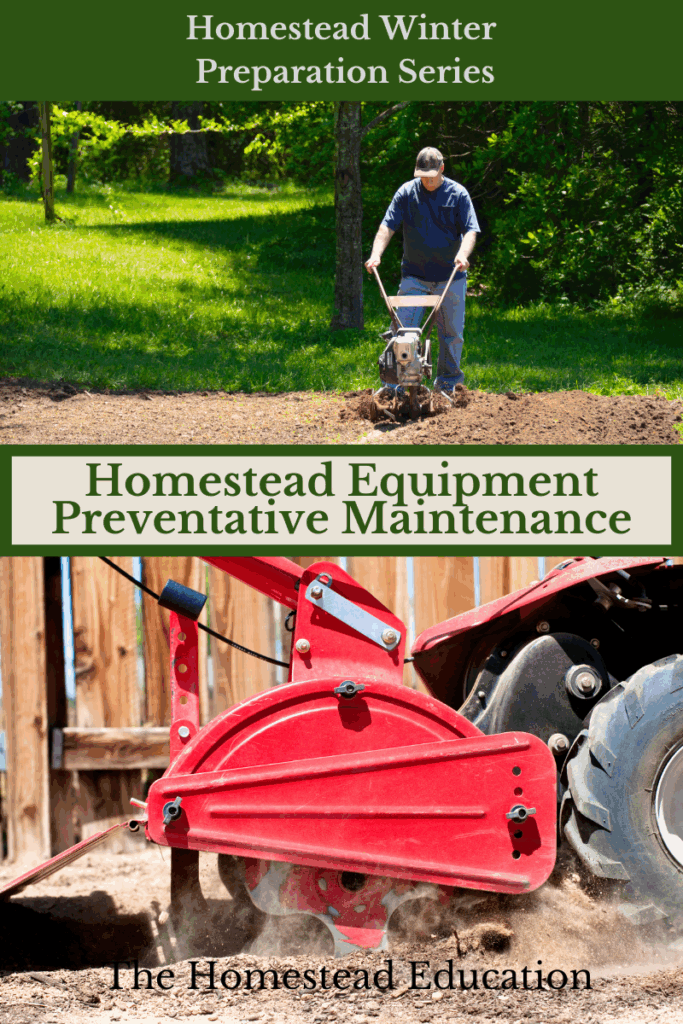
If you own a farm or work in agriculture, you know how important your tools and equipment are to your success. But have you ever thought about how keeping them in top shape can save you time, money, and headaches?
Preventive maintenance is the secret to making sure your machines run smoothly when you need them most. You’ll discover which farm tools and equipment need regular care and how simple steps can protect your investment. Keep reading to learn how to avoid costly repairs and keep your farm working like a well-oiled machine.
Common Farm Tools
Farm tools are the backbone of everyday agricultural work. Keeping them in good condition ensures your tasks run smoothly and saves you from unexpected breakdowns. Understanding which tools need preventive maintenance helps you plan better and avoid costly repairs.
Hand Tools
Hand tools like shovels, hoes, and pruners require regular cleaning and sharpening. Dirt and rust can quickly reduce their effectiveness and lifespan. Have you noticed how a sharp hoe cuts through soil much easier than a dull one? That’s why a quick sharpen after every few uses makes a big difference.
Check wooden handles for cracks or splinters that could cause injury or break during use. Applying linseed oil can keep the wood strong and prevent drying out. Don’t overlook tightening any loose screws or bolts on tools like shears—it keeps them safe and reliable.
Power Tools
Power tools such as tillers, chainsaws, and motorized sprayers demand more frequent and detailed maintenance. Fuel residues and dirt can clog engines, so cleaning air filters and checking spark plugs regularly is crucial. Ask yourself: when was the last time you checked your tiller’s oil level? Neglecting this can lead to engine failure.
Inspect cords and batteries for damage before each use to avoid accidents. Storing power tools in a dry, sheltered place helps prevent rust and electrical issues. Keeping a maintenance log for each tool can help you track service dates and spot patterns before problems arise.
Credit: www.mchpartsnyc.com
Key Farm Equipment
Key farm equipment plays a crucial role in the success and efficiency of any agricultural operation. These machines handle heavy workloads and face tough conditions daily. Keeping them in good shape through preventive maintenance saves you from unexpected breakdowns and costly repairs.
Tractors
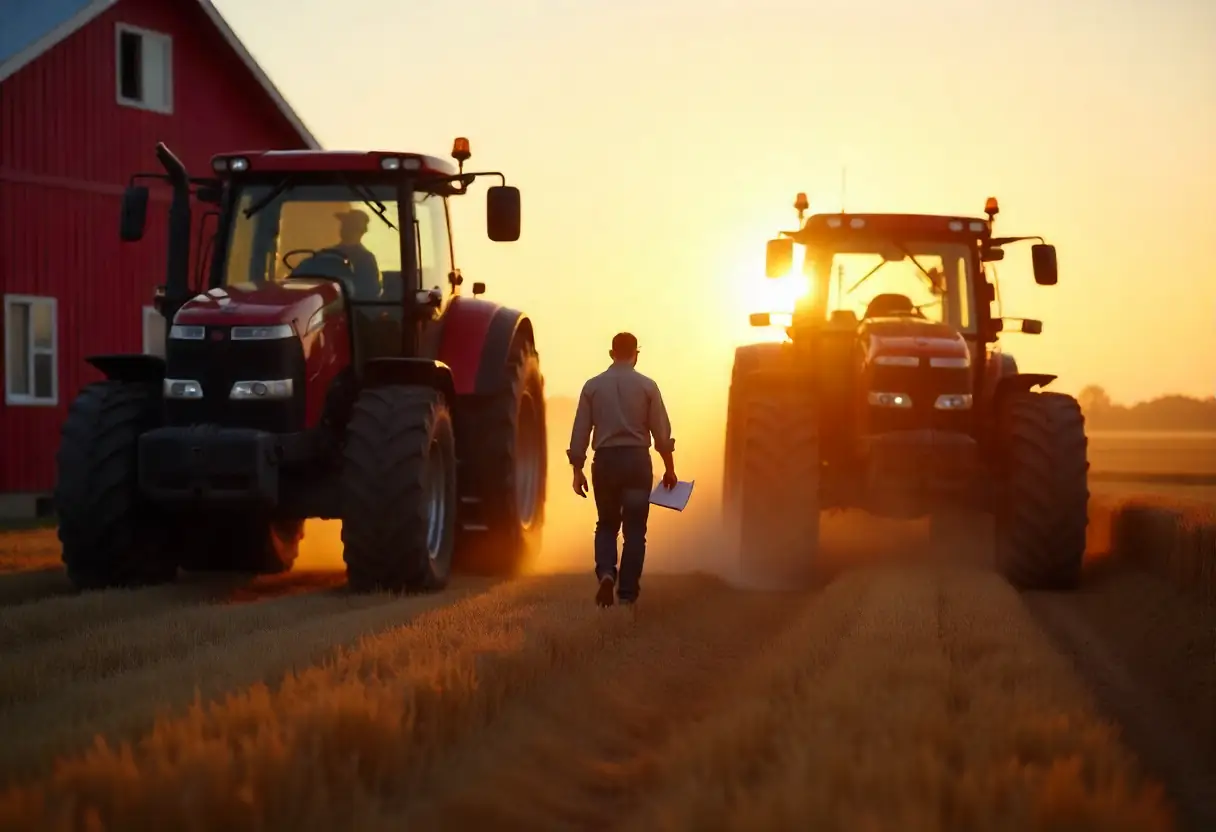
Tractors are the backbone of most farms. They handle tasks like plowing, planting, and hauling. Regular checks on the engine oil, filters, and tire pressure keep your tractor running smoothly.
Have you noticed how a small oil leak can turn into a major engine problem? Catching such issues early prevents downtime during critical planting or harvesting periods.
Harvesters
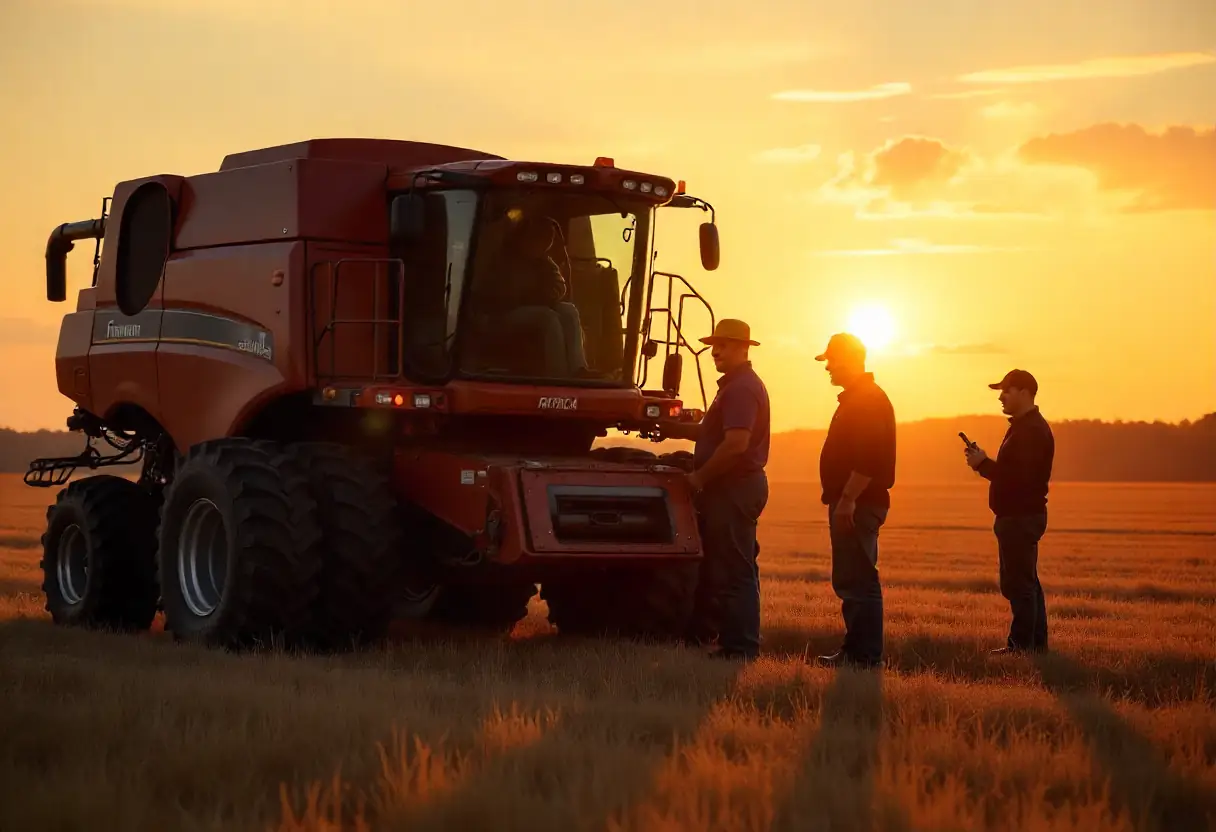
Harvesters work hard during peak seasons, cutting and collecting crops quickly. Their blades, belts, and hydraulic systems need frequent inspection to avoid jams and breakdowns.
Don’t wait for a harvester to stop mid-field. Clean the cutting parts and lubricate moving components regularly. This simple habit can extend the life of your machine and save hours of lost work.
Irrigation Systems
Irrigation systems keep crops healthy by delivering water efficiently. Pipes, pumps, and valves require routine checks to prevent leaks and blockages.
Have you ever lost crops due to uneven watering? Maintaining your irrigation system ensures water reaches every part of your field, maximizing growth and saving water. Small fixes now prevent large-scale damage later.
Signs Of Wear And Tear
Farm tools and equipment show signs of wear and tear over time. These signs indicate the need for preventive maintenance. Detecting early signs can save costs and prevent breakdowns. Regular checks help keep machines working efficiently and safely.
Visual Inspections
Look closely at the equipment for visible damage. Cracks, rust, and dents are common signs of wear. Check hoses and belts for fraying or cracking. Loose bolts or parts can cause serious problems. Clean dirt and debris to spot hidden issues. Regular visual checks catch damage before it worsens.
Performance Issues
Notice any drop in equipment performance or unusual noises. Slow operation or difficulty starting are warning signs. Vibrations or shaking during use suggest parts may be worn out. Increased fuel or power consumption can indicate inefficiency. Addressing these issues early avoids major repairs and downtime.
Routine Maintenance Tasks
Routine maintenance tasks keep farm tools and equipment working well. Regular care prevents breakdowns and extends machine life. These tasks help farmers save money and avoid delays in work.
Cleaning And Lubrication
Cleaning removes dirt, mud, and debris from tools and machines. Dirt can cause parts to wear out quickly. Use water and brushes to clean surfaces thoroughly. After cleaning, dry the equipment well to stop rust.
Lubrication reduces friction between moving parts. Use oil or grease on joints, bearings, and gears. Proper lubrication stops parts from wearing out too fast. Check the equipment manual for the right type of lubricant. Regular lubrication keeps machines running smoothly and quietly.
Sharpening And Adjustments
Sharp blades cut crops and soil better. Dull blades make work harder and damage plants. Use a file or grinder to sharpen cutting tools often. Check the edges to keep them sharp and safe.
Adjustments keep equipment working correctly. Check belts, chains, and screws for tightness. Loose parts cause poor performance and damage. Follow the manufacturer’s instructions to adjust settings. Proper adjustments improve efficiency and reduce fuel use.
Seasonal Maintenance Tips
Seasonal maintenance keeps farm tools and equipment in top shape. Regular checks prevent breakdowns and costly repairs. Each season requires specific care steps. These help extend equipment life and boost farm productivity.
Pre-planting Checks
Before planting season, inspect all tools carefully. Look for worn parts, leaks, and loose bolts. Clean blades and sharpen cutting edges for better performance. Check tire pressure on tractors and trailers. Test engine oil and replace if dirty. Fill fuel tanks with fresh fuel. Grease moving parts to reduce friction. Confirm all safety guards are in place. Test electrical components like lights and sensors. Make sure sprayers and seeders work smoothly.
Post-harvest Care
After harvest, clean equipment thoroughly. Remove dirt, crop residues, and debris. Drain fuel from small engines to avoid gum buildup. Change engine oil and replace filters. Inspect belts and hoses for cracks or wear. Lubricate chains, gears, and bearings. Store tools in a dry, sheltered spot. Cover machinery to protect from dust and moisture. Check batteries and recharge if needed. Plan repairs or part replacements before winter.
Credit: www.mchpartsnyc.com
Safety Practices
Safety practices are essential when maintaining farm tools and equipment. These practices protect you from injuries and ensure your tools last longer. Ignoring safety can lead to accidents that not only harm you but also disrupt your farm work.
Proper Handling
Handling farm tools correctly reduces the risk of accidents. Always hold tools firmly and carry sharp equipment with the blade facing down. Avoid rushing; taking a moment to focus can prevent slips and drops.
Think about how you use your tools daily. Are you treating them with care, or do you sometimes take shortcuts? Proper handling includes checking tools for damage before use and using the right tool for the job.
Use Of Protective Gear
Wearing protective gear is a simple step that makes a big difference. Gloves protect your hands from cuts and blisters, while safety glasses shield your eyes from flying debris. Boots with good grip prevent slips, especially on wet or uneven ground.
Have you ever underestimated the importance of a simple pair of gloves? I once ignored this and ended up with a painful hand injury that kept me from working for days. It’s a reminder that protective gear isn’t optional—it’s a must.
Make it a habit to put on the necessary protective gear every time you use or maintain your equipment. This small action can save you from serious harm.
Benefits Of Preventive Maintenance
Preventive maintenance is more than just a routine task—it’s a smart investment in your farm’s future. Taking care of your tools and equipment before problems arise saves you time, money, and frustration. Have you ever faced unexpected breakdowns right in the middle of planting or harvesting? Preventive maintenance helps you avoid those costly surprises and keeps your operations running smoothly.
Cost Savings
Regular upkeep of farm equipment prevents small issues from turning into expensive repairs. Imagine catching a worn-out belt early instead of replacing an entire engine. This proactive approach reduces the need for emergency fixes, which often come with high labor and parts costs.
You also avoid downtime, which can delay critical farming activities. When your machines work without interruption, you save on both repair bills and lost productivity. Isn’t saving money while keeping your farm efficient a win-win?
Extended Equipment Life
Preventive maintenance keeps your tools and machines running longer. Simple tasks like cleaning filters, lubricating moving parts, and checking fluid levels prevent wear and tear. This means you get more years out of every tractor, plow, and harvester.
Think about how much you’ve invested in your equipment. Maintaining it well protects that investment and delays the need for costly replacements. Wouldn’t you rather spend a little time now than buy new machines sooner?
Record Keeping
Keeping detailed records of your farm tools and equipment maintenance is essential. It helps you track what has been done and what still needs attention. Without proper records, you risk missing critical upkeep that can lead to costly repairs or downtime.
Maintenance Logs
Maintenance logs are your farm’s health diary. They document every oil change, blade sharpening, or part replacement you perform. Keeping these logs updated allows you to spot patterns—like which machines need repairs more often—and plan better.
Imagine realizing after a breakdown that you skipped a simple grease job months ago. A maintenance log prevents this by reminding you exactly when and what was last done. You can use a notebook, spreadsheet, or specialized apps designed for farm equipment.
Scheduling Inspections
Scheduling regular inspections ensures no piece of equipment gets forgotten. Set fixed dates or intervals based on hours of use or seasons. This way, you catch wear and tear before it turns into bigger problems.
Think about how easy it is to overlook a quick check when you’re busy harvesting. A schedule acts as a reliable checklist, keeping you on track. You can use calendars, alarms, or digital tools to remind you of upcoming inspections.
What’s your current system for keeping up with tool maintenance? Could a simple log or inspection schedule save you time and money?

Credit: www.farmbrite.com
Frequently Asked Questions
What Farm Tools Need Regular Preventive Maintenance?
Farm tools like tractors, plows, harvesters, and irrigation pumps require regular preventive maintenance. This ensures efficiency, prevents breakdowns, and extends their lifespan. Regular checks of oil, filters, belts, and blades keep these tools in optimal condition for farm operations.
How Often Should Farm Equipment Undergo Preventive Maintenance?
Farm equipment should undergo preventive maintenance every 3 to 6 months or based on usage hours. High-use machinery may need more frequent checks. Following manufacturer guidelines and seasonal schedules helps maintain performance and prevents costly repairs.
Why Is Preventive Maintenance Vital For Farm Machinery?
Preventive maintenance reduces unexpected breakdowns, improves safety, and increases equipment lifespan. It ensures optimal functioning and saves money by avoiding expensive repairs. Regular maintenance also enhances fuel efficiency and productivity during critical farming periods.
What Are Common Preventive Maintenance Tasks For Farm Tools?
Common tasks include oil changes, filter replacements, lubrication, belt inspections, blade sharpening, and checking hydraulic systems. Cleaning and tightening bolts also prevent wear and tear. These simple tasks keep equipment running smoothly and avoid downtime.
Conclusion
Regular maintenance keeps farm tools working well. It prevents breakdowns. Saves money and time. Tools like tractors and plows need attention. Check oil levels. Tighten loose bolts. Clean tools after use. Store them properly. A little care goes a long way.
It ensures tools last longer. Farmers can work efficiently. Avoid unexpected repairs. Keep a checklist handy. Regular checks improve productivity. Happy farming!