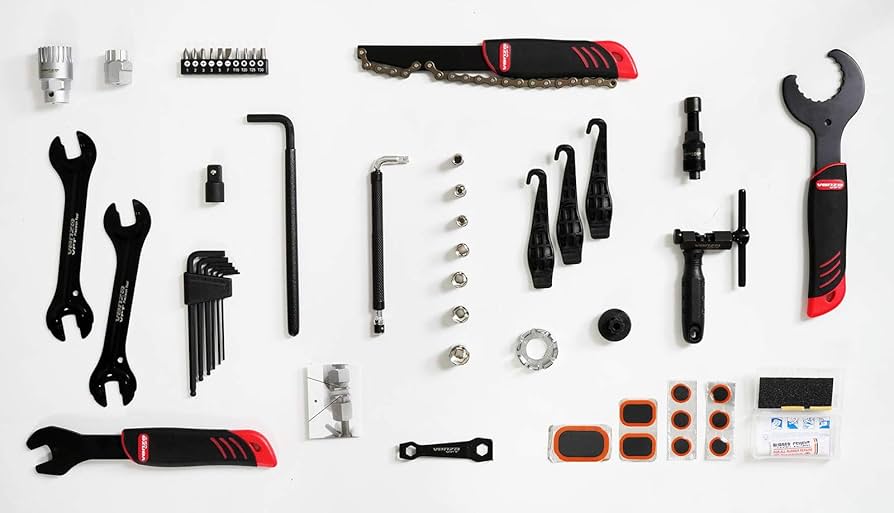
Are you tired of struggling with your bike when it needs a quick fix? Knowing the right tools for bike maintenance can save you time, money, and frustration.
Imagine being able to handle common repairs yourself and keep your bike running smoothly every ride. You’ll discover exactly what tools you need to make bike maintenance simple and stress-free. Whether you’re a beginner or just want to upgrade your toolkit, this guide will help you feel confident and ready to tackle any bike problem.
Keep reading to find out how to take control of your bike’s care today.
Basic Bike Maintenance Tools
Keeping your bike in good shape means having a few essential tools ready. Basic bike maintenance tools help you fix common problems quickly and keep your ride smooth. You don’t need a full workshop, just a handful of key items that fit easily in a backpack or bike pouch.
Tire Levers
Tire levers are small but powerful tools that make removing your bike tire easier. Without them, you risk damaging the tube or tire when changing a flat. They’re usually made of plastic to avoid scratching the rim and come in sets of two or three.
Have you ever struggled to get your tire off after a puncture? Tire levers save you time and frustration, especially on the roadside. Keep them handy, so a flat tire doesn’t ruin your ride.
Bike Pump
A reliable bike pump is a must-have. It helps you maintain the correct tire pressure for a comfortable and safe ride. Pumps vary in size—from compact hand pumps perfect for on-the-go to larger floor pumps better suited for home use.
Think about how often you check your tire pressure. A pump nearby encourages regular inflation, preventing flats and improving your bike’s performance. What kind of pump do you prefer for your rides?
Patch Kit
A patch kit is a lifesaver when you get a flat tire far from help. It usually includes patches, glue, and sandpaper to repair holes in your inner tube quickly. Carrying one means you can fix the puncture and keep going without buying a new tube immediately.
Have you ever had to walk your bike back because of a small hole? A patch kit can save you from that hassle. Knowing how to use it gives you confidence to handle unexpected flats anywhere.
Wrenches And Screwdrivers
Wrenches and screwdrivers are essential for any bike maintenance toolkit. They help you tighten bolts, adjust components, and keep your bike running smoothly. Having the right tools makes repairs easier and saves you time on the road.
Allen Keys
Allen keys, also called hex wrenches, are vital for most bike repairs. You’ll find hex bolts everywhere on your bike, from the seat post to the brakes. A good set of Allen keys in various sizes lets you tighten or loosen these bolts without stripping them.
Choose keys with a comfortable grip for better control. Have you noticed how a loose seat bolt can ruin your ride? Allen keys stop that problem fast.
Adjustable Wrench
An adjustable wrench is a versatile tool that fits many bolt sizes. Instead of carrying multiple wrenches, one adjustable wrench can handle different nuts and bolts on your bike. It’s perfect for the occasional repair when you don’t have a full set of tools.
Make sure the wrench fits snugly on the bolt to avoid rounding it off. Do you struggle with tight nuts on your bike? This tool gives you the leverage you need.
Phillips And Flathead Screwdrivers
Both Phillips and flathead screwdrivers are necessary for your bike toolkit. You’ll use them to adjust derailleur screws, tighten reflector mounts, and fix other small parts. A set with different sizes ensures you have the right fit for each screw type.
Keep your screwdrivers in good shape—worn tips can damage screws and make adjustments harder. When was the last time you checked your bike’s screws? A quick turn with the right screwdriver can prevent bigger issues later.
Lubricants And Cleaners
Keeping your bike running smoothly depends a lot on using the right lubricants and cleaners. These products not only protect your bike’s moving parts but also extend their life and improve performance. Without proper care, dirt and rust can quickly wear down your components, making rides less enjoyable and more costly in the long run.
Chain Lubricant
Your bike chain faces constant friction and exposure to the elements. Applying a good chain lubricant reduces wear and prevents rust. You’ll find lubricants designed for wet or dry conditions—choose one that fits where you ride most often.
Think about how often you clean your chain. If you ride daily, a light lubricant applied regularly keeps things smooth. For casual riders, a thicker lube might last longer between applications. Have you noticed your chain squeaking? That’s your cue to add lubricant.
Degreaser
Grease and grime build up on your bike’s drivetrain quickly. A quality degreaser helps break down this buildup without damaging components. Look for a biodegradable option; it’s safer for the environment and still effective.
I once skipped degreasing my bike for months, and shifting became jerky and slow. After a thorough degrease, it felt like a brand-new ride. How long has it been since you gave your bike a deep clean?
Cleaning Brushes
Cleaning brushes reach places your hands can’t. Different shapes and sizes tackle everything from the chainrings to the spokes. A stiff-bristle brush is perfect for removing stubborn dirt, while softer brushes protect delicate parts.
Investing in a set of brushes makes maintenance less of a chore. You’ll spend less time scrubbing and more time riding. Which part of your bike do you find hardest to clean?

Credit: www.amazon.ca
Specialized Repair Tools
Specialized repair tools are essential if you want to keep your bike in top shape without relying on a mechanic for every little fix. These tools are designed for specific tasks that general tools can’t handle effectively. Having them on hand saves you time, money, and frustration, especially during unexpected repairs on the road.
Chain Breaker
A chain breaker is a must-have if you need to fix or replace your bike chain. It allows you to push out pins and remove chain links without damaging the chain itself. I once got stranded miles from home because my chain snapped, but with a chain breaker in my kit, I was able to repair it quickly and get back on the road.
Using a chain breaker can seem tricky at first, but with a bit of practice, you’ll find it straightforward and rewarding. It also lets you customize your chain length, which is helpful if you upgrade your drivetrain.
Spoke Wrench
A spoke wrench is small but powerful. It helps you tighten or loosen the spokes on your wheel to maintain proper tension and true your wheels. Riding with loose or uneven spokes can cause wheel wobble, making your ride less efficient and more dangerous.
Have you ever noticed your wheel rubbing against the brake pads? That’s often a sign that your spokes need adjustment. A spoke wrench lets you fix this at home, extending the life of your wheels and improving ride quality.
Cable Cutters
Cable cutters are designed to cut brake and gear cables cleanly. Regular pliers can crush or fray cables, leading to poor performance or even failure. Investing in a good pair of cable cutters ensures smooth, precise cuts that help your shifting and braking work perfectly.
When I first tried cutting cables without the right tool, I ended up with a frustrating mess and had to buy new cables. Don’t make the same mistake—get cable cutters to save yourself time and hassle.
Storage And Organization
Keeping your bike tools neat and easy to find saves time and frustration. Organized storage helps protect your tools and keeps your workspace clean. A tidy setup makes bike maintenance more enjoyable and efficient.
Toolbox Options
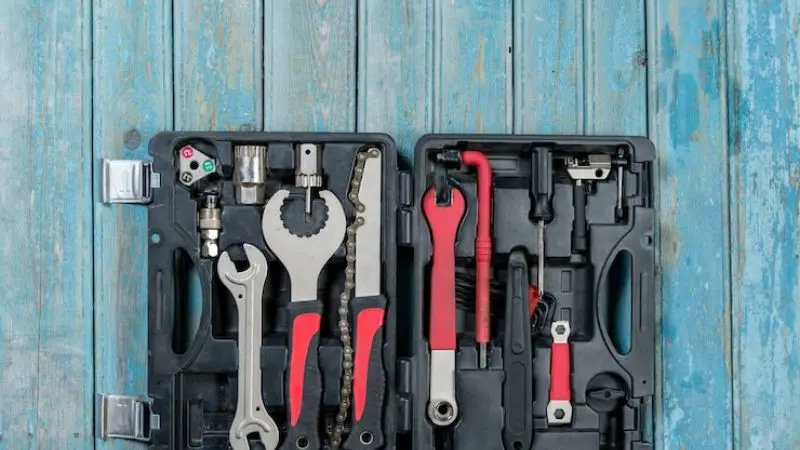
A good toolbox keeps all your tools in one spot. Choose a toolbox with compartments to sort small parts. Plastic or metal boxes work well, depending on your budget. Portable toolboxes help if you travel with your bike.
Work Stand
A work stand holds your bike steady during repairs. It also keeps your tools close at hand. Look for stands with adjustable height for comfort. Some stands include trays or hooks for organizing parts.
Magnetic Trays
Magnetic trays hold screws, nuts, and bolts securely. They prevent small parts from getting lost while you work. Place trays near your workspace or attach them to the stand. Magnetic trays are simple but very useful for organization.

Credit: cyclingmagazine.ca
Safety Gear For Maintenance
Maintaining your bike can be rewarding, but safety should never take a backseat. Using the right safety gear protects you from common hazards like grease, sharp tools, and flying debris. Even simple precautions can make your maintenance time safer and more comfortable.
Gloves
Wearing gloves shields your hands from cuts, scrapes, and harmful chemicals like degreasers and lubricants. Choose gloves that fit well and offer good grip, so you don’t lose control of tools or bike parts. I once skipped gloves and ended up with a painful cut that slowed down my project—don’t make the same mistake.
Look for nitrile or latex gloves for light tasks. For heavier work, thicker mechanic gloves provide better protection and durability. Remember, clean gloves are just as important; replace them if they get torn or soaked with oil.
Eye Protection
Eye protection is crucial when you’re working with sprays, rust, or any parts that might snap or fly off unexpectedly. Safety glasses or goggles keep dust, dirt, and chemicals from irritating or injuring your eyes. Have you ever felt something hit your eye during a quick repair? It’s uncomfortable and could cause serious damage.
Pick glasses with side shields for full coverage. If you wear prescription glasses, consider over-the-glasses goggles or prescription safety glasses. Your eyes are invaluable; protecting them is worth every bit of effort.
Choosing Quality Tools
Choosing the right tools for bike maintenance is more than just picking what looks good or fits your budget. The quality of your tools directly affects how well you can care for your bike and how long those tools will last. Investing in reliable tools can save you time, frustration, and even money in the long run.
Material And Durability
Look for tools made from high-grade steel or chrome-vanadium alloy. These materials resist rust and wear, so your tools stay effective over time.
Handle grips matter too. Rubber or ergonomic handles give you better control and comfort during repairs.
Have you ever struggled with a tool that bent or broke mid-repair? Choosing durable materials prevents that hassle and keeps your bike maintenance on track.
Brand Recommendations
Brands like Park Tool, Shimano, and Topeak have earned trust in the cycling community. Their tools often come with warranties and are tested by professionals.
Reading reviews and asking fellow cyclists can point you to brands that balance quality and price well.
Would you rather spend extra on a trusted brand or risk buying cheaper tools that might fail at a critical moment?
Budget Considerations
Quality tools don’t always mean breaking the bank. Start with essential items like a good multi-tool and tire levers before expanding your collection.
Consider buying sets that offer several tools at a discount, but make sure you actually need each piece.
Ask yourself which tools you’ll use most often and prioritize those in your budget. This way, you avoid clutter and wasted money.
Credit: www.vevor.com
Frequently Asked Questions
What Basic Tools Are Essential For Bike Maintenance?
Essential bike tools include a set of Allen wrenches, tire levers, a pump, a chain tool, and screwdrivers. These tools cover most common repairs and adjustments, making bike maintenance easier and more efficient.
How Do I Choose The Right Bike Repair Kit?
Choose a repair kit with durable, versatile tools like multi-size wrenches, tire levers, and a mini pump. Ensure it fits your bike type and includes essentials for emergency fixes on the road.
Why Is A Bike Chain Tool Important?
A bike chain tool helps remove and install chains for cleaning or replacement. It is crucial for maintaining smooth gear shifts and prolonging the chain’s life.
Can I Maintain My Bike With Just A Multi-tool?
A multi-tool is handy for quick fixes but may lack specialized tools. For thorough maintenance, additional tools like a floor pump and chain cleaner are recommended.
Conclusion
Keeping your bike in top shape requires the right tools. A basic toolkit can handle most maintenance tasks. Tire levers, a pump, and a multi-tool are essentials. Use a chain cleaner and lubricant for smooth rides. Don’t forget a repair stand for easy access.
Investing in quality tools saves time and effort. It also ensures your bike stays safe. Regular maintenance extends your bike’s life. Happy cycling!