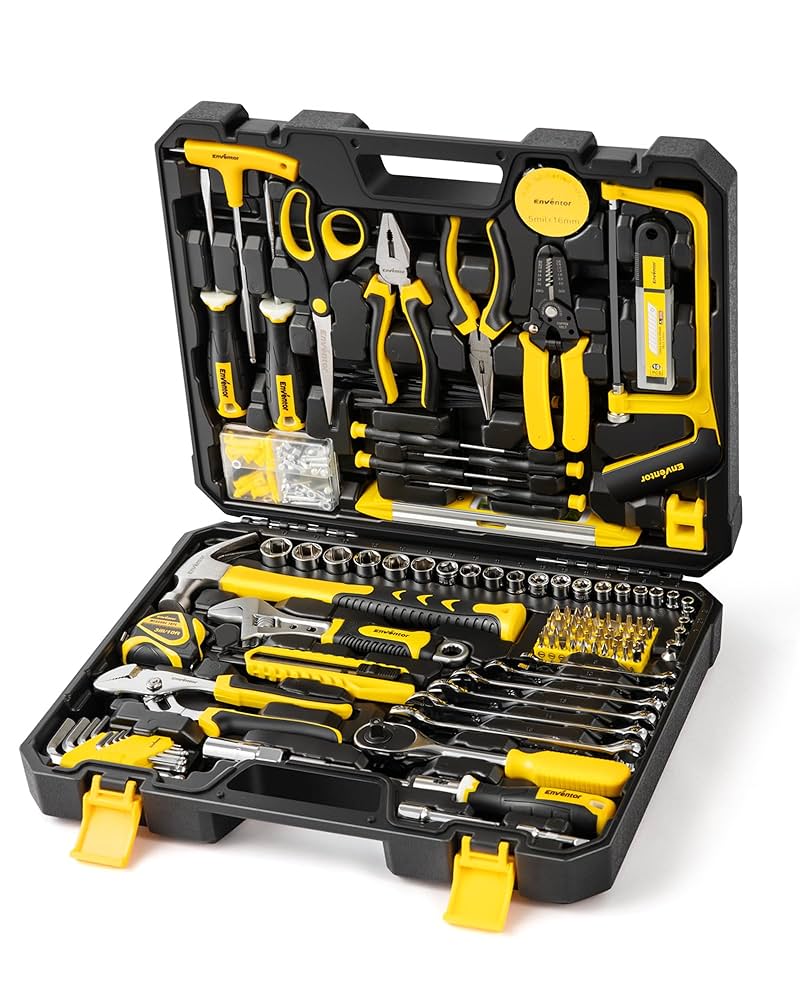
Are you ready to tackle any repair or fix that comes your way? Having the right tools is the key to making your job easier, faster, and more effective.
But with so many options out there, which tools should a maintenance man really have in his kit? Whether you’re just starting out or looking to upgrade your collection, this guide will help you discover the essential tools that every maintenance professional needs.
Keep reading, and you’ll be equipped to handle any challenge with confidence and skill.
Basic Hand Tools
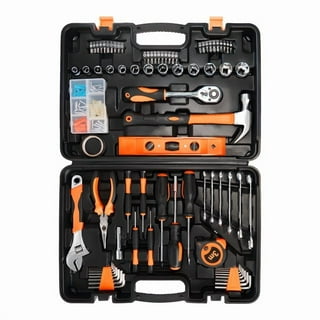
Basic hand tools are essential for every maintenance man. They help complete everyday tasks quickly and efficiently. Having the right tools saves time and effort. These tools fit easily in a toolbox and are versatile for many jobs. Understanding their use improves work quality and safety.
Screwdrivers And Wrenches
Screwdrivers come in many types, like flathead and Phillips. They tighten and loosen screws in various materials. Wrenches grip and turn nuts and bolts. Adjustable wrenches fit different sizes, reducing the need for many tools. Both tools must be sturdy and comfortable to hold.
Pliers And Cutters
Pliers grip, bend, and hold objects firmly. Needle-nose pliers work well in tight spaces. Cutters slice wires and small cables cleanly. Using the right size prevents damage and improves control. Good quality pliers and cutters last longer and perform better.
Hammers And Mallets
Hammers drive nails and break objects carefully. A claw hammer also removes nails easily. Mallets use softer force, protecting delicate surfaces. Choosing the right hammer or mallet depends on the task. Handle grips must be strong to avoid slips.

Credit: www.amazon.co.uk
Power Tools
Power tools are essential for any maintenance man. They save time and effort on many tasks. These tools increase accuracy and make tough jobs easier. Every maintenance professional needs a set of reliable power tools. Choosing the right ones can boost work quality and speed.
Cordless Drills
Cordless drills are versatile and easy to use. They work without a power cord, allowing freedom of movement. These drills handle drilling and screw driving tasks quickly. Lithium-ion batteries offer long run time and fast charging. A cordless drill is a must-have for any maintenance toolkit.
Impact Drivers
Impact drivers deliver strong torque for tough jobs. They are perfect for driving large screws and bolts. These tools reduce hand strain and increase efficiency. Impact drivers are compact and lightweight for easy handling. They complement cordless drills well in maintenance work.
Oscillating Multi-tools
Oscillating multi-tools are highly flexible and useful. They cut, sand, scrape, and grind with different attachments. These tools fit into tight spaces where others cannot reach. They help with detailed and precise repair tasks. An oscillating multi-tool adds great value to any maintenance kit.
Measuring And Testing Gear
Measuring and testing gear is essential for any maintenance man. Accurate measurements and reliable tests help diagnose problems quickly and ensure repairs are done correctly. These tools save time and reduce errors in daily tasks.
Tape Measures And Levels
Tape measures are a must-have for precise length measurements. They are compact and easy to carry. A good tape measure helps measure spaces, pipes, and materials accurately.
Levels ensure surfaces are even or pipes are straight. They come in different types like spirit levels and laser levels. Using a level prevents mistakes in installations and repairs.
Multimeters And Voltage Testers
Multimeters check electrical currents, voltage, and resistance. They help identify electrical faults safely. A multimeter is vital for troubleshooting wiring and electrical equipment.
Voltage testers detect live wires without contact. They add an extra layer of safety before working on electrical systems. Every maintenance man should have a reliable voltage tester.
Thermometers And Moisture Meters
Thermometers measure temperature in heating and cooling systems. Knowing the right temperature helps maintain equipment efficiently.
Moisture meters detect dampness in walls, floors, and materials. They prevent mold and structural damage by spotting moisture early. These meters are valuable for building inspections and repairs.
Credit: www.walmart.com
Safety Equipment
Safety equipment is essential for every maintenance man. It protects you from hazards that can cause serious injuries. Wearing the right gear keeps you focused and confident while working on tough tasks.
Gloves And Eye Protection
Gloves shield your hands from cuts, burns, and harmful chemicals. Choose gloves made for the specific job, like rubber gloves for electrical work or heavy-duty gloves for handling sharp tools.
Eye protection is just as important. Safety goggles or glasses prevent dust, debris, and sparks from damaging your eyes. Have you ever experienced a tiny particle in your eye? It’s painful and distracting.
Ear Protection
Maintenance tasks often involve loud noises from drills, saws, or compressors. Over time, this can damage your hearing. Earplugs or earmuffs reduce noise levels and protect your ears.
Keep ear protection handy and use it whenever noise reaches uncomfortable levels. Protecting your hearing today means avoiding problems tomorrow.
Respirators And Hard Hats
Respirators are crucial when working in dusty areas or with harmful fumes. They filter out dangerous particles and ensure you breathe clean air. Choose the right respirator based on the task and environment.
Hard hats protect your head from falling objects or bumps in tight spaces. Always wear one in construction zones or cluttered work sites. Your head is irreplaceable—treat it with care.
Specialized Maintenance Tools
Specialized maintenance tools are essential for any maintenance man aiming to handle tasks efficiently and with precision. These tools go beyond the basics and help you tackle specific problems that generic tools can’t manage well. Having the right specialized tools saves time and prevents damage, which keeps your work smooth and professional.
Pipe Wrenches And Sealants
Pipe wrenches are a must-have when working with plumbing systems. Their adjustable jaws give you a strong grip on pipes of various sizes, making it easier to tighten or loosen fittings without slipping.
Sealants complement pipe wrenches perfectly. You need the right type to prevent leaks and ensure long-lasting connections. For example, using Teflon tape on threaded joints can stop water from seeping through, but silicone-based sealants work better around joints exposed to moisture over time.
Have you ever struggled with a leaky pipe that just won’t seal? The right combination of wrench and sealant can make that frustration disappear quickly.
Electrical Wire Strippers
Electrical wire strippers are designed to remove insulation from wires without damaging the metal core. This is crucial when you’re installing or repairing electrical circuits.
Look for wire strippers with multiple gauge settings to handle different wire sizes. It’s a small investment that prevents costly mistakes like cutting the wire strands.
When I first started, I used a knife to strip wires, which often led to nicks and weak connections. Switching to a quality wire stripper improved my work quality immediately. What tools do you rely on to ensure safe and clean wire connections?
Lubrication And Cleaning Supplies
Maintaining moving parts requires the right lubrication to reduce friction and wear. Keep a supply of lubricants like WD-40, silicone spray, and grease on hand.
Cleaning supplies are just as important. Dirt and grime can cause tools and machinery to malfunction, so having brushes, rags, and cleaning solvents helps keep everything in top shape.
Think about the last time a rusty hinge or sticky gear slowed you down. Proper lubrication and regular cleaning can prevent those annoying setbacks and keep your work flowing smoothly.
Tool Storage And Organization
Keeping tools organized saves time and reduces stress. A well-organized workspace helps maintenance men find tools quickly. Proper tool storage protects tools from damage and loss. It also improves safety by preventing clutter. Choosing the right storage solutions depends on the types of tools and the workspace size.
Toolboxes And Bags
Toolboxes provide a sturdy way to carry tools. They come in metal or plastic, with compartments inside. Tool bags are lighter and flexible. They often have many pockets for small tools. Both options help keep tools in one place. Portability matters for jobs away from the main workshop.
Pegboards And Shelving
Pegboards keep tools visible and easy to grab. Hooks and holders hang wrenches, screwdrivers, and pliers. Shelving units store larger tools and supplies. Open shelves allow quick access and neat arrangement. Pegboards and shelves free up workbench space. They create an efficient and tidy environment.
Labeling And Inventory Systems
Labels make finding tools faster and simpler. Use clear labels on drawers, bins, and shelves. An inventory system tracks tool usage and availability. It helps identify missing or broken tools early. Simple charts or digital apps can manage inventory. This keeps the toolkit complete and ready for work.
Digital Tools And Apps
Digital tools and apps have become essential for maintenance professionals aiming to work smarter, not harder. These technologies help you stay organized, diagnose issues quickly, and keep track of your supplies. With the right apps, you can reduce downtime and improve efficiency on every job.
Maintenance Scheduling Software
Scheduling software helps you plan and track routine maintenance tasks with ease. Instead of relying on paper logs or memory, you can set reminders and deadlines for each job.
This reduces the risk of missing important maintenance checks and helps extend the life of equipment. Apps like UpKeep or Fiix offer user-friendly interfaces that let you create work orders, assign tasks, and monitor progress all in one place.
Diagnostic Apps
Diagnostic apps put powerful troubleshooting tools right in your pocket. You can connect them to machinery or systems to quickly identify problems without carrying bulky equipment.
Some apps even offer step-by-step guides or video tutorials to fix common issues. Imagine arriving at a site and using your phone to scan a device, getting instant data on what’s wrong—this saves you time and frustration.
Inventory Management Tools
Keeping track of tools, parts, and materials can be a headache without a good system. Inventory management apps help you log items, monitor stock levels, and reorder supplies before they run out.
These tools often include barcode scanning and alerts, so you always know what’s available. This means fewer interruptions during work because you won’t be scrambling to find or replace missing parts.

Credit: intrasafe.co.za
Frequently Asked Questions
What Are Essential Hand Tools For A Maintenance Man?
Essential hand tools include screwdrivers, pliers, wrenches, a hammer, and a tape measure. These tools handle most basic repairs and maintenance tasks efficiently.
Which Power Tools Should A Maintenance Man Carry?
A cordless drill, an oscillating multi-tool, and a jigsaw are vital power tools. They boost productivity and handle a variety of jobs quickly.
How Important Is A Tool Belt For Maintenance Men?
A tool belt keeps tools organized and accessible, saving time. It improves efficiency by allowing quick access to essential tools during work.
What Safety Equipment Should Maintenance Men Have?
Safety gloves, goggles, ear protection, and a dust mask are crucial. They protect against injuries and ensure safe working conditions in various environments.
Conclusion
A maintenance man’s toolkit is essential for any task. Tools like wrenches, pliers, and screwdrivers are basic but crucial. A reliable hammer and tape measure are also key. Power tools, such as drills, add efficiency. Safety gear ensures protection while working.
Each tool plays a specific role in solving maintenance issues. Regular tool care extends their life. Investing in quality tools saves time and effort. A well-equipped toolkit prepares you for any job. Always choose tools that match your needs. The right tools make maintenance work easier and more effective.