
Have you ever wondered why your machines sometimes break down just when you need them most? Machine tools are the backbone of many industries, and keeping them in top shape is not just a good idea—it’s essential.
If you want to avoid costly repairs, unexpected downtime, and wasted materials, understanding the need for regular machine tool maintenance is key. You’ll discover why maintenance isn’t just a task but a smart investment that protects your work, saves your money, and keeps your operations running smoothly.
Keep reading to find out how you can take control and make your machines last longer.
Importance Of Machine Tool Maintenance
Maintaining your machine tools is not just a routine task; it’s a vital practice that keeps your operations running smoothly. Neglecting maintenance can lead to unexpected breakdowns, costing you time and money. Understanding the importance of machine tool maintenance helps you protect your investments and improve overall productivity.
Enhancing Equipment Longevity
Regular maintenance extends the life of your machines. Just like any mechanical device, wear and tear happen over time. By checking and servicing parts regularly, you prevent small issues from turning into major failures.
Think about a time when a machine suddenly stopped working. Often, this happens because minor problems went unnoticed. Staying ahead with maintenance means your equipment will last longer, saving you from costly replacements.
Improving Operational Efficiency
Machines running at their best help you meet deadlines and maintain quality. Dirty or worn-out components can slow down production and cause defects. Maintenance ensures your tools operate at peak performance, minimizing downtime.
Have you experienced delays due to equipment breakdowns? Regular upkeep reduces these disruptions. It keeps your workflow steady and predictable, which is crucial for meeting customer demands.
Ensuring Safety At The Workplace
Machine malfunctions can lead to accidents and injuries. Regular inspections and repairs help identify safety risks early. You protect your team by keeping equipment in safe working condition.
Safety should always be a priority. When you maintain your tools, you reduce hazards and create a safer environment for everyone involved. Isn’t it worth the effort to avoid preventable accidents?
Cost Savings And Budget Control
Unexpected repairs can drain your budget quickly. Scheduled maintenance helps you plan expenses and avoid emergency costs. It’s more affordable to replace worn parts early than to fix a broken machine.
By investing time in maintenance, you avoid costly downtime and extend the machine’s usability. This proactive approach supports better financial control in your operations.
Maintaining Product Quality
Consistent maintenance keeps your machines precise and reliable. Inaccurate tools produce defective products, leading to waste and unhappy customers. Regular calibration and cleaning ensure your output meets quality standards.
Have you noticed a drop in product quality linked to machine issues? Staying on top of maintenance helps prevent these problems and boosts your reputation for excellence.
Common Types Of Machine Tool Maintenance
Machine tools need regular care to keep working well. Different types of maintenance help avoid breakdowns and extend tool life. Knowing these types helps businesses plan better and save money.
Preventive Maintenance
Preventive maintenance happens before problems start. It includes regular checks, cleaning, and part replacements. This type keeps machines running smoothly and reduces sudden failures. Scheduled tasks help catch wear and tear early.
Corrective Maintenance
Corrective maintenance fixes issues after they occur. This repair restores the machine to working condition. It can be planned or urgent, depending on the problem’s impact. Quick fixes help reduce downtime and costs.
Predictive Maintenance
Predictive maintenance uses data to predict failures. Sensors and software monitor machine conditions in real time. This method helps fix problems before they happen. It saves money by avoiding unexpected breakdowns and extending machine life.
Key Benefits Of Regular Maintenance
Regular maintenance of machine tools is not just a routine task; it’s a powerful strategy that directly impacts your productivity and bottom line. By keeping your equipment in top shape, you can avoid unexpected breakdowns and costly repairs. Let’s look at the key benefits you can gain from staying on top of maintenance schedules.
Enhanced Equipment Lifespan
Machines that receive consistent care last significantly longer. Lubricating moving parts, tightening loose components, and replacing worn-out pieces prevent early wear and tear. This means you can delay expensive replacements and make the most out of your initial investment.
I once worked with a shop that ignored routine maintenance, and their machines failed well before their expected lifespan. After switching to a strict maintenance plan, they extended their equipment life by years, proving the real value of upkeep.
Improved Operational Efficiency
Well-maintained machines run smoother and faster. They produce higher quality work with fewer errors and less material waste. Have you noticed how a clean and tuned machine reduces the time needed for adjustments and rework?
Regular checks help you spot small issues before they escalate, keeping your production line steady and efficient. This boosts your overall output without needing additional resources.
Reduced Downtime And Costs
Unexpected breakdowns stop production and drain your budget. Scheduled maintenance minimizes these surprises by addressing problems early. This saves you from costly emergency repairs and lost business hours.
Think about the last time a machine stopped suddenly. Could that downtime have been prevented with a quick inspection? Regular maintenance acts as a safety net, catching faults before they disrupt your workflow.
Safety Improvements
Machines in poor condition can be dangerous for operators. Worn-out parts or loose fittings increase the risk of accidents. By maintaining your tools, you create a safer work environment for everyone involved.
Safety isn’t just about compliance; it’s about protecting your team. When you prioritize maintenance, you reduce the chance of injuries and the costs that come with them. Isn’t ensuring safety worth the effort?
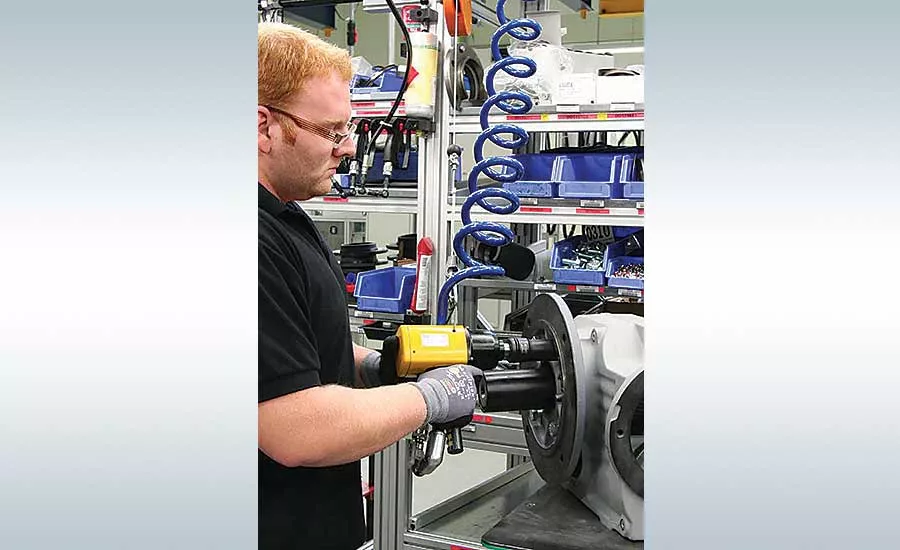
Credit: www.assemblymag.com
Signs That Indicate Maintenance Is Needed
Recognizing the signs that your machine tool needs maintenance can save you from costly downtime and repairs. These signs often start small but can quickly escalate if ignored. Paying close attention to these indicators helps you act before a minor issue turns into a major problem.
Unusual Noises Or Vibrations
Have you noticed strange sounds or excessive vibrations during operation? These can indicate worn-out bearings, loose parts, or misalignment. Ignoring these noises can lead to further damage, so it’s crucial to investigate immediately.
Decline In Precision And Quality
If your machine’s output suddenly loses accuracy or the quality of your work drops, it’s a clear warning. This decline might be due to tool wear or calibration issues. Maintaining precision is key to producing reliable products, so don’t overlook these changes.
Overheating And Increased Energy Consumption
Is your machine running hotter than usual or consuming more power? Overheating can signal lubrication problems or motor strain. Higher energy use not only raises costs but also points to inefficiencies that need fixing.
Frequent Breakdowns Or Error Messages
Experiencing repeated stops or error alerts disrupts your workflow and productivity. These interruptions usually mean that components are failing or software needs updating. Regular maintenance helps prevent these frustrating disruptions.
Visible Wear And Tear
Look closely for visible signs like rust, cracks, or worn surfaces. These physical damages often worsen over time and affect machine performance. Catching wear early can extend your tool’s lifespan significantly.
Delayed Response Or Sluggish Operation
Does your machine feel slower or less responsive? This might be due to clogged filters, poor lubrication, or electronic issues. Addressing sluggishness promptly keeps your production line running smoothly.
Have you spotted any of these signs in your equipment lately? Ignoring them could cost more time and money than timely maintenance. Keep an eye out and act quickly to keep your machines in top shape.
Best Practices For Effective Maintenance
Effective maintenance keeps machine tools running smoothly and safely. It reduces breakdowns and extends machine life. Following best practices helps avoid costly repairs and downtime. It ensures machines perform at their best every day.
Scheduled Inspections
Regular checks spot problems early. Scheduled inspections include cleaning, lubrication, and part checks. They help catch wear and tear before failure occurs. Consistent inspections keep machines reliable and safe.
Proper Training For Operators
Trained operators handle machines correctly. They know how to spot signs of trouble. Proper training reduces mistakes that cause damage. Skilled operators also follow safety rules, protecting themselves and the machine.
Use Of Quality Replacement Parts
Using good parts keeps machines working well. Low-quality parts wear out fast and can harm machines. Quality parts fit better and last longer. They ensure smooth operation and prevent frequent breakdowns.
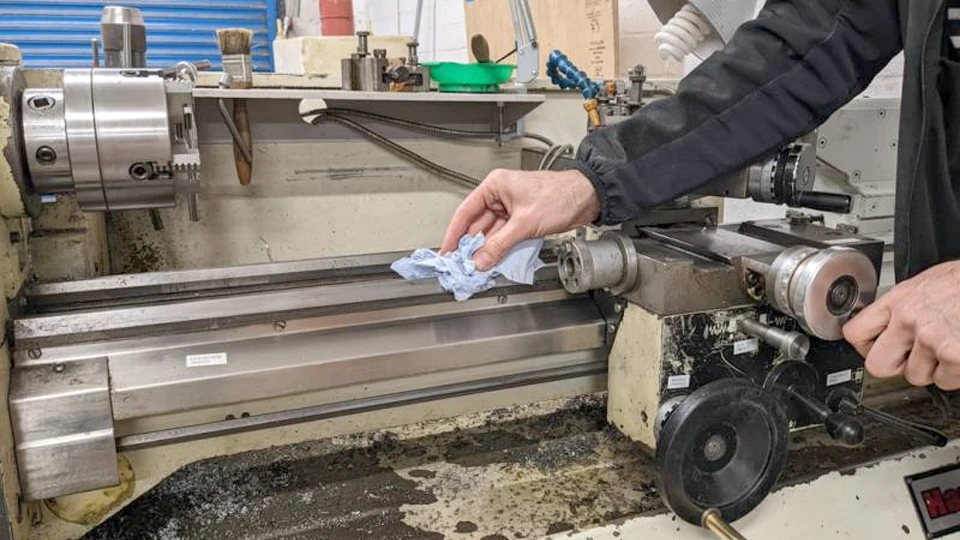
Credit: rosnokmachine.com
Impact Of Neglecting Maintenance
Neglecting machine tool maintenance leads to serious problems. Machines lose accuracy and speed. This causes poor product quality and delays in production.
Ignoring upkeep also increases the risk of sudden breakdowns. Repair costs go up and downtime extends. This affects the entire manufacturing process negatively.
Reduced Machine Efficiency
Without regular maintenance, machines run slower. Parts wear out faster and cause friction. This wastes energy and lowers output quality.
Higher Repair And Replacement Costs
Small issues turn into costly repairs. Broken parts may need full replacement. These expenses hurt business budgets and profits.
Increased Safety Hazards
Faulty machines pose risks to workers. Malfunctions can cause accidents or injuries. Proper maintenance keeps equipment safe and reliable.
Production Delays And Downtime
Unexpected machine failures stop work suddenly. This causes missed deadlines and unhappy customers. Regular checks prevent such costly interruptions.
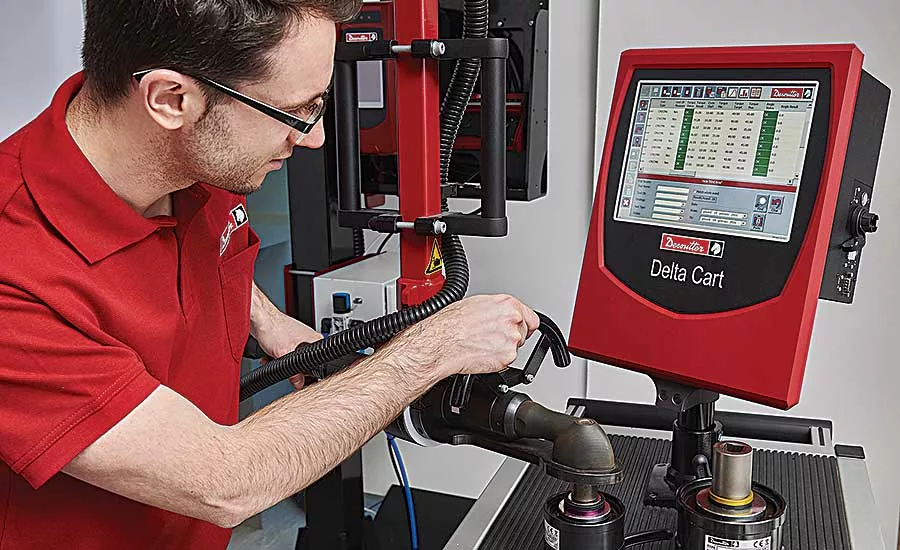
Credit: www.assemblymag.com
Frequently Asked Questions
Why Is Machine Tool Maintenance Important?
Machine tool maintenance ensures optimal performance and prolongs equipment lifespan. Regular maintenance prevents unexpected breakdowns, reducing downtime and repair costs. Proper care enhances precision and safety, maintaining production quality. Regular inspections and servicing identify potential issues early, preventing costly failures.
How Often Should Machine Tools Be Maintained?
The frequency of machine tool maintenance depends on usage and manufacturer’s recommendations. Generally, routine checks should be conducted weekly, with thorough inspections monthly. High-usage machines may require more frequent attention. Regular maintenance schedules ensure timely identification of wear and tear, minimizing downtime and maintaining performance.
What Are The Benefits Of Regular Machine Maintenance?
Regular machine maintenance boosts efficiency, reduces breakdowns, and extends equipment lifespan. It ensures consistent product quality and enhances workplace safety. Timely servicing minimizes repair costs and downtime. Routine maintenance also helps in early detection of potential issues, preventing major failures and costly repairs.
What Are Common Machine Tool Maintenance Tasks?
Common tasks include cleaning, lubrication, and checking for wear and tear. Inspecting electrical connections and calibrating settings are crucial too. Routine checks ensure all components function optimally. Regular maintenance tasks help in maintaining precision, reducing wear, and preventing unexpected machine failures.
Conclusion
Maintaining machine tools keeps them working well and lasting longer. It stops big problems before they start. Regular care saves money and time on repairs. Machines run safely and make quality products. Workers stay safe and happy with good equipment.
Simple steps make a big difference every day. Maintenance is key to smooth and steady work. Don’t wait for breakdowns. Take care of your tools now. It helps your business grow and stay strong.