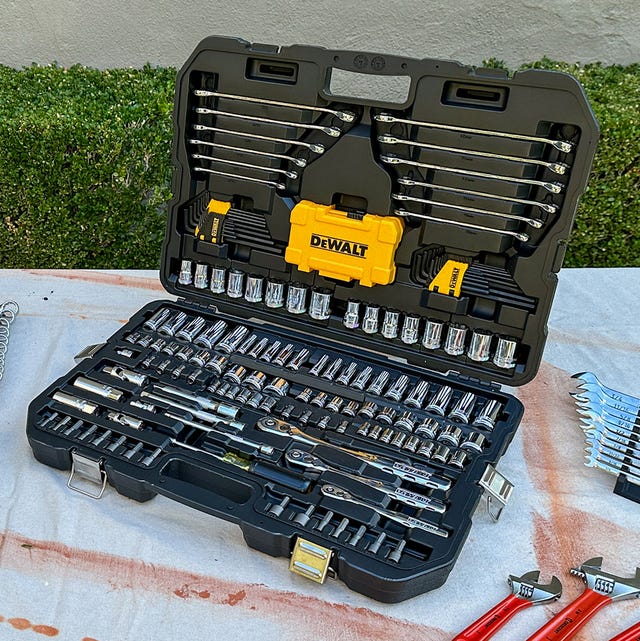
When something breaks down, the last thing you want is to waste time searching for the right tool. Having the must-have tools for maintenance ready and within reach can save you frustration, money, and hours of work.
Whether you’re fixing a leaky faucet, tightening a loose screw, or tackling bigger home repairs, the right tools make all the difference. You’ll discover the essential tools you need to keep your home or workspace running smoothly. Get ready to take control of your repairs and feel confident handling any maintenance task that comes your way.
Basic Hand Tools
Basic hand tools are the foundation of any maintenance toolkit. They allow you to tackle a wide range of repairs and adjustments around your home or workspace. Having the right set of these tools can save time, effort, and unnecessary trips to a professional.
Screwdrivers
Screwdrivers come in various shapes and sizes, designed to fit different types of screws. A good set should include both flathead and Phillips head screwdrivers to cover most tasks.
Choosing screwdrivers with comfortable, non-slip handles makes a big difference when you’re working on tight or tricky spots. Ever struggled to remove a stripped screw? Using the right screwdriver size can prevent that frustration and damage.
Wrenches And Pliers
Wrenches and pliers are essential for gripping, twisting, and tightening nuts and bolts. An adjustable wrench is particularly useful because it adapts to different sizes, reducing the need for multiple tools.
Pliers come in handy for bending wires, holding small objects, or cutting. Needle-nose pliers are perfect when you need precision in tight spaces. Do you have a favorite type that makes your tasks easier?
Hammers And Mallets
Hammers are not just for driving nails—they’re also great for loosening stuck parts or fitting pieces together snugly. A claw hammer is versatile, combining a hammer on one side and a nail puller on the other.
Mallets, often made of rubber or wood, allow you to tap surfaces without causing damage. They’re ideal for assembling furniture or adjusting delicate parts. Think about how many times a mallet could have saved your project from scratches or dents.
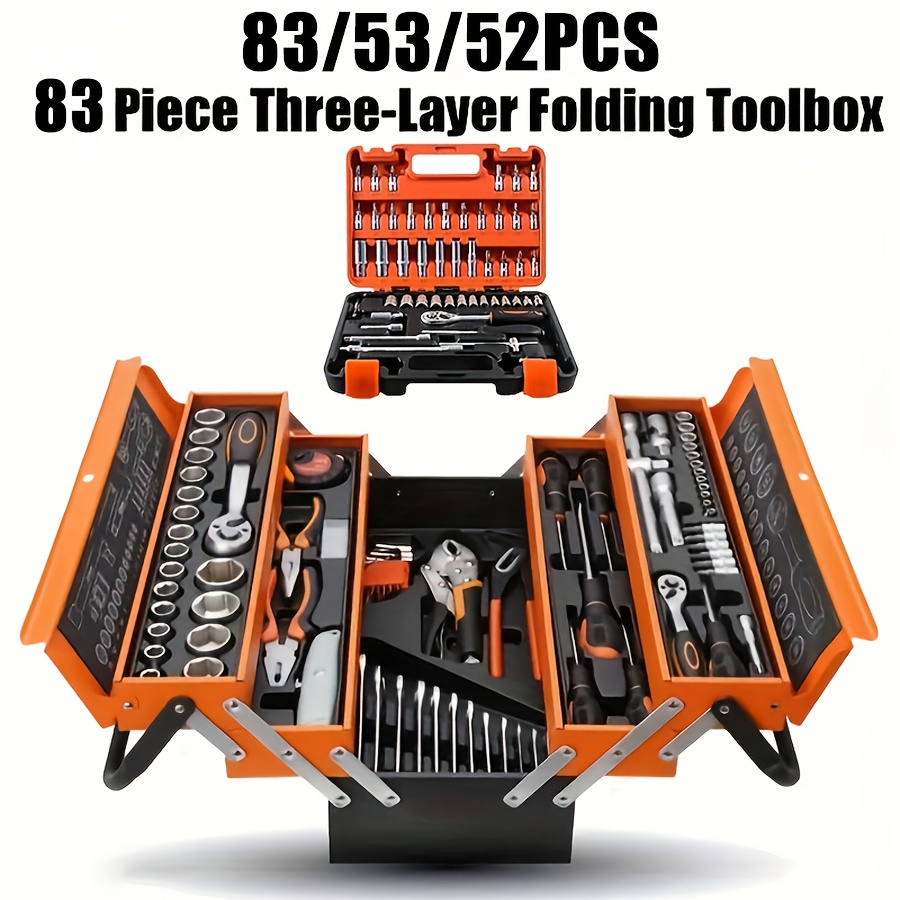
Credit: www.temu.com
Power Tools
Power tools are essential for any maintenance task. They save time and effort. These tools provide power and precision. They help complete jobs faster and with better results.
Every toolbox should include a variety of power tools. They range from drills to sanders. Each serves a specific purpose. Choosing the right tools can improve your work quality.
Drills And Drivers
Drills and drivers are basic but vital. Drills create holes in wood, metal, or plastic. Drivers insert or remove screws quickly. Cordless models offer great mobility. Key features include variable speed and torque control. Look for comfortable grips and long battery life.
Saws And Grinders
Saws cut through different materials with ease. Circular saws handle wood and plastic. Jigsaws work well for curved cuts. Grinders are perfect for shaping or smoothing metal surfaces. They also remove rust and paint. Safety gear is important when using these tools.
Sanders And Polishers
Sanders smooth surfaces by removing rough patches. They prepare wood for painting or finishing. Orbital sanders work on flat surfaces. Detail sanders reach tight corners. Polishers add shine and protect surfaces. They are useful for cars, floors, and furniture.
Measuring And Testing Tools
Measuring and testing tools are essential for any maintenance toolkit. They help you get precise readings and accurate diagnostics, which can save you time and prevent costly mistakes. Without the right tools, even simple repairs can turn into frustrating guesswork.
Tape Measures And Levels
A good tape measure is a must-have for measuring spaces, materials, and distances with ease. Look for one with a sturdy case and clear markings that won’t fade over time. Levels ensure your work is perfectly aligned, whether you’re hanging shelves or installing cabinets.
I once used a cheap tape measure that stretched out, causing me to cut a piece of wood too short. Investing in a quality tape measure saved me from repeating that mistake again. Don’t underestimate these simple tools—they’re the foundation of accurate maintenance work.
Multimeters And Voltage Testers
Multimeters are invaluable for checking electrical circuits. They measure voltage, current, and resistance, helping you spot issues before they cause bigger problems. Voltage testers are quick and safe tools to verify if a wire is live, protecting you from electrical shocks.
When I first started, I didn’t test wires properly and ended up short-circuiting a device. Using a multimeter now gives me confidence that the electrical parts I handle are safe and functioning properly. Would you risk your safety without these tools?
Laser Distance Measurers
Laser distance measurers provide quick and accurate measurements over long distances without needing a second person. They are perfect for large projects or awkward spaces where tape measures fall short. Some models also calculate area and volume, helping you plan materials efficiently.
Once, a laser measurer helped me measure a room’s dimensions in seconds, instead of spending 20 minutes with a tape. This tool can speed up your work and reduce errors, especially in complex maintenance tasks. How much time could you save with a laser distance measurer?
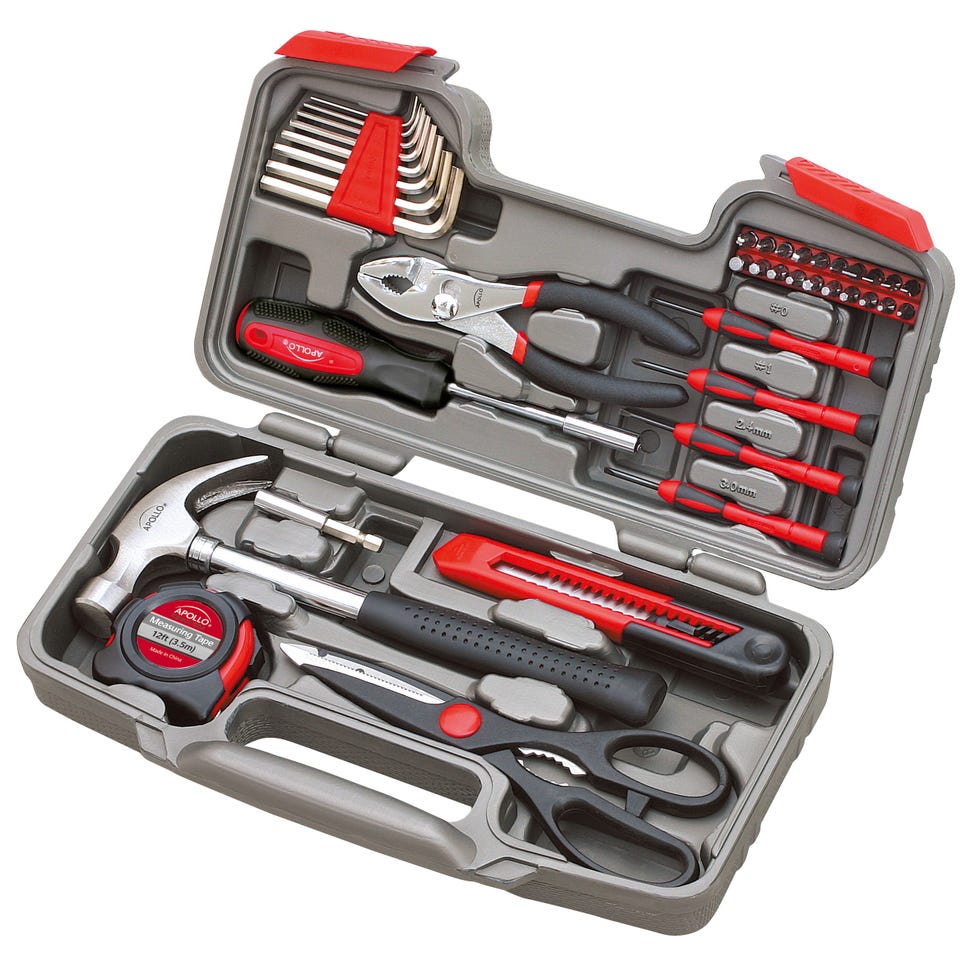
Credit: www.popularmechanics.com
Safety Gear
Safety gear is essential for any maintenance task. It protects you from injuries that can happen unexpectedly, even during routine jobs. Using the right safety equipment not only keeps you safe but also boosts your confidence to work efficiently.
Gloves And Eye Protection
Gloves shield your hands from cuts, burns, and chemical exposure. Choose gloves based on the task—rubber for chemicals, leather for heavy-duty work, and lightweight ones for precision tasks.
Eye protection is crucial. Safety glasses or goggles prevent dust, debris, and harmful splashes from damaging your eyes. Have you ever felt the sting of a small particle near your eye? That’s why eye protection is non-negotiable.
Hearing Protection
Loud noises from machinery can cause permanent hearing loss. Earplugs and earmuffs reduce noise exposure and help you focus on your work without distraction.
Think about the loudest sound you’ve encountered during maintenance—did it leave your ears ringing? If yes, it’s a clear sign you need hearing protection.
Respirators And Masks
Dust, fumes, and chemical vapors can harm your lungs without you realizing it. Respirators and masks filter out harmful particles and keep the air you breathe clean.
Select the right mask based on the type of hazard—N95 masks for dust and particulate matter, or respirators for chemical fumes. Your lungs will thank you in the long run.
Storage And Organization
Keeping your tools well organized is key to efficient maintenance work. When your workspace is clutter-free and every tool has its place, you save time and reduce frustration. Think about how many times you’ve wasted minutes searching for a screwdriver or wrench—better storage can fix that.
Toolboxes And Bags
Choosing the right toolbox or bag can make a huge difference. Look for ones with multiple compartments to separate small parts like screws and nails. Soft-sided bags are great if you need to carry your tools around, while hard cases offer better protection for heavy or sharp items.
I once switched from a single large toolbox to a compact bag with pockets. It cut my setup time in half during repairs. What kind of toolbox suits your style—portable or stationary?
Shelving And Racks
Wall-mounted shelves and racks free up floor space and keep tools visible. Use adjustable shelves to store bulky items like power tools or paint cans. Pegboards with hooks are a smart way to hang frequently used tools within arm’s reach.
Consider your workspace layout before adding shelves. Will you need to reach items quickly or store them out of the way? Proper placement can improve your workflow dramatically.
Labeling Systems
Labeling is often overlooked but crucial for staying organized. Use clear, waterproof labels on drawers, bins, and shelves so you can spot what you need at a glance. Color-coding by tool type or project can speed up retrieval even more.
Try labeling everything and see how quickly your efficiency improves. What labeling system will you start with to keep your tools easy to find?
Maintenance Consumables
Maintenance consumables are essential supplies that keep tools and machines running smoothly. They include items used regularly to prevent wear and tear. Having the right consumables ready saves time and avoids unexpected breakdowns.
These items are small but vital. They help maintain the efficiency and lifespan of equipment. Stocking up on consumables ensures quick repairs and less downtime.
Lubricants And Cleaners
Lubricants reduce friction between moving parts. They help machines run quietly and last longer. Cleaners remove dirt, grease, and rust. Clean surfaces prevent damage and improve performance.
- Oil and grease for different machines
- Degreasers for heavy dirt
- Rust removers and protectors
- Cleaning sprays and wipes
Fasteners And Adhesives
Fasteners hold parts together. Adhesives bond surfaces for repairs. Both are crucial for maintenance tasks. Using the right type ensures safety and strength.
- Screws, bolts, nuts, and washers
- Thread lockers to prevent loosening
- Industrial glues and epoxy
- Sealants for waterproofing joints
Replacement Parts
Replacement parts fix worn or broken components. Keeping common parts on hand speeds up repairs. This reduces machine downtime and labor costs.
- Belts, filters, and fuses
- Bearings and gears
- Electrical components like switches and bulbs
- Small hoses and connectors
Specialty Tools
Specialty tools are essential for tackling specific maintenance tasks efficiently. These tools go beyond the basic hammer and screwdriver, allowing you to handle precise jobs with ease. Investing in the right specialty tools saves time and prevents damage to your equipment or home.
Pipe And Plumbing Tools
Working with pipes demands tools designed to grip, cut, and seal plumbing components properly. A pipe wrench provides strong leverage to tighten or loosen pipes without slipping. You’ll also want a pipe cutter for clean, precise cuts that prevent leaks.
Don’t forget a plumber’s tape and a basin wrench for reaching tight spots under sinks. These tools help you avoid costly mistakes like stripped threads or leaking joints. Have you ever struggled with a stubborn pipe connection? The right plumbing tool makes all the difference.
Electrical Tools
Electrical work requires tools that ensure safety and precision. A good quality wire stripper lets you remove insulation without damaging the wire inside. Voltage testers help you verify if circuits are live, protecting you from shocks.
Need to tighten or loosen electrical components? Insulated screwdrivers and pliers keep you safe while working. If you want to avoid short circuits or faulty wiring, these specialty tools are non-negotiable in your kit.
Automotive Maintenance Tools
Keeping your vehicle in top shape means having tools tailored to its systems. A socket set with various sizes allows you to handle nuts and bolts on engines and chassis. Tire pressure gauges and jack stands add safety and accuracy when working on tires.
Don’t overlook diagnostic tools like OBD-II scanners that provide instant insights into engine issues. Imagine fixing a car problem quickly because you had the right tool to read error codes—how much time and money would that save you?

Credit: www.assemblymag.com
Frequently Asked Questions
What Are The Essential Maintenance Tools Everyone Needs?
Essential maintenance tools include screwdrivers, pliers, wrenches, a hammer, and a tape measure. These tools handle most repair tasks efficiently. Having these basics ensures quick fixes and smooth maintenance work around home or workplace.
How Do I Choose The Right Maintenance Tools?
Choose tools based on the specific tasks you face regularly. Consider durability, ease of use, and versatility. Quality tools save time and effort, making maintenance safer and more effective.
Why Is Regular Tool Maintenance Important?
Regular tool maintenance prevents rust, wear, and damage. Clean and lubricate tools after use to extend lifespan. Well-maintained tools ensure safety and improve performance during repairs.
Can Power Tools Replace Manual Maintenance Tools?
Power tools speed up tasks but don’t replace all manual tools. Some jobs need precision or control only manual tools provide. Combine both for efficiency and best results.
Conclusion
Having the right tools makes maintenance easier and more efficient. These essential tools save time and reduce stress. A well-equipped toolkit helps handle tasks safely. Keep tools organized for quick access. Regular maintenance ensures equipment longevity. Investing in quality tools pays off in the long run.
Choose tools that suit your specific needs. Consider durability and ease of use. Stay prepared for unexpected repairs with these must-have tools. Equip yourself today and tackle maintenance tasks with confidence.