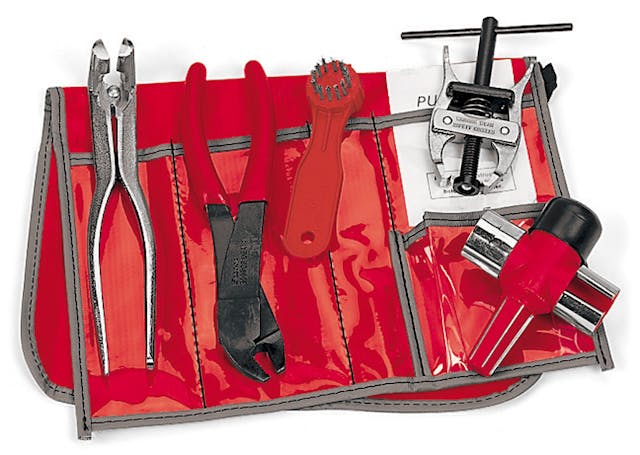
Are you unsure which battery maintenance tool is the right one for your needs? Choosing the right tool can save you time, extend your battery’s life, and keep your devices running smoothly.
You’ll discover the most effective battery maintenance tools and how to use them correctly. By the end, you’ll feel confident in picking the perfect tool to keep your batteries in top shape. Keep reading to find out which tool suits you best and why it matters for your everyday power needs.
Common Battery Maintenance Tools
Maintaining a battery extends its life and ensures reliable performance. Several tools help check a battery’s health and condition. These common battery maintenance tools are simple to use and essential for any battery care routine.
Each tool has a specific role. Some test the battery’s charge, others clean or recharge it. Using the right tool helps avoid battery problems and saves money.
Battery Tester
A battery tester quickly shows the battery’s charge level. It measures voltage and indicates if the battery needs charging or replacement. This tool is easy to use and gives instant results.
Hydrometer
A hydrometer checks the battery’s electrolyte strength. It measures the density of the acid inside the battery cells. This helps find out if the battery is fully charged or weak.
Battery Charger
A battery charger replenishes the battery’s power. It connects to the battery and supplies the correct voltage. Using a charger regularly keeps the battery ready for use.
Multimeter
A multimeter measures voltage, current, and resistance. It is useful for detailed battery checks and electrical testing. This tool helps find electrical issues related to the battery.
Terminal Cleaner
A terminal cleaner removes dirt and corrosion from battery terminals. Clean terminals ensure good electrical contact and better battery performance. This tool often has a brush or wire wheel.

Credit: www.iwiss.com
How Each Tool Works
Understanding how each battery maintenance tool works can help you keep your batteries in top shape and avoid unexpected failures. Each tool serves a specific purpose, from diagnosing battery health to cleaning and recharging. Let’s break down how these tools operate and what you can expect when using them.
Testing Battery Health
Battery testers quickly assess the overall condition of your battery by measuring its ability to hold and deliver charge. These devices often display results as a simple pass/fail or provide a detailed reading of the battery’s internal resistance or cold cranking amps (CCA).
Using a battery tester is straightforward—connect the clamps to the battery terminals and wait for the device to analyze. It’s like getting a health checkup for your battery, helping you decide if it’s time for a replacement before you’re stranded.
Checking Electrolyte Levels
Some batteries require manual checking of electrolyte levels, which involves removing caps and visually inspecting the liquid inside. A hydrometer is commonly used here; it measures the specific gravity of the electrolyte to indicate battery charge status.
This tool works by drawing a small amount of electrolyte into a float chamber, where a float rises or falls depending on the acid concentration. Lower levels or specific gravity readings can signal the need for distilled water or other maintenance actions.
Recharging Batteries
Battery chargers restore power by supplying a controlled electrical current back into the battery cells. Modern chargers often feature smart technology to adjust charging rates and prevent overcharging, which can damage the battery.
Charging involves connecting the charger clamps to the battery terminals and setting the appropriate mode for your battery type. Watching your battery come back to life during charging can be surprisingly satisfying and saves you money on replacements.
Measuring Voltage And Current
Multimeters are versatile tools that measure both voltage and current in a battery circuit. Voltage readings indicate the battery’s charge level, while current measurements help detect problems like excessive drain or faulty connections.
To use a multimeter, you place the probes on the battery terminals and select the correct measurement mode. This tool gives you precise data, helping you troubleshoot issues that might not be visible otherwise.
Cleaning Corroded Terminals
Corrosion on battery terminals can block electrical flow and reduce performance. Wire brushes and terminal cleaning tools physically remove rust and buildup to restore a clean connection.
Cleaning involves disconnecting the battery, scrubbing the terminals, and applying a protective spray or grease to prevent future corrosion. Regular cleaning can extend your battery’s life and improve reliability.
Choosing The Right Tool
Choosing the right battery maintenance tool is key to keeping your batteries healthy. Different tools serve different types of batteries and maintenance needs. Picking the right one saves time, effort, and money. It also ensures your batteries work longer and perform better.
Tool Compatibility With Battery Types
Not all tools fit every battery type. Some tools work best with lead-acid batteries, while others suit lithium-ion or nickel-cadmium cells. Check the tool’s specifications before buying. Using the wrong tool can damage the battery or give inaccurate results.
Frequency Of Maintenance
Think about how often you maintain your batteries. Some tools are better for daily checks, while others fit monthly or yearly use. Frequent maintenance tools often have quick and simple functions. Less frequent tools may offer detailed analysis but take more time.
Budget Considerations
Battery tools come in many price ranges. Basic tools cost less and offer essential functions. Advanced tools may cost more but provide more accuracy and features. Set a budget that matches your needs. Avoid overspending on features you don’t require.
Ease Of Use
Choose a tool that is simple to operate. Clear instructions and easy controls reduce errors. Some tools have digital displays and automatic functions. Others may need manual settings and adjustments. Pick one that fits your skill level and comfort.

Credit: www.amazon.ca
Safety Tips For Battery Maintenance
Battery maintenance involves handling chemicals and electricity that can be dangerous. Following safety tips reduces risks and protects you during work. Use the right tools and take precautions to avoid accidents.
Protective Gear
Wear safety glasses to protect your eyes from splashes. Use gloves made of rubber or latex to shield your hands from battery acid. Long sleeves and pants prevent skin contact. Always have a face mask ready to avoid inhaling fumes.
Handling Acid Safely
Battery acid is corrosive and can cause burns. Never touch acid with bare hands. If acid spills, neutralize it quickly with baking soda. Clean the area with plenty of water afterward. Store acids in a cool, ventilated place away from children.
Proper Disposal Of Batteries
Do not throw old batteries in the trash. They contain harmful chemicals that pollute soil and water. Take used batteries to a recycling center or hazardous waste facility. Follow local laws for battery disposal to protect the environment.
Avoiding Electrical Hazards
Disconnect batteries before maintenance to stop electric flow. Use insulated tools to prevent short circuits. Avoid wearing metal jewelry during work. Keep metal objects away from battery terminals to prevent sparks and shocks.
Common Mistakes To Avoid
Knowing which battery maintenance tools to use is just part of the equation. Avoiding common mistakes is what keeps your batteries healthy and lasting longer. These errors might seem small but can cause big problems over time.
Overcharging Batteries
Overcharging is a frequent mistake that damages battery life. Leaving a charger connected for too long can cause overheating and reduce the battery’s capacity.
Use smart chargers that automatically stop charging when the battery is full. Have you ever checked if your charger has this feature before plugging it in?
Ignoring Corrosion
Corrosion on battery terminals can block the flow of electricity and cause starting problems. Many skip cleaning terminals because it looks minor, but corrosion grows fast.
Regularly inspect your battery terminals and clean them with a mixture of baking soda and water. This simple step can save you from unexpected battery failures.
Using Incompatible Tools
Using the wrong tools for battery maintenance can lead to damage or inaccurate readings. For instance, using a multimeter set incorrectly may give false voltage readings.
Always check if your tools are designed for the battery type you have. Are you sure your current toolkit matches your battery’s specifications?
Neglecting Regular Checks
Skipping regular battery checks is like ignoring warning signs before a car breakdown. Batteries need consistent monitoring for voltage, fluid levels, and overall condition.
Set a schedule to test your battery and inspect for any issues. Would you wait for your phone to die before charging it, or do you keep an eye on the battery status?
Maintaining Different Battery Types
Maintaining batteries correctly extends their life and saves you money. Different battery types require specific tools and care routines. Understanding these differences helps you avoid damage and get the most from your investment.
Lead-acid Batteries
Lead-acid batteries need regular checking of their electrolyte levels. A hydrometer is a key tool here; it measures the specific gravity of the battery fluid to assess charge status. Adding distilled water when levels are low keeps the battery functioning well.
Using a battery charger designed for lead-acid types prevents overcharging and sulfation. You should also clean terminals frequently to avoid corrosion, using a wire brush or battery terminal cleaner. Have you ever noticed your car failing to start after long storage? That’s often due to poor lead-acid battery maintenance.
Lithium-ion Batteries
Lithium-ion batteries demand a different approach. They require a smart charger that controls voltage and current precisely to avoid overheating or capacity loss. A battery management system (BMS) built into these batteries helps monitor their health and prevent damage.
Unlike lead-acid, you shouldn’t fully discharge lithium-ion batteries. Partial charging and avoiding extreme temperatures improve their lifespan. Do you know your laptop or phone battery health can be improved just by adjusting charging habits?
Nickel-cadmium Batteries
Nickel-cadmium (NiCd) batteries suffer from the memory effect, where partial discharge reduces their capacity. A smart charger with a discharge function is essential to fully cycle these batteries occasionally. This restores their maximum charge capacity.
Proper ventilation during charging is critical, as NiCd batteries can release small amounts of gas. A simple voltage tester helps you track their condition. Have you ever experienced a device running out of power faster than usual? It might be your NiCd battery needing a full discharge cycle.
Nickel-metal Hydride Batteries
Nickel-metal hydride (NiMH) batteries are more forgiving than NiCd but still benefit from regular maintenance. Use a charger with temperature and voltage control to avoid overheating and overcharging. Occasional full discharge cycles can help maintain capacity.
Keep NiMH batteries away from extreme heat and cold to prevent damage. A multimeter is useful to check voltage and spot any weak cells. Do you charge your rechargeable batteries immediately after use or wait? Timing can affect how well NiMH batteries perform over time.
Credit: www.nytimes.com
Frequently Asked Questions
What Are Common Tools For Battery Maintenance?
Common tools include multimeters, battery testers, hydrometers, and battery chargers. These tools help monitor voltage, charge level, and electrolyte condition. Regular use ensures battery health and longevity. Proper maintenance prevents unexpected failures and improves performance.
How Does A Battery Hydrometer Help In Maintenance?
A battery hydrometer measures electrolyte specific gravity in lead-acid batteries. It indicates the state of charge and health. This tool helps detect weak or failing cells early. Accurate readings assist in timely battery servicing, avoiding costly replacements.
Why Use A Multimeter For Battery Maintenance?
A multimeter measures voltage, current, and resistance in batteries. It helps identify charge levels and potential issues. This versatile tool is essential for diagnosing battery performance. Regular checks with a multimeter ensure reliable power supply and battery life.
When Should You Use A Battery Charger For Maintenance?
Use a battery charger when battery voltage drops below recommended levels. Charging restores power and prevents deep discharge damage. Proper charging extends battery lifespan and maintains optimal performance. Always follow manufacturer guidelines for safe charging.
Conclusion
Choosing the right battery maintenance tools is crucial. It ensures long battery life and optimal performance. Regular checks prevent unexpected failures. Basic tools like multimeters and hydrometers are essential. They help monitor battery health. Cleaning tools keep connections clear. This reduces resistance and enhances efficiency.
Investing in quality tools saves money over time. It also boosts battery reliability. With proper care, batteries last longer. This reduces waste and costs. Understanding your battery needs is vital. It makes maintenance easy and effective. So, equip yourself with the right tools.
Enjoy hassle-free battery performance for years.