You rely on your farm tools every day to get work done quickly and efficiently. But have you ever stopped to think about how well you’re taking care of them?
Maintenance of farm tools is more than just a chore—it’s the secret to keeping your equipment working longer, saving you money, and avoiding frustrating breakdowns. You’ll discover simple, practical ways to maintain your tools so they stay sharp, strong, and ready whenever you need them.
Keep reading, and you’ll learn how a little care can make a big difference in your farming success.
Importance Of Farm Tool Maintenance
Maintaining farm tools is essential for every farmer. It keeps tools working well and lasts longer. Proper care avoids many problems that cause delays and extra costs. Regular maintenance helps farms run smoothly and safely.
Enhancing Tool Performance
Well-maintained tools work faster and better. Sharp blades cut cleanly, and machines run smoothly. This saves time and effort during work. Tools in good shape give consistent results in the field.
Reducing Repair Costs
Small fixes prevent big breakdowns. Cleaning and oiling parts stop rust and wear. This lowers the chance of costly repairs. Regular checks find problems early before they get worse.
Ensuring Safety During Use
Faulty tools cause accidents. Loose parts or dull edges can harm users. Proper maintenance keeps tools safe to handle. It protects farmers from injuries and work hazards.
Credit: horsesport.com
Common Types Of Farm Tools
Farm tools come in many shapes and sizes, each designed for a specific task. Knowing the common types of farm tools helps you maintain them better and get the best performance. Whether you work with simple hand tools or complex irrigation systems, understanding their differences makes a big difference in your daily work.
Hand Tools
Hand tools are the most basic but essential tools on any farm. They include hoes, spades, sickles, and pruning shears. These tools require regular sharpening and cleaning to stay effective and prevent rust.
When I first started farming, I ignored maintaining my hoe and noticed it became dull quickly. Sharpening it regularly not only saved time but also made the work easier and less tiring. Have you checked the edge of your hand tools lately?
Power Tools
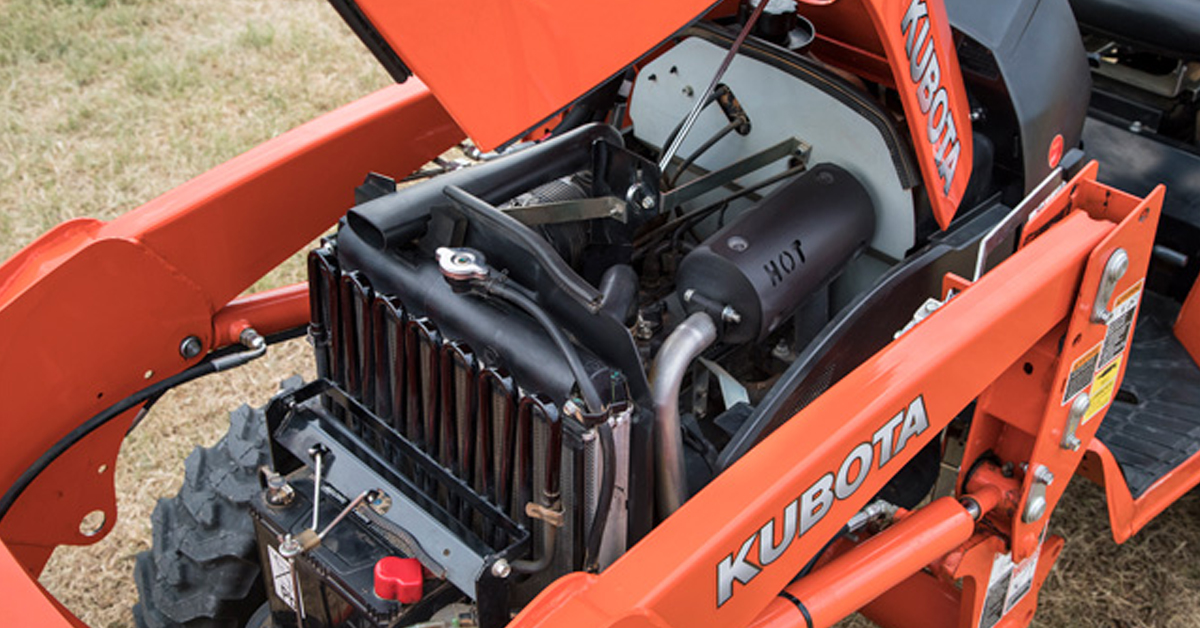
Power tools like tillers, chainsaws, and motorized sprayers help you handle bigger jobs faster. These tools need more attention, especially in engine care and fuel system cleaning. Skipping maintenance on power tools can lead to costly repairs or downtime during critical farming periods.
Think about the last time your tiller wouldn’t start when you needed it most. Regular oil changes and air filter checks could have prevented that frustration. Are you following a maintenance schedule for your power tools?
Irrigation Equipment
Irrigation systems include pumps, sprinklers, and drip lines that keep your crops well-watered. These tools require regular inspection for leaks, clogs, and wear. Maintaining irrigation equipment ensures efficient water use and healthy plants.
One season, I ignored a small leak in the drip line, which caused uneven watering and stunted plant growth. Fixing it early would have saved water and improved yields. How often do you inspect your irrigation setup?
Daily Care Practices
Daily care practices for farm tools play a crucial role in keeping them functional and durable. Small actions every day can prevent costly repairs and downtime. Taking time to maintain your tools after use ensures they stay ready for the next job.
Cleaning After Use
Cleaning your tools immediately after use removes dirt, sap, and moisture that cause rust and wear. Use a wire brush or cloth to wipe off soil and plant residue. For stubborn grime, a mild soap and water solution works well, but make sure to dry the tools thoroughly afterward.
Have you noticed how a clean tool feels lighter and easier to handle? That’s because dirt buildup can affect the tool’s balance and efficiency.
Proper Storage Methods
Storing tools correctly protects them from damage and weather exposure. Hang sharp tools like hoes and shovels on wall hooks to keep edges off the ground. Store metal tools in a dry, sheltered place to avoid rust.
Consider using tool racks or pegboards in your shed. These keep everything organized and quick to find, saving you time and frustration during busy planting or harvest seasons.
Inspecting For Wear And Damage
Regular inspection helps catch small problems before they turn serious. Look closely at handles for cracks or splinters and metal parts for dents or rust spots. Tighten loose screws and replace worn-out parts promptly.
Ask yourself: could a tiny crack in a handle cause injury next time you use the tool? Spotting and fixing issues early protects both you and your equipment.
Seasonal Maintenance Tasks
Seasonal maintenance tasks keep farm tools in top shape throughout the year. These tasks prepare tools for heavy use and prevent damage. Regular attention saves money and effort later. Different tools need specific care depending on the season and use.
Sharpening Blades
Sharp blades cut plants and soil better. Dull blades make work harder and damage crops. Use a file or grinder to sharpen edges carefully. Check blades for chips or cracks before sharpening. Keep blades clean and dry after sharpening to stop rust.
Lubricating Moving Parts
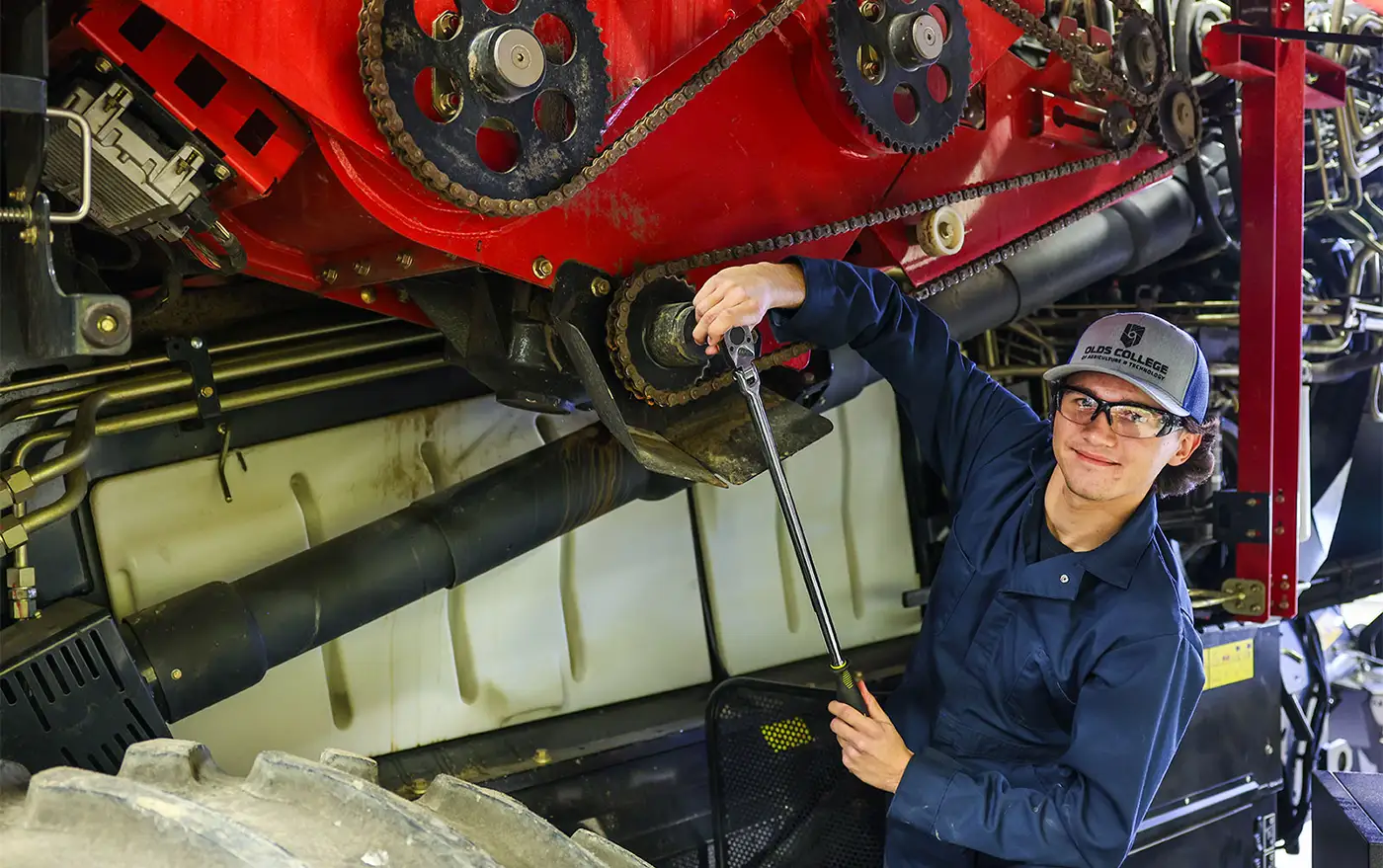
Moving parts need lubrication to work smoothly. Use oil or grease on hinges, joints, and gears. Lubrication reduces wear and stops parts from sticking. Clean old grease and dirt before applying new lubricant. Regular lubrication extends the life of tools.
Replacing Worn Components
Worn parts reduce tool performance and safety. Inspect handles, blades, and fasteners for damage or wear. Replace cracked handles or loose bolts immediately. Using good quality replacements keeps tools reliable. Check parts regularly to catch wear early.
Tools And Supplies Needed
Maintaining farm tools requires having the right tools and supplies ready. Proper maintenance keeps tools working longer and saves money. A well-stocked maintenance kit helps fix small issues fast. It also prevents major damage to valuable equipment. Here are the essential supplies needed for farm tool upkeep.
Cleaning Equipment
Clean tools last longer and work better. Dirt, mud, and rust can damage metal parts. Use brushes to remove soil from tools. A stiff-bristle brush works well for scrubbing. Rags and cloths help wipe away grime and moisture. Water and mild detergent clean stubborn dirt. Avoid harsh chemicals that may harm tool surfaces.
Lubricants And Oils
Lubricants reduce friction in moving parts. This prevents wear and tear on tools. Use machine oil or grease on hinges and joints. Spray lubricants reach tight spaces easily. Regular oiling stops rust and keeps tools smooth. Choose the right oil based on tool type and weather conditions.
Spare Parts
Spare parts help fix tools quickly. Keep extra screws, bolts, and nuts handy. Blades, handles, and springs wear out with use. Having replacements saves time and effort. Store parts in a labeled box or organizer. Inspect tools regularly to know which parts need replacement.
Troubleshooting Common Issues
Troubleshooting common issues with your farm tools is essential to keep them working efficiently and extend their lifespan. Ignoring minor problems can lead to bigger repairs or even tool replacement, which can disrupt your farming schedule and increase costs. Taking time to spot issues early and fix them yourself saves money and frustration.
Rust Prevention And Removal
Rust is a frequent problem for farm tools exposed to moisture and soil. It weakens metal parts and makes tools harder to use. You can prevent rust by storing tools in a dry place and wiping them clean after every use.
If rust appears, use a wire brush or sandpaper to remove it gently. Applying a thin layer of oil afterward protects the metal from future rust. Have you ever noticed how a little oil keeps your tools sliding smoothly?
Fixing Loose Handles
Loose handles make tools unsafe and uncomfortable to use. Often, the handle loosens because the wood shrinks or the fastening weakens. Check the handle regularly for wobbling or cracks.
You can tighten loose handles by tapping wooden wedges into the tool head or replacing worn-out screws and nails. Sometimes, soaking the wooden handle in linseed oil helps it swell and fit tighter. How often do you inspect your tool handles for stability?
Addressing Mechanical Failures
Mechanical parts like blades, gears, or springs can fail due to wear or damage. If a blade becomes dull, sharpen it with a file or grinder to restore cutting power. Broken springs or gears often need replacing to keep the tool functional.
Lubricate moving parts regularly to reduce friction and prevent breakdowns. Keeping spare parts handy can save you a trip to the store and downtime. Have you prepared a small repair kit for your farm tools yet?
Tips For Extending Tool Life
Keeping your farm tools in top shape saves you time, money, and frustration. Extending the life of your tools means they perform better and last longer, helping you get more done with less hassle. Here are some practical tips to help you protect your investment and keep your tools ready for action.
Using Tools Correctly
Using your tools the right way prevents unnecessary wear and damage. Each tool is designed for a specific purpose—using a shovel to pry rocks can bend the blade or break the handle.
Think about how you use your tools daily. Are you applying the right amount of force or using the correct technique? If not, you might be shortening their lifespan without realizing it.
Avoiding Overloading
Overloading tools stresses their parts beyond what they can handle. For example, pushing a small wheelbarrow loaded with heavy soil uphill can strain the wheels and axle.
Keep loads manageable and match the tool to the job. This simple habit protects your equipment and keeps it working smoothly season after season.
Regular Professional Servicing
Even if you clean and store tools properly, they benefit from occasional professional check-ups. Experts can spot hidden issues like loose bolts or dull blades that you might miss.
Scheduling regular servicing helps catch problems early before they turn into costly repairs. Have you booked a tool tune-up this season?

Credit: www.fleetio.com
Credit: www.oldscollege.ca
Frequently Asked Questions
What Is Maintenance Of Farm Tools?
Maintenance of farm tools involves cleaning, repairing, and lubricating equipment regularly. It ensures tools work efficiently and last longer. Proper upkeep prevents breakdowns and improves farm productivity.
Why Is Farm Tool Maintenance Important?
Maintaining farm tools prevents wear and tear, reducing repair costs. It keeps tools safe and effective, enhancing farming operations. Regular care extends tool lifespan and boosts overall farm efficiency.
How Often Should Farm Tools Be Maintained?
Farm tools should be maintained after every use or at least monthly. Frequent checks help identify issues early. Consistent maintenance ensures tools remain in optimal condition for farming tasks.
What Are Common Farm Tool Maintenance Practices?
Common practices include cleaning dirt off tools, sharpening blades, oiling metal parts, and tightening loose components. Inspecting for damage and storing tools properly also prevents rust and deterioration.
Conclusion
Proper maintenance of farm tools is crucial. It ensures longer tool life. Regular cleaning prevents rust and damage. Sharpening edges improves efficiency. Store tools in a dry place. Check for wear and tear frequently. This saves money and time. Proper care reduces replacement costs.
Safety is important during maintenance. Follow guidelines for safe practices. Clean tools also work better. Organized tools are easier to find. Keep a maintenance schedule. This helps track tool condition. Always use tools as intended. Proper maintenance boosts productivity. A well-maintained tool is a farmer’s best friend.