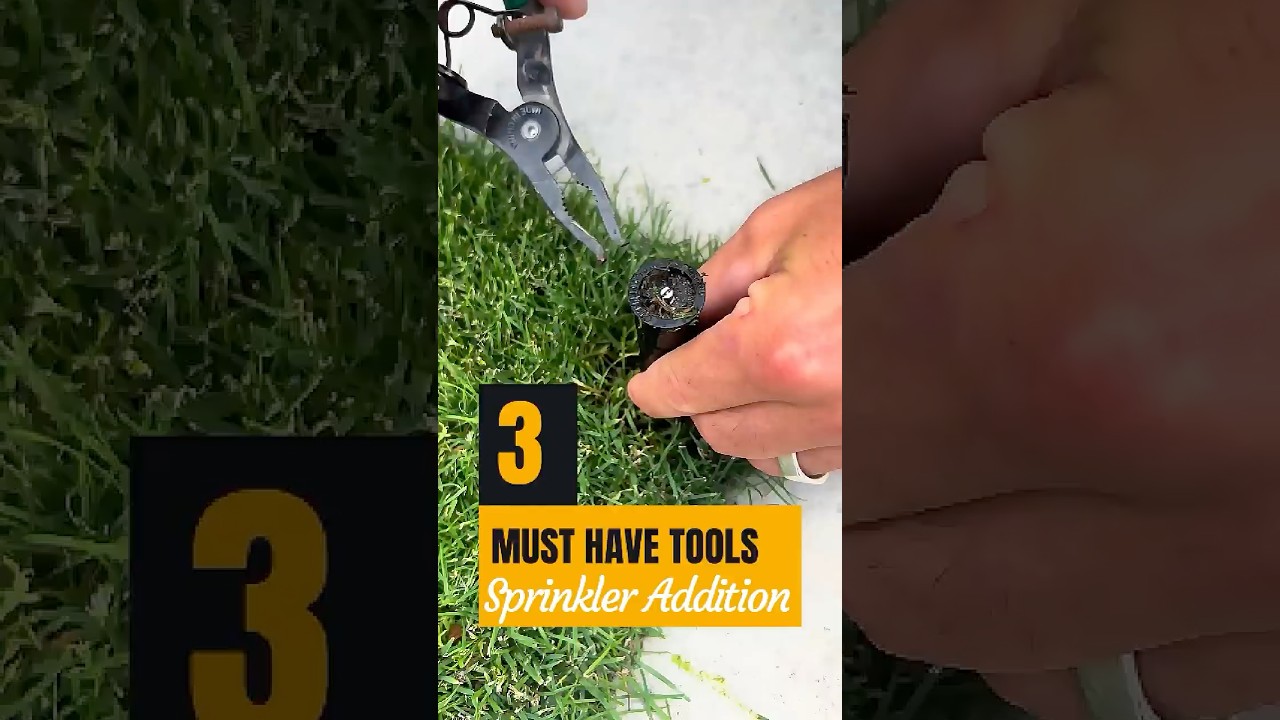
Are you tired of your sprinkler system not working the way it should? Knowing how to use sprinkler maintenance tools can save you time, money, and a lot of frustration.
When your sprinklers run smoothly, your lawn stays green and healthy without extra effort from you. You’ll discover simple, step-by-step tips to keep your system in top shape. By the end, you’ll feel confident tackling common sprinkler problems on your own.
Ready to make your watering routine easier and more efficient? Let’s get started!
Essential Sprinkler Tools
Keeping your sprinkler system in top shape requires having the right tools on hand. Essential sprinkler tools help you quickly identify issues, make precise adjustments, and perform repairs without hassle. Having these tools ready not only saves time but also prevents costly water waste and system damage.
Types Of Sprinkler Wrenches
Sprinkler wrenches come in various shapes designed to fit different sprinkler heads and risers. Using the correct wrench prevents stripping or damaging components during removal or installation. Some wrenches have adjustable heads, making them versatile for multiple sprinkler models.
Consider a wrench with a comfortable grip to reduce hand fatigue during repetitive tasks. Have at least two types: one for standard heads and one for pop-up heads. Do you find yourself struggling to loosen stubborn sprinkler heads? The right wrench can make this task effortless.
Pressure Gauges And Meters
Pressure gauges are crucial for monitoring water pressure in your sprinkler lines. Too high or too low pressure can harm your system’s performance. A handheld pressure meter lets you check pressure at various points quickly and accurately.
Some models offer digital readings with easy-to-read displays, which helps avoid guesswork. Regularly checking pressure can reveal leaks or blockages before they cause bigger problems. How often do you check your system’s pressure? Making it a habit could save you from unexpected repairs.
Valve Keys And Screwdrivers
Valve keys allow you to open and close underground sprinkler valves without digging up the ground. They come in different lengths and handle styles, so choose one that fits your valve boxes comfortably. Screwdrivers are essential for adjusting valve screws and sprinkler nozzles precisely.
A multi-bit screwdriver can handle various screw types, reducing the number of tools you carry. When adjusting valves or nozzles, small changes can have big effects on water coverage. Are you confident your screwdriver fits well enough to avoid slipping and stripping screws?
Pipe Cutters And Sealants
Pipe cutters make clean, straight cuts on PVC or polyethylene pipes, which is vital for leak-free connections. Avoid using saws or knives that can leave rough edges and damage seals. Pipe cutters designed for irrigation pipes are typically lightweight and easy to operate.
Sealants like Teflon tape or waterproof pipe glue are key to preventing leaks at joints. Applying the right amount ensures a tight seal without clogging the water flow. Have you ever had a joint leak because the sealant was applied incorrectly? Using the right tool and technique can prevent this common issue.

Credit: www.amazon.sa
Preparing For Maintenance
Preparing for sprinkler maintenance is crucial to avoid damage and ensure your system runs smoothly. Taking the time to get everything ready can save you frustration and prevent costly repairs. Let’s look at some key steps you should take before you start working on your sprinklers.
Shutting Off The Water Supply
First, locate the main water valve that controls your sprinkler system. Turning it off stops water flow and prevents accidental sprays while you work. Have you ever started fixing something only to get drenched? Shutting off the water avoids that unpleasant surprise.
Make sure the water is fully off by running a sprinkler briefly after you close the valve. If water still comes out, check for a second valve or a backflow preventer that might need turning off too.
Clearing The Area Around Sprinklers
Remove any leaves, dirt, or debris around the sprinkler heads. This gives you clear access and helps you spot any damage or blockages. Have you noticed how small twigs or grass can stop a sprinkler from working properly? Clearing the area ensures the tools reach the parts that need attention.
Also, move any furniture, toys, or garden equipment away from the sprinklers. This prevents accidents and gives you enough space to work comfortably.
Gathering Safety Gear
Before you get your hands dirty, put on protective gloves to avoid cuts from sharp edges or debris. Wearing safety glasses can protect your eyes from dirt and water spray. Have you ever had dirt fly into your eye while fixing something outdoors? It’s not fun and easily preventable.
Consider wearing sturdy shoes to protect your feet, especially if you’ll be digging or handling heavy tools. Safety gear might seem like extra hassle, but it keeps you safe and lets you focus on the task without worry.
Inspecting Sprinkler Components
Inspecting sprinkler components is key to keeping your irrigation system working well. Regular checks help find small problems before they become big. Use the right tools to look closely at each part. This saves water and keeps your plants healthy.
Checking Nozzles For Clogs
Nozzles can get blocked by dirt or debris. Remove each nozzle carefully and look inside. Use a soft brush or a pin to clear any blockage. Run water through the nozzle to test flow. Clear nozzles spray water evenly and cover the right area.
Examining Sprinkler Heads
Sprinkler heads must pop up and down smoothly. Check for cracks or damage on the head. Clean dirt and grass from around the base. Make sure the head rotates or sprays as designed. Replace heads that are broken or do not move properly.
Testing Valve Functionality
Valves control water flow to different sprinkler zones. Turn each valve on and off to check its action. Listen for unusual sounds like hissing or clanking. Look for leaks around valve connections. Repair or replace valves that leak or do not open fully.
Cleaning And Repairing Sprinklers
Keeping your sprinklers clean and well-maintained is key to ensuring they work efficiently and last longer. Dirt, debris, and wear can cause blockages or uneven watering, which wastes water and harms your plants. Learning how to clean and repair your sprinklers saves you money and keeps your garden healthy.
Removing Debris From Nozzles
Sprinkler nozzles often get clogged with dirt, grass, or small particles. Start by turning off the water supply to avoid any accidents.
Use a soft brush or a toothpick to gently remove debris from the nozzle openings. Avoid using sharp tools that might damage the nozzle.
Rinse the nozzles with water to flush out any remaining dirt. Have you noticed certain areas in your yard getting less water? Cleaning nozzles might be the simple fix you need.
Replacing Damaged Parts
Damaged sprinkler heads or cracked parts can cause leaks and uneven water distribution. Check your sprinkler system regularly for visible damage or worn-out components.
Keep a small kit of replacement parts like nozzles, seals, and sprinkler heads handy. Swapping out a broken part is easier than you think and can prevent larger system failures.
Don’t forget to match the new parts with your existing system to ensure proper fit and function. Have you ever delayed a small repair only to face a costly replacement later?
Adjusting Spray Patterns
Sometimes your sprinklers might spray water too far or not cover certain spots. Adjusting the spray pattern improves water efficiency and plant health.
Most sprinkler heads allow you to twist the nozzle or use a small screwdriver to set the spray angle and distance. Experiment with different settings until you achieve even coverage.
Pay attention to watering sidewalks or driveways—are you wasting water on these areas? Fine-tuning spray patterns helps you avoid that and keeps your lawn lush.
Using Pressure Tools Effectively
Using pressure tools effectively is essential for maintaining a sprinkler system. These tools help ensure water flows at the right force and pressure. Proper pressure keeps sprinklers working well and prevents damage. Understanding how to measure, adjust, and test pressure can save time and water.
Measuring System Pressure
Start by attaching a pressure gauge to the sprinkler system’s test port. Turn on the water supply gently. Read the pressure on the gauge while the system runs. Ideal pressure usually ranges between 30 and 50 psi. Low pressure means weak water flow. High pressure may cause broken sprinkler heads. Record the pressure for future checks.
Adjusting Pressure Regulators
Locate the pressure regulator on the main water line or near sprinkler valves. Use a screwdriver or wrench to turn the adjustment screw. Turn clockwise to increase pressure and counterclockwise to reduce it. Check the pressure gauge while adjusting. Make small changes and wait a few seconds for pressure to stabilize. Proper pressure protects pipes and sprinkler parts from damage.
Detecting Leaks With Pressure Tests
Turn off all sprinkler valves and pumps. Attach a pressure gauge to the system’s main line. Pressurize the system to normal operating pressure. Watch the gauge for 10 to 15 minutes without using water. A drop in pressure means there is a leak. Inspect sprinkler heads, pipes, and connections for water loss. Fix leaks quickly to save water and prevent damage.

Credit: www.familyhandyman.com
Winterizing Sprinkler Systems
Winterizing your sprinkler system is crucial to protect it from freezing temperatures that can cause costly damage. Proper maintenance during the off-season extends the life of your system and saves you money on repairs. Let’s look at some practical ways to prepare your sprinklers for winter using essential maintenance tools.
Draining Water From Pipes
Water left inside your sprinkler pipes can freeze and expand, leading to cracks and leaks. Start by turning off the main water supply to the system. Then, open the drain valves or manual drain plugs to let the water flow out completely.
If your system has automatic drain valves, check that they’re functioning well by inspecting for any trapped water after a watering cycle. Make sure all zones are drained to avoid hidden pockets of water that might freeze.
Have you ever skipped draining your pipes only to find a burst pipe in spring? This simple step prevents that headache and keeps your system intact.
Using Blowout Equipment Safely
Blowout equipment uses compressed air to push out remaining water from sprinkler lines. Use an air compressor with the right capacity—too much pressure can damage pipes and sprinklers.
- Connect the compressor to the system’s blowout port.
- Set the pressure between 40-80 psi, depending on your system’s specifications.
- Blow out each zone individually to ensure all water is expelled.
Always wear safety glasses and keep the nozzle pointed away from yourself and others. If you’re unsure about the pressure, consult your system’s manual or a professional to avoid costly mistakes.
Storing Tools For Off-season
Proper tool storage keeps your sprinkler maintenance gear in top condition for next spring. Clean all tools thoroughly to remove dirt and moisture.
Store items like valve keys, wrenches, and blowout adapters in a dry, organized space. Consider using labeled containers or toolboxes to find what you need quickly when the season returns.
Have you noticed how a rusty tool slows down your work? Taking time to store your tools properly pays off with smoother maintenance and less frustration.
Routine Maintenance Tips
Routine maintenance keeps your sprinkler system working efficiently. Regular care prevents damage and saves water. Using the right tools makes maintenance easier and more effective.
Scheduling Regular Inspections
Set a fixed time for checking your sprinkler system. Inspect parts like nozzles, valves, and pipes. Look for leaks, clogs, or broken components. Early detection helps avoid costly repairs. Use a calendar or app to remind you of inspections.
Documenting Maintenance Work
Keep a simple record of all maintenance tasks. Note the date, work done, and any problems found. This helps track system health over time. Use a notebook or digital file for easy access. Clear records assist in planning future maintenance.
Keeping Tools In Good Condition
Clean tools after each use to remove dirt and debris. Store them in a dry place to prevent rust. Check for wear and tear regularly. Replace damaged tools to ensure safe and efficient work. Well-maintained tools save time and effort during maintenance.

Credit: www.amazon.com
Frequently Asked Questions
What Are Essential Sprinkler Maintenance Tools?
Essential tools include a sprinkler wrench, pressure gauge, and nozzle cleaner. These help in adjusting, checking pressure, and cleaning nozzles efficiently. Using the right tools ensures proper sprinkler function and prevents damage. Regular maintenance extends the sprinkler system’s lifespan and improves irrigation efficiency.
How Do I Clean Clogged Sprinkler Nozzles?
Use a nozzle cleaner or a thin wire to remove debris. Turn off the water before cleaning. Gently insert the tool to clear blockages without damaging the nozzle. Regular cleaning prevents uneven water distribution and maintains proper sprinkler performance.
When Should I Check Sprinkler Pressure Levels?
Check pressure levels at least once each season or after repairs. Proper pressure ensures efficient water flow and prevents sprinkler damage. Use a pressure gauge to measure and adjust as needed for optimal irrigation.
Can Sprinkler Wrenches Prevent System Damage?
Yes, sprinkler wrenches provide a secure grip for adjustments. They prevent overtightening and damage to sprinkler heads and valves. Using the correct tool reduces repair costs and helps maintain system integrity.
Conclusion
Proper sprinkler maintenance ensures a healthy, vibrant garden. Tools like wrenches, pliers, and gauges are essential. They help in fixing leaks and adjusting water pressure. Routine checks prevent costly repairs later. A little effort goes a long way. Remember to inspect sprinkler heads regularly.
Clear any blockages you find. Your garden will thank you with lush growth. Invest time in understanding your tools. They are key to effective maintenance. Consistency in care keeps your system running smoothly. Enjoy a thriving garden with these simple practices.