If you work with machines that shape metal, wood, or other materials, you know how crucial it is to keep them running smoothly. But do you really understand what machine tool maintenance involves?
Knowing this can save you time, money, and frustration by preventing unexpected breakdowns and costly repairs. You’ll discover exactly what machine tool maintenance is, why it matters to your work, and how simple steps can extend the life of your equipment.
Ready to protect your investment and boost your productivity? Keep reading to learn how.
Credit: rosnokmachine.com
Machine Tool Maintenance Basics
Maintaining your machine tools is not just about fixing problems after they appear. It’s about keeping everything running smoothly to avoid costly downtime and extend the life of your equipment. Understanding the basics of machine tool maintenance helps you spot potential issues early and take action before they become major headaches.
Key Components To Maintain
Every machine tool has parts that need your attention more than others. Focus on these key components to keep your tools in top shape:
- Spindles:These are the heart of your machine, responsible for rotation and precision. Regular lubrication and checking for wear are essential.
- Guideways and Slides:These ensure smooth movement. Clean them often and apply the right lubricant to prevent rust and friction.
- Motors and Drives:Check electrical connections and inspect belts or gears for signs of damage.
- Coolant Systems:They keep the tool from overheating. Make sure coolant levels are adequate and filters are clean.
- Tool Holders and Clamps:These secure your workpieces. Inspect them for tightness and wear, as loose fittings cause errors and damage.
Have you ever noticed how a small delay in lubrication can cause big problems? Keeping a checklist for these parts can save you time and money.
Common Maintenance Challenges
Maintaining machine tools isn’t always straightforward. You’ll face some common challenges that can trip you up if you’re not prepared:
- Access Issues:Some parts are hard to reach, making cleaning and inspection tricky. Using the right tools and planning your maintenance schedule can help.
- Inconsistent Maintenance:Skipping routine checks leads to unexpected breakdowns. Setting reminders or digital alerts can keep you on track.
- Wear and Tear Detection:It’s not always easy to spot early signs of wear. Using vibration analysis or thermal imaging can reveal hidden problems.
- Contamination:Dust, metal chips, and coolant residue can accumulate and cause damage. Regular cleaning and protective covers are your best defense.
- Skill Gaps:Sometimes, operators aren’t trained enough to perform maintenance properly. Investing in training can prevent costly mistakes.
How often do you find yourself fixing an issue that could have been prevented? Addressing these challenges head-on changes the game for machine tool maintenance.
Scheduled Maintenance Practices
Scheduled maintenance practices are the backbone of keeping machine tools running smoothly. They help catch small problems before they turn into costly repairs or downtime. By sticking to a routine, you ensure your equipment stays reliable and performs at its best.
Daily Inspection Routines
Start your day with a quick check of your machines. Look for loose bolts, worn belts, or unusual noises. These small signs often warn you about bigger issues ahead.
Cleaning is just as important. Remove metal shavings, dust, and debris that can affect machine accuracy. Lubricate moving parts to reduce friction and wear.
Ask yourself: Have you noticed any changes since yesterday? Catching these early keeps your tools ready for action every day.
Weekly And Monthly Tasks
Weekly and monthly checks dive deeper than daily routines. Inspect hydraulic fluids, coolant levels, and filters. Replace or top up as needed to avoid overheating or corrosion.
Calibration is key. Verify the precision of your tool alignments and adjust if necessary. This step ensures your products meet quality standards without waste.
Don’t forget electrical components. Check wiring and connections for signs of wear or damage. Preventing electrical faults saves you from unexpected shutdowns.
How often do you review your maintenance schedule? Making adjustments based on machine performance can save time and money in the long run.
Lubrication Techniques
Lubrication is vital for machine tool maintenance. It reduces friction and wear on moving parts. Proper lubrication extends machine life and improves performance. Using the right technique avoids breakdowns and costly repairs. Understanding lubrication types and application methods is key to effective maintenance.
Types Of Lubricants
Lubricants come in several forms. Each suits different machine parts and conditions.
- Oils:Thin and flow easily. Ideal for high-speed parts.
- Greases:Thicker and stay in place. Best for slow-moving parts.
- Solid Lubricants:Like graphite or molybdenum disulfide. Used in extreme temperatures.
- Dry Lubricants:Powder or spray form. Good for dusty or dirty environments.
Choosing the right lubricant depends on machine speed, load, and temperature.
Proper Application Methods
Applying lubricant correctly ensures maximum protection. Clean the parts before application to remove dirt.
- Manual Application:Use brushes or cloth for small areas.
- Automatic Lubricators:Provide a steady supply to critical points.
- Grease Guns:Deliver grease under pressure to bearings and joints.
- Spraying:Useful for hard-to-reach parts and dry lubricants.
Follow manufacturer guidelines for quantity and frequency. Too much lubricant can cause damage. Too little may not protect the parts.
Credit: rosnokmachine.com
Cleaning And Environmental Care
Cleaning and environmental care play a vital role in machine tool maintenance. Dirt and dust can cause machines to wear out faster. Regular cleaning ensures smooth operation and longer machine life.
Maintaining a clean environment reduces the risk of damage and breakdowns. It also helps keep the workspace safe and efficient. Clean machines perform better and reduce production errors.
Effective Cleaning Methods
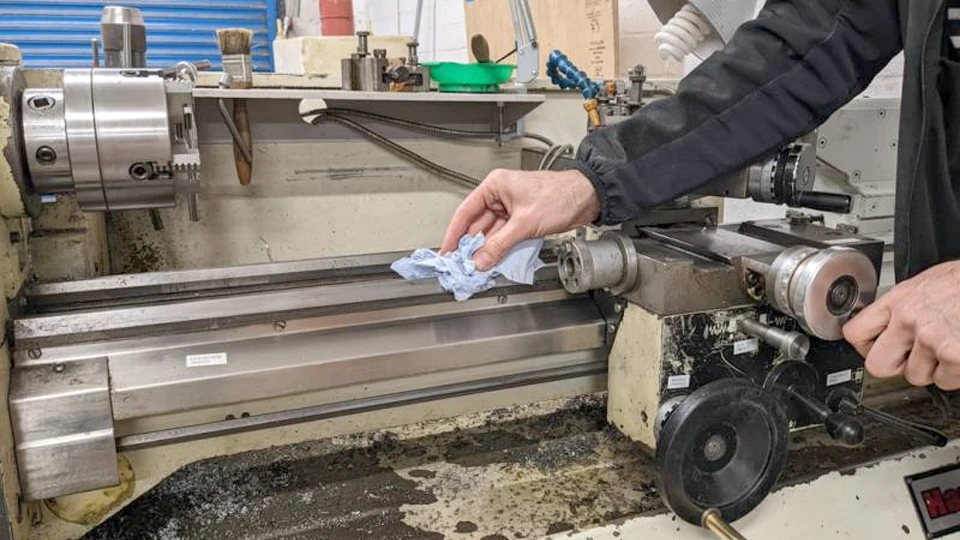
Use soft brushes to remove dust from hard-to-reach areas. Wipe surfaces with clean, lint-free cloths to avoid scratches. Apply mild cleaning solutions that do not harm machine parts.
Compressed air helps clear dirt from tight spots but use it carefully. Avoid using water directly on electrical components. Clean machines regularly to prevent buildup of grime and grease.
Protecting Against Contaminants
Keep the workspace free of dust and debris to protect machines. Store tools and materials properly to avoid accidental contamination. Use covers on machines when not in use to block dust.
Maintain proper ventilation to reduce airborne particles. Avoid eating or drinking near machines to prevent spills. Regularly check and replace filters to keep contaminants away.
Troubleshooting Common Issues
Machine tool maintenance often involves solving common problems quickly. Troubleshooting helps keep machines running smoothly and avoids costly downtime. Understanding key issues can save time and money.
Identifying Wear And Tear
Wear and tear happens naturally with regular use. Look for signs such as:
- Unusual noises during operation
- Visible scratches or dents on parts
- Reduced cutting accuracy or surface finish
- Increased vibration or heat
Checking these signs early helps prevent bigger failures. Regular inspections reveal worn-out components. Replace or repair damaged parts promptly.
Addressing Alignment Problems
Misalignment causes poor machine performance. It leads to uneven cuts and faster part wear. Signs include:
- Off-center or crooked cuts
- Excessive tool breakage
- Uneven tool wear patterns
Correct alignment by:
- Using precision measuring tools
- Adjusting machine guides and fixtures
- Checking spindle and table parallelism
Proper alignment improves accuracy and extends tool life. Regular checks ensure the machine stays in good condition.
Upgrading And Replacing Parts
Upgrading and replacing parts is vital for keeping machine tools in top shape. This process helps prevent breakdowns and extends machine life. Proper upgrades improve performance and ensure safety during operations. Choosing the right moment and parts is key for efficient maintenance.
When To Upgrade Components
Upgrade components when machines show signs of wear or reduced accuracy. Strange noises and frequent breakdowns also signal the need for new parts. Upgrading before failure avoids costly downtime and repairs. Regular inspections help identify parts that need replacement early.
Consider upgrading if new technology offers better efficiency or precision. Sometimes, older parts no longer meet production demands. Upgrading can boost productivity and reduce energy consumption. Plan upgrades during scheduled maintenance to minimize work disruption.
Selecting Quality Replacement Parts
Choose replacement parts that match original equipment specifications. Using low-quality parts may cause damage or reduce machine life. Reliable parts ensure smooth machine operation and maintain product quality. Buy from trusted suppliers with good reviews and warranties.
Check materials, durability, and compatibility before purchasing parts. Ask for certifications or test reports if available. Keep records of part replacements for future reference and maintenance planning. Good parts reduce repair frequency and save money in the long run.
Safety Measures During Maintenance
Safety is the top priority during machine tool maintenance. Proper safety measures prevent accidents and injuries. Workers must stay alert and follow clear rules. Careful planning and protective gear reduce risks. Understanding key safety steps helps create a safer work environment.
Personal Protective Equipment
Wearing the right protective gear keeps workers safe. This gear includes:
- Safety glasses to protect eyes from debris
- Gloves to avoid cuts and burns
- Ear protection against loud noises
- Steel-toed boots to protect feet
- Hard hats to guard against falling objects
Personal protective equipment must fit well and be in good condition. Using PPE consistently lowers injury chances.
Lockout And Tagout Procedures
Lockout and tagout stop machines from starting during repairs. They protect workers from unexpected power. The process involves:
- Turning off the machine
- Removing energy sources like electricity or air pressure
- Locking the power switch in the off position
- Attaching a tag to warn others not to start the machine
- Testing to make sure the machine cannot run
Following lockout and tagout rules prevents serious accidents. Only trained staff should perform these steps.
Benefits Of Regular Maintenance
Regular maintenance of machine tools isn’t just a routine task—it’s a strategic move that directly benefits your operations. When you commit to consistent upkeep, you protect your investment and enhance your workflow. Let’s dive into the key benefits you’ll notice once regular maintenance becomes part of your schedule.
Improved Machine Longevity
Keeping your machine tools in good shape extends their lifespan significantly. Dirt, dust, and worn-out parts can cause machines to break down prematurely. Regular checks help catch these issues early, preventing costly replacements.
Think about a time when a small repair saved your machine from a big failure. That simple fix could mean years added to your tool’s life. Wouldn’t you want your equipment to last as long as possible without unexpected downtime?
Enhanced Performance And Efficiency
Machines that receive regular maintenance run smoother and faster. Lubrication, calibration, and part replacements keep everything working at peak condition. This means your output is consistent and meets quality standards every time.
Imagine the frustration of a machine slowing down just when you need it most. Regular maintenance helps you avoid that scenario, keeping your production line moving efficiently. How much more productive could you be if your tools always performed their best?
Credit: www.sparxmachinetools.co.uk
Frequently Asked Questions
What Is Machine Tool Maintenance?
Machine tool maintenance involves regular inspection and servicing of machines. It ensures optimal performance, reduces downtime, and extends tool life. Proper maintenance prevents breakdowns and improves production quality.
Why Is Machine Tool Maintenance Important?
Maintenance enhances machine accuracy, safety, and efficiency. It minimizes costly repairs and production delays. Regular care protects your investment and boosts overall manufacturing productivity.
How Often Should Machine Tools Be Maintained?
Maintenance frequency depends on machine type and usage. Generally, routine checks occur weekly, with detailed servicing quarterly or annually. Following manufacturer guidelines ensures timely upkeep.
What Are Common Machine Tool Maintenance Tasks?
Common tasks include cleaning, lubrication, alignment checks, and part replacements. These prevent wear and tear, ensuring smooth machine operation and consistent output quality.
Conclusion
Maintaining machine tools is crucial for smooth operations. Regular checks help prevent costly breakdowns. Timely maintenance ensures equipment lasts longer. It also boosts efficiency and safety. Simple tasks like cleaning and lubrication make a big difference. Following a maintenance schedule helps avoid unexpected issues.
Skilled technicians can spot potential problems early. Keeping tools in top shape saves money in the long run. Consistent care reduces downtime and improves productivity. Investing time in maintenance pays off. Machines run better, work is safer, and business thrives.