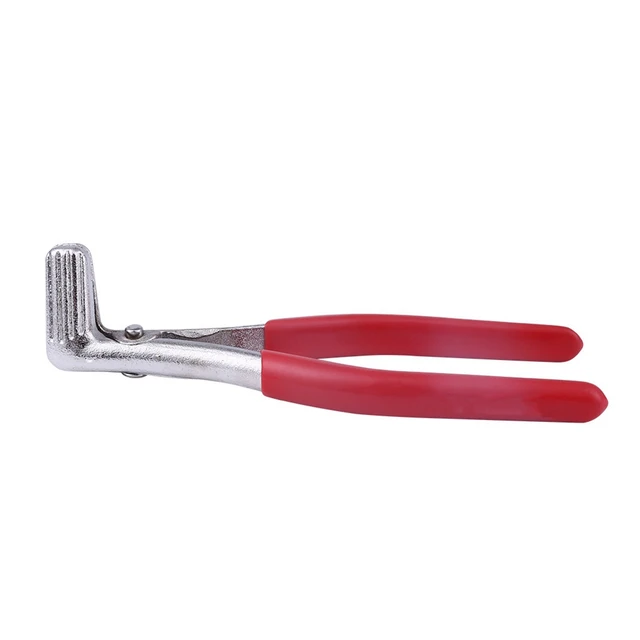
Are you struggling to keep your batteries in top shape? Choosing the right battery maintenance tool can make all the difference in how long your batteries last and how well they perform.
But with so many options available, which one is truly the best for your needs? You’ll discover the key tools that can save you time, money, and frustration. Keep reading to find out which battery maintenance tool fits perfectly with your routine and ensures your devices never let you down.
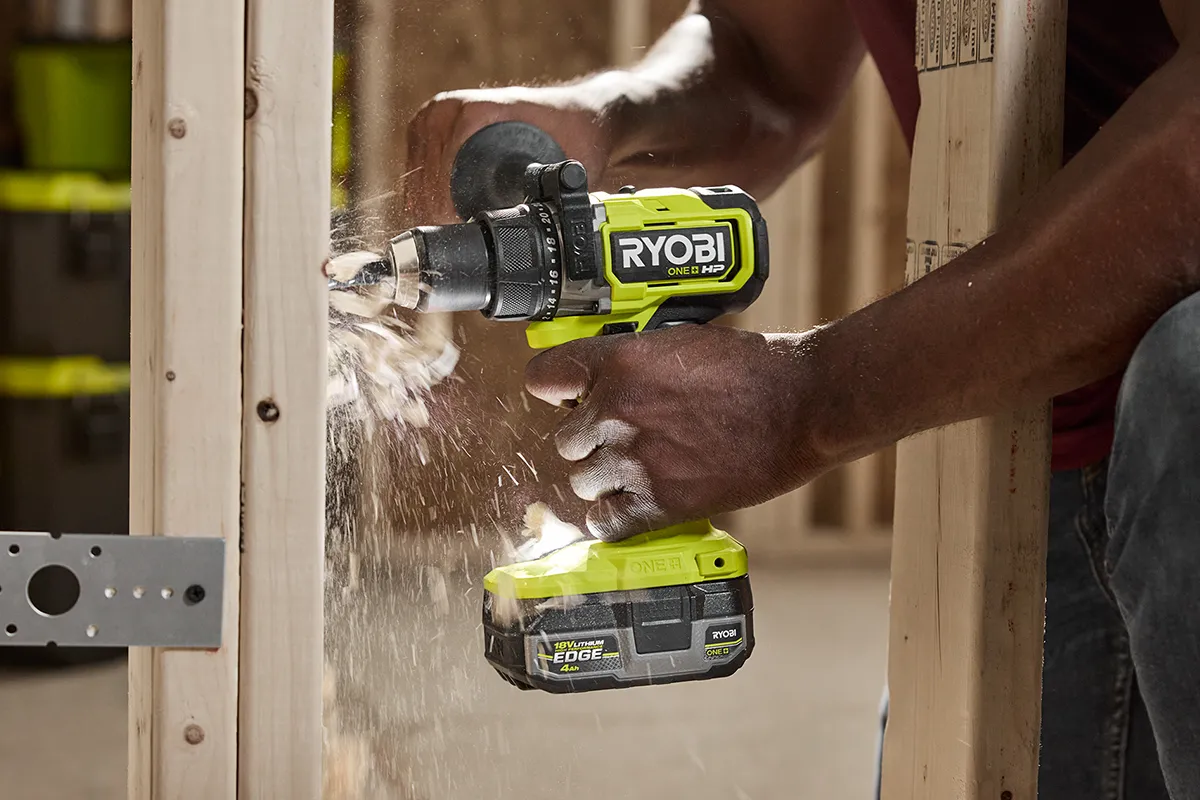
Credit: www.ttigroup.com
Types Of Battery Maintenance Tools
Maintaining your battery’s health requires the right tools. Choosing the appropriate battery maintenance tool depends on your battery type and usage habits. Knowing the options available can help you extend your battery life and avoid unexpected failures.
Trickle Chargers
Trickle chargers supply a low, steady charge to your battery over time. They are great for keeping batteries topped off without overcharging. If you store your vehicle or equipment for long periods, a trickle charger helps prevent battery drain.
Smart Chargers
Smart chargers adjust the charging rate based on your battery’s condition. They automatically switch between bulk, absorption, and float modes. This prevents overcharging and protects your battery from damage.
Desulfators
Desulfators work by breaking down sulfate crystals that build up on battery plates. These crystals reduce battery capacity and lifespan. Using a desulfator can revive older batteries and improve performance.
Battery Tender
A battery tender is similar to a trickle charger but smarter. It monitors battery voltage and switches to a maintenance mode when fully charged. This tool is ideal for motorcycles, boats, and seasonal vehicles.
Hydrometer
A hydrometer measures the specific gravity of your battery’s electrolyte. This tells you the battery’s state of charge and health. Checking this regularly can alert you to issues before they become serious.
Factors Affecting Battery Longevity
Understanding the factors that affect battery longevity is essential if you want your devices to perform reliably over time. Batteries naturally degrade, but how you maintain them plays a huge role in extending their lifespan. Let’s dive into some key elements you should pay attention to when choosing and using battery maintenance tools.
Charge Consistency
Keeping your battery consistently charged within optimal levels can significantly improve its lifespan. Avoid letting it drain completely or charging it to 100% all the time. Tools that offer smart charging cycles help maintain this balance by stopping the charge at the right moment and resuming only when needed.
Have you noticed your phone or laptop battery lasting shorter after a few months? That’s often because of inconsistent charging habits. Maintaining steady charge levels reduces stress on the battery’s cells, which means fewer replacements and better performance.
Temperature Control
Batteries hate extreme temperatures. High heat can cause irreversible damage, while cold can temporarily reduce capacity. Maintenance tools with temperature monitoring or cooling features protect your battery from these extremes.
Think about the last time you left your phone in a hot car. Did it behave sluggishly afterward? That’s temperature affecting your battery life. Keeping devices within safe temperature ranges helps preserve battery health and prevents sudden failures.
Overcharging Prevention
Overcharging is a silent killer for batteries. Leaving a device plugged in after it’s fully charged can cause chemical changes that degrade the battery. Maintenance tools with overcharge protection automatically cut off the power once the battery is full.
Have you experienced your battery swelling or heating up after long charging sessions? That’s a warning sign you need a better overcharge prevention system. Using chargers or maintainers with this feature safeguards your battery and your device.
Battery Type Compatibility
Not all batteries are created equal. Lithium-ion, nickel-metal hydride, lead-acid – each type requires different care. A maintenance tool designed specifically for your battery type ensures the right charging profile and protection mechanisms.
Imagine using a lead-acid charger on a lithium-ion battery. The mismatch can cause poor charging or even damage. Always check your battery’s specifications and match them with compatible maintenance tools for best results.
Comparing Tool Effectiveness
Comparing the effectiveness of battery maintenance tools helps choose the best one for your needs. Different tools offer unique benefits and features. Understanding these differences makes battery care easier and safer. The following sections break down key aspects of popular tools to help you decide.
Charging Speed
Charging speed varies widely between tools. Some chargers fill batteries quickly, saving time. Others focus on slow, steady charging to protect battery life. Fast chargers suit urgent needs but risk overheating. Slow chargers extend battery lifespan by avoiding stress. Choose based on how fast you need the battery ready.
Maintenance Mode Features
Maintenance mode keeps batteries healthy over time. Tools with this feature prevent overcharging. They supply a low, steady current to keep batteries full. This mode stops battery degradation during long storage. Not all chargers include maintenance mode. It is vital for preserving battery power and life.
Ease Of Use
Simple controls make maintenance tools user-friendly. Clear displays and buttons reduce mistakes. Some chargers have automatic settings requiring little input. Others need manual adjustments, which can confuse beginners. Portability and lightweight design also affect ease of use. Pick a tool that fits your comfort level and skills.
Safety Features
Safety features protect both the user and the battery. Look for tools with overcharge protection. Short circuit and reverse polarity safeguards are important. Temperature control prevents overheating and damage. Good safety features reduce risks during charging. They ensure peace of mind during battery maintenance.

Credit: www.amazon.com
User Reviews And Expert Opinions
Understanding what real users and experts say about battery maintenance tools can save you time and money. Their insights reveal practical strengths and weaknesses that product descriptions often miss. Let’s look at how customer feedback and professional advice shape the choice of the best tool for your needs.
Customer Satisfaction
Customers often highlight ease of use and reliability as top priorities. Many users appreciate tools with clear indicators and simple operation, especially those who maintain batteries at home. One user shared how a particular battery tester saved them from buying a costly replacement by accurately diagnosing a minor issue early.
On the flip side, some reviews point out hidden flaws like short cable lengths or confusing instructions. These small details can turn a good tool into a frustrating experience. Have you ever bought a gadget that looked perfect but failed in everyday use? Reading detailed reviews helps avoid that pitfall.
- Look for consistency in positive comments about accuracy and durability.
- Beware of repeated complaints on the same issue, like battery compatibility problems.
- Check if customer service is responsive when issues arise.
Professional Recommendations
Experts focus heavily on performance metrics and long-term reliability. Automotive technicians, for example, often recommend tools that offer multi-function capabilities—testing voltage, charging systems, and battery health in one device. These tools may cost more but provide more value over time.
Professional advice also stresses the importance of safety features like overload protection and clear warning signals. Such features protect both the user and the battery from damage. If you handle batteries regularly, can you afford to skip these safeguards?
| Expert Tip | Why It Matters |
|---|---|
| Choose tools with digital displays | They provide more precise readings than analog meters |
| Prioritize tools with automatic testing modes | This reduces user error and speeds up diagnosis |
| Consider brand reputation and warranty | Trusted brands often offer better support and product longevity |
Combining user experiences with expert advice helps you pick a tool that fits your specific needs. Which features matter most to you when maintaining your batteries?
Cost Vs. Longevity Benefits
Balancing the cost of battery maintenance tools with their longevity benefits is crucial for making smart purchases. You want tools that offer durable performance without draining your wallet upfront. Understanding this balance helps you avoid spending too much now or facing frequent replacements later.
Initial Investment
Battery maintenance tools vary widely in price. Basic testers or chargers may cost less but often lack advanced features that extend battery life.
Spending a bit more on high-quality tools can feel like a stretch at first. However, these tools often come with better build quality and smarter technology that protects your battery better.
Ask yourself: Are you willing to pay more now to avoid buying replacements soon? This question helps you weigh the value of a higher initial investment.
Long-term Savings
Quality battery maintenance tools can save you money over time by preventing battery damage and improving overall lifespan.
For example, a smart charger that prevents overcharging might cost double a basic charger, but it could extend your battery life by months or even years.
Think about how much you spend replacing batteries or dealing with unexpected failures. Investing in reliable tools reduces these costs and your frustration.
Which is more costly for you: a higher upfront price or frequent replacements? Consider this carefully before making your choice.

Credit: swiftpower.com
Choosing The Right Tool For Your Battery
Choosing the right tool for your battery helps keep it healthy and working longer. Different batteries need different care tools. Picking a tool that fits your battery type and use can save money and avoid damage. Understanding your battery’s needs is the first step.
Good maintenance tools make charging safe and efficient. They prevent overcharging and improve battery life. Knowing how often and how you use your battery guides the right tool choice.
Matching Tool To Battery Type
Battery types vary widely, such as lead-acid, lithium-ion, or nickel-metal hydride. Each type needs a specific charger or maintainer. Using the wrong tool can cause poor charging or damage. Check the battery label or manual for the type. Choose a tool designed for that type to ensure safe care.
Some tools offer adjustable settings for multiple battery types. These can be useful for users with more than one battery kind. Still, verify compatibility before use. Tools for sealed batteries differ from those for flooded types. Match the tool’s features with your battery’s requirements for best results.
Assessing Usage Patterns
Consider how often the battery is used. Batteries in daily use need different maintenance than seasonal ones. For daily use, a smart charger with quick charging and maintenance modes works well. For seasonal use, a trickle charger that prevents discharge during long inactivity is ideal.
Think about the battery’s size and capacity too. Larger batteries may need higher output chargers. Small batteries require gentle charging to avoid overheating. Assess your usage to pick a tool that matches power and care needs. Proper matching reduces wear and extends battery life.
Frequently Asked Questions
What Is The Best Tool For Battery Maintenance?
The best tool for battery maintenance is a digital multimeter. It accurately measures voltage, current, and resistance, helping monitor battery health and prevent failures.
How Does A Battery Maintainer Work?
A battery maintainer supplies a low, steady charge to keep batteries fully charged. It prevents overcharging and extends battery life by maintaining optimal voltage.
Can A Battery Charger Be Used As A Maintainer?
Yes, some battery chargers have maintenance modes. These modes provide a trickle charge to keep batteries charged without damage.
Why Use A Hydrometer For Battery Maintenance?
A hydrometer measures electrolyte specific gravity in lead-acid batteries. It helps assess battery charge and health by checking acid concentration levels.
Conclusion
Choosing the right battery maintenance tools keeps your battery healthy. Each tool serves a unique purpose. Regular check-ups can prevent issues. Always handle tools with care. A well-maintained battery lasts longer. Invest in quality tools for better results. Safety should always be your top priority.
Follow instructions carefully for each tool. This ensures effective maintenance. Remember, small efforts lead to big savings. Extend your battery’s life with regular care. Simple steps make a huge difference. Keep your tools organized and accessible. Stay informed about new maintenance techniques.
Enjoy the benefits of a well-maintained battery.