Have you ever wondered why your tools don’t last as long as they should or why your projects sometimes go off track? The secret often lies in how well you maintain your measuring tools.
Keeping your tools in top shape isn’t just about saving money—it’s about ensuring accuracy, safety, and efficiency every time you work. If you want to avoid costly mistakes and get the best results, understanding the importance of measuring tool maintenance is a game-changer.
Stick with me, and you’ll discover simple steps that protect your tools and boost your work quality like never before.

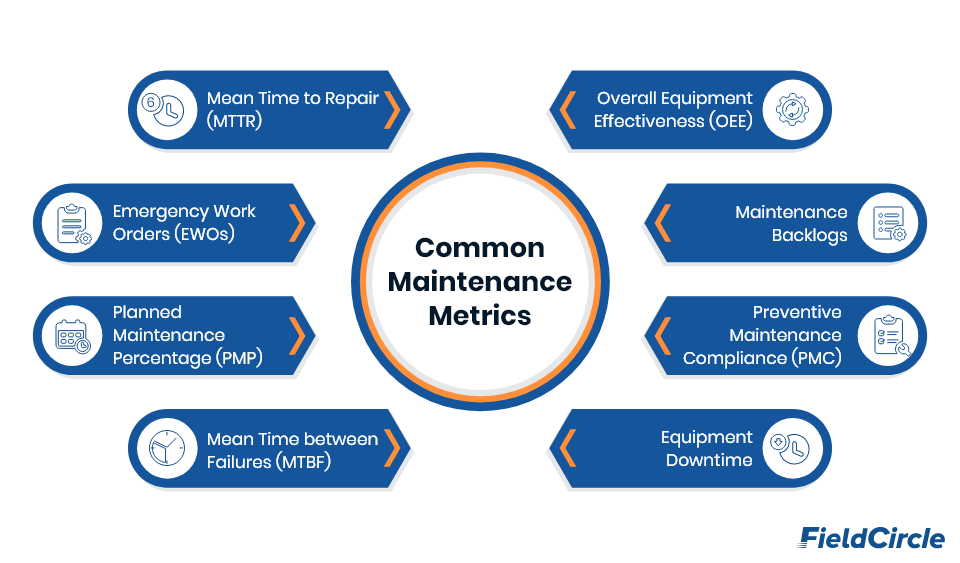
Credit: safetyculture.com
Tool Maintenance Basics
Maintaining measuring tools is crucial for accurate results. Proper care extends tool life and ensures reliability in every measurement. Understanding basic maintenance helps prevent errors and costly repairs.
Types Of Measuring Tools
Measuring tools come in many forms. Some common types include:
- Calipers
- Micrometers
- Dial indicators
- Measuring tapes
- Height gauges
Each tool has specific uses and requires unique care. Knowing the type helps choose the right maintenance approach.
Common Maintenance Practices
Regular cleaning keeps tools free from dirt and debris. Use soft cloths and avoid harsh chemicals. Lubricate moving parts lightly to prevent rust and wear. Store tools in dry, safe places to avoid damage. Check calibration often to maintain precision. Replace worn parts promptly to ensure accuracy.
Enhancing Accuracy
Enhancing accuracy through regular maintenance of measuring tools is vital to achieving reliable results in any task. When your tools are well-maintained, they provide consistent and precise readings, which directly influence the quality of your work. Neglecting this aspect can lead to unnoticed deviations that affect the entire project.
Impact On Measurement Precision
Precision depends heavily on the condition of your measuring instruments. Dirt, rust, or worn-out parts can cause subtle shifts in readings that accumulate over time. Have you ever experienced a project setback caused by a tiny miscalculation? That often stems from imprecise tools.
Keeping tools calibrated and clean ensures that each measurement reflects the true value. This practice helps maintain tight tolerances and prevents costly mistakes. Accurate data means you can trust your measurements and make better decisions.
Reducing Errors And Rework
Errors in measurement often lead to rework, wasting time and resources. Regular maintenance minimizes these errors by keeping your tools in top shape. Imagine how much smoother your workflow would be if you reduced the need to redo tasks caused by faulty measurements.
By catching potential tool issues early, you can avoid unexpected breakdowns and delays. This proactive approach saves money and boosts productivity. How often do you check your tools to prevent errors before they happen?
Extending Tool Lifespan
Extending the lifespan of measuring tools is vital for maintaining accuracy and efficiency. Proper maintenance ensures tools remain reliable over time. It reduces the chances of unexpected breakdowns. Well-kept tools perform better, producing consistent results. This section explores how maintenance helps extend tool lifespan.
Preventing Wear And Tear
Regular maintenance stops small problems from becoming big issues. Cleaning tools removes dirt and debris that cause damage. Lubricating moving parts reduces friction and prevents rust. Checking calibration keeps tools accurate and prevents misuse. Early detection of wear avoids costly repairs later.
Cost Savings From Longevity
Extending tool life saves money on replacements. Tools that last longer reduce spending on new equipment. Less downtime means more productivity and fewer delays. Proper care lowers repair costs by catching issues early. Investing time in maintenance protects your financial resources.
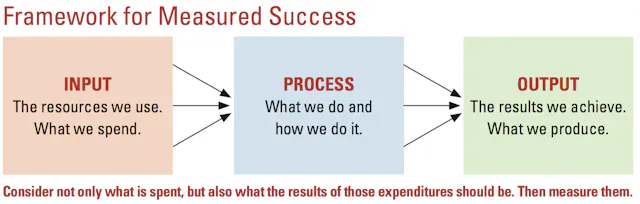
Credit: www.constructionequipment.com
Boosting Productivity
Maintaining measuring tools properly plays a vital role in boosting productivity. Well-kept tools deliver accurate results quickly. Workers spend less time fixing errors and more time completing tasks. This leads to smoother operations and faster project completion. Productivity rises as tools work efficiently without unexpected failures.
Minimizing Downtime
Proper maintenance reduces tool breakdowns and unexpected stops. Regular checks catch issues early, preventing major damage. This means tools stay ready to use. Less downtime means workers keep working without long pauses. Projects move forward steadily without interruptions.
Streamlining Workflow
Accurate tools help workers complete jobs faster and better. Consistent tool performance creates a reliable workflow. Tasks flow smoothly from start to finish without delays. Workers gain confidence using well-maintained tools. This reduces mistakes and rework, saving time and effort.
Ensuring Safety
Ensuring safety is a top priority in any workplace that uses measuring tools. Proper maintenance keeps tools reliable and safe to use. It reduces risks that come from faulty or broken equipment.
Avoiding Malfunctions
Regular maintenance helps spot problems before they cause malfunctions. A small fault in a measuring tool can lead to big errors. These errors might cause accidents or damage other equipment. Checking tools often ensures they work correctly and safely.
Protecting Operators
Operators face risks if tools are unsafe. Sharp edges, loose parts, or incorrect readings can harm users. Well-maintained tools reduce these dangers. Safe tools help workers feel confident and avoid injuries. Protecting operators is essential for a smooth workflow and a safe workplace.
Compliance And Standards
Maintaining your measuring tools isn’t just about keeping them in good shape—it plays a crucial role in meeting compliance and standards that industries demand. You might wonder how regular upkeep connects to the rules and expectations set by governing bodies. The truth is, consistent tool maintenance ensures your measurements stay accurate and reliable, which keeps you aligned with legal and quality benchmarks.
Meeting Industry Regulations
Many industries require strict adherence to regulations that demand precise measurements. If your tools aren’t properly maintained, they can produce faulty data, causing you to fall out of compliance. This can lead to costly fines, product recalls, or even shutdowns.
Think about a case where a manufacturing plant failed an audit because their measuring tools were out of calibration. The company had to halt production for days to fix the issue, causing delays and lost revenue. Regular maintenance helps you avoid these risks by ensuring your tools meet regulatory standards consistently.
Quality Control Benefits
Accurate measurements are the backbone of quality control. If your tools are worn or damaged, the quality of your products can suffer without you even realizing it. This can result in defective products reaching customers and damaging your reputation.
By maintaining your tools, you improve the reliability of your quality checks. This means fewer errors, less waste, and higher customer satisfaction. Have you ever experienced a quality issue that could have been prevented by simply checking your tools? Taking care of your measuring devices protects both your product and your brand.
Implementing Effective Maintenance
Implementing effective maintenance for measuring tools ensures accuracy and extends tool life. Proper care reduces errors and downtime in work processes. It also protects the investment in expensive equipment. A clear maintenance plan helps maintain tool reliability and performance.
Scheduling And Checklists
Set a regular schedule for tool inspections and maintenance. Use checklists to track tasks and ensure nothing is missed. Schedule cleaning, calibration, and repairs at specific intervals. This approach helps catch problems early and keeps tools in good condition. Checklists improve accountability and make maintenance easier to manage.
Training And Best Practices
Train all users on proper tool handling and care. Teach best practices for cleaning and storage to prevent damage. Provide clear instructions on calibration and maintenance steps. Well-trained staff reduce the risk of tool misuse and errors. Continuous training ensures everyone stays updated on maintenance requirements.
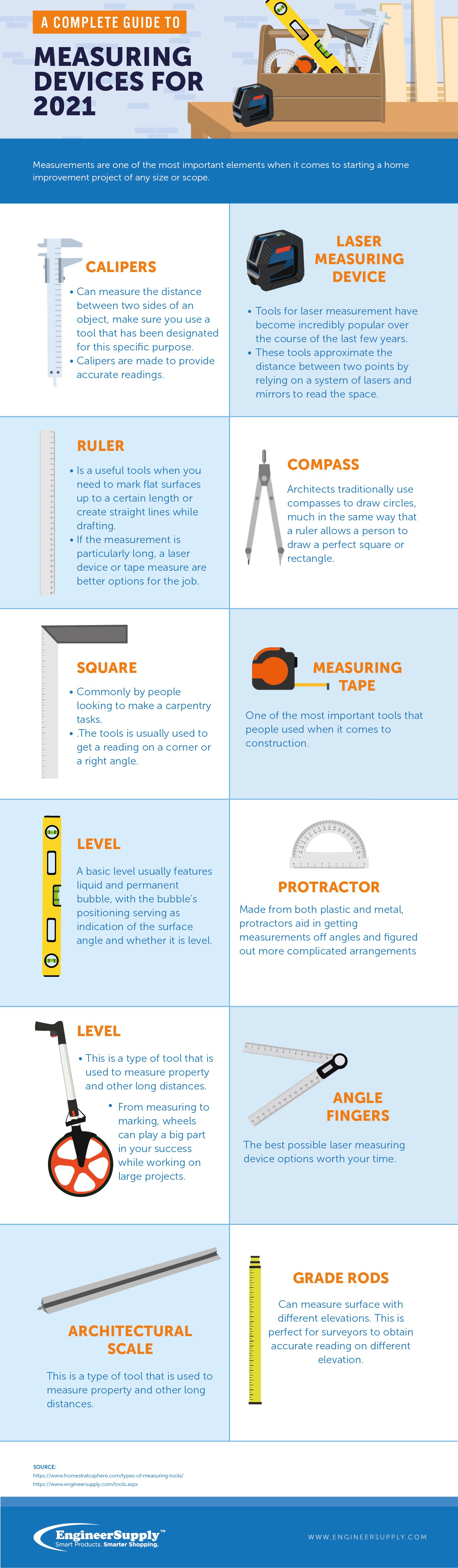
Credit: www.engineersupply.com
Frequently Asked Questions
Why Is Measuring Tool Maintenance Essential?
Measuring tool maintenance ensures accuracy and reliability in measurements. It prevents errors, extends tool life, and reduces costly downtime. Regular upkeep helps maintain quality control and boosts productivity in manufacturing and engineering processes.
How Often Should Measuring Tools Be Maintained?
Measuring tools should be maintained regularly, ideally after every use or monthly. Frequent checks prevent wear and tear, ensuring precision. The maintenance frequency depends on tool usage, environment, and manufacturer recommendations for best results.
What Are Common Maintenance Practices For Measuring Tools?
Common maintenance includes cleaning, calibration, lubrication, and proper storage. Calibration ensures measurement accuracy, while cleaning removes debris that may affect results. Lubrication prevents rust, and correct storage protects tools from damage and environmental factors.
How Does Maintenance Improve Measuring Tool Accuracy?
Maintenance keeps tools calibrated and free from damage, ensuring precise readings. It minimizes measurement errors caused by wear or contamination. Accurate tools lead to consistent product quality and reduce waste in production.
Conclusion
Measuring tool maintenance ensures tools last longer. It saves time and money. Regular checks prevent unexpected issues. Tools work better with proper care. Safe tools mean fewer accidents. Reliable tools boost work quality. Workers feel confident using well-maintained tools. Clients trust consistent results.
Maintenance is a smart habit. It helps avoid costly repairs. Organized tools make work smooth. Regular care keeps projects on track. Always prioritize tool health. It benefits everyone involved. Remember, good maintenance equals great performance.