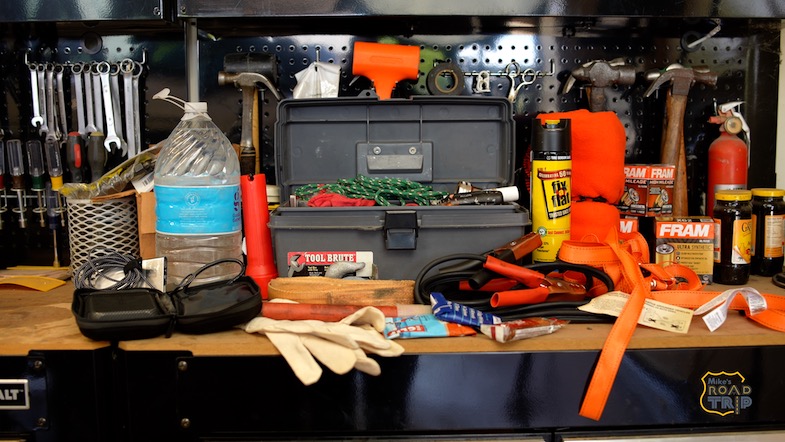
Keeping your truck in top shape doesn’t have to be complicated or expensive. With the right tools, you can handle basic maintenance tasks yourself, saving time and money while avoiding unexpected breakdowns.
But what tools do you actually need to get started? You’ll discover the essential tools that every truck owner should have on hand. Whether you’re new to truck maintenance or just want to be better prepared, knowing these tools will give you confidence and control over your truck’s health.
Keep reading to find out exactly what you need to keep your truck running smoothly.
Essential Hand Tools
Essential hand tools form the backbone of basic truck maintenance. These tools help fix common problems fast. They fit in your toolbox and handle many tasks.
Having the right hand tools saves time and effort. They make small repairs easier and safer. Knowing which tools to keep ready is important.
Wrenches And Sockets
Wrenches and sockets help loosen and tighten bolts and nuts. A set with various sizes is best. Ratchet sockets speed up work in tight spots. Open-end and box wrenches cover different angles. They fit most truck fasteners.
Screwdrivers
Screwdrivers turn screws to open or secure parts. Flathead and Phillips are the main types. Choose sizes that match screw heads. Magnetic tips hold screws in place. Comfortable handles reduce hand strain.
Pliers And Cutters
Pliers grip, twist, and cut wires or small parts. Needle-nose pliers reach tight spots easily. Slip-joint pliers adjust to different sizes. Wire cutters cut cables and wires cleanly. They help with electrical and mechanical tasks.
Hammer And Mallet
A hammer drives nails and taps parts into place. A rubber mallet avoids damage on soft surfaces. Both tools help loosen stuck parts. Keep them handy for quick repairs and adjustments.
Fluids And Lubricants
Keeping your truck running smoothly means paying close attention to its fluids and lubricants. These essential substances reduce wear, prevent overheating, and ensure every part moves as it should. Knowing which fluids to check and how to maintain them can save you time, money, and unexpected breakdowns.
Engine Oil And Filters
Your truck’s engine oil is like its lifeblood. It lubricates moving parts, reduces friction, and helps cool the engine. Regularly checking the oil level and changing it according to your truck’s manual keeps the engine healthy.
Don’t forget the oil filter. It traps dirt and debris, preventing them from damaging engine components. Changing the filter with every oil change is a simple step that protects your engine and extends its life.
Coolant And Antifreeze
Coolant plays a crucial role in regulating your engine’s temperature. It prevents overheating in the summer and freezing in the winter, which can cause serious damage.
Check the coolant level regularly and top it off if needed. Using the right type of antifreeze for your truck ensures optimal protection, so always consult your owner’s manual before adding any fluid.
Brake Fluid
Brake fluid transfers the force from your brake pedal to the brake pads. Without the right level and quality of brake fluid, your stopping power can become dangerously unreliable.
Brake fluid absorbs moisture over time, which reduces its effectiveness. Flushing and replacing brake fluid at recommended intervals keeps your braking system responsive and safe.
Grease And Lubricants
Grease is vital for parts that experience heavy friction, like wheel bearings and chassis components. Applying grease regularly keeps these parts moving smoothly and prevents wear.
Use a high-quality grease gun for precise application. Don’t overlook other lubricants, such as those for door hinges and suspension parts—they keep your truck quiet and functioning well.
Diagnostic Equipment
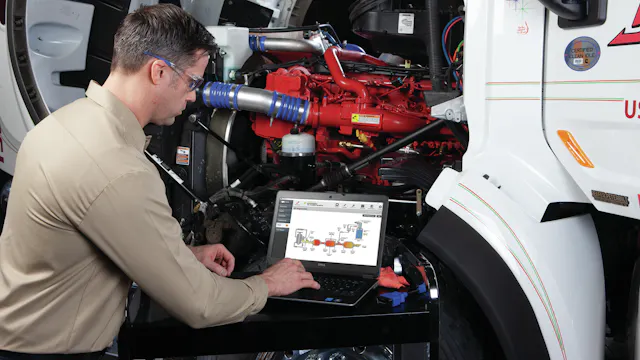
Diagnostic equipment plays a key role in basic truck maintenance. These tools help find problems early. They save time and money by preventing major repairs. Using the right diagnostic tools keeps your truck running smoothly.
Obd-ii Scanner
An OBD-II scanner reads your truck’s computer system. It shows error codes from the engine and other parts. You can quickly spot issues like sensor failures or emissions problems. This tool is easy to use and connects to the truck’s OBD port. It helps you understand what needs fixing before it gets worse.
Multimeter
A multimeter measures electrical values such as voltage, current, and resistance. It checks the health of your truck’s battery and wiring. This tool helps find electrical faults like bad fuses or broken wires. Using a multimeter is essential for basic electrical diagnostics. It ensures your truck’s electrical system works correctly.
Pressure Gauges
Pressure gauges measure fluids and air pressure in your truck. They check tire pressure, oil pressure, and fuel pressure. Correct pressure levels improve performance and safety. These gauges help detect leaks or blockages early. Carrying pressure gauges ensures your truck operates within safe limits.
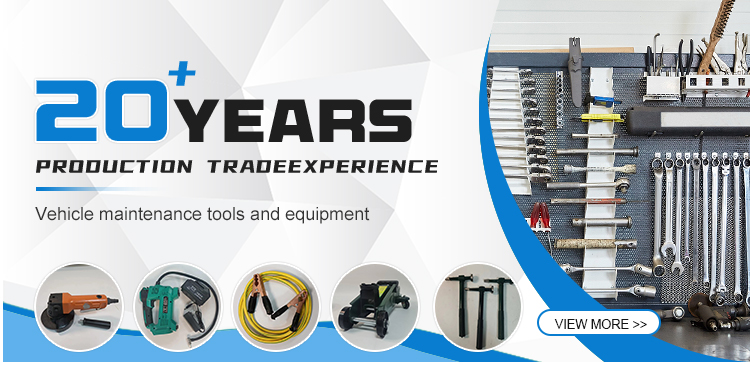
Credit: www.alibaba.com
Safety Gear
Safety gear is essential for basic truck maintenance. It protects you from injuries and accidents. Using the right safety equipment reduces risks. It helps you work with confidence and care. Below are key safety items every truck owner should have.
Gloves And Eye Protection
Gloves shield your hands from cuts, burns, and chemicals. Choose durable gloves that fit well and offer good grip. Eye protection prevents dirt, dust, and fluids from entering your eyes. Safety glasses or goggles work best. Always wear them during repairs or cleaning.
Jack And Stands
A strong jack lifts the truck safely off the ground. Use a jack rated for your truck’s weight. Jack stands support the vehicle after lifting. Never rely on the jack alone. Place stands under solid points to hold the truck steady.
Wheel Chocks
Wheel chocks stop the truck from rolling. Place them behind or in front of the wheels. Use heavy-duty chocks that fit your tire size. They add extra safety while working under or around the truck.
Tire Maintenance Tools
Tire maintenance is key for safe and smooth truck driving. Keeping tires in good shape helps avoid accidents and saves money on fuel and repairs. Basic tire tools make checking and fixing tires easier. These tools ensure tires stay properly inflated and securely fastened.
Tire Pressure Gauge
A tire pressure gauge measures the air pressure inside tires. Proper pressure improves tire life and fuel efficiency. Use the gauge regularly to check pressure before trips. Carry a small, easy-to-read gauge in the truck for quick checks.
Tire Inflator
A tire inflator adds air to tires quickly and easily. Many inflators plug into the truck’s power outlet. Some models have automatic shut-off when the right pressure is reached. A reliable inflator helps maintain correct tire pressure anytime.
Lug Nut Wrench
A lug nut wrench loosens and tightens lug nuts on truck wheels. It is essential for changing a flat tire safely. Choose a wrench that fits your truck’s lug nuts perfectly. A sturdy, easy-to-use wrench makes tire changes faster and safer.
Cleaning And Detailing Supplies
Keeping a truck clean and well-detailed helps maintain its value and appearance. Basic cleaning and detailing supplies make this task easier and more effective. These tools remove dirt, grease, and grime while protecting the truck’s paint and surfaces. Proper supplies ensure a thorough clean without causing damage.
Rags And Brushes
Soft rags are essential for wiping and drying surfaces without scratching. Microfiber cloths work best for cleaning glass and paint. Brushes help reach tight spots, like wheels and grills. Choose brushes with soft bristles to avoid damaging the finish. Having different sizes and types of brushes makes cleaning easier.
Degreasers And Cleaners
Degreasers break down heavy dirt and oil on engines and undercarriages. Use them to clean stubborn grease safely. General truck cleaners remove dust and grime from the body and interior. Pick cleaners that are gentle but effective. Always follow product instructions to protect surfaces and avoid residue.
Wax And Polish
Wax protects the paint from dirt and UV rays, keeping it shiny longer. Polish removes minor scratches and smooths the surface before waxing. Apply polish carefully using a soft cloth or applicator pad. Regular waxing and polishing improve the truck’s look and shield it from wear. Choose products made for automotive use for best results.
Storage And Organization
Keeping your truck maintenance tools well-stored and organized saves you time and frustration. Imagine digging through a messy pile of wrenches and screwdrivers when you need to tighten a bolt quickly. Proper storage and organization help you find the right tool instantly, making your maintenance work smoother and more efficient.
Toolbox And Organizers
A sturdy toolbox is the foundation of your tool storage. Choose one with multiple compartments to separate different types of tools. Portable boxes with sturdy handles make it easy to carry your tools wherever you work on your truck.
Organizers like trays and small bins inside the toolbox keep smaller items like screws and sockets from getting lost. Consider stackable organizers if you have many tools or parts. This way, you can add more storage without cluttering your workspace.
Labeling And Inventory
Labeling your toolbox compartments and organizers speeds up tool retrieval. Use clear, easy-to-read labels for each section, so you don’t waste time guessing where something belongs. This also helps maintain order after each maintenance session.
Keeping an inventory list of your tools is a smart move. It helps you track what you have and what needs replacement. You can use a simple notebook or a digital app to record your tools and check them off after each job.
Have you ever found yourself missing a crucial wrench right when you need it most? Keeping an inventory prevents that problem and saves you from last-minute trips to the store.

Credit: www.therockwrangler.com
Credit: www.fleetmaintenance.com
Frequently Asked Questions
What Basic Tools Are Essential For Truck Maintenance?
Essential tools include a wrench set, screwdrivers, pliers, a tire pressure gauge, and a jack. These tools help perform regular checks and minor repairs efficiently.
How Do I Choose The Right Wrench For Truck Repairs?
Choose wrenches based on size and type, like adjustable or socket wrenches. Ensure they fit your truck’s bolts and nuts for effective maintenance.
Why Is A Tire Pressure Gauge Important For Truck Upkeep?
A tire pressure gauge helps maintain proper tire pressure. Correct pressure improves fuel efficiency, tire life, and safety while preventing blowouts.
Can Basic Screwdrivers Handle Truck Maintenance Tasks?
Yes, flathead and Phillips screwdrivers are crucial. They assist in tightening or loosening screws on various truck parts during routine checks.
Conclusion
Equipping yourself with the right tools is essential for truck maintenance. A basic toolkit includes wrenches, screwdrivers, and pliers. Don’t forget a sturdy jack and wheel chocks for safety. Regular checks and minor fixes can prevent bigger issues. Invest in quality tools to ensure durability.
Proper maintenance extends your truck’s life and boosts performance. Remember, understanding your truck’s needs is important. Always refer to the manual for specific guidance. With these tools, you’re ready for basic maintenance tasks. Keep your truck running smoothly and safely on the road.